A simple test can transform your heart disease prevention.

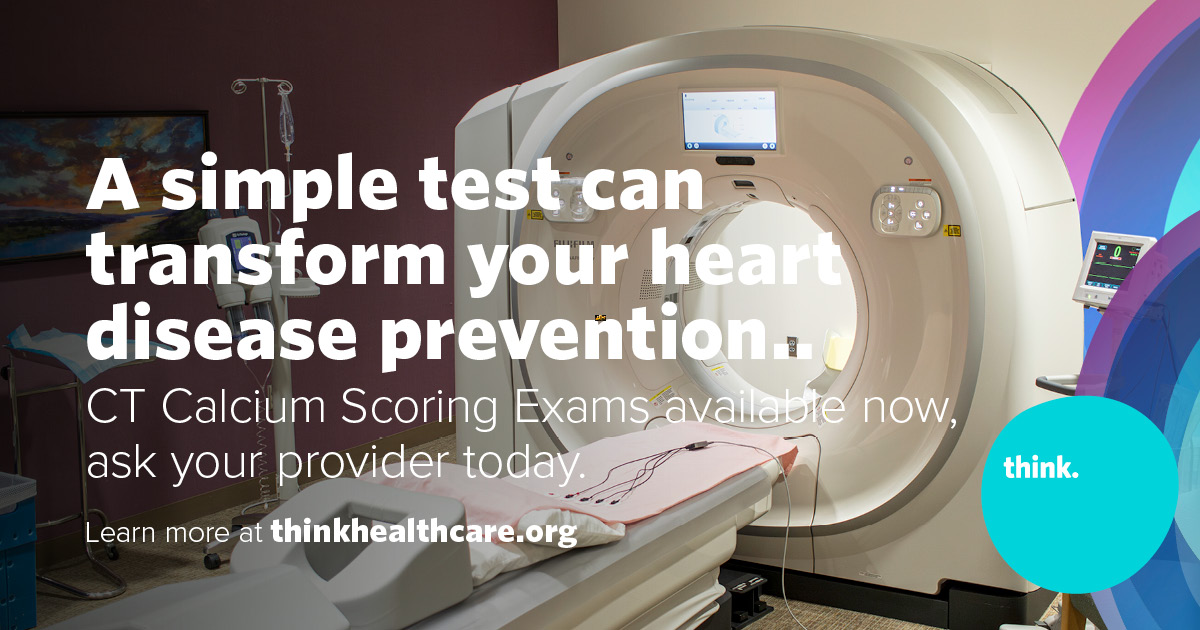
A CT scanner sits in a brightly lit exam room with a patient table. Text promotes CT Calcium Scoring Exams for heart disease prevention and includes a website, thinkhealthcare.org.

A simple test can transform your heart disease prevention.

After years of planning by the think team, in February 2024, we replaced our original CT Scanner with a brand new model, a Fujifilm Scenaria View. The new scanner comes with upgraded benefits, such as:

  • Enhanced Workflow Speed: Experience faster and more efficient scans, allowing for quicker diagnosis and treatment planning.
  • Clear Image Quality: Enjoy unparalleled clarity and detail in your CT images, providing our physicians with the precise information they need for accurate diagnoses.
  • Lower Dose: Our scanner boasts remarkably low radiation doses, prioritizing patient safety without compromising image quality.
  • Open Design: With its spacious 80cm gantry aperture, our CT scanner offers a comfortable and accessible imaging experience for patients of all sizes.

It also has advanced clinical modules, extended coverage Shuttle Scanning, Cardiac CT, and Dual Energy examinations, ensuring comprehensive care for our patients’ diverse needs.

We had the opportunity to meet with Dr. Douglas Russell to discuss the new scanner and one of its features, the CT Calcium Score Exams. 

We had the opportunity to meet with Dr. Douglas Russell to discuss the new scanner and one of its features, the CT Calcium Score Exams.  

Let’s go to the interview. If you would like to watch the interview, click here.

Interviewer:

Thank you, Dr. Russell, for sitting with us today between patient visits. In February, we replaced our original CT Scanner with the new FijiFilm Scenaria View Scanner, which has some upgraded features. Today, we want to highlight one of those features: the Calcium Scoring Exam. Before we get into Cardiac Calcium Scoring, why are you excited about the new CT Scanner and why should patients at think care?

Dr. Doug Russell:

Well, it’s the latest technology, best pictures that you can get from a CT and this new added on technology of calcium coronary screening is quite a feature to have and it’s becoming a standard of care, it’s not quite there yet. We don’t have an accepted United States Preventative Task Force guideline on this topic yet, but it’s coming.It’s to the point now where there’s enough data to support us doing this, that the American Heart Association actually has produced a guideline on coronary CT scanning.

Interviewer:

Lets jump into CT Cardiac Calcium Scoring, what is it?

Dr. Doug Russell:

The Cardiac Calcium Scoring Exam is a non-contrast CT scan that takes about five minutes to do the scan itself. It will take you longer to check in to get the scan performed. So it’s a painless exam to do. It enables us to take a CAT scan picture of your thorax. So we get all the structures within your chest, whether it’s the lungs, the vascular structures, the aorta, the heart, specifically the coronary artery anatomy, and then locations of calcified plaque within your coronaries. This technology has been around for a while but has not been widely available until recently. 

The amazing thing about it is that it’s a relatively harmless exam; the information is good, and the findings are significant. I remind patients that when we do this, it is a very proactive decision to make as opposed to being reactive. Proactive means that we will try to identify whether we have a problem and then aggressively address it if we need to. Reactive would be doing chest compression on Uncle Eddie because he had a cardiovascular event at the family picnic. One’s far better than the other and I believe that this is something that we should consider. 

Interviewer:

How does a CT calcium scoring exam compare to other methods for assessing heart disease risk?

Dr. Doug Russell:

We do all these screenings, blood pressure screenings and lipid screenings, and we have smoking cessation programs and all these other things that approach cardiovascular risk factors. But with this tool we’ve actually got a screening test we can do now that will stratify you even further and tell you where you sit and whether or not we have concerns. So the amazing thing about it is that it’s a relatively harmless exam to do, the information is good, and the findings are significant.

From a risk stratification standpoint, the American College of Cardiology says that all intermediate individuals that have intermediate risk for cardiovascular disease should be thought about in this screening process and that’s using the American Heart Association cardiovascular screening tool that they have. But that’s an algorithmic screening tool, of which there have been others in the past and it’s effective and it works. But it also has some weaknesses. So for example, the American Heart Association screening tool does not consider family history. So that’s probably something they’ve been criticized a bit for. And it’s significant, especially if you had significant early coronary disease and your family doesn’t seem to matter with the screening tool. But it might matter for you.

Interviewer:

Who are the ideal candidates for a CT calcium scoring exam and are there any age restrictions or health conditions that would make this test unsuitable for someone?

Dr. Doug Russell:

It depends on your family history and your personal history. If I have someone that has 2 or 3 cardiovascular risk factors and they’re curious and want to know, I think those people should be candidates for it. I’ve had extremely healthy patients, but they’re of the age. You have a 55-year-old male, and their lipids have been slightly off, so we offer the exam, do a scan, and might find something of significance. Then, all of a sudden, you have to introduce them to a cardiologist. 

For better or worse, I would say about half the scans I do will involve some action. If you have a significant lesion, we need to go meet the cardiologist. Or if your numbers are in the indeterminate middle ground, where you have some coronary artery plaque, and I don’t like the location of this because this is in your left main, I think you probably ought to get on a treadmill. I know you haven’t had a change in your exercise tolerance, but you’ve got some anatomical things that are of significance that we need to look at closer, and you’ve got a score of 100. That’s not terribly high, but that’s not great either. And we’ve been ignoring these lipids that are borderline, but we really need to treat these aggressively now.

Interviewer:

Let’s talk about the exam itself. Can you walk us through the procedure in more detail? 

Dr. Doug Russell:

So, the scan itself is pretty benign and the availability is readily available. There’s no difficulty getting someone set up for a scan here. So I’ve had patients that I’ve sent out to schedule and they’re doing one within the week. We tell people not to take stimulants, not to drink coffee, before they come in for the exam, because it’s nice to have a nice resting heart rate when they’re being studied. But the exam itself is quick and easy and painless. You will lie on the table for just a few minutes, and the scanner spins around and makes some noises, and then all of a sudden you’re out of there.

Interviewer:

Some patients might be concerned with low-dose radiation or claustrophobia during the exam. Can you go into more detail including any potential risks or side effects associated with the low-dose radiation used?

Dr. Doug Russell:

So this is not an MRI scanner. It’s an open CT scanner. So you’re going through a ring, not through or into a tube. So claustrophobia is not a problem with this particular study. There is a radiation dose, but it’s a single scan and it’s minimal. So, compare it to a low dose CT scan. So, I think that the risk of any radiation exposure is minimized by the amount of information that you get from the study.

Interviewer:

How does it compare to, like, an X-ray?

Dr. Doug Russell:

It’s more radiation than a simple chest X-ray. I think the radiation equivalents would be 4 to 5 chest X-rays. 

Interviewer:

If my calcium score indicates an increased risk of heart disease, what are some initial steps I can take to manage that risk? Are there any food or lifestyle recommendations you can give patients to maintain a healthy heart?

Dr. Doug Russell:

People don’t get this, but high-fiber diets are good for everything. That’s good for your gastrointestinal tract. Fiber binds cholesterol in your gut and is naturally excreted. And so if you had a heaping bowl of shredded wheat every morning, and eat whole grain breads and broccoli and get that right roughage in your diet, it’s going to lower your cholesterol  20 or 30 points easy. If you’re consistent with it. 

The other thing we believe is that unsaturated fats, be omega-3s or monounsaturated olive oil, those molecules are different than saturated fatty molecules. Saturated fatty molecules are linear molecules, they stick together and are solid at room temperature. They can make solid hard plaque in your coronaries. But when you have a bend in the molecule because that fat is unsaturated, it takes up more space in three dimensions. They tend to be oils, not solids, at room temperature and body temperature. You can’t make a plaque in your coronarys from fish oil. You can’t make plaque in your coronaries from olive oil or peanut oil. So, almonds, avocados, peanuts, peanut butter, and eat more fish. That stuff is all good for you. 

Cook in olive oil; it’s healthy for you. You can dip your bread in olive oil. However, smearing butter on your bread’s a different story, but dipping your bread in olive oil, it’s probably healthy for you.

If we pound omegas in our diet and we get more omegas and unsaturated fats in our diet and just get the fiber content up, that’s about as good as it gets.

Interviewer:

How does this test transform your heart disease prevention?

Dr. Doug Russell:

There’s data on cardiac CT scoring that suggests that it’s more predictive of coronary events than any other test that we have right now. In particular, any other noninvasive test. So stress testing will give you a five-year negative profile and negative predictive value, which is great. So if at four and a half years you’re starting to have some shortness of breath with exertion, we’d wonder, but the predictive length of time for a normal scan is ten years. That’s a good report card for a long time. 

If you come back with a normal scan, it’s not a free for all to do whatever you want to do, but you’re highly unlikely to have a cardiac event in the next ten years of your life. So you can rest assured and be reassured that good news and go about your business. 

We know that a score over 100 makes you seven times more likely to have a cardiovascular event in the next ten years of your life. And then we know that a score over 300 makes you ten times more likely to have a cardiovascular event in the next ten years of your life. And so these are people that are going to be watched closely, and probably periodically need to be thrown on a treadmill just to get an objective measurement of how well they can do. And possibly down the road doing another scan to see what kind of progress they’ve made. 

There are other things involved with this as well. When you’re scanning someone’s chest, you’re not just looking at coronaries in the heart. You get lung fields and you get the vascular structures in the middle of your chest. And sometimes we accidentally fall into something of concern. 

For example, I did a scan and I accidentally found a gentleman’s early lung cancer. So I sent him to the thoracic surgeon, the cancer doctors, where he had an early stage non-small cell lung cancer. He’s going to survive his lung cancer because we accidentally found it by doing an early scan. I’ve got a retired physician that I see that I made get a scan. We accidentally found his thoracic aortic aneurysm, and it was significant to the point where he had a surgical repair last year. And this was someone that was going to collapse at the family gathering and be dead. The good news is we did a scan, didn’t expect to find this, but we did. We found a thoracic aortic aneurysm, and now he’s been surgically repaired and he’s going to see his grandkids and have more birthday parties and graduations to go to.

Interviewer:

I mean for $99 straight out of pocket. It’s not bad.

Dr. Doug Russell:

It’s a bargain screening test. You can’t get anything for 99 bucks these days. So to have a meaningful screening test done, that is screening for the number one cause of death in men and women in this country, for 99 bucks to either give you a clean bill of health or we need interventions to prevent this from getting worse with time. It’s huge.

Interviewer:

As a final thought, can you talk about the importance of early detection in heart disease? How can a CT calcium scoring exam help individuals to take control of their heart health? How does that fit into a whole-person wellness plan?

Dr. Doug Russell:

People don’t talk about this enough but in the body everything is connected. We talk about coronary disease, but coronary disease is vascular disease in one location in the body. But if we find it there, you’ve got it in your chest, your arms, your head, and other parts of your body. And some of those locations can be associated with other diseases like dementia. Raise your hand if you’d like to have dementia later in life..? Probably not. If we identify something that results in an aggressive intervention now and this is how we’re going to deal with it going forward, you have a better chance for a better long-term outcome. You could live independently longer, you could live a full 90 years or more. This is a big hitter. Number one cause of death of Americans. We should screen for it.

Let’s Recap…

What is CT Cardiac Calcium Scoring?

CT cardiac calcium scoring is one of the most advanced, non-invasive, methods available today to detect heart disease in its earliest stages. The procedure identifies the calcified plaque present in your coronary arteries. While other types of plaque exist, calcium deposits are a strong indicator of potential future problems and only calcified plaque is detected during this test. CT cardiac calcium scoring will provide two essential pieces of information: 

  • The presence or absence of coronary calcium in your coronary arteries. 
  • The degree of the coronary calcium in your coronary arteries.  

While other types of plaque exist, calcium deposits are a strong indicator of potential future problems.

Who should get a Cardiac Calcium (CAC) Scoring?

A cardiac calcium scoring test can be beneficial for several groups of people. Adults aged 45 and over should consider getting the exam, especially if they have a family history of cardiovascular disease (CVD). However, discussing your risk factors with your doctor is important. They can assess your situation and determine if a CAC scan is right for you.

Why is a Cardiac Calcium Score Important?

Heart disease is often a silent killer, with symptoms sometimes appearing only when the condition is already advanced. Here’s why a cardiac calcium score can be beneficial:

  • Early Detection: Calcification in the arteries is one of the earliest signs of heart disease. This test can identify potential issues before symptoms arise, allowing for early intervention.
  • Risk Stratification: The calcium score helps determine your individual risk of a heart attack. A higher score indicates a greater likelihood of future problems.
  • Personalized Treatment: Knowing your risk allows your doctor to create a personalized treatment plan to manage your heart health, potentially including lifestyle changes or medications.

How should I prepare before the Exam?

The good news is that there’s minimal preparation needed for a cardiac calcium scoring exam! Here’s what you can expect:

  • Do not consume caffeine, nicotine, stimulants, or any medicine that acts as a stimulant four hours before the exam. 
  • Refrain from using lotion or oils on your chest area.

What Should You Expect during the Exam?

Here’s what you can expect during the test:

  • You’ll lie comfortably on your back on a CT scan table for about ten minutes.
  • Electrocardiogram (ECG) patches will be placed on your chest. These patches monitor your heartbeat and ensure the scan captures clear images by synchronizing with your heart rhythm.
  • The actual scan is painless and uses only a small amount of radiation.

Your Test Results? 

Your CT cardiac calcium scoring exam results hold valuable information about your future heart health. A low score can provide reassurance, indicating a low risk of heart disease in the coming years. However, if your score suggests an increased risk, it’s an opportunity for early intervention.Your think provider will work with you to create a personalized plan to manage your heart health. This plan could involve lifestyle modifications, for example, changes to your diet, exercise routine, or stress management. Medication might be recommended in some cases to lower cholesterol, blood pressure, or address other conditions that contribute to heart disease risk. Remember, your think provider is your partner in heart health. They’ll be able to explain your specific score in detail, answer any questions, and recommend the most appropriate treatment plan customized to your needs.

READY FOR YOUR CT CALCIUM SCORING EXAM? CONSIDER THINK YOUR GO-TO FOR BETTER HEART HEALTH.

Think Whole Person Healthcare is committed to maintaining your overall well-being through comprehensive preventative care and specialized treatments. To determine if a CT Calcium Scoring Exam is right for you, schedule an appointment with your think provider.

Not a think patient yet? Explore our Services page online and choose your ideal provider by visiting our Meet Your Doctor page.

Our dedicated team is here to support your health. To schedule an appointment, call us at 402.506.9049.


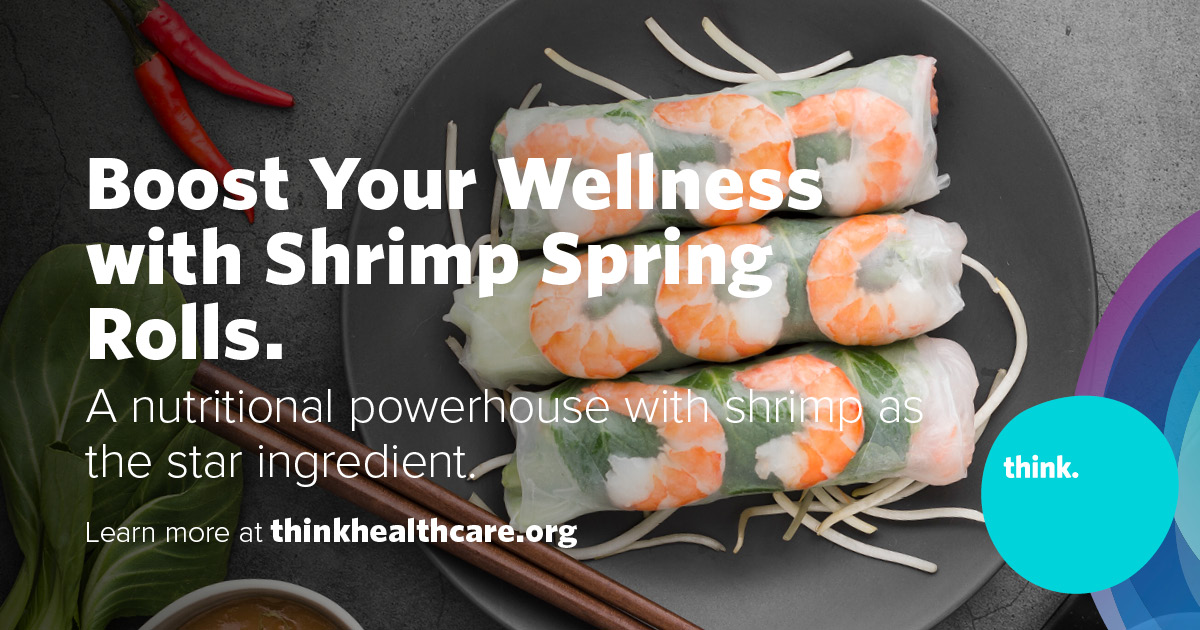
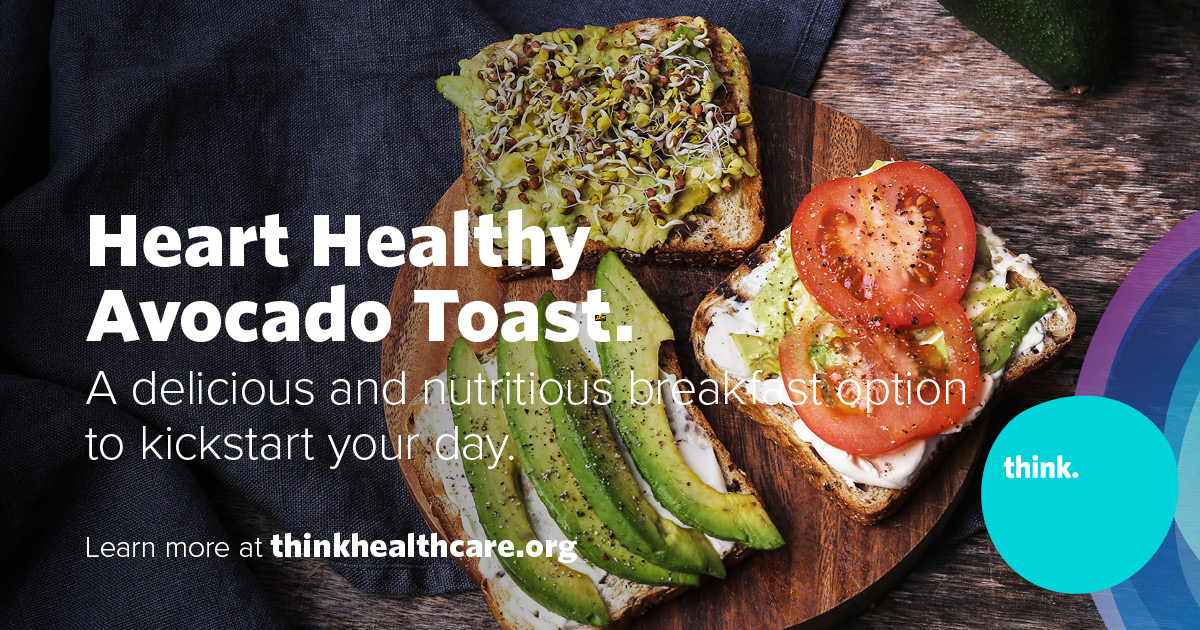
Heart Healthy Avocado Toast

Three slices of avocado toast on a wooden plate, topped with sliced avocado, tomato, and seeds. Text promotes heart healthy avocado toast as a nutritious breakfast. Blue logo with think. and a website link are visible.

Heart Healthy Avocado Toast

A delicious and nutritious breakfast option to kickstart your day.

Avocado toast has become a breakfast staple for good reason—it’s simple, delicious, and packed with heart-healthy fats and fiber. This avocado toast recipe, made with creamy avocado, whole grain bread, and a variety of nutritious toppings, is satisfying and provides numerous health benefits.

Avocados are a nutrient-dense fruit known for their high content of monounsaturated fats. These fats are heart-healthy and can help lower bad cholesterol levels and reduce the risk of heart disease. Additionally, avocados are a good source of fiber, which aids in digestion, helps regulate blood sugar levels, and promotes feelings of fullness to prevent overeating.

Whole grain bread adds complex carbohydrates and additional fiber to this recipe, providing a steady source of energy and helping to keep you feeling full and satisfied throughout the morning. Top the avocado toast with fresh vegetables like tomatoes and spinach for the toast to become rich in vitamins, minerals, and antioxidants that support overall health and well-being.

This recipe is fresh, easy, and fast—perfect for busy mornings when you need a nutritious breakfast in a hurry. With just a few simple ingredients and minimal prep time, you can have this delicious avocado toast on your table in just 10 minutes, making it a convenient option for anyone looking to start their day on a healthy note.

Prep Time
5 mins
Cook Time
5 mins
Total Time
10 mins

Servings: 2

Ingredients

  • 1 ripe avocado
  • 2 slices of whole-grain bread
  • 1 small tomato, sliced
  • Handful of fresh spinach leaves
  • 1 tablespoon of lemon juice or lime juice
  • Salt and pepper to taste
  • Optional toppings: thinly sliced red onion, red pepper flakes, sliced radishes, hemp seeds

Instructions

  1. Prepare the Avocado: Cut the avocado in half, remove the pit, and scoop the flesh into a bowl. Mash the avocado with a fork until smooth but still slightly chunky.
  2. Toast the Bread: Toast the slices of whole grain bread until golden brown and crispy.
  3. Assemble the Toast: Spread the mashed avocado evenly onto each slice of toast.
  4. Add Toppings: Top the avocado with sliced tomato and fresh spinach leaves. If desired, add thinly sliced red onion for extra flavor.
  5. Drizzle with Citrus Juice: Drizzle lemon or lime juice over the toppings to add a bright, citrusy flavor.
  6. Season and Customize: Season the avocado toast with salt and pepper to taste. For an extra kick, sprinkle with red repper flakes, sliced radishes, or hemp seeds.
  7. Serve and Enjoy: Serve the avocado toast immediately while the bread is still warm and crispy. Enjoy as a satisfying breakfast or snack!

This heart-healthy avocado toast is not only delicious but also provides a good source of fiber, vitamins, and minerals to start your day off right. Experiment with different toppings and seasonings to customize your avocado toast to your taste preferences.

Nutrition Information (Per Serving)

  • Calories: 443 cal
  • Protein: 8 g
  • Fat: 26 g
  • Carbohydrates: 44 g
  • Calories from Fat: 370 cal
  • Saturated Fat: 2 g
  • Trans Fat: 0 g
  • Cholesterol: 425 mg
  • Sodium: 1128 mg
  • Fiber: 15 g
  • Sugars: 7 g
  • Added Sugars: 5 g

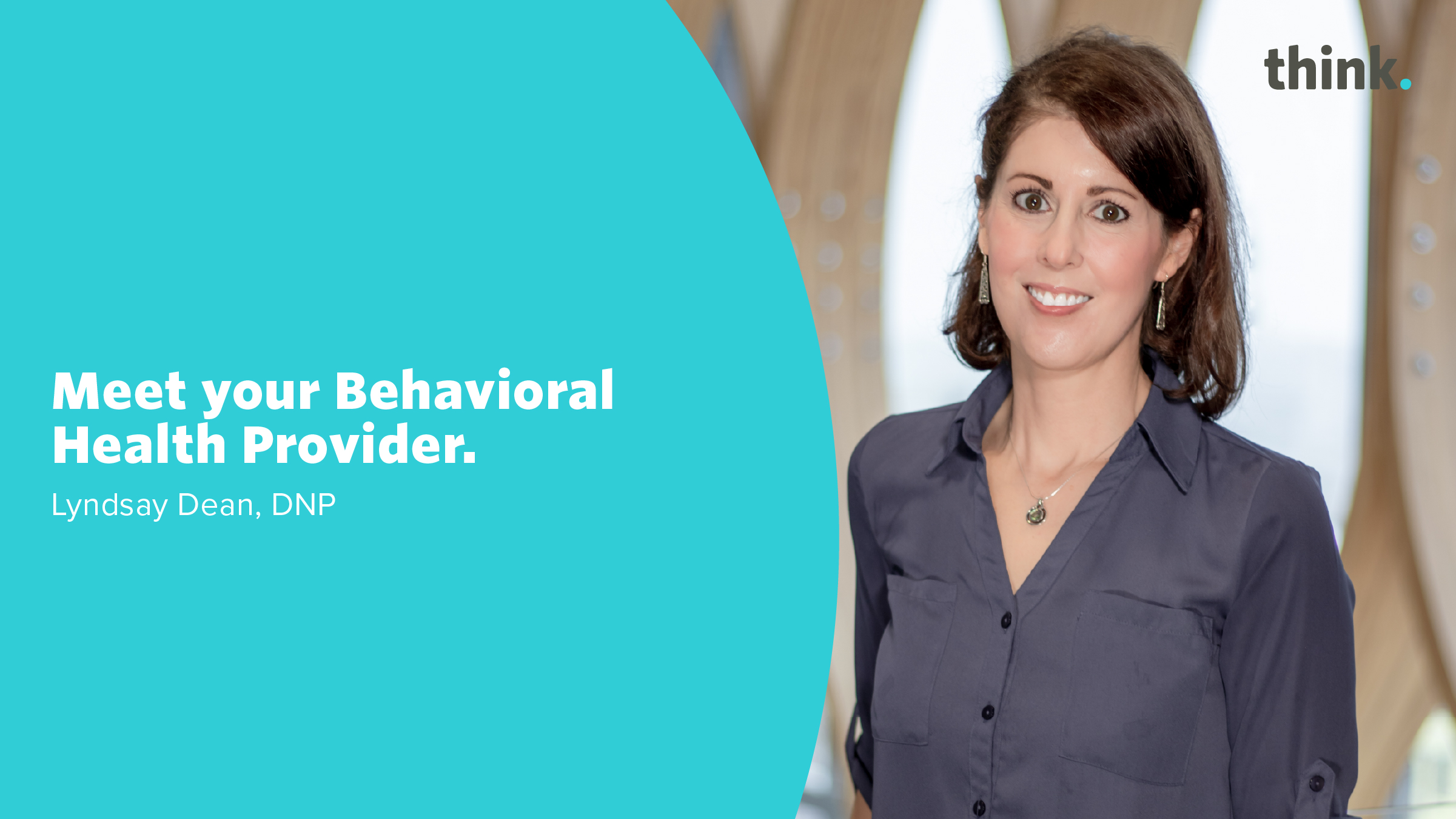
Meet your Provider, Lyndsay Dean, DNP

A woman with brown hair, wearing a dark blouse, smiles at the camera. Text reads: Meet your Behavioral Health Provider. Lyndsay Dean, DNP. Background features a blue circle and think. logo.

Today, prioritizing mental and physical health is becoming more important for our overall well-being. At Think Whole Person Healthcare, we understand this interconnectedness and strive to provide comprehensive care that addresses all aspects of a patient’s health.

In this quick interview, Lyndsay Dean, DNP, shares more about her practice and what motivates her care at Think Whole Person Healthcare. With over 15 years of experience in behavioral health, Lyndsay brings a wealth of knowledge and expertise to her practice and at think.

Interviewer:  

What gets you fired up about healthcare and your specific expertise? 

Lyndsay Dean, DNP:

I am always excited to learn about new treatment approaches and to gain further knowledge of evidence-based practice guidelines. I believe we continue to grow in terms of acquiring an array of pharmaceutical options and holistic strategies. Treatment advancements are ever-changing, and there is always room for improvement, which keeps healthcare interesting and dynamic. I have always been passionate about mental health care since it significantly impacts all avenues in the healthcare arena and cannot be overlooked.

Interviewer:  

Is there a pearl of wisdom or something in your field that you’re itching to share with your patients? 

Lyndsay Dean, DNP:

Our mind should not be considered a separate entity from our physical body. A thorough assessment is key when identifying the underlying reasons for certain mental health symptoms and/or challenges. This includes not only ruling out other physical ailments that may be negatively impacting mental health but also exploring a person’s unique belief system, lifestyle choices, and environmental influences.

 Interviewer:

What does Whole Person Healthcare mean to you?

Lyndsay Dean, DNP:

Whole-person healthcare encompasses effective collaboration within a healthcare team to help guide the person in reaching their healthcare goals and achieving a quality life. It also includes learning how to successfully manage life stressors and maintain a healthy balance between productivity and rest (i.e., self-care practices). 

Interviewer:  

What’s your “why” for being part of think?

Lyndsay Dean, DNP:

I truly enjoy getting to know people and gaining insight into their diverse life experiences. We all have a purpose and are trying to navigate our own life journeys. By being part of the healthcare team at think, I am very supported and appreciate that our shared goal is to provide optimal patient care.

Interviewer:    

What is the top patient story that resonates with you and your career?

Lyndsay Dean, DNP:

I have had the privilege to witness several uplifting experiences as a Psychiatric Nurse Practitioner, so trying to narrow it down to one profound patient story that has resonated with me is quite a challenge. During my time in this profession, I have seen many people who have experienced significant trauma and/or who have been in toxic, abusive relationships throughout their lifetime. By helping them establish boundaries, identify narcissistic traits, and become aware of their own innate strengths, I feel that this has been the most rewarding part of my career.

Get to Know Lyndsay Dean, DNP, Empower Your Healthcare Journey.

Lyndsay Dean is a dually licensed, board-certified (ANCC/AANP) Advanced Practice Psychiatric and Family Nurse Practitioner, graduating with honors in 2006 from the University of Nebraska Medical Center (UNMC) with a Master of Science in Nursing. She also received her Doctorate in Nursing Practice in 2020 from UNMC.

For over 15 years, she has primarily worked as a Psychiatric Nurse Practitioner. She has also served in the academic role of clinical assistant professor and preceptor at UNMC. Her preceptor position included working as a Psychiatric Nurse Practitioner at UNO’s Counseling and Psychological Services department. 

To learn more about Lyndsay Dean, DNP, visit her profile page here. Lindsay Dean, DNP, is accepting new patients. To schedule an appointment, call us at 402.506.9049.

Your health journey begins with investing in you.

Older woman jogging in a sunlit park, smiling, with a man in the background. Overlaid text promotes health journeys, screenings, and self-care, with a website link and think. logo on a blue circle.

Nurturing Your Mind, Body, and Spirit with Health Screenings and Self-Care

by ThinkPress

Among life’s daily demands, it’s easy to lose sight of our most valuable asset: our health. Yet investing in our well-being is necessary for leading a fulfilling and vibrant life. As we venture on a journey to prioritize our health, let’s explore strategies and screenings that can help us achieve optimal wellness.

Essential Health Screenings: Safeguarding Your Health

Regular health screenings play an important role in detecting potential health issues early and ensuring we can take proactive steps to address them. By staying current on recommended screenings, we can empower ourselves to make informed decisions about our health. Here are some key screenings to discuss with your think healthcare provider:

Vaccinations

Protecting ourselves against preventable diseases is essential. Staying current on vaccinations recommended by the Centers for Disease Control and Prevention (CDC) can safeguard our health and well-being. Whether it’s the flu shot or immunizations against pneumonia and shingles, prioritizing vaccinations is a proactive step toward optimal health.

Blood Pressure Check

High blood pressure, also known as hypertension, often goes unnoticed due to its lack of visible symptoms. Yet, uncontrolled hypertension can increase the risk of serious health complications, including heart disease and stroke. Regular blood pressure checks can help identify and manage hypertension, ensuring better cardiovascular health.

Cholesterol Check

Excess cholesterol in the blood can lead to the buildup of fatty deposits in the arteries, increasing the risk of heart disease and stroke. Regular cholesterol checks, starting as early as 20 years old for most healthy adults, are essential for maintaining heart health and preventing cardiovascular issues.

Mammography and Pelvic Exam (for Women)

Breast and cervical cancer screenings are crucial for early detection and treatment. The American Cancer Society recommends regular mammograms for women starting at age 40, with the frequency determined by individual health factors and risk assessments.

Prostate Exam with PSA Test (for Men)

Prostate cancer is the most common cancer among men in the United States. Regular prostate exams, coupled with prostate-specific antigen (PSA) tests, can help detect prostate cancer early, when treatment is most effective.

Colorectal Cancer Screening

Colorectal cancer is the third most common cancer diagnosed in both men and women in the United States. Screening for colorectal cancer, starting at age 45 for individuals with average risk, can significantly reduce the risk of developing the disease.

Diabetes Screening

Diabetes affects millions of Americans, with many unaware of their condition. Regular diabetes screenings are essential for early detection and effective management of the disease, reducing the risk of complications such as heart disease, kidney failure, and blindness.

Total Skin Evaluation

Skin cancer is the most common type of cancer in the United States. Regular skin checks can help detect suspicious moles or lesions early, allowing for timely intervention and treatment.

Eye Exam and Glaucoma Testing

Regular eye exams are essential for maintaining good vision and detecting eye diseases such as glaucoma, which, if left untreated, can lead to irreversible vision loss.

Dental and Periodontal Disease Exam

Oral health is closely linked to overall health. Regular dental checkups can help prevent and detect dental issues such as cavities, gum disease, and oral cancer.

Depression Screening

Mental health is an integral component of overall well-being. Screening for depression can help identify symptoms early and ensure appropriate treatment and support.

Bone Density Scan (DEXA)

Osteoporosis is a common condition characterized by weakened bones and an increased risk of fractures. Bone density scans can help assess bone health and identify individuals at risk for osteoporosis.

Abdominal Aortic Aneurysm (AAA) Screening

Abdominal aortic aneurysms are a potentially life-threatening condition that often goes unnoticed until they rupture. Screening for AAA can help detect aneurysms early, allowing for timely intervention and treatment.

We can take proactive steps toward safeguarding our health and well-being by prioritizing these essential health screenings. However, remember that individual screening recommendations may vary based on factors such as age, gender, and personal health history. Consult with your think healthcare provider to determine the proper screenings for you.

Simple Self-Care Practices: Nurturing Your Mind, Body, and Spirit in Your Daily Routine

In addition to health screenings, including self-care practices in our daily routines can enhance our overall well-being. However, it’s important to avoid overwhelming yourself by attempting to adopt too many new habits at once. Instead, start by selecting one or two activities each day and observe how they positively impact your mind, body, and spirit.

Here are some simple self-care suggestions to consider integrating into your routine:

  • Prioritize Physical Activity: Make an effort to exercise regularly to keep your body active and healthy.
  • Soak Up the Sun: Spend some time outdoors soaking in natural sunlight, which can boost your mood and energy levels.
  • Nourish Your Body: To support your overall health, Maintain a balanced diet and ensure you stay hydrated throughout the day.
  • Indulge in Relaxation: Treat yourself to a relaxing bubble bath to unwind and alleviate stress.
  • Feed Your Mind: Dedicate time to reading a book or listening to an audiobook to stimulate your mind and escape into a world of imagination.
  • Enjoy Uplifting Entertainment: Watch an uplifting movie or listen to inspiring music to uplift your spirits and cultivate positivity.
  • Rest and Recharge: Allow yourself to nap when needed to recharge your batteries and boost your productivity.
  • Embrace Serenity: Find moments of quiet solitude to enjoy peaceful silence and promote mental clarity.
  • Practice Mindfulness: Explore meditation techniques to cultivate mindfulness and reduce stress levels.
  • Challenge Negative Thoughts: Work on reducing negative self-talk and replacing it with positive affirmations to enhance self-esteem.
  • Disconnect from Screens: Take breaks from electronic devices to reduce screen time and focus on real-world experiences.
  • Explore New Interests: Engage in a new hobby or activity that interests you to expand your horizons and add excitement to your life.
  • Learn Something New: Dedicate time to learning a new skill or pursuing personal development opportunities to stimulate growth.
  • Express Gratitude: Cultivate a practice of gratitude by reflecting on what you’re thankful for each day to promote a positive outlook on life.

By incorporating these simple self-care practices into your daily routine, you can nurture your overall well-being and enhance your quality of life. Remember, self-care is not a one-size-fits-all approach, so feel free to experiment with different activities and discover what works best for you.

Prioritizing our health is one of the most important investments we can make in ourselves. By staying proactive about our health screenings and incorporating self-care practices into our daily routines, we can empower ourselves to live healthier, happier lives.

Remember, your think healthcare provider is a partner in your health journey. Feel free to reach out to them for guidance, support, and personalized care tailored to your individual needs.

Here at Think, we’re committed to empowering you to prioritize your health and well-being. Our dedicated team of healthcare professionals is here to support you every step of the way. Together, we can achieve optimal health and vitality.

Learn More About Self-Care and Wellness By Speaking to Your Think Provider

Think makes receiving health screenings and information on consistently maintaining your everyday health easy. Our team of primary care physicians, advanced practice providers, and specialists are here to keep you healthy and enjoying life.  

If you need quick medical assistance, same-day appointments are available, or our walk-in clinic treats anyone, even those who are not a think patient or do not currently have a primary care provider. To learn more about our wide range of affordable care, visit our Services page online. Also, choose your own think medical provider by visiting our Meet Your Doctor page.

The Impact of Mental Health on Physical Health

Smiling older woman with glasses and earrings among a diverse group, overlaid with text: The Impact of Mental Health on Physical Health. The Mind-Body Connection. Learn more at thinkhealthcare.org..

The Mind-Body Connection

In our fast-paced modern world, the connection between mental and physical health is undeniable. Yet, the intricacies of this relationship are often overlooked. Mental health concerns can have a profound impact on physical well-being, influencing everything from chronic conditions to lifestyle habits. We had the privilege of diving into this topic in an interview with Lyndsay Dean, DNP, a think Advanced Practice Psychiatric and Family Nurse Practitioner with a wealth of experience in behavioral health.

Embracing a Holistic Approach to Healthcare

Neglecting mental or physical health can reverberate throughout our lives, impacting our overall health and vitality. Below, we’ll journey through Lyndsay’s insights on how mental health intricately shapes physical well-being, and how adopting holistic, whole-person, self-care practices can pave the path to a healthier and balanced life.

Understanding the Mind-Body Connection

Chronic stress is not just a mental or emotional burden but can manifest physically, often appearing as migraines, gastrointestinal issues, and obesity. As Lyndsay aptly articulates, “Chronic stress can manifest in myriad ways, from migraines to gastrointestinal distress, and even obesity.” 

This revelation about the physical symptoms of stress points to a deeper, cyclical relationship where mental health issues exacerbate physical symptoms, which in turn, can worsen the mental health condition. Unhealthy lifestyle choices such as poor diet, lack of exercise, and disrupted sleep patterns often accompany this cycle, each element feeding into the next, creating a challenging cycle of health deterioration. Lyndsay points out the importance of recognizing these stress manifestations as not merely coincidental but as potential outcomes of mental health struggles.

Nurturing Your Body and Mind: Practical Strategies for Holistic Wellness

To counteract the adverse effects of chronic stress, Lyndsay advocates for holistic self-care practices that prioritize proper nutrition, regular physical activity, and sufficient restorative sleep. She recognizes how the food we eat directly impacts our physical and emotional health, so she suggests prioritizing a protein-rich diet. Snacks like almonds, pistachios, cottage cheese, and Greek yogurt not only help stabilize blood sugar levels but also provide sustained energy, which can be crucial for managing stress and maintaining overall vitality throughout the day. 

Furthermore, she highlights the benefits of consuming whole, unprocessed foods. She advises against the easy temptation of fast foods or heavily processed options, which are often high in unhealthy fats and sugars. Instead, she encourages incorporating fresh fruits, vegetables, and whole grains, which nourish the body and support mental health due to their high content of vitamins, minerals, and essential nutrients. Consulting with your primary care doctor and a registered dietitian can be beneficial for those seeking personalized advice. 

Embracing Healthy Habits: A Lifestyle Approach to Wellness

In alignment with her recommendations, establishing consistent sleep routines and minimizing exposure to stressors are pivotal in nurturing both mental and physical health. Ensuring a regular sleep schedule and creating a calming nighttime routine can significantly enhance sleep quality, which is crucial for both mental alertness and physical health. Effective strategies, such as avoiding electronics before bedtime and maintaining a comfortable sleep environment, help facilitate deeper, more restorative sleep.

Minimizing exposure to stressors is another critical element. Modern life often exposes individuals to a plethora of stress-inducing situations which, if not managed carefully, can lead to both mental and physical ailments. Lyndsay highlights the importance of setting boundaries around work and personal life and suggests engaging in activities that reduce stress, like spending time in nature or practicing relaxation techniques. Additionally, regular physical activity is not simply about staying fit; it’s about enhancing overall well-being. Exercise acts as a natural antidote to stress, boosting mood through the release of endorphins, and improving overall energy levels. Activities don’t have to be strenuous—consistent, gentle exercises can also yield significant benefits.

Lyndsay pointed out the risks associated with the overconsumption of stimulants such as caffeine and energy drinks. These can disrupt sleep patterns and lead to cycles of energy spikes and crashes, which may exacerbate stress and anxiety. Instead, she advocates for incorporating mindfulness-based practices, such as meditation and deep-breathing exercises, which promote an overall sense of mental well-being. These practices help cultivate a state of mindfulness, encouraging individuals to stay present and engaged, reducing stress and enhancing mental clarity.

Seeking Support and Accessing Resources

For individuals grappling with mental health challenges, Lyndsay stresses the importance of seeking professional help and leveraging available resources when you need them. Therapy, in its various forms, plays a pivotal role in mental health care. Whether through one-on-one sessions or group settings, therapy provides a structured environment where individuals can explore their feelings, confront their issues, and develop coping strategies under the guidance of a trained professional. These interactions can be profoundly transformative, offering not just relief but also a pathway to deeper self-understanding and resilience.

Lyndsay also advocates for the incorporation of mindfulness-based practices into daily routines. Techniques such as meditation, progressive muscle relaxation, and guided imagery have been shown to significantly reduce stress levels, enhance emotional regulation, and improve overall mental clarity. These practices help individuals cultivate a state of mindfulness, wherein they can more effectively manage their thoughts and emotions, leading to improved mental health outcomes. 

In addition to mental health-focused practices, Lyndsay suggests leveraging dietary and physical wellness resources. Consulting with your primary care physician and dietitians can provide individuals with tailored nutritional advice that not only supports physical health but also stabilizes mood and energy levels. Similarly, fitness centers offer structured environments for physical exercise, which is known to alleviate symptoms of depression and anxiety through the release of endorphins.

Lastly, the digital age offers an abundance of accessible resources right at our fingertips. There are numerous apps available that can guide users through meditation exercises, sleep improvement techniques, and habit tracking, all of which contribute to whole-person wellness. The integration of these tools into one’s daily life can empower individuals to take charge of their mental and physical health, creating a balanced and healthy lifestyle.

Embracing Holistic Healthcare: A Collaborative Approach to Wellness

At Think Whole Person Healthcare, our commitment extends beyond the treatment of symptoms to a deeper understanding of the interconnected dynamics of mental and physical health. Recognizing this complex relationship, we employ a holistic, whole-person-centered approach to healthcare, which considers every aspect of individual wellness. With the expert guidance of Lyndsay Dean, DNP, and our multidisciplinary team, we create an empowering environment for our patients, encouraging them to actively participate in their own healthcare journey.

Our professionals, ranging from physicians to mental health specialists, collaborate closely not only with each other but also with every patient. This collaborative process ensures that all aspects of health are considered, paving the way for comprehensive treatment plans tailored to meet the unique needs and goals of each individual. Such an approach fosters a deeper patient-provider relationship built on mutual respect and open communication, which is fundamental to the success of holistic care.

At Think, we believe that a holistic and collaborative approach is key to unlocking the full potential of healthcare. By bridging the expertise of various health disciplines and harnessing the power of partnership with our patients, we lay a strong foundation for not only addressing immediate health concerns but also promoting a lifelong journey of health and well-being.

Looking Ahead: Integrating Mental and Physical Health

Prioritizing mental and physical health is paramount for leading a fulfilling and balanced life. By implementing Lyndsay’s insights and embracing holistic self-care practices, you can cultivate resilience and thrive in all aspects of life. Remember, you’re not alone on your journey to well-being—our team at Think is here to support you every step of the way.

NEED MEDICAL CARE? CONSIDER THINK WHOLE PERSON HEALTHCARE AS YOUR GO-TO FOR BETTER HEALTH.

Think Whole Person Healthcare is dedicated to keeping you healthy through preventative care and treatment for various medical conditions. From that nagging cough to mysterious leg pain to mental health concerns, our physicians, advanced practice providers, and specialists are committed to your and your family’s lifelong health and well-being. 

To learn more about our comprehensive healthcare services, visit our Services page online and choose your own think medical provider by visiting our Meet Your Doctor page. 

Our team helps you stay healthy. To schedule an appointment, call us at 402.506.9049.

Get Cleared for the Game

A teen baseball player wearing sunglasses and a cap runs on a baseball field. Text reads: Get Cleared for the Game. Why Your Teen Needs a Sports Physical. Logo and website for thinkhealthcare.org appear.

Why Your Teen Needs a Sports Physical

What is a sports physical?

A teen sports physical, also called a pre-participation examination (PPE), is a medical checkup specifically designed for teenagers who want to participate in organized sports. It’s like a regular check-up but focuses on your fitness for athletics and helps ensure it’s safe for you to play.

Why is it important for my teen to get a sports physical?

There are two main reasons why a sports physical is important for teens:

Safety 

Sports can be physically demanding, and a physical helps identify any underlying health conditions that could increase your risk of injury during play. For example, the doctor might check for heart problems, uncontrolled asthma, or certain bone or joint issues. Early detection and treatment can help prevent serious complications.

Performance 

A sports physical isn’t just about avoiding problems; it can also help you perform your best. The doctor can assess your strength, flexibility, and posture and offer tips on how to improve them for your chosen sport. They can also discuss healthy habits like sleep and nutrition that can enhance your athletic performance.

Think of a sports physical as a tune-up for your body before the big game. It helps ensure you’re in top shape to compete safely and achieve your full potential.

What does a sports physical entail?

A teen sports physical serves as a thorough checkup to ensure your body is prepared for the rigors of athletic activities, aiming to prevent injuries and uncover any underlying health conditions. During your appointment, you’ll engage in a discussion about your medical history, habits, allergies, and conditions. Expect inquiries about past illnesses, surgeries, and injuries, as well as an evaluation of health habits like sleep and diet, often facilitated through a questionnaire.

The physical examination itself covers various aspects of your health, including measurements of height, weight, and vital signs like blood pressure and heart rate. The doctor will also conduct assessments of vision, hearing, heart, lungs, abdomen, ears, nose, throat, posture, strength, flexibility, and joints. Additionally, depending on gender, males may undergo a brief genital exam, while females may discuss menstrual health.

Following the examination, the doctor will either provide clearance for sports participation or recommend further evaluation if needed. They may also offer advice on injury prevention and suggest a healthy training regimen tailored to your needs. Honesty about your health is paramount during this process, and wearing comfortable clothing that allows for easy movement will enhance your experience. Remember, if you have any questions or concerns, don’t hesitate to discuss them with your doctor or coach.

What are the benefits of sports physicals?

Identifying potential health concerns and preventing injuries are some of the key benefits of sports physicals. Here’s a deeper dive into how they can benefit young athletes:

Catching Underlying Conditions:

Silent Threats 

Many medical problems don’t cause any symptoms, especially in young people. A sports physical can uncover these hidden issues, like heart conditions or certain lung problems, before they lead to serious complications during exercise. Early detection allows for proper treatment and reduces the risk of life-threatening events on the field.

Better Management

Even if you have a known condition like asthma, a sports physical can help ensure it’s well-controlled. The doctor can adjust medications or recommend effective strategies to manage your condition while playing sports.

Strength & Flexibility Checks

By assessing your muscle strength, flexibility, and posture, the doctor can identify areas of weakness or imbalance that might make you more prone to injuries. They can then suggest exercises or stretches to improve these areas and reduce your overall injury risk.

Past Injuries

The physical also reviews past injuries to see if they’ve fully healed and if there are any limitations you need to be aware of when returning to sports. This helps prevent reinjury and allows for a safe return to play.

Healthy Habits Education

Sports physicals are a chance to discuss healthy habits essential for athletic performance and overall well-being. The doctor might talk about proper sleep, nutrition, and hydration to optimize your health and help you reach your athletic goals.

Open Communication

The physical creates a platform for open communication with a healthcare professional. You can discuss any health concerns you might have, and the doctor can provide guidance and support.

Overall, sports physicals play a crucial role in safeguarding young athletes’ health and promoting a safe and enjoyable sports experience.

What are some tips for parents on preparing their teen for the physical and what questions to ask the doctor?

Before the appointment, it’s essential to gather pertinent information. This includes collecting any past medical records, immunization documents, and creating a list of current medications your teen is taking. Many doctors provide a health history questionnaire beforehand, so it’s wise to review it together to ensure accuracy and completeness. This is also an opportunity to discuss any questions or concerns your teen may have about the form. Encourage open communication with your teen about their health, emphasizing the importance of honesty with the doctor regarding any injuries, concerns, or questions they might have.

On the day of the appointment, ensure your teen is dressed in comfortable, loose-fitting clothing that allows for easy movement during the physical exam. Arriving a few minutes early helps to complete any necessary paperwork promptly. During the appointment, encourage your teen to ask questions and seek clarification from the doctor on any limitations or restrictions placed on their participation based on the physical exam findings. Inquire about injury prevention tips, specific exercises, or stretches tailored to their chosen sport, and seek advice on proper nutrition, hydration, and sleep habits to optimize their performance and overall health. Additionally, discuss the need for future follow-up appointments or screenings based on your teen’s health history and address any specific concerns you or your teen may have regarding their health or fitness for the sport.

It’s crucial to involve your teen actively in the conversation with the doctor, empowering them to take ownership of their health and feel comfortable asking questions. Remind your teen that the doctor is there to help and ensure their safety in sports. By following these tips and maintaining open communication with the doctor, you can ensure your teen has a positive and informative sports physical experience.

NEED MEDICAL CARE? CONSIDER THINK YOUR GO-TO FOR BETTER HEALTH

Think Whole Person Healthcare is dedicated to keeping you healthy through preventative care and treatment for various medical conditions. From sleep issues to persistent back pain, our physicians, advanced practice providers, and specialists are committed to you and your family’s lifelong health and well-being. 

Our walk-in clinic treats anyone, even those who are not a think patient or do not have a primary care provider currently. To learn more about our comprehensive healthcare services, visit our Services page online and choose your own think medical professionals by visiting our Meet Your Doctor page. 

We help you stay healthy. Give us a call at 402.506.9000.

Prioritize your health and feel your best.

Smiling older woman sits at an outdoor table with others, enjoying a meal. Text reads: Prioritize your health and feel your best. The importance of regular physicals. Website link and think. logo are visible.

The importance of regular physicals

What does a regular physical entail?

Don’t minimize the power of a regular physical exam, also known as a wellness check-up. It’s a routine assessment to give you an overview of your health. During the exam, your provider will examine you, discuss your health history, and might recommend screenings or tests to identify any potential issues early on. Here’s a more comprehensive breakdown of what you can expect:

Before the Appointment

Before your appointment, you might be asked to complete a health history questionnaire. The form typically covers details like your past medical history, family history, medications you take, lifestyle habits (diet, exercise, sleep), and any current concerns you have.

During the Appointment

Review of Medical History

Your think provider will review your completed questionnaire, if applicable, and may ask follow-up questions to understand your health needs and goals better. 

Vital Signs Check

As we begin the exam, your physician’s nurse will perform basic vital sign checks to get a snapshot of your physical health. This includes measuring your height, weight, blood pressure, heart rate, and temperature, all of which offer clues about your overall well-being.

Physical Exam

During your physical exam, your physician will take a closer look at your overall health through a series of checks. This might involve testing your vision and hearing to ensure they function properly. They’ll also examine your ears, nose, throat, and head for any signs of abnormalities. Your heart and lungs will be listened to with a stethoscope to assess their function. The doctor may also feel your abdomen to check for any tenderness or masses. Finally, they’ll evaluate your reflexes and posture to understand your nervous system function and overall balance.

Gender-Specific Exams

Depending on your gender, the doctor might perform additional exams like a breast exam for women or a prostate exam for men.

Discussion and Recommendations.

Following the physical exam, we will sit down with you to discuss your overall health status. They’ll use the exam findings to address any concerns you might have and offer personalized recommendations. This could involve preventive measures like vaccinations or screenings to detect potential health issues early on. They might also suggest lifestyle changes such as shifts to your diet, exercise routine, or sleep habits to optimize your well-being. If you have existing health conditions, your think provider will develop a plan to keep them under control. Also, if a specialist is required for further evaluation or treatment, your provider will provide a referral to ensure you receive the most comprehensive holistic care.

Additional Tests

Your provider may recommend additional tests during the exam depending on your age, health history, and risk factors. These could involve:

  • Blood tests to check cholesterol levels, blood sugar, thyroid function, etc.
  • Urine tests to assess kidney function and screen for infections.

Overall, a regular physical is a personalized experience. Your think provider will adjust the exam and recommendations to your needs and health goals.

What is the difference between a regular physical and a sports physical?

The main difference between a regular physical and a sports physical comes down to their focus.

Regular Physical Exam

A regular physical exam is an integral part of maintaining good health. This comprehensive checkup goes beyond just your physical health; it takes a holistic view, encompassing your mental well-being and developmental progress (for children). This proactive approach allows for early detection and intervention, empowering you to take charge of your well-being and live healthier lives.

Sports Physicals

Unlike a comprehensive physical exam, a sports physical is a targeted assessment specifically designed to clear you for participation in organized sports. It prioritizes your fitness for athletic activity and confirms it’s safe for you to play. The doctor will review your medical history, particularly focusing on past injuries or conditions that could pose a risk during sports. 

Here’s a table summarizing the key differences:

FeatureRegular PhysicalSports Physical
FocusOverall health & well-beingFitness for athletics
Medical HistoryDetailed reviewFocus on sports-related issues
Physical ExamComprehensiveAssesses strength, flexibility, heart, lungs, & musculoskeletal system
Lab TestsMay be ordered depending on age & needsNot typically included
PurposeIdentify health concerns, monitor development, and provide preventive careClear you for sports participation, optimize athletic performance

Why are regular physicals important for adults of all ages?

Scheduling regular physical exams is a foundation of good health for adults of all ages. These checkups offer a multitude of benefits that contribute to long-term health. Regular physicals are important for several reasons:

Early Detection of Health Issues

Many diseases, like high blood pressure or diabetes, can develop silently in their early stages. Regular physicals allow your provider to identify these conditions early on when treatment is often easier and more successful. Early intervention can significantly improve your future health outcomes and can prevent complications in the future.

Preventative Care

Physicals go beyond simply diagnosing problems; they’re about preventing them too! Depending on age, family history, and lifestyle, Doctors can assess your risk factors for various diseases. It allows your think provider to recommend preventive measures like vaccinations, screenings, or lifestyle changes (diet, exercise) to keep you healthy and reduce your risk of future health problems.

Monitoring Chronic Conditions

You may already have a chronic condition like heart disease or asthma. Regular physicals are valuable for monitoring progress and adjusting your treatment plan. This ongoing management can help you control your condition effectively and maintain a good quality of life.

Personalized Health Advice

Regular checkups also allow you an opportunity to discuss any health concerns you might have, big or small. The doctor can provide personalized advice, from managing stress and improving sleep to maintaining a healthy weight or quitting smoking. They can also be a valuable resource for navigating complex health decisions.

Building a Relationship with Your Doctor

Building a relationship with your doctor is another excellent aspect of long-term health. Regular visits allow you to build trust and connection with your primary care physician, making communication more comfortable and open. This familiarity will naturally increase openness with your provider when discussing sensitive topics or making important healthcare decisions.

Peace of Mind

Finally, knowing you’re taking an active role in your health and that a healthcare professional is monitoring your health can provide you with peace of mind. Regular physicals can reduce anxiety about potential health issues and empower you to take charge of your health throughout your life.

How does an adult physical improve ACO (Accountable Care Organization) and the future of healthcare?

Adult physicals play a significant role in improving ACO (Accountable Care Organization) performance and contribute to the future of healthcare in a few key ways:

Preventive Care

Adult physicals play a pivotal role in bolstering ACO performance and shaping the future of healthcare through preventive care initiatives. By conducting regular physical examinations, healthcare providers can detect potential health issues early on, facilitating timely interventions. This proactive approach not only reduces overall healthcare costs but also enhances patient outcomes, aligning with the core objectives of ACOs.

Proactive Management of Chronic Conditions 

Moreover, adult physicals support proactive management of chronic conditions prevalent in adults, such as diabetes or heart disease. Through consistent monitoring, healthcare professionals can adjust treatment plans as needed, thereby preventing complications and reducing hospital admissions. This proactive management strategy contributes to improved efficiency and cost reduction within the healthcare system.

Focus on Population Health

Additionally, adult physicals assist ACOs in focusing on population health by analyzing physical exam data to identify trends within patient populations. This data-driven approach enables ACOs to develop targeted interventions and preventive care plans tailored to address specific population health needs effectively. By addressing population-wide health trends, ACOs can implement strategies to enhance overall community health and well-being.

Overall, adult physicals are a cornerstone of preventive care and chronic disease management, which are central to the success of ACOs. By promoting early detection, proactive management, and population health focus, adult physicals contribute to a more efficient, cost-effective, and patient-centered healthcare system. Here’s how this contributes to the future of healthcare:

Sustainability

The focus on prevention and early intervention through regular checkups can lead to a more sustainable healthcare system by reducing overall costs.

Value-Based Care

ACOs emphasize value-based care, which focuses on preventive care and better patient outcomes rather than just treating illnesses. Regular physicals are a key component of this approach.

Patient Empowerment

The focus on preventive care encourages patients to take a more active role in their health and well-being, leading to a more empowered patient population.

Adult physicals serve as a pivotal component in advancing the objectives of ACOs, empowering patients, and shaping the trajectory of healthcare for years to come. By prioritizing early detection, proactive management, and population health initiatives, these examinations not only enhance patient outcomes but also contribute to the overall efficiency and sustainability of the healthcare system. Through a concerted focus on preventive care and chronic disease management, adult physicals embody the essence of patient-centered healthcare, fostering a culture of wellness and empowerment among individuals.

Unlock the Secrets of Restful Sleep

A woman sleeps peacefully in bed at night. Text reads: Unlock the Secrets to Restful Sleep. Discover valuable insights and practical tips to improve your sleep quality. Learn more at thinkhealthcare.org..

Are you tired of tossing and turning, unable to find the rest you need? You’re not alone. Sleep is fundamental to our well-being, yet achieving restful sleep remains elusive for many. Understanding the complexities of the sleep cycle and addressing common sleep challenges are crucial steps toward reclaiming quality rest.

Understanding the Sleep Cycle

Sleep is a complex dance between our brain and body, with various stages dictating our rest and wakefulness. From the slow relaxation of non-REM sleep to the dream-filled REM stage, each phase plays a crucial role in rejuvenating our bodies. While the ideal sleep duration was once thought to be a solid eight hours, experts now recognize a range of six to eight hours for optimal health.

Normal sleep involves each sleep cycle lasting about 90 minutes, with four or five sleep cycles repeated per night. For years, the tried-and-true number of hours of sleep needed for healthy adults was considered eight hours. Sleep experts and medical professionals are now realizing there is more of a range of six to eight hours. Teens, children, and infants require the most sleep as their bodies grow and develop, with some newborns needing up to 17 hours a day. Robert Recker, MD, shares, “In my observations, senior adults may need more sleep because they suffer from the worst sleep. As you age, your brain doesn’t sleep as efficiently. Older adults also face more health difficulties that interrupt their rest.”

Common Sleep Challenges

Insomnia, sleep apnea, and restless leg syndrome are just a few of the sleep disorders plaguing many individuals today. Factors like pain, menopause, and chronic health conditions can further disrupt our sleep patterns, leading to long-term health consequences.

Your physical, emotional, and mental health all impact how well you sleep. Other health conditions such as pain, menopause, enlarged prostate, and respiratory ailments including asthma also affect sleep patterns. People with uncontrolled heart failure, diabetes, and other chronic illnesses also experience a lack of restful sleep.

The Toll of Sleep Deficiency

Sleep deficiency isn’t just about feeling groggy; it can have far-reaching effects on our physical and mental well-being. From mood disorders to increased risk of chronic illnesses like heart disease and diabetes, the repercussions of inadequate sleep are profound.

Sleep deficiency means you don’t sleep enough, you don’t sleep well, you sleep at the wrong time of day (narcolepsy) or you have a sleep disorder that causes poor-quality sleep. Reports show that about one-third of Americans are not getting sufficient sleep every day. The National Institutes of Health states, “an estimated 50 to 70 million Americans have chronic, or ongoing, sleep disorders.”

Not getting sufficient sleep is also linked to more long-lasting health problems, including depression, high blood pressure, diabetes, kidney disease, heart disease, and stroke. It is a myth that people can cope well with little sleep for great lengths of time and experience no negative effects.

Improving Your Sleep Habits

Fortunately, there are steps we can take to improve our sleep hygiene and reclaim restful nights. Establishing a consistent bedtime routine, limiting screen time before bed, and avoiding heavy meals and alcohol close to bedtime are just a few strategies to promote better sleep.

Our sleep is affected because our lives are too busy and too stressful. Screen time and social media habits tend to bleed into our evenings. We cause our circadian rhythms, part of our body’s internal clock, to get off balance when we stay up late some nights and sleep in other mornings. Many people actually train themselves to be bad sleepers and oftentimes sleep can be corrected by regimenting your lifestyle.

Dr. Recker shares the following are steps to improve your sleep habits:

  • Stay with a routine for when you go to bed and wake up every day. On the weekends limit your extra sleep to only about an hour more.
  • Reserve the hour before bed for quiet. Avoid bright artificial light from TV and computer screens. Turn off the loud music and skip intense exercise late in the day.
  • Stay away from large or heavy meals within a few hours of bedtime. A light snack can be okay, but don’t load up too much.
  • Avoid drinking alcohol close to bedtime. Alcohol can make you feel drowsy, but it interferes with the architecture of your sleep overall.
  • Consider the effect nicotine and caffeine (caffeinated sodas, coffee, tea, and chocolate) have on your body. Nicotine and caffeine are both stimulants that can impair sleep quality. Some people are not affected by caffeine later in the day, so beware of your individual response.
  • Stay physically active every day. When possible, get outside and move around during the day so your body gains the benefits of exercise.

When to Seek Help

If sleep disruptions persist, it’s essential to seek medical guidance. Our team at Think Whole Person Healthcare offers comprehensive assessments to identify the root cause of your sleep issues. Whether it’s lifestyle adjustments, behavioral health support, or medical interventions, we’re here to help you achieve restorative sleep and optimal health.

Insomnia is the most common sleep disorder, and most cases are caused by lifestyle, particularly extra stress and anxiety in a person’s life. To help, we recommend following better sleep hygiene (see the steps above) and learning better emotional and mental health exercises to eliminate the worry and stress triggers. We also refer patients to our Behavioral Health team if certain mental health conditions are blocking nightly rest.

If we determine that you have an underlying health condition such as sleep apnea, we may refer you to a sleep specialist for further evaluation. But first, losing some weight often helps correct obstructive sleep apnea. Be encouraged that most sleep disorders are treatable. All of us at think want you well-rested and safely enjoying your life again. Come see us, and let’s get you catching that beauty rest and more.

Prioritize Your Health with Think

At Think Whole Person Healthcare, we’re committed to your lifelong well-being. From preventative care to specialized treatment, our team is dedicated to providing comprehensive healthcare services for you and your family. Visit our website to learn more about our services and meet our team of medical professionals.

NEED MEDICAL CARE? CONSIDER THINK YOUR GO-TO FOR BETTER HEALTH

Think Whole Person Healthcare is dedicated to keeping you healthy through preventative care and treatment for various medical conditions. From sleep issues to persistent back pain, our physicians, advanced practice providers, and specialists are committed to you and your family’s lifelong health and well-being. 

Our walk-in clinic treats anyone, even those who are not a think patient or do not have a primary care provider currently. To learn more about our comprehensive healthcare services, visit our Services page online and choose your own think medical professionals by visiting our Meet Your Doctor page. 

We help you stay healthy. Give us a call at 402.506.9000.

This article was written by thinkPress based on “Catching Restful Zzz’s” by Robert Recker, MD. Read that complete article here: https://think-healthcare.local/catching-restful-zzzs/

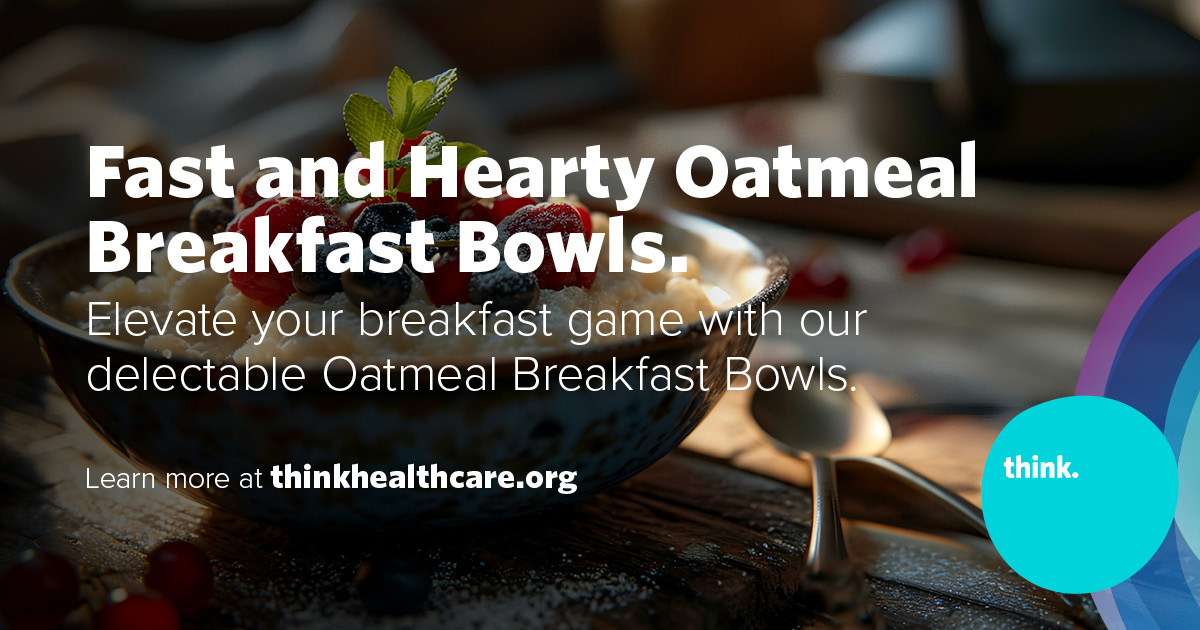
Fast and Hearty Oatmeal Breakfast Bowls

A bowl of oatmeal topped with berries and seeds sits on a table with a spoon. Text promotes hearty oatmeal breakfast bowls and a healthcare website.

by thinkPress

Elevate your breakfast game with our delectable Oatmeal Breakfast Bowls, a delightful blend of wholesome ingredients that will kickstart your day on a nutritious note! Created with care and crafted for flavor, these hearty bowls are the perfect combination of satisfying oats and a variety of nutritious toppings, providing you with a breakfast that not only tastes great but also fuels your body for the busy day ahead.

Our Oatmeal Breakfast Bowls are a celebration of simplicity and health, showcasing the versatility of oats as a breakfast staple. Loaded with fiber, vitamins, and minerals, oats are known for their numerous health benefits, including improved digestion, sustained energy, and heart health support. By incorporating them into your morning routine, you’re setting yourself up for success and nourishing your body with the goodness it craves.

To create our Oatmeal Breakfast Bowls, start by bringing water to a boil in a saucepan. Then, stir in old-fashioned rolled oats, ground cinnamon, and a pinch of salt, allowing the oats to cook until they reach a thick and creamy consistency. Next, add a splash of pure vanilla extract and unsweetened vanilla almond milk for added flavor and creaminess. Sweeten the oatmeal to your liking with a drizzle of pure maple syrup, honey, or your favorite natural sweetener.

Once your oatmeal is ready, it’s time to get creative with toppings! From nut butters like almond butter to crunchy coconut chips and nutrient-packed chia seeds, the possibilities are endless. Feel free to mix and match toppings based on your preferences, adding a burst of flavor and texture to your bowl. For an extra dose of freshness, top your oatmeal with a medley of mixed berries and half a banana, adding vibrant color, potassium, and antioxidant-rich goodness to your breakfast.

With our Oatmeal Breakfast Bowls, you can indulge in a wholesome and delicious breakfast that nourishes your body and satisfies your taste buds. Whether enjoyed as a quick weekday meal or a leisurely weekend brunch, these bowls are sure to become a favorite in your breakfast rotation. Give our recipe a try and discover the joy of starting your day with a hearty and healthful breakfast!

Prep Time5 minsCook Time10 minsTotal Time15 mins

Servings: 2

Ingredients

  • 2 cups water
  • 1 cup old-fashioned rolled oats
  • 1/2 teaspoon ground cinnamon
  • 1/4 teaspoon salt
  • 1 teaspoon pure vanilla extract
  • 1/3 cup Unsweetened Vanilla Almond Milk
  • 1 tablespoon pure maple syrup
  • Oatmeal Toppings:
    • Almond Butter
    • Unsweetened coconut chips
    • Chia seeds
    • Mixed Berries
    • ½ medium banana

Instructions

  1. In a small saucepan, bring the water to a boil.
  2. Reduce the heat to a simmer and stir in the oats, cinnamon, and salt.
  3. Cook, stirring frequently, until the oats are thick and creamy, about 10 minutes.
  4. Turn off the heat and stir in the vanilla extract and almond milk. Stir in the maple syrup.
  5. Divide the oatmeal into bowls and top with desired toppings. Serve warm.

Notes

Nutrition Information (Per Serving)

  • Calories: 336kcal
  • Carbohydrates: 57g
  • Protein: 11g
  • Fat: 6g
  • Sodium: 720mg
  • Potassium: 293mg
  • Fiber: 9g
  • Sugar: 1g
  • Calcium: 182mg
  • Iron: 3.7mg

From Fast Food to Mindful Living: Rethinking Your Approach to Health

A family plays soccer in a backyard. The text reads, From Fast Food to Mindful Living. Rethinking Your Approach to Health. Learn more at thinkhealthcare.org..

By ThinkPress

The pace of modern life in America often leaves us racing from one obligation to the next, often neglecting our health in the process. Unfortunately, our hectic schedules and fast-food cravings have contributed to a significant health crisis, with nearly 42% of Americans classified as obese, according to the Centers for Disease Control and Prevention (CDC).

This trend isn’t unique to the United States. Globally, obesity rates have tripled since 1975, reflecting a shift towards more lethargic lifestyles and less healthy dietary choices, as highlighted by the National Institutes of Health.

Understanding the Link Between Unhealthy Habits and Disease

Obesity isn’t just about carrying extra weight; it’s linked to a host of serious health conditions, including type 2 diabetes, heart disease, stroke, and certain cancers. These ailments not only compromise our quality of life but also contribute to premature death, with obesity-related medical costs in the US reaching nearly $173 billion in 2019, a figure that continues to rise.

Strategies for Promoting Healthy Living in Adolescents

So, what does healthy living entail? At its core, healthy living encompasses more than just diet and exercise; it’s a holistic approach that prioritizes physical activity, mental well-being, and nurturing relationships. Embracing simple joys, connecting with loved ones, and finding balance amidst life’s demands are essential components of a healthy lifestyle.

The pace of American life plays a significant role in our health crisis. Our jam-packed schedules often leave little time for wholesome meals, leading to a reliance on fast food and on-the-go dining. Unlike many other cultures, where meals are savored and shared with family, our approach to food is often rushed, prioritizing convenience over nourishment.

Fast food, laden with fat, salt, and sugar, capitalizes on our biological cravings, triggering addictive eating patterns that contribute to weight gain. The ubiquity of food in our environment further complicates matters, as our primal instincts to conserve calories clash with modern-day abundance.

Addressing the Complexities of Obesity: Practical Solutions

Unhealthy habits often begin in childhood, setting the stage for a lifetime of weight-related struggles. Sedentary pastimes like TV and video games, coupled with poor dietary choices, pave the way for chronic conditions like diabetes and hypertension to manifest at younger ages.

Addressing obesity requires a multifaceted approach. While external factors like limited access to public transportation and sedentary occupations pose challenges, adopting healthier habits at home is a crucial first step.

Eating home-cooked meals, free from the additives and excess calories found in many prepackaged options, can significantly impact overall health. Similarly, prioritizing whole foods and incorporating ample vegetables and lean proteins into meals promotes satiety and supports weight management.

Encouraging regular physical activity, even in small doses, can yield significant health benefits. Whether it’s a post-dinner stroll or a family bike ride, finding ways to move our bodies is key to combating obesity and promoting well-being.

Self-care is equally vital in the quest for health. Prioritizing rest, managing stress, and engaging in activities that bring joy all contribute to a balanced lifestyle. By slowing down and savoring life’s moments, we cultivate habits that support long-term health and happiness.

As we navigate the complexities of modern life, let’s remember that health is not a destination but a journey. By making conscious choices each day, we can reclaim control of our well-being and pave the way for a healthier future.

LEARN MORE ABOUT HEALTHY LIVING BY SPEAKING WITH YOUR THINK PROVIDER

Think Whole Person Healthcare makes it easy to receive preventative care and treatment for various health conditions. From fluctuating blood sugar levels to persistent joint pain, our physicians, advanced practice providers, and specialists are committed to your and your family’s lifelong health and well-being.

Our thinkquick walk-in clinic treats anyone, even those who are not a think patient or do not have a primary care provider currently. To learn more about our comprehensive healthcare services, visit our Services page online and choose your own think medical professionals by visiting our Meet Your Doctor page. 

This article was written by thinkPress based on “The Truth About a Fast Life and Fast Food” by Erika Rothgeb, MD. Read that complete article here: https://think-healthcare.local/the-truth-about-a-fast-life-and-fast-food/