



Take back control with pelvic floor therapy.

An older man and woman hike outdoors with trekking poles. Text reads: “Take back control with pelvic floor therapy. Insights on Physical Therapy and pelvic floor therapy with Hena­mari Ybay, DPT, PT.”.

Insights on Physical Therapy and Pelvic Floor Therapy with Henamari Ybay, DPT, PT.

Imagine a life free from the discomfort of urinary incontinence, pelvic pain, or sexual dysfunction—conditions that can significantly affect your daily life and sense of well-being. Pelvic floor therapy offers a path to relief and recovery, empowering individuals to regain control over their bodies. To explore this important topic further, we sat down with Henamari Ybay, DPT, PT, a physical therapist at Think Whole Person Healthcare, who specializes in orthopedics, women’s health, chronic pain, and pelvic floor therapy. Through her expertise, Henamari helps patients overcome these challenges, guiding them toward a healthier, more comfortable life.

The Role of Pelvic Floor Physical Therapy

Interview with Henamari Ybay, DPT, PT

Interviewer: Can you tell us a little bit about yourself and your background in physical therapy?

Hena Ybay: My name is Henamari Ybay, and I’m a physical therapist at think. I specialize in orthopedics, women’s health, chronic pain, and manual therapy. I graduated from the University of Nebraska Medical Center with a degree in Physical Therapy and furthered my training through an Orthopedic Residency.

Interviewer: What inspired you to pursue a career in physical therapy, especially in the areas of orthopedics and women’s health?

Hena Ybay: I’m passionate about helping people achieve their optimal health and well-being. Seeing patients go from feeling limited on day one to getting them to their goals is incredibly rewarding. Orthopedics and women’s health are areas where I can make a significant impact by addressing specific needs and improving their quality of life. And I love designing my programs based on each patient’s unique needs, specifically because no two patients are going to be the same.

Interviewer: What is your approach to physical therapy?

Hena Ybay: I believe in treating the whole person, not just the condition. I tailor my treatment plans to each patient’s individual needs and goals. At think, we create a welcoming and supportive environment where patients feel comfortable and empowered to participate very actively in their recovery.

Interviewer: What are some of the conditions you treat?

Hena Ybay: I specialize in treating a variety of conditions, including orthopedic injuries like sprains, strains, fractures, and arthritis. I also work with women’s health issues, such as pregnancy-related problems, postpartum recovery, and pelvic floor dysfunction. Additionally, I have experience managing chronic pain conditions, including back pain, neck pain, headaches, and fibromyalgia. I utilize manual therapy techniques to improve mobility and reduce pain.

Interviewer: What can you tell us about your work with pelvic floor physical therapy?

Hena Ybay: Pelvic floor physical therapy is a specialized area that focuses on the muscles and tissues surrounding the pelvic area. I assess and treat conditions such as urinary incontinence, pelvic pain, and sexual dysfunction. I believe in a holistic approach that includes education, exercises, and manual therapy to help patients regain control of their pelvic floor function.

Pelvic floor therapy deals with every part of the body within the pelvic region, from the lumbar spine to the pelvic organs and muscles. I specialize in diagnosing conditions involving these muscles and providing targeted musculoskeletal training. It’s like training any other body part, but with a specific focus on the pelvic region. 

By understanding the pelvic floor’s role in overall health and well-being, we can address a wide range of issues and improve patients’ quality of life.

Interviewer: Who is typically coming to you for pelvic floor physical therapy and why?

Hena Ybay: Pelvic floor physical therapy, often referred to as women’s health physical therapy, is sought by individuals experiencing urinary incontinence, pelvic pain, or sexual dysfunction. Many of my patients are women who have been pregnant or postpartum, as these experiences can significantly impact pelvic floor health. Men also can receive pelvic floor therapy. 

I often see patients who are struggling with incontinence, which can lead to anxiety and limit their daily activities. Some patients may be afraid of wetting themselves or not being able to get to the bathroom on time. By accurately diagnosing the underlying issue and providing targeted training, I help patients regain control of their symptoms, which can significantly improve their quality of life.

Pelvic floor issues can arise from all kinds of causes. For instance, trauma to the area is common, especially if a woman has given birth and experienced tearing, which is very common after natural childbirth. Such tears or any kind of muscle strain can lead to pain. Post-pregnancy, many women notice increased urinary incontinence, which we often address in therapy.

Another cause of urinary incontinence could be abnormal bladder habits. For some people, the habit of urinating before leaving the house can create a strong association in the brain, leading to urgency even when the bladder isn’t full. I also see patients with difficulty controlling their bladder due to these habits.

Other causes include neurological issues, such as those faced by individuals post-stroke or after a spinal cord injury, where nerve damage affects bladder control. Additionally, conditions like constipation can affect bladder function because the intestines are neighbors to the bladder, and any pressure from the intestines can cause increased frequency of urination. There really are so many different causes, and it can be a big puzzle to figure out specifically what is going on. 

Interviewer: What are some of the benefits of pelvic floor physical therapy?

Hena Ybay: Pelvic floor physical therapy can offer numerous benefits. It can help improve bladder control, manage pelvic pain, enhance sexual function, and strengthen the pelvic floor muscles.

Interviewer: What can patients expect during a pelvic floor physical therapy session?

Hena Ybay: During a pelvic floor physical therapy session, patients can expect a comprehensive evaluation to assess the strength, flexibility, and coordination of their pelvic floor muscles. We will also provide education on the pelvic floor anatomy, function, and common conditions. The session may include exercises to strengthen, relax, stretch, or coordinate the pelvic floor muscles, as well as manual therapy techniques like internal release or massage to address muscle tension or trigger points. The duration of therapy sessions can vary depending on the severity of the patient’s condition.

For the initial session, we typically spend about an hour and 15 minutes to thoroughly evaluate the patient’s condition. This first appointment is crucial for understanding what specifically needs to be addressed. During this time, we’ll discuss any referral from your physician and go over your health history and symptoms. Follow-up appointments are generally about 45 minutes long, where we continue with the treatment plan tailored to your needs. It all starts with letting your doctor know that you’re interested in pelvic floor physical therapy, and they can provide a referral, just like they would for therapy related to your back or shoulder.

Interviewer: What are some common misconceptions about pelvic floor physical therapy?

Hena Ybay: One common misconception is that pelvic floor physical therapy is only for women. In reality, pelvic floor dysfunction can affect both men and women. Another misconception is that pelvic floor physical therapy is uncomfortable or embarrassing. I strive to create a safe and comfortable environment where patients feel at ease discussing their concerns.

Another is that kegels can fix everything. Yes, they are one of the tools in the toolbox and a lot of people are familiar with them, but they are not always the best solution and at times not the right solution at all. A pelvic floor physical therapist can really assess your specific needs and provide personalized exercises and techniques that properly and fully address your concerns. 

Interviewer: How long does it typically take to see results from pelvic floor physical therapy?

Hena Ybay: The duration of therapy sessions varies depending on the severity of the patient’s condition. In some cases, patients may see significant improvement within a month, while others may require several months of therapy. For instance, patients with mild urinary incontinence may see results more quickly, while those with more complex conditions may require a longer course of treatment.

Interviewer: Is pelvic floor physical therapy covered by insurance?

Hena Ybay: Most insurance plans cover pelvic floor physical therapy when it is prescribed by a healthcare provider. However, it’s always best to check with your insurance provider to confirm coverage.

Interviewer: How does pelvic floor physical therapy fit into a whole-person healthcare model?

Hena Ybay: As a pelvic floor physical therapist, I see the pelvic floor as an integral part of the body, just as important as the head, neck, and back. Whole person care recognizes that every part of the body is connected and can contribute to overall functioning. Pelvic floor physical therapy is a crucial component of this approach, addressing an often-overlooked area of the body that can significantly impact a person’s quality of life.

I like to treat my patients as individuals, considering their entire health history and lifestyle. Think‘s approach perfectly aligns with this philosophy. By offering a wide range of services like mental health, physical therapy, and pharmacy, among many others, think empowers healthcare providers to look at the patient as a whole and address all their needs. This comprehensive approach is what makes it truly special to practice here.

Understanding Pelvic Floor Dysfunction 

The pelvic floor is a complex group of 26 muscles that form a supportive structure for the pelvic organs and play a critical role in stabilizing the pelvis and spine. These muscles are essential for sexual function, bowel and bladder control, and overall pelvic health. When the pelvic floor muscles become weak, stretched, or overly tight, it can lead to a condition known as pelvic floor dysfunction (PFD).

PFD can manifest in a variety of symptoms, including urinary incontinence, pelvic pain, urinary urgency, fecal incontinence, and sexual dysfunction. This condition can be triggered by several factors, such as pregnancy, childbirth, menopause, chronic conditions like diabetes or arthritis, surgery, and even nerve damage.

What Should You Do if You Suspect You Have Pelvic Floor Dysfunction?

Many people mistakenly believe that symptoms like urinary leakage or pelvic pain are just a normal part of aging or life changes. However, it’s crucial to recognize that these issues are not just inevitable inconveniences—they are signs that your pelvic floor may need attention. Addressing these symptoms early with the help of a healthcare provider can make a significant difference in your quality of life.

If you’re experiencing symptoms of pelvic floor dysfunction, it’s important to talk to your primary care provider. They can help assess your condition and refer you to a pelvic floor physical therapist for further evaluation and personalized treatment. Early intervention can lead to better outcomes and a quicker return to normalcy.

CONSIDER THINK YOUR PARTNER IN PELVIC FLOOR HEALTH.

At think, our team of experienced pelvic floor physical therapists is dedicated to helping you regain control of your pelvic floor function. We offer comprehensive evaluations, personalized treatment plans, and a supportive environment to help you achieve your goals.

Remember, pelvic floor dysfunction doesn’t have to control your life. With the right treatment, you can regain your confidence and improve your overall well-being.

Not a think patient yet? Explore our Services page online and choose your ideal provider by visiting our Meet Your Doctor page.

Our dedicated team is here to support your health. To schedule an appointment, call us at 402.506.9049.


Do you think you are a fall risk?

Older woman sitting on the floor, appearing to have fallen, reaching for a cane. Text reads: Quiz. Do you consider yourself a fall risk? Take this easy assessment to see. thinkhealthcare.org.

Dizziness. Feeling like you might fall. Blurred vision. These are symptoms of a possible balance disorder. Problems with balance can be caused by certain medications or underlying medical conditions. As you age, it’s especially important to be steady on your feet to avoid falling and injuring yourself. These seven simple questions can help determine if you would benefit from our Balance Class at think Physical Therapy.

[os-widget path=”/think-whole-person-healthcare/am-i-a-fall-risk”]

Everyday Tips for Active Living

Smiling older woman exercising with pool noodles in a swimming pool. Text on image promotes tips for active living and daily exercise, encouraging movement for better health. Website link and think logo are included.

If enjoying active living is a bit of a stretch for you, you are not alone. The Centers for Disease Control and Prevention (CDC) reports that 15% of all Americans do not participate in any physical activities in their leisure time. Puerto Rico tops the inactivity charts at 47.7%, and by region, the Midwest hovers around 25% prevalence for inactivity. What’s even more surprising, these statistics were before COVID-19 invaded and forced many of us into lockdowns and residual hibernation. 

If people are not getting active outside of work, work itself is not much help. The National Health Institute finds that 80% of all U.S. jobs are predominantly sedentary positions. Gone are the days when American settlers exercised tending their land, livestock and gardens every day. Today, many in our country simply snack away on the couch watching old Westerns of people living and loving an active lifestyle.  

The Downside of an Inactive Life

A study by the CDC notes that more than 8% of deaths in the country of non-disabled adults ages 25 and older were linked to physical inactivity. Adopting sedentary behavior can shorten your lifespan and eventually kill you. The risk of common health conditions that increase with low levels of physical activity include:

  • Hypertension
  • Cardiovascular diseases, such as heart disease and stroke
  • Type 2 diabetes
  • Obesity
  • Certain cancers including breast, colon and bladder cancer
  • Anxiety and depression
  • Dementia

Why Active Living Matters

Active living matters because you matter. At Think Whole Person Healthcare, we are on your side to help you gain and maintain robust health and keep moving in activities you enjoy most. Our outstanding team of physicians and advanced practice providers can assess your physical condition and offer steps toward reaching your activity goals. 

Our top-rated physical therapists can perform a thorough evaluation and develop a personalized plan to help meet your fitness goals. If you need more targeted care for your spine, bones, feet and more, our think physical therapists can lessen your pain and discomfort and get you back walking, dancing and working out again.

Are the kids and grandkids waiting for a fun-natured wrestling match? Do you hear the dog whining for a walk with you? Are you wanting to book that cruise with its island adventure hikes? Go for it! We’ve got a list of ideas below to help you ease into increasing your physical activity. 

Remember, you do not need to become a crazed weekend warrior who overdoes exercise or someone who is obsessed with daily gym workouts. General physical activity guidelines for adults are:

  • At least 150 minutes each week of moderate-intensity aerobic physical activity (or 75 minutes of vigorous-intensity). Endurance or cardio-respiratory exercise includes running, jogging, biking, swimming, stair climbing, dancing or fast walking.    
  • Two or more days a week of muscle-strengthening activities such as weightlifting, hill walking, pushups, sit-ups and squats. 

My Fitness Journey

I historically have been active, but as adult life took over, I became less and less active. My job was active, and I did activities like yardwork or walking the dog, so I never felt the need to do anything more! I had been ignoring chronic back pain, neck pain and wrist pain for years, thinking it would resolve and was just part of my job and life. 

When the pandemic swept over us all, I became even more sedentary, and my chronic pains began to worsen. It was then when I decided that my quality of life could be better for myself and as a leader for my patients. I started to work out regularly, and when the gyms closed during the pandemic, I kept up by modifying the workouts at home. Since then, I have not looked back.  

Exercise has become the best medicine I could take. My aches and pains went away. I sleep better and have so much more energy. I became so much stronger which is very empowering. Even simple daily tasks were easier, like carrying laundry baskets up the stairs. So, I continue to be active every day because I matter and my wellness matters. 

Everyday Physical Activity Tips

Be sure to take small steps to boost your exercise and protect your health from inactivity-related illness and disease. One of our think physical therapy patients is a grandfather who wanted to sit on the floor and play with his grandbaby and walk at the zoo with his older grandchildren without getting worn out or experiencing intense back pain. 

After a thorough evaluation, I developed an exercise plan that started simply and slowly since he had not been active in years. We first managed his pain and mobility and eventually trained so he could exercise without pain or excessive soreness. Now he can walk at the same speed of his grandkids and easily get down and back up from the floor when enjoying time with his grandbaby.

Like this grandfather, you can choose a variety of physical activities from this list based on your conditioning and your personal preferences. The important key is to just keep moving every day. If you have physical limitations or disabilities, our think physical therapy and occupational therapy teams are here to help you modify exercises that work best for you. 

1. Walk whenever possible. Grab the leash and take your pet for a vigorous walk. Walk the kids to school. In parking lots, park your vehicle at a distance from your destination building. Skip the elevator and escalator and take the stairs. Get off the bus stop early and walk. Walk laps in the mall. Enjoy a family walk after dinner. 

2. Join an exercise group or an aerobic-based class at the health club. Finding an exercise buddy or two helps keep you accountable with your fitness goals. 

3. Do sit-ups and pushups or lift weights in front of the TV. When the commercials come on, hit the floor and power up those abs and triceps. 

4. Play with the kids or grandkids at least a half hour a day. Playing catch, chasing a ball, shooting hoops—these activities and more will help keep you youthful.

5. Dance to music. Turn up the volume and put on your dancing shoes or go barefoot. Rock, salsa, Zumba, whatever your musical style, just cut loose and burn those calories. A fun option: grab a partner and laugh your way through a lively session. 

6. Work around the house. Dusting, vacuuming and mopping will never be boring again when you see these chores as health-boosting options. You may even want to put on upbeat music and intersperse your dance moves. 

7. Do your own yard work. When the weather permits, get outside and weed, rake and plant. If there’s snow, dust off the snow shovel and tidy up the sidewalk and driveway. 

8. Join family and friends at the zoo, park or lake. Walking while enjoying the sights is a refreshing way to invigorate your health. 

9. Walk and talk while you’re on the phone. Even on work calls, you can avoid being glued to your chair. Some workplaces have walking paths that you can take while you’re conversing on your cell.

10. Take advantage of waiting in line. Whenever you’re in line at the grocery store or department store or waiting for the bus, use the downtime for moving your body. Tuck in and hold your stomach muscles, do a few leg lifts or stretch from head to toe. Just be sure you don’t go too wild and knock someone over. 

Every step, wiggle, stretch and bend counts. Even if you’re pressed for time to get in a longer workout, smaller activities throughout the day add up to the 2 ½ hours of recommended weekly aerobic exercise. 

If you’re in an exercise slump or need more ideas on how to improve your active living, just stop by our Think Physical Therapy office on the second floor. Be sure to take the stairs!

LEARN MORE ABOUT PHYSICAL FITNESS BY SPEAKING WITH YOUR THINK PHYSICAL THERAPIST

Think Whole Person Healthcare makes it easy to receive both preventative care and treatment with our physical therapists and for a wide range of health conditions. From that aching knee to the persistent cough, our physical therapists, physicians, advanced practice providers and specialists are committed to you and your family’s lifelong health and well-being.Our walk-in clinic treats anyone, even those who are not a think patient or do not have a primary care provider currently. To learn more about our comprehensive healthcare services, visit our Services page online and choose your own think medical professionals by visiting our Meet Your Doctor page. 

Benefits of Physical Rehabilitation

Text over a gym window says, Find workable solutions for resolving pain. Learn how balance and strength classes improve overall health. The website thinkhealthcare.org and a blue think logo appear at the bottom right.

Ancient Greek physician Hippocrates, known as the Father of Medicine, is credited as one of the first practitioners of physical therapy, treating people with manual therapy, massage and hydrotherapy. More modernized physical therapy advanced with the polio outbreak of 1916 and during World War I when women were recruited to restore physical function to wounded soldiers. 

Today the healthcare profession of physical therapy or physiotherapy is part of medical rehabilitation services and is the focus of the 2022 National Rehabilitation Awareness Week, September 19-25. This year’s theme highlights how medical rehabilitation care makes a transformative impact on patients in their journey to recovery. 

How can physical therapy help with one’s overall health?

Physical therapists help people who are ill or injured manage their pain and improve their movement and quality of life. A vital part of physical therapy often includes preventative care, treatment of chronic conditions and rehabilitation after surgery. 

All think physical therapists have earned a doctor of physical therapy degree (DPT) and are fully licensed. We work with doctors, surgeons and other healthcare providers to evaluate each patient and develop an individualized plan of care with patient goals and expected outcomes. We review a patient’s medical history, observe movement patterns and create a plan of care to help them return to meaningful activities. We listen to the patient’s concerns and challenges that limit their daily activities and preferred lifestyle. 

We are not just looking at a diagnosis, we are looking at the entire individual and how we can help each patient be as happy and healthy as possible. Rehab is different for every person we see. For example, someone recovering from a stroke needs a different rehabilitation plan from someone recovering from knee surgery. Everyone has different needs, and we look at the picture of the whole person and determine specific things we together can work on to improve the patient’s overall health.

What medical conditions does physical therapy treat?

Physical therapy cares for people of all ages with a variety of physical conditions. Physical therapists also called PTs are trained in multiple techniques including hands-on manual movements of joints, muscles and other soft tissue and therapeutic tools such as heat, ice, traction, ultrasound and laser. Physical therapists are also trained in teaching patients how to use adaptive equipment including braces, canes, crutches, walkers and wheelchairs. 

Categories of medical conditions that physical therapy treats include:

Orthopedic—musculoskeletal rehabilitation for fractures, injuries, arthritis, amputations, neck and spine pain, joint pain, chronic pain and sports-related concussions

Neurological—interventions for disc disease, stroke, degenerative diseases (i.e., Parkinson’s, multiple sclerosis) and other neuro-muscular conditions

Cardiac and pulmonary—specialized rehab in recovering from a heart attack or heart or lung disease 

Post-surgical—focus on mobility and pain reduction in joints (shoulder, back, neck, knee, foot, etc.) and improved conditioning after general surgery 

Postpartum and pelvic health—targeted retraining and strengthening major muscles in pelvic floor, abdomen, back and diaphragm

Oncology management—treatments to reduce cancer-related fatigue, improve fitness and promote healing and wellness

Wound care—advanced wound-care treatments include ultrasound, electrical stimulation, compression bandaging and specific exercises 

Vestibular-inner ear dysfunction—exercise-based program to improve balance and reduce problems with dizziness, vertigo and other issues of unsteadiness

Pediatrics—early intervention on motor skills and mobility for newborns to teens

Geriatrics—specialized programs to increase older adults’ strength, flexibility and movement

What are some of the most common issues think physical therapists see?

We primarily see orthopedic pain complaints such as low back pain, shoulder pain, rotator cuff tears, knee pain, hip pain, foot pain and every joint in between. We also see a lot of post-surgical patients as well as tendon-related pain including Achilles or patellar tendinopathy.

When it comes to patients with pain, the pain is taking away part of their life. It may be a specific disc herniation in which the pain is shooting down the leg to the foot. The person can’t climb stairs. They can’t bend over and pick up the kids or grandkids anymore and they can’t do normal housework or usual activities. Our job is to understand what things are physiologically contributing to that pain. Pain is not just biomechanical either, we also help a person understand how life stress and other psychological factors can influence pain. We help our patients through the process of pinpointing their pain and understanding how to resolve it. 

How can the think balance and strength classes help? 

Balance is crucial for maintaining a stable posture when sitting, standing or walking. Older adults with compromised balance are especially susceptible to falling. Keeping muscles strong is vital for protecting joints from injury, improving balance and reducing the risk of falling. 

In the rehab area of our physical therapy gym, we offer a balance and strength class twice a week. Currently, Heather, one of our physical therapy assistants runs the program. First, she does a thorough balance assessment of each person to determine the individual’s potential fall risk. If a patient is in the high fall risk category, we strongly encourage them to continue their rehabilitation by taking the class. 

Insurance does not pay for physical therapy forever, so this reasonably priced, self-pay class is designed for people who need to keep moving and regaining more strength. The class size is typically small from two to five people so that allows Heather more time to work one-to-one with each person in the class. 

How do think healthcare providers work together on a patient’s rehabilitation?

Since we have several think medical specialties here in one building, our physical therapist team collaborates with the doctors—such as family doctors, internists, podiatrists, rheumatologists and geriatric internists—on each patient’s behalf. We communicate back and forth on what’s going on with the patient to give them the best care. 

As physical therapists we ask: Do we need to work on soft tissue mobility? Do we need to work on a specific joint range of motion? How does the person move and what tissues do we need to create a change in to get the person moving more optimally? How do we help with the healing process and reduce pain? We look at movement and understand the anatomy and the symptoms to create an individualized rehab program so the patient can return as much as possible to full function, mobility and active wellness. 

LEARN MORE ABOUT THE BALANCE AND STRENGTH CLASSES BY SPEAKING WITH YOUR PHYSICAL THERAPIST

Think makes it easy to receive both preventative care and treatment for a wide range of health conditions. From chronic back pain to post-surgery rehabilitation, our physical therapists, specialists and professional healthcare providers are here for you.  

Our walk-in clinic treats anyone, even those who are not a think patient or do not have a primary care provider currently. To learn more about our comprehensive healthcare services, visit our Services page online and choose your own think medical professionals by visiting our Meet Your Doctor page. 

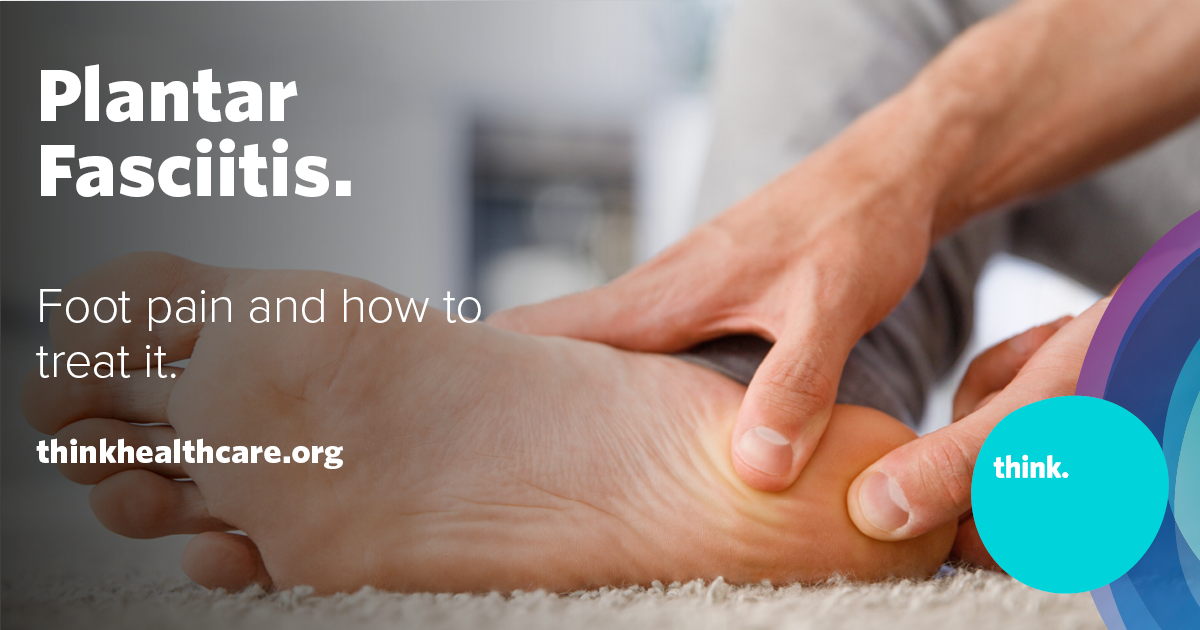
Plantar fasciitis-what you need to know.

Plantar Fasciitis

It’s safe to say that you know what it feels like to have foot pain if you spend any time on your feet. For about 75% of the US population, foot pain is common. For some, this persistent pain can become debilitating. Plantar fasciitis is a painful inflammation of the ligament and its attachment to the heel bone. Plantar fasciitis is the most common cause of pain on the bottom of the heel, with approximately 2 million patients treated for this condition every year.

What causes plantar fasciitis?

Plantar fasciitis can be caused by several factors such as:

  • tanding for long periods.
  • Being overweight
  • Wearing non-supportive shoes
  • An increased activity like running or walking
  • Having extremely tight calf muscles
  • Abnormal feet structure-flat feet or higher-than-average arches

Women tend to be diagnosed with plantar fasciitis more often than men.

There is a lot to learn about this common condition. The most common explanation of what causes this painful affliction is when the fascia (connective tissue) that ties your heal to your toes becomes inflamed through repeated micro-tears. This repeated ‘trauma’ eventually causes inflammation and pain.

Common symptoms of plantar fasciitis.

The early stages of plantar fasciitis begin with mild pain the heal. Heel pain will feel deep as if your heal bone was bruised. It is often referred to as a stone bruise. Over time, the pain does not subside and will become worse and more persistent. In more advanced stages, people experience stabbing pain in their heal. It’s more prominent when they stand for long periods or when you stand after sitting.

Over time, people with plantar fasciitis will change their walking patterns or body mechanics to avoid pain which results in joint, hip, and back problems.

Treatment for plantar fasciitis

Over 90% of heel pain cases improve and do not require surgery with proper treatment and management. Studies have shown that delaying treatment can adversely affect outcomes and prolong treatment.

Some common and effective treatments include:

Stretching-There are easy-to-master stretching exercises you can do to help relieve tightness in the fascia.

Rest-When your plantar fasciitis flares up, rest and avoid putting weight on your foot until the inflammation subsides.

Ice-Using ice packs for 10-20 minutes, 3-4 times per day, can help reduce inflammation.

Medication-Anti-inflammatory medications can help relieve inflammation and pain. Consult your physician or clinical pharmacist on which over-the-counter medication is suitable for you.

Use of therapeutic insoles-You may benefit from using an insole that will provide more support. There are many types of support insoles available on the market. Consult with your podiatrist to determine which is right for you.

Medications-There are topical creams to help with pain and inflammation and over-the-counter pain relievers. Cortisone injections have proven to treat the inflammation of plantar fasciitis effectively. Ask your podiatrist, physician, or clinical pharmacist to determine the correct medication for you.

Surgery-If the less evasive treatments prove unsuccessful, you may require surgical intervention. Two common interventions are fascia release—cutting a portion of the fascia to relieve tension; or gastrocnemius recession, which lengthen your calf muscle relieving the strain on the plantar fascia.

Final thoughts about foot pain.

Foot pain can be debilitating and will affect 75% of the US population at one time or another. It can affect a person’s independence and sense of confidence, not to mention it’s incredibly painful! You don’t have to live with foot pain. Please talk with your Primary Care physician or make an appointment to see our resident podiatrists and have your feet checked for plantar fasciitis. With proper diagnosis and treatment, you can be back on your feet in no time!

Recognizing Hidden Hearing Loss

hearing loss

Progressive hearing loss can be so subtle you may not even know you are experiencing it.

Approximately 30 million people in the United States have some hearing loss in both ears, and 25% of people between the ages of 65 – 74 have a disabling hearing loss. Determining whether or not you need hearing aids or amplification can be difficult. 

Reasons people may not know their hearing has diminished.

Many people lose their hearing slowly over time and may not notice their hearing has diminished. Humans are amazing creatures and can adapt to almost anything. People often compensate for slight hearing loss in many ways. People with diminished hearing often pretend they hear an entire conversation but only catch enough context to go undetected. 

For other folks, acknowledging changes in their hearing can cause people to think they are less than or “broken,” creating more of a desire to ignore their condition. 

The social stigma of hearing loss has lessened over the years as hearing amplification equipment has become more sophisticated and discrete. But for many older Americans still carry that stigma that places them in a lower social class. This mental dissonance can increase the subconscious to deny any problems they may experience regarding their hearing. 

How do I know I may have a loss of hearing?

If you are like the 30 million Americans living with some level of hearing loss, you probably have grown to accept it or just gotten accustomed to hearing a portion of what’s going on around you.

Here are five simple questions you can ask to determine if you are experiencing hearing loss and may need some amplification device.

Do people seem to mumble or speak in a softer voice than they used to?

Often as we age, our hearing will diminish. We slowly adapt to the changes, but eventually, the loss of hearing can’t go unnoticed. If you find yourself struggling to hear someone or ask people to “speak up” more than others, you may benefit from an audiology examination.

Do you feel tired or irritable after a long conversation?

Let’s face it. Listening to others—especially when you may have some hearing loss, is hard work. It can be quite a drain on someone’s energy and patience. If you feel frustrated, irritable, or physically tired after a conversation, please schedule an appointment to have your hearing assessed.

When in a large group or a crowded environment, is it difficult to follow the conversation?

Ambient noise from crowds is already challenging for those with good hearing. As an individual with diminished hearing, following a conversation in a crowd is nearly impossible for someone with hearing loss. If you struggle with following a conversation or needing to focus on the person’s mouth while they are speaking, you may benefit from hearing amplification.

Has someone mentioned that the tv or radio is much louder than it used to be?

Others that don’t watch television with you regularly may notice the volume is high, whereas you are used to the level. Hearing amplification can help with not only clarity but the need to turn up your television’s volume.

Has a family member or friend suggested you may have a hearing loss?

Loved ones don’t like to bring up difficult topics. Hearing loss doesn’t have to be one. If your family member or loved one casually jokes about your hearing or sincerely brings the topic up, listen to them and seek a consultation. In many cases, you can enhance your hearing with minimal intervention.

How can you be proactive with hearing loss?

Here are three things you can do to proactively care for your hearing:

  • The American Academy of Audiology recommends a baseline hearing test for those who are 50 and older. 
  • Try to avoid loud noises. If you cannot avoid loud sounds, wear protective equipment. 
  • See your think Primary Care provider regularly. We recommend annual physicals regardless of age. If you need a provider, visit our Meet Your Doctor section.

I think I have hearing loss. Now what?

If you or a loved one thinks they have hearing loss, schedule an appointment with your Primary Care physician, who can refer you to an audiologist. Your doctor can assist with referring you to a specialist like ENT Consultants/Omaha Hearing Aids who can see you right in the Think Whole Person Healthcare building. Or call ENT Consultants/Omaha Hearing Aids at 402.778.5250 to schedule an appointment. 

Ear, Nose and Throat Specialists, and Audiology at think.

Ear, Nose and Throat Specialists, and Audiology at think.

Think Whole Person Healthcare now offers ENT and Audiology Services.

Ear, Nose and Throat Consultants, LLC, began holding clinic hours at Think Whole Person Healthcare beginning November 1, 2021. Dr. Stanley Schack, MD, Otolaryngologist, and Dr. Linda Herout, AuD, Audiologist, are excited to be seeing patients at 7100 West Center Road.

About Dr. Schack.

Dr. Stanley Schack is a Board Certified Otolaryngologist and the former President of the Nebraska Medicine Medical staff. Dr. Schack helped to pioneer Endoscopic Sinus Surgery in Omaha. For more than thirty years, Dr. Schack has treated general ENT conditions for all ages. To schedule an appointment with Dr. Schack, call Ear Nose and Throat Consultants, LLC at 402.778.5250.

About Dr. Herout.

Dr. Linda Herout holds a Doctoral degree in Audiology from the University of Northern Colorado. Dr. Herout has a passion for helping people hear better. She has extensive experience with hearing aids, cochlear implants, and balance testing. To schedule a hearing exam with Dr. Herout, call Ear Nose and Throat Consultants, LLC at 402.778.5250.

About Ear Nose and Throat Consultants, LLC

Drs. Schack and Simons founded Ear Nose and Throat Consultants, LLC with the vision to provide the best ENT services in the Omaha area. Their clinic grew with the addition of Drs. Moran-Hansen and Espelund, and PA-C Beki Garrett. Their practice includes audiologists Drs. Bringewatt and Herout. The doctors at Ear Nose and Throat Consultants, LLC see patients at seven locations throughout Omaha, Blair, Council Bluffs, and Harlan, IA. 

Visit their website to learn more about their services.

Six Steps You Can Take to Avoid Falling

An older man relaxes on a park bench, hands behind his head, with text: Avoid falling this fall. Have confidence in your gait again. thinkhealthcare.org. A cane rests by his side.

As we get older, obstacles that once seemed innocent can become dangerous. Here are six simple steps you can take to avoid falling.

  1. Get your annual wellness visit. Making sure your physician knows your health and risks is important.
  2. Make sure your house is free of tripping hazards. Even a corner of a table or a change in flooring can throw your balance off.
  3. If you have dizzy spells or feel unstable — schedule an appointment to see your doctor!
  4. Get your eyes checked. The American Academy of Ophthalmology recommends people over 65 get annual eye exams. 
  5. If you do fall, schedule an appointment with your doctor to get checked out. There could be damage to your body you aren’t aware of that can cause future falls and more injury.
  6. Enroll in our Fall Class. Call 402.506.9050.

How to Recognize and Avoid Fall Risks

Close-up of an older adults hand gripping a wooden cane. Text reads: Avoid falling. Recognize potential fall risks. thinkhealthcare.org. Blue circle with think. in the corner.

As we age, our bodies and minds change, which can bring an increased risk of falling. But age does not mean you will be fall prone. There are many ways you can recognize potential risks and take steps to minimize fall risks. Let’s start with identifying the five biggest contributing risk factors.

Gait– If your walking pattern has changed due to limited mobility, sore joints, or loss of feeling in your lower extremities. These changes can impact your fall risk and create dangerous situations.

Medications-Some medications can impair your mobility and response times–especially if you have balance issues.

Vision- As we get older, our vision tends to diminish. With less visual acuity, seeing fall risks, such as tripping dangers, like rugs, changes in elevation, or other hazards aren’t as visible.

Chronic Disease- Some chronic conditions can affect one’s stability, such as Parkinson’s disease and Diabetes.

Fear of Falling- Believe it or not, fearing a fall can cause falls! Having confidence in your gait is just as important as having a steady stride. 

Beginning in October, think Physical Therapy is starting their Fall Classes again! If you are unsteady or want to be proactive and build confidence with walking, call and schedule your assessment today or speak with your Primary Care provider.

Helping You Become Active and Getting Healthier

Older woman in activewear sits cross-legged on a yoga mat in a bright, indoor garden. Text reads: Be active. Moving toward better health. thinkhealthcare.org. Blue circle with think. appears on right.

If you’re like the estimated 83,228,768 Americans who are inactive according to the cdc, you may feel like getting healthier is an unachievable goal. But it doesn’t have to mean spending countless hours sweating at a gym or counting every single calorie you consume. 

Benefits of being active

Being active (or less sedentary) has countless benefits. Standing after sitting for a while can increase blood flow and reduce the risk of forming blood clots. You even burn more calories than when sitting! Standing will also strengthen your leg muscles! Standing can also help to align your spine and stretch out your back.

Get started being active and getting healthier

It all starts with the first couple of steps. Try these simple —yet effective tricks to get your body moving again.

  1. Stop looking for a close parking stall when you are out and about.
  2. Walk to your coffee shop in the morning (if it’s not too far).
  3. Find a friend who will walk with you. Walking buddies help build better relationships while getting some activity.
  4. If you do walk, add an extra block or two to your route.
  5. Make a special beverage to carry with you that’s only for walking, like cucumber water.

If you read these tips and thought this is still too much to take on, you’re okay! There are some easier tips and tricks to getting healthier. Try these four simple yet effective ways to get in some activity.

  1. Stand or try to stand through commercial breaks. 
  2. Everyone in the family chooses a magic word or phrase and every time you hear it on television, raise your arms above your head. As you get more active, choose more common words.
  3. Set a timer for 60 minutes, and when it goes off, walk to your kitchen and get a drink of water. Not only are you getting in steps, but you’re also hydrating!
  4. Set small goals that are very achievable and celebrate them! If you have inactive friends too, you can create a group and support each other’s efforts.

Setting achievable goals for exercise.

When retraining our bodies (and minds) to be active again, it’s important to set realistic goals you can achieve. Once you achieve your goal, celebrate! Acknowledge it was an accomplishment. Then slowly increase your goals. Over a month or two, you may find yourself walking a mile before you could walk to the end of your driveway. 

Keeping the activity going

The most important thing to remember when reactivating your body is that you don’t have to compare yourself to anyone else. Every single goal is an accomplishment. Getting active isn’t about forcing yourself to work out. Getting active is about moving your body a little more than you did the day before. And, if you find yourself not wanting to exercise, go back to standing during commercials or play the magic word game.

A health note about getting active

Before you begin any exercise — especially if you are inactive or sedentary, consult your Primary Care physician or provider first. If you are unsteady on your feet, consider contacting think’s physical therapy department and attending our gait class. Our physical therapists can teach you some effective techniques to stabilize your balance while standing and walking.