



How much is too much alcohol?

A group of people wearing Santa hats cheerfully clink glasses and smile at a holiday gathering. Text overlay reads: How much is too much alcohol? Practical tips for smart alcohol choices this holiday season.

Practical tips for smart alcohol choices this holiday season.

The holiday season is a magical time filled with joy, laughter, and gatherings with family and friends. Whether you’re enjoying a festive party, hosting a cozy get-together, or ringing in the New Year, celebrations often include a toast or two. While indulging in seasonal beverages can add to the festive spirit, it’s essential to stay mindful of how alcohol affects your body and overall health. Striking a balance between celebration and wellness ensures the holidays remain truly joyous.

From eggnog and mulled wine to peppermint martinis and champagne, holiday drinks are as varied as the season’s traditions. These beverages often help set the mood for festivities, but it’s easy to lose track of how quickly multiple drinks can add up—especially when surrounded by loved ones and holiday cheer. According to the Centers for Disease Control and Prevention (CDC), even occasional overindulgence can lead to serious health consequences. Understanding your limits and making informed choices is key to staying healthy and enjoying the season responsibly.

Recognizing Warning Signs of Drinking Too Much

The occasional drink might seem harmless, but overindulging can take a serious toll on your body. Physical symptoms such as dehydration, fatigue, and weight gain are just the beginning. Alcohol dehydrates your skin, leaving it dull and puffy, while disrupting sleep and slowing fat metabolism. Frequent heartburn and, over time, tingling in the hands and feet could also signal your body’s intolerance to excessive drinking.

Being aware of these signs helps you recognize when your drinking habits may be impacting your health. Beyond these immediate effects, regular or heavy alcohol consumption can have long-term consequences, such as lasting impacts on various parts of the body including your:

  • Brain Alcohol interferes with communication pathways, disrupting mood, coordination, and memory.
  • Heart Drinking excessively can increase the risk of high blood pressure, stroke, and irregular heartbeat.
  • Liver Alcohol can lead to conditions such as fatty liver disease, hepatitis, fibrosis, and cirrhosis.
  • Immune System Chronic drinking weakens the immune system, making it harder to fight off illnesses.
  • Cancer Risk Alcohol is associated with an increased risk of certain cancers, including liver, breast, and colorectal cancers.

How to Navigate Holiday Alcohol Choices

You understand the risks of alcohol, but the occasional toast is often part of the holiday season. How should you navigate that? Preparation is key to celebrating responsibly. Here are tips for making smart decisions around holiday alcohol consumption.  

Plan Ahead for Festive Gatherings

Before heading to a party, set a limit for the number of drinks you’ll have and commit to it. Alternating alcoholic beverages with non-alcoholic options, such as water or festive mocktails, keeps you hydrated and reduces alcohol’s effects.

Eating before and during drinking is another smart strategy. Enjoying a balanced meal with protein, healthy fats, and fiber can slow alcohol absorption and reduce its impact on your body. Choose beverages wisely—opt for drinks with lower alcohol content and avoid sugary mixers that add unnecessary calories. 

Understanding standard drink portions can help you moderate your intake and enjoy your favorite seasonal cocktails without overdoing it. The CDC recommends moderate alcohol consumption:

  • One drink or less per day for women 
  • Two drinks or less per day for men

Drinking less is always better for your health, as even moderate consumption carries some risks.

Choose Your Drinks Wisely

Holiday cocktails, mulled wine, and spiked eggnog are staples of the season, but not all beverages are created equal. Here’s how to enjoy responsibly:

Mind the ABV (Alcohol by Volume) Drinks with a lower ABV typically have fewer calories and are easier to moderate. Light beers, wine spritzers, or cocktails mixed with sparkling water are festive yet mindful choices.

Watch the Mixers Sugary mixers like soda, syrups, and creamy bases can pack on extra calories. Instead, opt for soda water with a splash of citrus, herbal infusions like rosemary or mint, or freshly squeezed juice for a natural touch.

Portion Control Remember what constitutes a standard drink:

  • 12 ounces of beer (5% ABV)
  • 5 ounces of wine (12% ABV)
  • 1.5 ounces of distilled spirits (40% ABV)

Understanding portions helps you stay within recommended limits and savor the season without overdoing it. Remember that many mixed drinks or large servings may contain more than one standard drink, so staying mindful is essential. The CDC warns that excessive alcohol use, such as binge drinking (four or more drinks for women or five or more for men in a single occasion), significantly increases the risk of immediate and long-term health issues, including accidents, liver damage, and certain cancers. Choosing to drink less—or not at all—is a powerful way to protect your health during the holidays and beyond.

Concerned you might be overdoing it? The CDC offers this helpful Check Your Drinking Quiz to help you check in on your alcohol use. 

Stay Hydrated Amid the Winter Cheer

Chilly weather may dull your sense of thirst, but hydration remains essential—especially when alcohol is involved. Alcohol acts as a diuretic, increasing dehydration risks, which can lead to headaches, fatigue, and dizziness. Make hydration fun by adding cranberries, orange slices, or cinnamon sticks to your water for a festive twist. Keeping track of your water intake with a holiday-themed water bottle or reminders can ensure you’re staying refreshed throughout the festivities.

Avoid Mixing Alcohol with Other Substances

Combining alcohol with medications or recreational drugs can have dangerous effects. Many prescriptions and over-the-counter medications include warnings against drinking while taking them. If in doubt, consult your healthcare provider before consuming alcohol, and always read medication labels carefully to avoid harmful interactions.

Hosting Responsibly During the Holidays

As a host, you set the tone for your holiday gathering. Thoughtful planning can help create a safe and inclusive environment for all your guests.

Offer a Variety of Drinks

Non-Alcoholic Selections Include sparkling water, mocktails, and flavored teas. Garnish with festive touches like sugared cranberries or sprigs of pine.

Create a Mocktail Bar Provide juices, herbs, and sparkling options so guests can craft their beverages.

Serve Food Generously

Appetizers Cheese boards, charcuterie, and veggie platters are crowd-pleasers that pair well with drinks.

Main Dishes Serve hearty options like roasted turkey, glazed ham, or a vegetarian casserole to keep everyone satisfied.

Sweet Treats Gingerbread cookies, peppermint bark, and fruit tarts make delightful dessert options.

Ensure Safe Rides Home

Encourage Designated Drivers Offer non-alcoholic perks for those staying sober.

Promote Ride Sharing Share information about local cab services or apps.

Provide Overnight Options For guests who’ve had too much to drink, prepare spare rooms or couches for a safe night’s rest.

Remember, a truly fulfilling celebration doesn’t rely on alcohol.

The holidays are about more than what’s in your glass. Focus on meaningful connections, group activities, and creating cherished memories with loved ones. Consider planning alcohol-free gatherings where you can enjoy baking cookies, decorating the tree, or taking a winter hike. Remember, a fulfilling celebration doesn’t rely on alcohol but rather the joy and kindness shared with others.

By making smart alcohol choices and following these tips, you can ensure a safe, healthy, and happy holiday season. Celebrate responsibly, and create lasting memories without compromising your well-being. Cheers to a wonderful holiday season!

THINKQUICK WALK-IN CLINIC AND YOUR THINK PROVIDERS ARE HERE TO HELP.

Your think PCP and our team at ThinkQuick Walk-In Clinic are here to talk about any concerns you may have with alcohol consumption. We encourage you to learn more about underlying health conditions that can increase your risk for illness or injury during the holidays.Think is committed to providing comprehensive, high-quality care at affordable costs. To schedule an appointment or learn more about our comprehensive healthcare services, visit our Services page online and choose your own think medical professionals by visiting our Meet Your Doctor page.

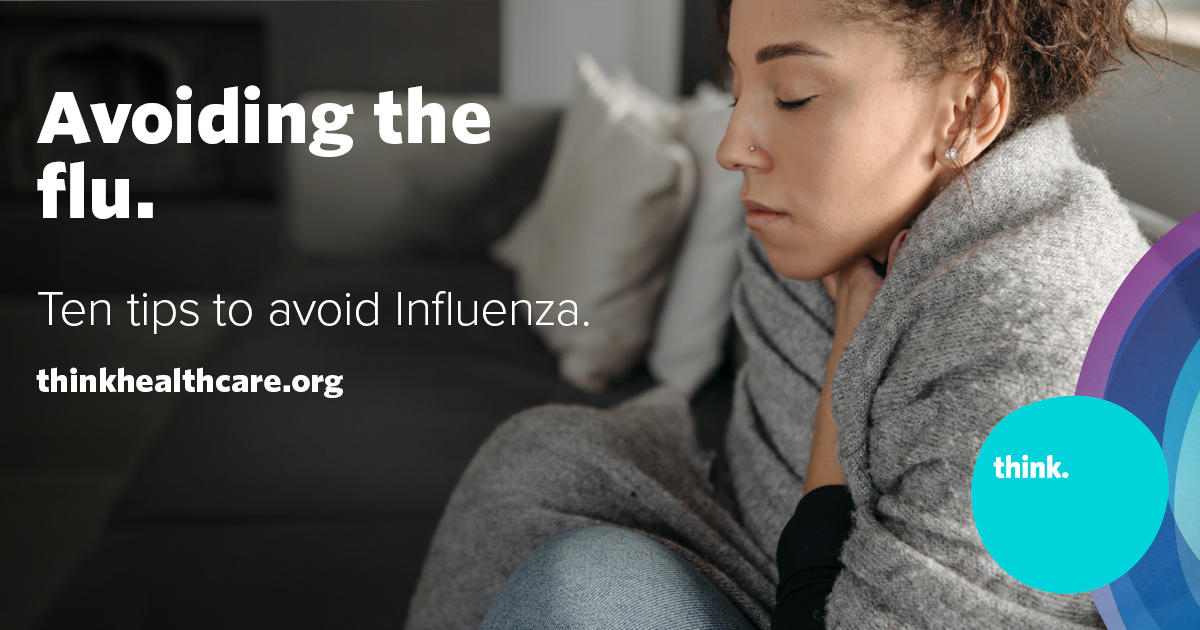
Don’t let cooler weather cool your motivation – practical tips to stay active all season long.

A woman in a black vest and blue long-sleeve top jogs outdoors on a leaf-covered path. Text reads: “Don’t let cooler weather cool your motivation. Practical tips to stay active all season long.”.

From indoor workouts to outdoor adventures, find your fall fitness inspiration.

October is Physical Therapy Month, a timely reminder of how essential movement is to our overall well-being—especially as fall often brings a natural slowdown with cooler temperatures and shorter days. This seasonal shift may make it tempting to stay indoors, but maintaining physical activity is crucial for both physical and mental health. In fact, the CDC and U.S. Department of Health and Human Services recommend that adults aim for at least 150 minutes of moderate-intensity physical activity each week to improve cardiovascular, respiratory, and muscular health and to boost mood and cognitive function. While that goal may sound ambitious, especially with the onset of fall, breaking up your activity into shorter sessions—like 30 minutes, five times a week—can make it more manageable.

But even knowing all the benefits of staying active, many of us face hurdles when it comes to exercise. Here, we explore common obstacles to staying active in the fall, along with tips and ideas for how to work around them. From accessible indoor exercises to clever ways to fit in movement during daily routines, this guide will help you stay motivated and make the most of autumn.

How Fall Activity Supports Immunity and Mental Health

As fall arrives and temperatures drop, it’s natural for our bodies to experience subtle shifts, from metabolism to our immune response. Engaging in regular physical activity can play an essential role in keeping these systems running optimally. Studies suggest that exercise stimulates the immune system, helping ward off common seasonal illnesses like colds and flu, while also improving the circulation of protective white blood cells that help the body fight infections.  Activity also contributes to better sleep quality, which strengthens the immune response.

Staying active can also help counteract seasonal mood changes, such as those associated with shorter days and decreased sunlight exposure. Lower exposure to sunlight can lead to drops in serotonin levels, which may influence mood and motivation. Exercise, however, has been shown to increase serotonin and endorphin levels naturally, offering a protective effect against mood changes and even seasonal affective disorder (SAD). Outdoor activities during daylight hours, like walking or hiking, can provide additional mood-boosting benefits through sunlight exposure and nature interaction, both of which have been associated with lower stress levels and improved mental clarity.

Physical activity impacts metabolic health, helping maintain energy levels by regulating blood sugar and supporting efficient digestion. This metabolic boost can be especially helpful in combating the natural tendency to feel more sluggish or sleepy as days get shorter.

Common Barriers to Staying Active in Fall

Staying active can feel particularly challenging as the weather cools. Here are a few common obstacles that tend to come up—and ways to overcome them:

Pain and Discomfort

Chronic pain or past injuries can make it daunting to maintain regular physical activity. Even if you’re dealing with limited mobility, certain exercises can help improve your strength and stamina. Low-impact exercises like swimming, cycling, or even simple resistance band workouts can be helpful for those with chronic pain or joint issues. Physical therapists, like our team at think, can guide you through safe exercises tailored to your specific needs, helping you find activities that don’t exacerbate your pain.

Time Constraints

Between work, family, and other commitments, many people struggle to find time for exercise. But staying active doesn’t always mean scheduling a full workout. Physical activity can be incorporated into your day in simple ways, such as taking the stairs, stretching while watching TV, or going for short walks during breaks. Making movement part of your daily routine can help you stay consistent, even on the busiest days.

Limited Access to Gyms or Equipment

Not having a gym membership or fancy equipment doesn’t mean you can’t exercise. Many effective workouts require little to no equipment—think bodyweight exercises, yoga, or even using household items as weights. Try filling milk jugs with water for resistance or using a sturdy chair for step-ups. Walking, dancing, and climbing stairs are also excellent ways to stay active without needing any specialized equipment.

Fun Fall Activities to Keep Moving

Fall offers a beautiful setting for exercise, and there are plenty of ways to stay active while enjoying the season’s colors and cool air. Here are a few ideas:

  1. Embrace Walking and Hiking Walking is a low-impact activity that’s easy to fit into any day. If you have a park or trail nearby, fall is the perfect time for a walk or hike. Consider scheduling regular walks with a friend or family member to make it a social activity, too. Don’t forget to layer up and wear proper footwear to stay comfortable as temperatures drop.
  2. Bring the Outdoors In with an Indoor Bike Trainer If you enjoy cycling but find outdoor conditions challenging in colder weather, try an indoor bike trainer. These devices let you use your regular bike indoors, providing a cardio workout that’s safe from the elements. Some indoor cycling apps even let you ride virtual courses, adding a bit of scenery to your exercise routine.
  3. Join Virtual Fitness Classes From yoga to high-intensity interval training (HIIT), there are countless virtual classes available online, many of which are free or low-cost. With so many choices, you can try new types of exercise without leaving your home. Virtual classes are a great option if you prefer to work out in the comfort of your living room.
  4. Use Public Indoor Walking Spaces Many malls, schools, or large indoor venues open their doors for community walking during colder months. Indoor walking is a great option for those who want to avoid slippery or uneven outdoor terrain. Check with local community centers or nearby indoor spaces for accessible walking routes.
  5. Look into SilverSneakers Programs If you’re over 65, you may be eligible for the SilverSneakers program through Medicare, which offers free access to gym facilities. This program includes access to online classes and on-demand workouts, so you can get moving wherever you feel comfortable.

Tips for Building and Maintaining a Fall Fitness Routine

Making activity a habit is key to staying active, especially as the seasons change. Here are some ways to build a sustainable fitness routine this fall:

Schedule Your Workouts Like Appointments

One of the easiest ways to ensure you make time for physical activity is to schedule it into your calendar like any other important appointment. Even short, scheduled sessions—like a 15-minute morning stretch or a lunchtime walk—can keep you on track.

Incorporate Movement into Daily Routines

If time is tight, try adding movement to your daily tasks. Walking your dog, playing with your kids, and even doing housework can count toward your weekly activity goals. Parking farther away or choosing stairs over elevators are simple ways to add a bit more movement.

Layer Up and Stay Safe for Outdoor Workouts

Exercising outdoors in fall can be refreshing, but it’s important to dress in layers to stay warm and visible during shorter daylight hours. When walking or running, look for well-lit paths, and be mindful of fallen leaves, which can be slippery when wet. Aim to exercise during daylight for better visibility and safety.

Use a Fitness Tracker or App for Motivation

A fitness tracker or app can be a motivating tool to help you set goals, track your progress, and celebrate milestones. Many apps also offer virtual challenges, so you can connect with friends or family members and add a social element to your workouts.

Set Realistic Goals and Celebrate Small Wins

Start with achievable goals to build momentum and avoid burnout. Whether it’s walking a certain number of steps per day or completing three workouts a week, celebrate each small success to stay motivated and acknowledge your progress.

Partner with a Physical Therapist

If you’re dealing with pain or recovering from an injury, a physical therapist can help you create a safe, effective exercise plan. They can guide you through exercises tailored to your needs, reducing the risk of injury and helping you stay consistent.

Staying Motivated All Season Long

Fall can be a busy time, but don’t let that be an excuse to skip out on physical activity. Staying active is one of the best ways to support your health, manage stress, and enjoy the seasonal changes. Make a plan, start small, and find activities that you enjoy—whether it’s a brisk walk, an indoor cycling session, or a virtual yoga class.

By overcoming common barriers and finding ways to move that suit your lifestyle, you can make physical activity a consistent part of your life—no matter the season. And if you need personalized guidance, our physical therapy team at Think Whole Person Healthcare is here to support you on your journey to better health.

DISCOVER YOUR BEST PATH TO STAYING ACTIVE WITH OUR PHYSICAL THERAPY TEAM.

This fall, take advantage of the opportunity to consult with our think physical therapy experts to find out what your body needs to stay strong, flexible, and balanced. A seasonal shift doesn’t have to mean a decrease in activity—our team is here to help you keep moving comfortably and safely.

Think Whole Person physical therapists collaborate closely with your doctor and other providers, focusing on reducing pain, enhancing mobility, and supporting faster recovery.
For immediate support with injuries or acute issues, our walk-in clinic is open to everyone, even if you’re new to think or don’t yet have a primary care provider. Explore our whole-person healthcare services and meet our dedicated providers on our website. We’re here to help you move forward with confidence!

Embrace the seasonal shift with a focus on mental wellness.

A person sits alone on a park bench in autumn, looking away. Text reads: “Embrace the seasonal shift, focus on mental wellness” and encourages managing Seasonal Affective Disorder and supporting suicide prevention.

Understand how transitioning into fall can impact your mood and discover ways to manage Seasonal Affective Disorder and support suicide prevention efforts.

As the leaves begin to change and the days grow shorter, the transition from summer to fall brings more than just cooler temperatures and pumpkin-spiced everything. For many, the changing seasons can also bring a shift in mood and mental health. While autumn can be a time of reflection and renewal for some, others may find themselves struggling with feelings of sadness, fatigue, or anxiety as daylight decreases and routines change. Understanding how seasonal changes impact mental health is important for recognizing the signs of seasonal depression and taking steps to maintain your mental well-being.

The Connection Between Seasons and Mental Health

The arrival of fall marks a time of transition for both the environment and our internal states. Seasonal changes, particularly the shift from the bright, sunny days of summer to the colder, darker days of fall and winter, can influence mental health in a variety of ways. These changes affect not only our daily routines but also our biological rhythms, hormone levels, and overall mood.

How Seasonal Changes Affect the Body and Mind

With the reduction in daylight, our circadian rhythm—the internal clock that governs our sleep-wake cycle—can be disrupted. This disruption affects not only our sleep but also our mood. Sunlight plays a significant role in regulating the production of serotonin, a neurotransmitter that helps maintain mood balance. Reduced exposure to sunlight can lead to decreased serotonin levels, contributing to feelings of sadness and depression. Simultaneously, the decrease in sunlight leads to an increase in melatonin production, a hormone responsible for regulating sleep, which can result in increased fatigue and sluggishness.

Moreover, the colder weather and shorter days often limit opportunities for outdoor activities and social interactions. This reduction in activity can contribute to feelings of isolation and decreased energy levels. Maintaining healthy habits, such as regular exercise and balanced nutrition, becomes more challenging during this time, further affecting mental health.

While not everyone is affected by seasonal changes, those living in northern regions with long, dark winters may experience more pronounced effects on their mental health. Understanding these impacts can help individuals prepare and manage their mental well-being effectively.

Seasonal Affective Disorder (SAD): Recognizing and Addressing Seasonal Depression

Seasonal Affective Disorder (SAD) is a type of depression that occurs at certain times of the year, most often in the fall and winter months when there is less natural sunlight. While SAD is more commonly associated with winter, it can also occur in the summer months for some individuals. This cyclical pattern of depression is directly linked to the changing seasons and can significantly affect a person’s mental health and daily functioning.

Recognizing the Symptoms of SAD

The symptoms of SAD often begin in the late fall and early winter, as the days grow shorter, and typically resolve in the spring or early summer. Common symptoms of winter-related SAD include:

  • Persistent feelings of sadness or depression
  • Loss of interest in activities once enjoyed
  • Fatigue and low energy levels
  • Difficulty concentrating
  • Changes in sleep patterns, such as sleeping too much
  • Changes in appetite or weight, often craving carbohydrates and gaining weight
  • Feelings of hopelessness, worthlessness, or guilt
  • In severe cases, thoughts of death or suicide

In contrast, individuals who experience SAD during the summer months may notice symptoms such as difficulty sleeping, loss of appetite, weight loss, irritability, and increased anxiety.

It is important to note that SAD is not just “the winter blues” or a case of feeling down because of the weather. It is a diagnosable mental health condition that can have a serious impact on a person’s quality of life. If left untreated, SAD can lead to more severe depression or other mental health disorders.

Causes and Risk Factors for SAD

While the exact cause of SAD is not fully understood, several factors are believed to contribute to its development. As mentioned earlier, reduced exposure to sunlight during the fall and winter months can disrupt the production of serotonin and melatonin, both of which are critical for regulating mood and sleep. Additionally, individuals with a family history of depression or other mood disorders may be at a higher risk for developing SAD.

Living in geographic regions with long, dark winters or frequent overcast weather can also increase the likelihood of experiencing seasonal depression. Women are more likely than men to be diagnosed with SAD, and the condition is most commonly seen in young adults, although it can affect people of all ages.

Treatment Options for Seasonal Affective Disorder

Fortunately, several treatment options are available for individuals struggling with SAD. These treatments focus on regulating the body’s response to seasonal changes and addressing the symptoms of depression. Common treatment approaches include:

  • Light Therapy: One of the cornerstone treatments for SAD is light therapy. This approach involves using a lightbox that mimics natural sunlight, thereby helping to regulate serotonin levels and improve mood. Light therapy is most effective when used for about 20 to 30 minutes each morning. However, it’s crucial to use light therapy under the guidance of a healthcare provider, as overuse can lead to side effects such as insomnia, hyperactivity, or eye strain.
  • Cognitive Behavioral Therapy (CBT): Cognitive Behavioral Therapy (CBT) is an effective psychological treatment for SAD. CBT helps individuals identify and reframe negative thought patterns associated with depression. During therapy, patients work with a therapist to develop coping strategies and engage in activities that improve mood and motivation. CBT often involves multiple sessions throughout the winter months and can be particularly beneficial for those experiencing significant emotional and cognitive challenges related to SAD.
  • Medication Therapy: Selective Serotonin Reuptake Inhibitors (SSRIs) are commonly prescribed for managing symptoms of depression, including those associated with SAD. SSRIs work by increasing the levels of serotonin in the brain, which can help improve mood and alleviate depressive symptoms. It is essential to consult with a psychiatrist, primary care physician, or clinical pharmacist to discuss potential side effects and ensure the medication is suitable for your specific needs.
  • Vitamin Therapy: Vitamin D supplementation can be a helpful addition to managing SAD, particularly if natural sunlight exposure is limited. While it’s best to obtain vitamin D through diet and sunlight, supplements can offer additional support. Foods rich in vitamin D include dairy products, fortified foods, oily fish like salmon and tuna, and eggs. If you choose to take vitamin D supplements, it’s advisable to start them before the decrease in daylight hours and consult with your primary care physician or clinical pharmacist for personalized advice.

Practical Tips for Managing Seasonal Affective Disorder

While there is no cure for SAD, implementing various strategies can significantly improve your quality of life and help manage symptoms effectively. Here are some practical tips:

Stay Connected

Maintaining social connections can be particularly beneficial during the fall and winter months. Spending time with family and friends can provide emotional support and reduce feelings of isolation. Accept invitations to social events even if you’re not feeling your best, and communicate openly about your need for flexibility in case your symptoms fluctuate.

Get Moving

Exercise is a powerful tool for improving mood and overall well-being. Physical activity stimulates the release of endorphins, which can help counteract depressive symptoms. Start with manageable activities, such as a daily walk or using a stationary bike. As you build endurance, consider joining a gym or participating in structured exercise programs to further support your mental health.

Mind Your Diet

Diet can have a direct impact on how you feel both physically and emotionally. Be mindful of your food choices, and try to incorporate a balanced diet that supports your mental health. While it’s common to crave comfort foods during SAD, aim to enjoy these treats in moderation. Focus on incorporating foods rich in vitamin D to support your mood and overall health.

How Shifting Seasons Affect Your Mental Well-being and the Importance of Awareness

As we enter the fall season, it is important to recognize that September is Suicide Prevention Month, a time dedicated to raising awareness about suicide and providing support to those who may be struggling with suicidal thoughts or mental health challenges. The changing seasons, particularly the transition to fall and winter, can increase the risk of depression and suicidal ideation for some individuals, making this month an especially important time to focus on mental health.

Understanding the Link Between Seasonal Changes and Suicide Risk

Research has shown that individuals with mood disorders, including SAD, are at a higher risk for suicide, especially during times of significant change or stress. The onset of seasonal depression in the fall and winter months can exacerbate feelings of hopelessness or despair, making it more difficult for individuals to cope with daily life. Additionally, the isolation that often accompanies shorter days and colder weather can contribute to a sense of loneliness and disconnection from others.

While not everyone who experiences seasonal depression will have suicidal thoughts, it is essential to recognize the warning signs and offer support to those who may be struggling. Some common signs of suicidal ideation include:

  • Talking about wanting to die or expressing feelings of hopelessness
  • Withdrawing from friends, family, or activities
  • Changes in mood, such as increased irritability or sadness
  • Giving away possessions or saying goodbye to loved ones
  • Engaging in risky or self-destructive behaviors
GET IMMEDIATE HELP
If you or someone you know is in immediate distress, it is important to seek help right away. The National Suicide Prevention Lifeline provides free, confidential support 24/7 at 1-800-273-TALK (8255), and the Crisis Text Line can be reached by texting HELLO to 741741.

Taking Action for Mental Health During Suicide Prevention Month

September is Suicide Prevention Month, which is an opportunity for individuals and communities to come together and raise awareness about mental health. Whether through social media campaigns, community events, or simply reaching out to a friend or loved one, small actions can make a significant difference in someone’s life.

Here are a few ways to get involved during Suicide Prevention Month:

  • Share mental health resources and information on social media to help break the stigma around mental health.
  • Volunteer at a local mental health organization or participate in a suicide prevention walk.
  • Educate yourself about the signs of depression and suicide, and learn how to support someone who may be struggling.
  • Encourage open conversations about mental health within your community, workplace, or family.

By working together, we can help reduce the stigma around mental health and ensure that everyone has access to the support they need during difficult times.

Take Care of Your Mental Health as the Seasons Change

As fall arrives and the days grow shorter, we can all be mindful of how seasonal changes may impact our mental health. Whether you experience a mild shift in mood or struggle with more severe seasonal depression, taking proactive steps can make all the difference. Try self-care, reach out for support if needed, and remember that you are not alone in navigating the seasonal shift. Whether it’s through light therapy, cognitive behavioral therapy, or simply spending time outdoors, there are many ways to manage seasonal changes and maintain a positive outlook as the seasons change.

If you or a loved one is struggling with seasonal depression or other mental health challenges, don’t hesitate to reach out to a think provider for guidance. Mental health is just as important as physical health, and taking steps to address it can improve your overall well-being as you move into the cooler months ahead.

CONSIDER THINK YOUR PARTNER IN MENTAL WELLNESS.

If you’re facing symptoms of seasonal depression that impact your daily life, work, school, or relationships, it’s important to reach out for help. At think, starting with a consultation with one of our primary care providers can be an effective first step. Our doctors will listen to your concerns, review your symptoms, and offer a depression screening to determine the best course of action.

Depending on your needs, your primary care physician might prescribe medication, refer you to our licensed mental health professionals for cognitive behavioral therapy, or, in more severe cases, direct you to specialized care. Our team—including physicians, behavioral health therapists, psychiatrists, clinical pharmacists, and pain specialists—works collaboratively to address both the physical and emotional aspects of your health to help you thrive.
To schedule an appointment or learn more about our comprehensive healthcare services, visit our Services page online and choose your own think medical professionals by visiting our Meet Your Doctor page.
Is your pet the secret to better health?

A smiling woman in a park plays with a tall, tan dog standing on its hind legs. The text reads, Is your pet the secret to better health? Explore the science behind the positive impact of pets on whole-person health.

Explore the science behind the positive impact of pets on whole-person health.

Remember the recent news story about Portland International Airport’s Comfort Llamas? These charming llamas, donning “I love PDX” blankets, were stationed at the airport to offer emotional support to travelers grappling with the stress of travel. Their presence brought smiles and relief to many weary passengers, as seen in the joyful reactions captured in the airport’s Instagram footage shared on news feeds around the world. This unique form of comfort highlights how animals can provide a special kind of emotional support, much like the pets we have in our own homes. While there is limited research on the specific health benefits of llamas, the comforting effect of these gentle animals demonstrates the broader, well-documented impact of pets on our well-being.

For millions of people, pets are much more than companions—they’re family. Whether it’s the warm welcome after a long day or the therapeutic presence that helps soothe anxiety, pets have a significant impact on our overall health and wellness. Over 68% of U.S. households report having a pet, according to the American Pet Products Association. But beyond companionship, research has identified health benefits of having pets, from improved heart health to reduced stress and loneliness. Exploring the scientific evidence reveals the important physical, emotional, and social advantages that pets contribute to our lives. 

The Emotional Connection: Pets and Mental Health

Pets are more than just companions; they can serve as a buffer against stress and emotional turmoil. A growing body of research points to the significant mental health benefits of pet ownership. According to the National Institutes of Health (NIH), pets help reduce stress, anxiety, and depression while encouraging a positive mental outlook. Dogs, in particular, are proven to reduce cortisol levels (the stress hormone) while promoting the release of serotonin, which improves mood. Similarly, other pets like cats, guinea pigs, and even fish have shown positive effects in alleviating anxiety and depression.

A recent poll by the American Psychiatric Association (APA) reports that 86% of pet owners believe their animals have a predominantly positive effect on their mental health. Both dog and cat owners report that their pets provide companionship, help reduce stress, and create a calming presence. Moreover, pets can encourage routines that promote emotional stability. Caring for a pet requires regular feeding, walking, and playtime, which can add structure to daily life. This structure provides a sense of purpose and accomplishment, contributing to emotional resilience.

Physical Health Benefits: Heart Health, Exercise, and Longevity

Owning a pet, particularly a dog, can motivate physical activity. Dog owners are more likely to meet recommended physical activity levels, as regular walks encourage exercise. According to a study published by UC Davis, more than 60% of dog owners achieve the recommended 150 minutes of moderate exercise per week. This consistent physical activity reduces the risk of cardiovascular diseases such as heart attack and stroke, while also promoting weight management and reducing the risk of obesity.

Research from the American Heart Association suggests that dog ownership correlates with lower blood pressure, reduced cholesterol levels, and a decreased risk of heart disease. In a controlled study, pet owners were found to have lower resting heart rates and blood pressure compared to those without pets. Moreover, studies indicate that the simple act of petting an animal can increase oxytocin levels, often referred to as the “love hormone,” which enhances mood and lowers stress levels.

Beyond cardiovascular benefits, pets have also been linked to lower mortality rates. A 2019 study published in the journal Circulation showed that dog owners had a 24% reduced risk of all-cause mortality.

Social and Emotional Development in Children

Pets play an important role in the development of social skills in children, particularly those with developmental challenges. Studies have shown that interacting with animals, such as therapy dogs or guinea pigs, helps children with autism and attention deficit hyperactivity disorder (ADHD) improve their social interactions. For example, a study conducted by the NIH found that children with autism spectrum disorder exhibited reduced anxiety and improved social engagement after playing with guinea pigs during supervised playtime.

Pets can also help children learn about empathy, responsibility, and compassion. By caring for an animal, children learn to be sensitive to the needs of others, which can translate into better interpersonal skills and increased emotional intelligence.

Senior Health: Companionship and Healthy Aging

For older adults, the companionship of a pet can significantly reduce feelings of loneliness and depression, which are common in this age group. The National Institute on Aging (NIA) has conducted studies that reveal the positive impact pets have on reducing social isolation in older adults. Seniors who own pets often report higher levels of physical activity, whether it’s from walking a dog or caring for a pet, which can delay the onset of cognitive decline and provide mental stimulation.

In addition, pets offer unconditional love and support, which can be crucial for individuals coping with long-term health issues. A 2020 study from the University of California found that seniors with Alzheimer’s or dementia who interact with pets experience reduced symptoms of distress, increased social engagement, and a higher quality of life.

The Power of Animal Therapy

Beyond the benefits of everyday pet ownership, animals also play critical roles in therapeutic settings. Therapy animals are trained to provide emotional and psychological support in hospitals, schools, and nursing homes. Dogs, in particular, are often used in therapy to help patients manage chronic illnesses like cancer or post-traumatic stress disorder (PTSD). According to research from the NIH Clinical Center, dogs are skilled at providing mindfulness, focusing on the present moment and offering unconditional support during difficult times.

In the classroom, therapy animals help children with ADHD and other developmental disorders improve their concentration and emotional regulation. Studies show that children who read to therapy dogs experience improved social skills and emotional awareness.

Service animals also play a significant role in helping individuals with disabilities navigate their daily lives. Guide dogs assist the visually impaired, while psychiatric service dogs help veterans with PTSD manage anxiety and emotional flashbacks.

Choosing the Right Pet for Your Health and Lifestyle

Pets offer a range of health benefits, but the type of pet that best suits your needs can vary based on your lifestyle and preferences. Here’s a breakdown of how different pets can support your well-being:

Dogs

Dogs are known for their significant physical and social benefits. According to the Centers for Disease Control and Prevention (CDC), dog ownership is associated with increased physical activity, as dog owners typically engage in more exercise through daily walks. This increased activity can help reduce risks for conditions such as high blood pressure and heart disease. Additionally, research highlights that dogs foster social interaction, which can enhance emotional well-being and reduce feelings of loneliness.

Cats

Cats offer a lower-maintenance alternative to dogs, providing substantial emotional support. The Mayo Clinic notes that interacting with cats can increase serotonin levels and decrease stress hormones. Furthermore, the American Academy of Pediatrics suggests that early exposure to cats and other pets may reduce the risk of developing allergies and asthma by strengthening the immune system through early exposure to allergens.

Fish

Aquarium fish can be particularly soothing for mental health. The National Center for Complementary and Integrative Health (NCCIH) reports that observing fish can promote relaxation, lower blood pressure, and reduce stress. Studies also indicate that fish tanks can improve nutritional intake and behavioral symptoms in elderly individuals with conditions like Alzheimer’s disease, due to their calming effect. 

Horses

Horses provide unique psychological benefits and have been used in therapy for various conditions. The American Hippotherapy Association highlights that equine therapy can enhance self-esteem, motivation, and emotional regulation (American Hippotherapy Association, 2022). Horses have been employed in therapy for conditions such as cerebral palsy and autism, demonstrating their role in improving mental health and social skills.

Birds

Birds can offer therapeutic benefits similar to other pets. Observing birds has been linked to relaxation and improved mood. According to the American Birding Association, bird watching can reduce stress and foster a sense of calm (American Birding Association, 2021). Additionally, interacting with birds or maintaining a bird feeder can contribute to a sense of purpose and connection with nature.

Guinea Pigs

Guinea pigs are well-suited for younger children and individuals with specific needs. The American Academy of Pediatrics notes that small pets like guinea pigs can help children develop empathy, responsibility, and social skills. These pets can provide comfort and support, especially for children with developmental challenges.

Snakes and Reptiles

Although less conventional, snakes and other reptiles can be beneficial for some individuals. The National Geographic Society reports that reptiles are low-maintenance and can offer a calming influence due to their quiet nature (National Geographic Society, 2022). Reptiles have also been used in therapy settings to help patients with anxiety and depression, providing a unique form of emotional support.

When choosing a pet, consider how their specific benefits align with your lifestyle and health goals. Each type of pet offers distinct advantages, and selecting the right one can enhance your overall well-being and quality of life.

The Downside: Potential Risks and Responsibilities of Pet Ownership

While the benefits of pet ownership are numerous, there are responsibilities and potential downsides to consider. Pets require consistent care, financial resources, and time, which can be a burden for some individuals. Moreover, people with allergies to pet dander may find that owning a pet exacerbates their symptoms, leading to respiratory issues like asthma.

Additionally, certain pets may pose risks, particularly for young children. The NIH stresses the importance of educating children on how to interact with animals safely to avoid potential harm such as bites or scratches. It’s also important to be aware of hygiene and cleanliness when bringing animals into healthcare settings or homes with vulnerable individuals, as animals can sometimes carry germs that could pose health risks.

The evidence is clear: pets offer a range of physical, emotional, and social benefits. From improving heart health to fostering social connections in children and older adults, the bond between humans and animals is a powerful force for health and well-being. However, it’s essential to recognize the responsibilities that come with pet ownership and to select the right pet for your lifestyle and needs.

As scientists continue to explore the human-animal connection, we are likely to uncover even more ways pets enhance our health and enrich our lives. Whether you’re seeking companionship, a fitness buddy, or emotional support, a pet could be the perfect addition to your life.

CONSIDER THINK YOUR PARTNER IN A COMPREHENSIVE APPROACH TO HEALTH AND HAPPINESS.

At think, we understand the holistic benefits that pets can bring to your health and well-being. Our comprehensive approach to healthcare includes not only medical treatment for your physical health but also support for your mental and emotional well-being. If you need personalized guidance on managing your health, we’re here to help.
To schedule an appointment or learn more about our comprehensive healthcare services, visit our Services page online and explore how our team of medical professionals can support you in achieving a balanced, healthy life. Choose your own think medical professionals by visiting our Meet Your Doctor page to connect with our expert providers who can assist in aligning your health goals with the benefits of a well-rounded lifestyle.

Going West: The Impact of Our First New Clinic.

Exterior of a building with the sign think whole person healthcare and text overlay reading The impact of our new West Omaha clinic. Thoughts on our recent expansion from our CEO, Jason Doll.

Thoughts on our recent expansion from our CEO, Jason Doll.

Last month marked a significant milestone for Think Whole Person Healthcare as we expanded our services to West Omaha by integrating Omaha Family Medicine into our network. This strategic move is part of our ongoing commitment to enhancing patient care and increasing access to high-quality healthcare across the Omaha community.

A New Era for Whole-Person Healthcare 

On August 1st, our new West Omaha clinic, located at 17841 Pierce Plaza, officially opened its doors. Under the leadership of Dr. Charles Stoner, a highly respected physician with decades of experience, the clinic initially offers primary care services, with plans to introduce walk-in services in the near future.

Dr. Stoner and his team joined the think network to leverage enhanced patient resources, reduce administrative burdens, and provide even higher-quality care. What truly drew them to think was our commitment as an Accountable Care Organization (ACO) to keeping patients healthy and out of the hospital—a priority that perfectly aligns with our shared mission to deliver affordable, comprehensive care.

Our expansion into West Omaha reflects think’s dedication to making healthcare more accessible and effective for the community. With the integration of Omaha Family Medicine, we are not only broadening our services but also positioning ourselves to achieve even better patient outcomes.

Recently, we sat down with Jason Doll, our CEO, for an insightful discussion on this expansion. Below are some key takeaways from the conversation.

Inside Think’s West Omaha Expansion

Interviewer: What inspired think to expand its services to West Omaha?

Jason Doll: Our commitment to making high-quality, affordable healthcare accessible across Omaha is a driving force behind our expansion. We believe everyone deserves convenient access to the care they need.  Adding Dr. Charles Stoner’s well-respected practice, Omaha Family Medicine, presented the perfect opportunity to establish a presence in West Omaha and further our mission.

While expansion wasn’t always our primary focus, celebrating our ninth anniversary recently solidified our success in delivering high-quality care at a lower cost and we were ready to bring our model to the wider community. 

A few years ago, I had the pleasure of meeting Dr. Stoner. I’d heard great things about his practice and wanted to connect.  Our conversation revealed a shared passion for preventive medicine and keeping patients out of the hospital. While initially considering having Dr. Stoner join us at our main location, the distance wasn’t ideal for him or his patients.

Over the next two years, we expanded services and optimized our existing facility, and with the support of our Board of Directors, we felt the time was right to establish a satellite clinic. Dr. Stoner’s patient-centered approach and outstanding reputation made Omaha Family Medicine a perfect addition. 

Interviewer: How does the West Omaha clinic align with think‘s overall mission and values?

Jason Doll:  The West Omaha clinic is a natural extension of think‘s commitment to whole-person healthcare. Our focus on providing comprehensive, personalized care aligns perfectly with the needs of the West Omaha community. Dr. Stoner, who will be leading the clinic, is not only an exceptional clinician but also a wonderful person who embodies the values we hold dear at think. We believed that culturally, as well as clinically, this partnership would be a great fit.

When we first started discussing the possibility of Dr. Stoner joining think, he was genuinely impressed with our model. What I often hear from physicians like him is that this is the kind of medicine they dreamed of practicing when they decided to go to medical school—keeping patients healthy, keeping the elderly in their homes, and improving people’s lives. Dr. Stoner recognized the value of our approach right from the beginning.

Interviewer: What sets think apart from other healthcare providers in the area?

Jason Doll: Think’s unique approach to healthcare is anchored in our Accountable Care Organization (ACO) model. This model means we are responsible for the overall health of a specific group of patients, allowing us to deliver personalized care and preventative measures. Our commitment to quality, affordability, and patient-centered care distinguishes us from traditional healthcare providers.

One of our key strengths is our comprehensive in-house services and extensive network of over 45 providers, including 30 in primary care like Dr. Stoner, along with specialists in rheumatology, podiatry, optometry, and behavioral health. These specialties are crucial, particularly for managing chronic conditions like diabetes and preventing hospital admissions linked to behavioral health issues. For instance, podiatry and optometry are vital in diabetic care, while rheumatology helps keep patients off the operating table.

Dr. Stoner’s patients will benefit greatly from this infrastructure. He’s eager to tap into the resources we offer, such as our full-service lab, CT scans, X-rays, and a soon-to-be-added second mammogram machine. These are services that many facilities struggle to provide without long wait times, but we aim to get patients in quickly, often on the same day.

What’s more, as an ACO, we have access to claims data for every payer with whom we have an ACO contract. This allows us to arm our doctors with detailed information on specialists across town, identifying those who are high quality and low cost—or conversely, low quality and high cost. This data helps drive better referral decisions, ensuring patients are directed to the best possible care. Dr. Stoner will soon realize the value of this information, which will likely influence his referral patterns, aligning them with our focus on quality and cost-effectiveness.

Interviewer: It seems the ACO is very important to think. Can you explain what that is for someone who might not be familiar? 

Jason Doll: Absolutely. An ACO, or Accountable Care Organization, is really central to our identity. It shapes everything we do in terms of patient care. In a typical healthcare setting, a patient might call in when they’re sick, make an appointment, see the doctor, and then leave, with the visit billed to insurance. That’s called fee-for-service, and we do that too. But in an ACO, it’s different—we have contracts with payers like the federal government, Blue Cross, United, Aetna, Humana, and others.

These contracts basically say, “You’re responsible for the care of 10,000 of our patients.” Based on those patients’ ages, risks, and comorbidities, the payer might expect to spend, say, $8 million on their care—that covers everything: hospitals, ER visits, medications, specialty and primary care, the works. If we manage to come in under that budget, we share the savings with the payer. But if costs exceed that amount, we have to cover the difference. So, being an ACO comes with financial risk, but it also incentivizes us to provide more efficient, higher-quality care.

So how do we do that? Here at think, we don’t just wait for patients to call us. We surround our doctors with a robust support team—phone staff, billing staff, front desk, and care coordinators. But we go further, surrounding them with clinical pharmacists, nurse care coordinators, and a 24-hour nurse triage team that we handle internally. And we’re in constant contact with our patients.

Take someone like Betty, who might be a 65-year-old diabetic. We want to be proactive in her care, so our nurse care coordinator or clinical pharmacist will call Betty regularly, maybe once a month. They might ask, “How are you doing, Betty?” And if Betty says, “Pretty good, but I’ve noticed I’ve gained a little weight and been feeling tired,” we’ll suggest she come in to see the doctor, maybe do some labs, and adjust her medication if needed. By catching these trends early, we prevent them from becoming serious issues that might land her in the ER or hospital.

The average patient in the U.S. sees their doctor twice a year. At think, our average patient sees their physician four times a year. While that may involve a bit more upfront cost, it’s clear that this approach helps keep patients out of the hospital through regular, proactive care.

Let me give you another statistic: our cost per Medicare patient is 30% lower than the national average. That means we’re keeping our patients out of the hospital at a 30% better rate than the average Medicare patient in the U.S. It’s a testament to the power of our ACO culture and our commitment to patient care.

Interviewer: How does think plan to continue growing and expanding its services in the future?

Jason Doll: When think recruited me four years ago, they had me at hello. I knew about their care model, and had always admired it. It’s the reason we were ranked number two in the country by CMS in 2023. Our mission is to provide the very highest quality care at the lowest cost and to make this the best place to work. And that is what we want to continue to bring to our community.

If you were to ask our 300 employees what part of the mission they identify with, you’d hear a lot about quality from our clinicians. And that’s very important. Others might focus on our culture and this being the best place to work. In large part, though, it’s about driving down the price of healthcare because it’s such a significant need. Our model does this and can change healthcare and truly benefit our community.

To get to your question about expansion, a very wise man once told me, “You can do anything, but you can’t do everything,” and I live by that. Our priority right now is to nail down what we’re doing with Dr. Stoner’s clinic, and likely grow it. If we can prove that our model improves care while driving down healthcare costs for his patients, which I’m 100% confident we will, then I believe we’ll have a continued opportunity for further expansion across Omaha and beyond.

Going West: A Look at Our Recent Expansion

Think‘s expansion to West Omaha marks a significant milestone in our journey to provide comprehensive healthcare to the Omaha community. With the addition of Omaha Family Medicine and the dedication of their team, we’re well-positioned to offer exceptional care and improve the health and well-being of West Omaha residents.

Key Benefits for Patients

  • Increased Accessibility: Our new West Omaha location ensures that residents in the area have easier access to the same high-quality healthcare that think is known for. Whether it’s primary care, lab work, or specialized services, everything patients need is now closer to home.
  • Preventative Care Focus: At think, we believe in keeping patients healthy and out of the hospital. Our emphasis on preventive care means that we’re not just treating illnesses but actively working to prevent them, helping our patients avoid more serious and costly medical issues.
  • Comprehensive Services: Patients at the West Omaha clinic will have access to a broad range of services through the think network, from primary care to specialty services like rheumatology, optometry, and behavioral health. This integrated approach ensures that all aspects of a patient’s health are addressed under one roof.
  • Expert and Compassionate Care: Dr. Charles Stoner and his team bring decades of experience and a deep commitment to patient care. Their dedication, combined with the resources of think, means that patients will receive the best possible care, tailored to their unique needs.
  • Better Health Outcomes: Our ACO model is designed to deliver not just quality care, but also measurable improvements in patient health. By focusing on efficiency and effectiveness, we can reduce healthcare costs and improve outcomes, ensuring that our patients get the best value from their healthcare.

READY TO EXPERIENCE WHOLE-PERSON HEALTHCARE?

Think is committed to providing accessible, high-quality care to our community, and this expansion to West Omaha is another example of this commitment.

Looking for a new primary care physician in West Omaha? Dr. Stoner is now welcoming patients at our new location! Schedule an appointment online at or by phone at 402.991.7000. 

Already a think patient seeking care at our primary location? Explore our wide range of healthcare services by visiting our Services page online.  You can also choose your own think medical professional by visiting our Meet Your Doctor page and scheduling an appointment online or give us a call at 402.506.9000.

Invest in your health with routine preventive care health check-ups.

A man and woman jog along the beach at sunrise with the text, Invest in Your Health. Discover how regular check-ups can save time, money, and potentially your life, promoting general health and wellness.

Discover how regular check-ups can save time, money, and potentially your life.

When we picture our long-term future, we see ourselves healthy, happy, and thriving. To turn that vision into reality, maintaining a strong and resilient body and mind is essential. Preventive care is at the heart of this effort. By regularly checking in on our health through annual physicals and screenings, we can catch potential issues early—saving time, money, and possibly even our lives. This approach aligns with our philosophy of whole-person healthcare, focusing not just on treating symptoms and illnesses, but on maintaining our overall well-being for a long, healthy, and happy life.

The Concept of Preventive Care

Preventive care refers to the measures taken to prevent diseases, rather than treating them once they occur. According to the Centers for Disease Control and Prevention (CDC), preventive care includes services like vaccinations, screenings, and regular check-ups aimed at detecting potential health issues early, before they become serious problems. By staying ahead of potential issues, you can significantly reduce your risk for chronic conditions, such as heart disease, diabetes, and cancer.

In many cases, people delay or skip preventive care because they feel fine or because they are unaware of the importance of regular check-ups. However, many serious conditions, like hypertension or high cholesterol, often develop without noticeable symptoms. Without preventive care, these conditions can go undetected for years, leading to severe complications that could have been avoided with early intervention.

The Importance of Annual Physicals and Routine Screenings

Annual physicals and routine screenings offer a variety of benefits for your long term health. For example, early detection of high blood pressure or elevated cholesterol levels allows you to make lifestyle changes or start medication to prevent serious complications like heart attacks or strokes. Other benefits of these routine check-ups include the ability to effectively manage chronic conditions, prevent future health issues, and even save money in the long run. Let’s learn more. 

Early Detection of Diseases

Early detection is one of the most significant benefits of routine preventive care. For instance, conditions like hypertension are often called “silent killers” because they can develop without noticeable symptoms until severe complications arise. The American Heart Association highlights that routine blood pressure checks can identify hypertension early, enabling timely interventions that can prevent heart disease, stroke, and other complications .

Similarly, routine screenings for cancer, such as mammograms and colonoscopies, can detect cancer at an early stage when treatment is most effective. The American Cancer Society reports that early detection through screenings significantly increases the chances of successful treatment and survival.

Management of Chronic Conditions

For individuals with chronic conditions, routine check-ups are crucial for monitoring and managing their health. Regular visits allow healthcare providers to adjust treatment plans, monitor the effectiveness of medications, and provide lifestyle advice. This ongoing care helps prevent complications, reduce hospitalizations, and improve the quality of life for patients.

For example, diabetes management requires regular monitoring of blood glucose levels, kidney function, and eye health. The American Diabetes Association emphasizes that routine care and follow-up visits are key to preventing complications like neuropathy, retinopathy, and cardiovascular disease.

Prevention of Future Health Problems

Preventive care is not only about addressing current health issues but also about preventing future problems. Vaccinations are a prime example of preventive care that protects individuals from infectious diseases. The CDC’s vaccination schedule is designed to prevent diseases like influenza, measles, and pneumonia, which can have severe health consequences if left unchecked.

In addition to vaccinations, routine check-ups often include lifestyle counseling on diet, exercise, and other health behaviors that can reduce the risk of developing chronic diseases. For instance, a healthcare provider may offer guidance on smoking cessation, weight management, and stress reduction—each of which plays a critical role in preventing heart disease, diabetes, and other chronic conditions.

Financial Considerations

The financial aspect of preventive care cannot be overlooked. Emergency room visits, hospitalizations, and surgeries are costly, often leading to significant financial strain. By investing in regular check-ups and screenings, you can avoid the high costs associated with treating advanced diseases. In fact, preventive care has been shown to reduce the need for emergency medical services, saving not only money but also the stress and time involved in managing a health crisis.

What Does Preventive Healthcare Look Like?

Oftentimes preventive care is covered at your annual physical, but sometimes, it means advanced tests or screening may be required that are tailored to your age, gender, and personal health risks. These can include blood pressure, cholesterol, and diabetes tests, comprehensive metabolic panels, cancer screenings, vaccinations, regular well-child visits, or dental check-ups among others.

Beyond these screenings, preventive care can include counseling and support for lifestyle changes, such as quitting smoking or losing weight. This comprehesnive approach to these regular health check-ups ensures that all aspects of your health, from physical to mental well-being, are being addressed. The goal is to identify potential health issues early and provide the necessary support to prevent serious problems, helping you live a longer, healthier life.

Evidence-Based Recommendations for Preventive Care

Preventive care is supported by extensive research and guidelines from leading health organizations. The U.S. Preventive Services Task Force (USPSTF) provides evidence-based recommendations for various preventive services, including screenings, counseling, and preventive medications. These recommendations are regularly updated based on new research, ensuring that preventive care practices are aligned with the latest scientific evidence.

Screening Recommendations

Screenings are a key component of preventive care, enabling the early detection of diseases. The USPSTF recommends regular screenings for conditions such as:

  • Breast Cancer: Mammography every 1-2 years for women aged 50-74.
  • Colorectal Cancer: Colonoscopy or other screening tests for adults aged 50-75.
  • Cervical Cancer: Pap smear every three years for women aged 21-65.
  • Hypertension: Blood pressure screening for all adults aged 18 and older.
  • Diabetes: Screening for adults aged 35-70 who are overweight or obese.

These screenings are crucial for detecting conditions early when they are most treatable, reducing mortality rates and improving quality of life.

Vaccination Guidelines

Vaccinations are another cornerstone of preventive care. The CDC provides detailed vaccination schedules for children, adolescents, and adults, aimed at preventing a wide range of infectious diseases. Key recommendations include:

  • Influenza Vaccine: Annual vaccination for everyone aged 6 months and older.
  • Pneumococcal Vaccine: For adults aged 65 and older, and for younger adults with certain risk factors.
  • Human Papillomavirus (HPV) Vaccine: For preteens aged 11-12, with catch-up vaccines available for those up to age 26.

Vaccinations not only protect individuals but also contribute to herd immunity, reducing the spread of diseases within the community.

Lifestyle Counseling

Lifestyle counseling is an integral part of preventive care. Healthcare providers offer guidance on various aspects of a healthy lifestyle, including:

  • Diet: Encouraging a balanced diet rich in fruits, vegetables, whole grains, and lean proteins.
  • Physical Activity: Recommending at least 150 minutes of moderate-intensity exercise per week.
  • Smoking Cessation: Providing support and resources for quitting smoking.
  • Alcohol Use: Counseling on the risks of excessive alcohol consumption.

These interventions are vital for preventing chronic diseases such as heart disease, diabetes, and cancer, and they are a key focus of routine check-ups.

Barriers to Preventive Care and How to Overcome Them

Despite the clear benefits of preventive care, many individuals do not receive the recommended services. Several barriers can prevent people from accessing routine check-ups, including cost, lack of awareness, and limited access to healthcare services. 

Cost and Insurance Coverage

Cost is a significant barrier to preventive care, particularly for individuals without insurance or with high-deductible plans. However, many preventive services are covered at no cost under the Affordable Care Act (ACA), including screenings, vaccinations, and counseling services. Medicare also covers many preventive services at little or no cost, making it easier for beneficiaries to stay on top of their health. Health Savings Accounts (HSAs) can also help cover deductibles and other out-of-pocket expenses, reducing the financial burden. By taking advantage of these resources and understanding your insurance benefits, you can prioritize preventive care and avoid the high costs associated with treating advanced diseases. Educating patients about their insurance benefits and the availability of low-cost or free preventive services can help reduce financial barriers.

Neglecting preventive care can have significant financial consequences. Emergency room visits and hospitalizations are not only stressful but also expensive. The average emergency room visit in the United States costs around $2,200, while a three-day hospital stay can cost over $30,000. These costs can quickly add up, especially if you require surgery or long-term care.

Lack of Awareness

Some individuals are unaware of the importance of preventive care or do not know which services they need. Public health campaigns, patient education, and personalized outreach aims to help raise awareness about the benefits of routine check-ups and encourage individuals to take advantage of preventive services.

Limited Access to Healthcare Services

Geographical and logistical challenges can also hinder access to preventive care, particularly in rural areas. Telemedicine, mobile health clinics, and community health programs are effective strategies for expanding access to preventive services, and providers like think are committed to offering these technologies. 

The Right Time to Start Preventive Care

It’s never too early to start focusing on your health. While preventive screenings are often associated with older adults, many conditions, such as high cholesterol and diabetes, can develop in younger people. Establishing a baseline for your health in your 20s can help you catch potential problems early and make necessary adjustments before they become serious.

Preventive care is not one-size-fits-all. Your healthcare provider will consider your unique health history, lifestyle, and risk factors when recommending screenings and tests. This personalized approach ensures that you receive the care you need at the right time.

The Role of Whole-Person Healthcare in Preventive Care

Whole-person healthcare is about more than just treating diseases; it’s about caring for the entire person—body, mind, and spirit – and preventive care is a fundamental component of this approach. By focusing on prevention, we aim to help you maintain not just physical health, but overall well-being. We believe that preventive care is most effective when it addresses the entire spectrum of an individual’s health, not just isolated symptoms or conditions.

When you come in for a routine preventive check-up at think, we evaluate your overall health, including diet, exercise, sleep patterns, and mental well-being. This comprehensive approach allows us to provide personalized recommendations that can help you maintain your health and avoid potential problems down the road.

For those with chronic conditions, think’s Care Management system offers additional support. Our Chronic Care Management (CCM), Care Coordination, and Clinical Pharmacy services ensure that you receive continuous care tailored to your needs. Additionally, our Remote Patient Management (RPM) program allows us to monitor your health between visits using digital tools that track vital signs, blood sugar, and more.

A Small Investment in Your Health with Lasting Benefits

Preventive care is a small investment that yields significant returns. By committing to routine health check-ups, you can prevent many chronic diseases, reduce healthcare costs, and enhance your overall well-being. At think, we provide comprehensive preventive care that supports your long-term health goals.

Whether you’re young and healthy or managing chronic conditions, preventive care is essential for everyone. By taking control of your health today, you can ensure a healthier, more vibrant future.

LEARN MORE ABOUT PREVENTIVE CARE BY SPEAKING WITH YOUR THINK PROVIDER.

Think makes it easy to receive both preventive care and treatment for a wide range of health conditions. Our physicians, advanced practice providers and specialists are committed to you and your family’s lifelong health and well-being. Our walk-in clinic treats anyone, even those who are not a think patient or do not have a primary care provider currently. To learn more about our comprehensive healthcare services, visit our Services page online and choose your own think medical professionals by visiting our Meet Your Doctor page. 
5 Tips for finishing the summer strong with healthy habits.

A man paddleboarding on a lake, surrounded by trees, with text overlay: 5 Tips for healthy summer habits. Stay healthy and happy this summer by following these five tips.

Stay healthy and happy this summer by following these five tips.

It’s hard to believe it’s already August! But with kids going to back to school and pumpkin spice lattes right around the corner, we know that one of our favorite seasons will eventually be winding down. Right now, though, the longer days, hotter temperatures, and outdoor activities are still in full swing. So how can we make the most of it? Here are five quick tips to help you ensure a safe, healthy, and strong end to your summer:

Tip 1: Protect your skin while enjoying the sun.

Embrace sun protection for a healthier and safe summer.

The summer sun has been providing us with essential vitamin D, but excessive exposure can lead to sunburn, premature aging, and even increase the risk of skin cancer. And with the Centers for Disease Control and Prevention (CDC) identifies skin cancer as the most common form of cancer in the United States, we need to continue protecting our skin. 

But how? First off, sunscreen is your best friend. Choose a broad-spectrum sunscreen with an SPF of 30 or higher. Broad-spectrum sunscreens shield your skin from both UVA and UVB rays. UVA rays penetrate deep into the skin, contributing to wrinkles and age spots, while UVB rays are the primary cause of sunburn.

Here are some other sun protection tips to continue your healthy summer:

  • Seek shade, especially during peak sun hours (10 am to 4 pm).
  • Wear protective clothing, such as long-sleeved shirts, pants, and wide-brimmed hats.
  • Reapply sunscreen every two hours, or more often if swimming or sweating.
  • Don’t forget to protect your lips with a lip balm containing SPF.

By following these practices, you can enjoy the outdoors while safeguarding your skin’s health.

Tip 2: Drink plenty of water.

Stay hydrated to quench your thirst for summer wellness.

As the summer heat rises, so does our need for hydration. Water is essential for regulating body temperature, transporting nutrients, and keeping our organs functioning properly. Even mild dehydration can lead to headaches, fatigue, and difficulty concentrating.

The National Academies of Sciences, Engineering, and Medicine (NASEM) recommends a daily fluid intake of about 15.5 cups (3.7 liters) for men and 11.5 cups (2.7 liters) for women [4]. However, these are general guidelines, and your individual needs may vary depending on factors like activity level and climate.

Here are some signs that you might be dehydrated:

  • Feeling thirsty
  • Dark-colored urine
  • Fatigue
  • Dizziness
  • Headache

To stay hydrated throughout the summer, carry a reusable water bottle with you and sip on it regularly. Consider incorporating hydrating fruits and vegetables like watermelon, cucumber, and celery into your diet.

Tip 3: Get your body moving and stay active.

Activate your summer with fun and fitness activities.

Regular physical activity is crucial for overall health and well-being. Exercise strengthens our muscles and bones, improves cardiovascular health, and boosts our mood. However, staying active during the hot summer months can feel challenging.

The key is to find activities you enjoy and that fit your schedule. Here are some fun and accessible ways to stay active in the summer:

  • Swimming: A refreshing and low-impact activity, swimming is a great way to cool down and get your heart rate up.
  • Biking: Explore your neighborhood or local trails on a bike. Cycling is a fun way to get some exercise and enjoy the outdoors.
  • Hiking: Immerse yourself in nature with a summer hike. Choose trails that offer shade and scenic views.
  • Team sports: Join a summer league for volleyball, basketball, or another team sport.
  • Fitness classes: Participate in outdoor fitness classes like yoga or Zumba in the park.

Hydration Tip: Remember to stay hydrated before, during, and after your summer workouts.

Adjusting Workouts for Hot Weather: During hot and humid days, consider exercising earlier in the morning or later in the evening when temperatures are cooler.

By incorporating enjoyable activities into your routine, you can make staying active a fun and rewarding part of your summer.

Tip 4: Get a good amount of quality sleep.

Recharge your body and mind for a vibrant summer experience.

Summer often brings disruptions to our sleep routines, whether due to late nights spent socializing, early mornings for vacations, or simply the longer daylight hours. However, adequate sleep is essential for maintaining good health and well-being. When we don’t get enough sleep, we experience decreased focus, fatigue, and a weakened immune system.

Here are some tips for maintaining a healthy sleep schedule during the summer:

  • Stick to a consistent sleep schedule, even on weekends. Go to bed and wake up at roughly the same time each day, even if you’re sleeping in on vacation.
  • Create a relaxing bedtime routine. This could include taking a warm bath, reading a book, or practicing light stretches. Avoid screen time for at least an hour before bed, as the blue light emitted from electronic devices can disrupt sleep patterns.
  • Ensure your bedroom is cool, dark, and quiet. Invest in blackout curtains or an eye mask to block out light, and use a fan or air conditioning to create a comfortable sleeping temperature.
  • Limit daytime naps, especially long ones. Short naps (20-30 minutes) can be refreshing, but longer naps can interfere with nighttime sleep.
  • Avoid caffeine and alcohol close to bedtime. These substances can disrupt sleep quality.

By following these tips, you can ensure you’re getting the rest you need to feel energized and enjoy your summer to the fullest.

Tip 5: Take advantage of in season fruits and vegetables.

Nourish your body with fresh, seasonal ingredients. 

Summer offers an abundance of fresh, delicious fruits and vegetables. These seasonal produce items are not only bursting with flavor, but they are also packed with essential vitamins, minerals, and antioxidants that contribute to overall health and well-being.

Here’s why incorporating summer fruits and vegetables into your diet is a must:

  • Hydration: Many summer fruits and vegetables, such as watermelon, cucumber, and celery, have high water content, aiding in hydration during hot weather.
  • Nutrient Powerhouse: Summer produce is rich in various vitamins and minerals, including vitamin C, potassium, and folate, which are crucial for maintaining a healthy immune system and overall well-being [8].
  • Antioxidant Boost: Summer fruits and vegetables are loaded with antioxidants that help protect our cells from damage and may reduce the risk of chronic diseases.

Tips for Selecting and Storing Summer Produce:

  • Buy seasonal: Opt for fruits and vegetables that are in peak season during the summer months. This ensures they are fresh, locally sourced, and often more affordable.
  • Choose vibrant colors: Look for brightly colored fruits and vegetables, as they typically contain higher levels of antioxidants.
  • Shop at farmers markets: Support local farmers and get the freshest possible produce by shopping at farmers markets.
  • Proper storage: Store fruits and vegetables according to their specific needs. Some items, like berries, are best kept in the refrigerator, while others, like tomatoes, last longer at room temperature.

By incorporating a variety of seasonal fruits and vegetables into your meals and snacks, you can take advantage of summer’s bounty and nourish your body with the essential nutrients it needs to thrive.

Additional ways to enjoy your summer safely.

  • Be aware of heat-related illnesses: Heatstroke, heat exhaustion, and heat cramps can occur during hot and humid weather. Familiarize yourself with the signs and symptoms of these conditions and seek medical attention if necessary.
  • Practice food safety: Foodborne illnesses are more common during the summer months due to warmer temperatures. Follow safe food handling practices when grilling, picnicking, or preparing meals outdoors.
  • Protect yourself from insects: Mosquitoes, ticks, and other insects can be a nuisance during the summer. Use insect repellent and wear long clothing when spending time outdoors in areas with high insect activity.

Savor the summer by prioritizing your health.

Summer is a time for relaxation, fun, and unforgettable memories. Consider these tips to make the most of the season while keeping your well-being in mind. Protect your skin from the sun by using sunscreen, seeking shade, and wearing protective clothing. Stay hydrated by drinking plenty of water and enjoying refreshing fruits and vegetables. Get active by finding activities you love, whether it is swimming, biking, or simply taking a walk. Prioritize restful sleep by maintaining a consistent sleep schedule and creating a calming bedtime routine. Lastly, savor the season’s fresh produce to nourish your body. Combining these habits into your routine can enhance your overall health and help you fully enjoy all that summer offers.

MAKE THE MOST OF YOUR SEASONAL HEALTH BY SPEAKING WITH YOUR PRIMARY CARE PROVIDER

Think makes it easy to receive both preventative care and treatment as you soak up the last rays of summer. From skin protection to staying hydrated, our wide range of primary care providers and specialists are here for you this season and year-round.  
Our walk-in clinic treats anyone, even those who are not a current think patient or do not have a primary care provider. To learn more about our whole-person healthcare services, visit our Services page online and choose your own think medical professionals by visiting our Meet Your Doctor page.
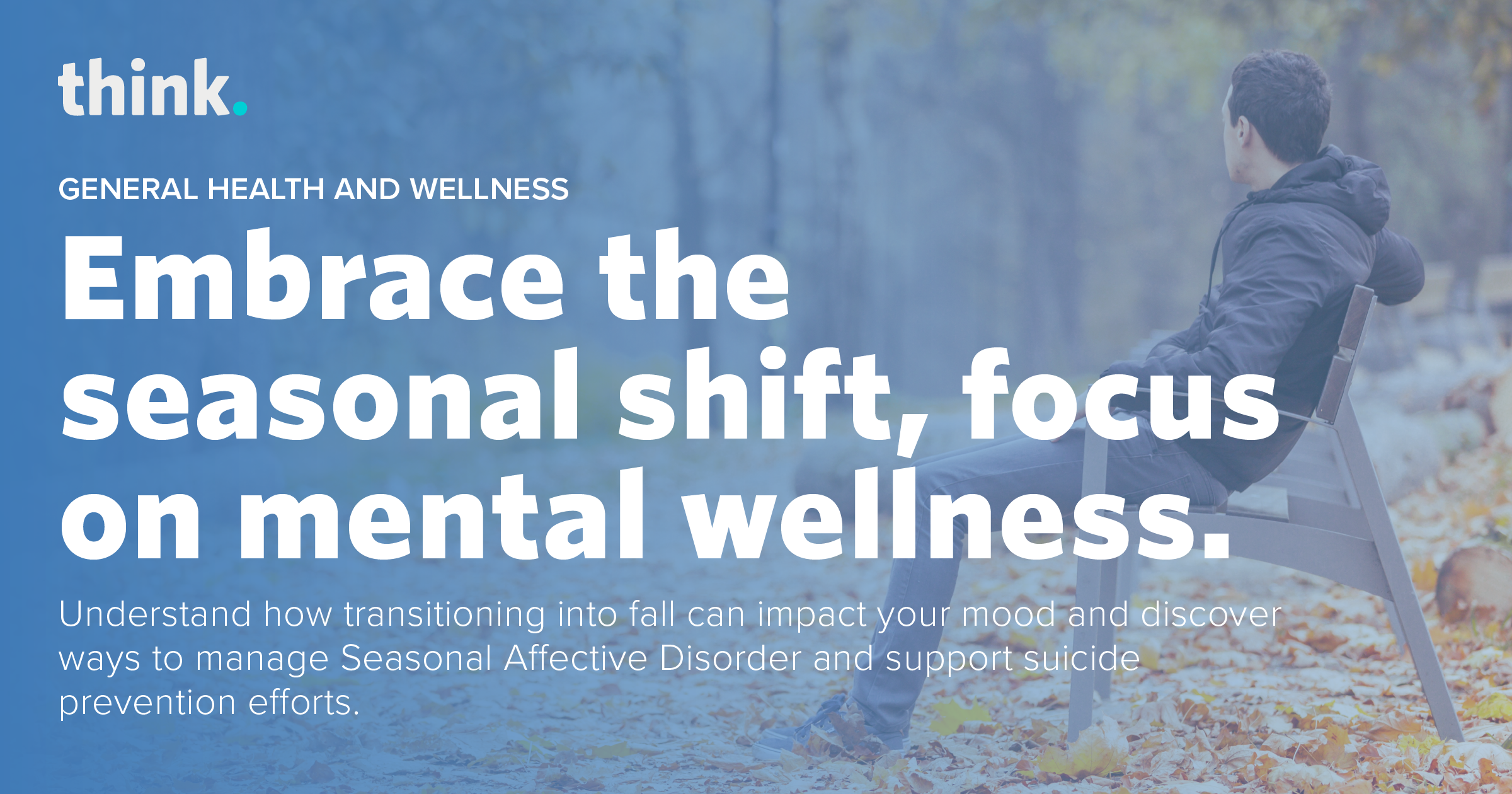
Hazy Skies Over Omaha

A suburban neighborhood with hazy skies. White text: Hazy Skies Over Omaha. What does this mean for your health during wildfires? and a website link: thinkhealthcare.org. A blue circle says, think..

What does this mean for your health during wildfires?

Over the past week, residents of the Omaha Metro area have likely noticed hazy skies. This hazy phenomenon is a direct result of wildfires currently burning in Canada. The smoke particles from these fires have traveled a significant distance, reducing air quality in Omaha and the parts of the Midwest from moderate levels to unhealthy for sensitive groups. 

Monday we saw levels of 109AQI US levels. What does this mean? For most people it means generally healthy conditions. However, for some people with lung disease, heart disease, and older adults, they may experience mild to moderate symptoms such as coughing, wheezing, shortness of breath, and unusual fatigue.

Lets better understand the air quality basics, how it is measured (including the Air Quality Index or AQI), and what the smoke index signifies.

How is the Air Quality Index or AQI measured?

The Air Quality Index (AQI) is a measurement system that simplifies complex air quality data into an easy-to-understand number. Here’s a breakdown of how it’s calculated:

Monitoring Pollutants: Government agencies and environmental organizations set up air quality monitoring stations throughout the country. These stations measure the concentration of various air pollutants, including Ozone (O3), Particulate Matter (PM2.5 and PM10), Nitrogen Dioxide (NO2), Sulfur Dioxide (SO2), and Carbon Monoxide (CO)

Converting Concentrations to Sub-Indexes: Each pollutant has its own established national ambient air quality standard (NAAQS) set by the EPA. The measured concentration of each pollutant is then compared to its corresponding NAAQS. This comparison results in a sub-index score for each pollutant.

Choosing the Highest Sub-Index: The AQI reported for a specific location is based on the highest sub-index score among all measured pollutants. This ensures the AQI reflects the pollutant posing the greatest potential health risk at that time.

What is the Air Quality Index Scoring Scale?

Excellent: 0 – 19The air quality is ideal for most individuals; enjoy your normal outdoor activities.
Fair: 20 – 49The air quality is generally acceptable for most individuals. However, sensitive groups may experience minor to moderate symptoms from long-term exposure.
Poor: 50 – 99The air has reached a high level of pollution and is unhealthy for sensitive groups. Reduce time spent outside if you are feeling symptoms such as difficulty breathing or throat irritation.
Unhealthy: 100 – 149Health effects can be immediately felt by sensitive groups. Healthy individuals may experience difficulty breathing and throat irritation with prolonged exposure. Limit outdoor activity.
Very Unhealthy: 150 – 249Health effects will be immediately felt by sensitive groups and should avoid outdoor activity. Healthy individuals are likely to experience difficulty breathing and throat irritation; consider staying indoors and rescheduling outdoor activities.
Dangerous: 250+Any exposure to the air, even for a few minutes, can lead to serious health effects on everybody. Avoid outdoor activities.

What is the smoke index?

The term “smoke index” isn’t typically used in official air quality measurements like the Air Quality Index (AQI).

Here’s a breakdown of why:

  • Focus on Specific Pollutants: Smoke itself isn’t a directly measured pollutant, but it can contribute to elevated levels of particulate matter (PM2.5).
  • Complexity of Smoke: Smoke is a complex mixture of particles and gases from burning materials. It can vary depending on the type of material burning and the combustion process. A single smoke index wouldn’t effectively capture this complexity.

However, there are ways to understand smoke’s impact on air quality:

  • Particulate Matter (PM2.5): This is the key pollutant to watch when smoke is present. The AQI incorporates PM2.5 measurements, so a high AQI during wildfires often indicates significant smoke in the air.
  • Visibility: Reduced visibility due to haze is a strong indicator of smoke.
  • Real-time Air Quality Data: Websites like AirNow (https://www.airnow.gov/) provide real-time data on PM2.5 and AQI levels in your area. These can help you understand the current smoke impact.

So what does this mean for my health?

What does this mean for our health? We sat down with Lucille Woodard, MD at Think Whole Person Healthcare, to discuss the health implications of the recent smoke exposure.

Interviewer: 

Can you describe the potential health effects of wildfire smoke exposure, particularly for those with pre-existing respiratory conditions or heart problems?

Lucille Woodard, MD:

People who already suffer from lung issues at baseline should not do a lot outdoors with the potential of aggravating the pre-existing conditions, especially folks with asthma, which by nature is hyper-sensitivity. It can certainly worsen their breathing, but also trigger an asthma attack. It’s worth mentioning that when the air quality is poor, you want to limit your exposure time by staying indoors. It’s Spring, and we love fresh breezes, but for folks with true lung disorders, this is not the time to open windows. Also, you want to make sure that your air filters are up to date because they will be working harder to keep things clean and clear, and you are replacing your filters when we have lower air quality.

The same applies to my cardiac patients; they are in the same vein as chronic lung disease. If they have chronic heart disease and we trigger any decrease in oxygenation, we could trigger an exacerbation of heart disease. So the same things apply, take it easy, don’t spend a lot of time outside. 

Suppose you were planning a trip to a higher altitude, first of all. In that case, it should be a serious consideration for anyone with a pre-existing condition. If you are planning a trip to higher altitudes and have a pre-existing condition, it is probably not a wise idea to make that trip during poor air quality levels. It’s going to make it even worse.

The last thing I’m going to say is that some folks develop asthma as adults. If you start to notice, even if you haven’t had a history of asthma, but you are outside having a field day or picnic, and you are starting to notice it’s a little more difficult to breathe, labored breathing, or sneezing, it could be a sign of something going on. 

Interviewer: 

How can people with asthma or allergies manage their symptoms during smoky periods?

Lucille Woodard, MD:

Number one, you want to make sure you have access to up-to-date, non-expired Albuterol inhalers. Albuterol prevents and treats wheezing, difficulty breathing, chest tightness, and coughing caused by lung diseases such as asthma and chronic obstructive pulmonary disease. Anybody with lung disease and a history of asthma who has an inhaler should really make sure it is up-to-date, especially if they haven’t used it in a long time.

It has probably been sitting on the shelf, in their car, exposed to the elements, and now it’s no longer any good, or they just haven’t refilled it in a while; it’s probably good to have an up-to-date inhaler on hand. The last thing you want is to need it, but it’s unavailable. The other is to reduce your exposure to the outside. Now is not the time to open those windows. Also, ensure that all your filters are changed and up to date. 

Interviewer: 

What are some practical tips for protecting children and older adults from smoke exposure?

Lucille Woodard, MD:

We could use an N95 mask if you have to be outside. But really, the key is to reduce that exposure. I don’t care how many masks we wear; the best way is to truly avoid it. So, again, stay indoors. If there is a playtime planned, then switch play to indoors. For adults, it is the same way. If they normally go out for a walk in the mornings for exercise, try to choose an indoor track or the mall to walk indoors for their routine and regular exercise. Again, avoid trips to high-altitude areas during this time.

Interviewer: 

Do you have any advice for people who experience health problems related to smoke exposure?

Lucille Woodard, MD:

So, the hope is that the exposure is temporary. Also, removing yourself from the exposure and having a rescue inhaler is important to treat any acute symptoms. 

For the most part, it will be short-lived unless it reveals an underlying illness. But reducing exposure is really your best bet.

If they’re smoker, reducing the amount of cigarettes and with the eventual goal of stopping is probably one of the best things you can ever do for health overall, but most certainly for lung disease.

Interviewer: 

Anything you would like to add that we have not covered. 

Lucille Woodard, MD:

Please make sure you get your routine vaccination because a cough or cold that comes from a virus on top of poor air quality… for example, you get pneumonia or bronchitis, and now from things that could be prevented or reduced and now add air quality on top of this, now, an average person can be looking at hospitalization, or a prolonged illness and prolonged loss of work and precious time with family and friends. 

So, this is also just a reminder about routine vaccinations. Please make sure that we get them.

To learn more about Dr. Lucille Woodard, MD of Family Medicine, visit her profile here.

WHEN TO TALK TO YOUR PROVIDER ABOUT SMOKE EXPOSURE?

While the current air quality may improve in the coming days, it’s always wise to stay informed about air quality changes. Local news outlets and the AirNow website (https://www.airnow.gov/) are excellent resources for real-time air quality data. If you experience any concerning health symptoms like persistent cough, wheezing, or difficulty breathing, especially if you have a pre-existing respiratory condition, be sure to contact your medical provider for personalized advice. Remember, prioritizing your health is paramount.

To schedule an appointment with your think provider visit your provider page to see if there is a self-scheduling option or contact us at 402.504.9000.

Highest Quality Care at think

Modern healthcare facility lobby with a welcome sign, curved balcony, and a large turquoise think. logo; white text promotes quality care and the website thinkhealthcare.org.

Think Whole Person Healthcare is all about delivering the highest quality care while still maintaining affordability. In fact, think’s primary mission is one of quality. This mission is much more than a philosophy – it is a promise. Here at think, we promise to:  

  • Provide unparalleled patient service
  • Help patients achieve the highest possible quality of life
  • Lower costs by keeping people well
  • Serve as an outstanding team in a world-class workplace 

What is National Healthcare Quality Week?

Given think’s emphasis on quality of care and lowering costs, it should not be a surprise we embrace National Healthcare Quality Week, which is observed October 16 – 22. The week celebrates healthcare professionals for their sacrifices towards ensuring delivery of quality service and recognizes improvements implemented in healthcare facilities over the years. It is also a week to spread awareness of the importance of quality healthcare services and to encourage policies that will facilitate the safety of both patients and healthcare professionals. 

Is think an Accountable Care Organization?

Think Healthcare is an Accountable Care Organization (ACO) because it is a group of physicians and other healthcare providers that have come together voluntarily to provide coordinated, high-quality care to their patients.

The goal of coordinated care is to ensure our patients, especially the chronically ill, get the right care at the right time while avoiding unnecessary duplication of services and preventing medical errors.

Where does think stand as an ACO?

In keeping with think’s promises, as well as the goals of National Healthcare Quality week, think is one of the leading ACOs, locally and nationally. In the greater Omaha area, in particular, think is known for driving down the cost of care while delivering the highest quality. It is no small wonder think was voted best primary care clinic in Omaha by both Omaha Magazine’s Best of Omaha Awards and the Omaha World-Herald’s Omaha’s Choice Awards. 

How does think Raise the Quality Standard? 

Think considers the whole person when providing care. Patients are much more than just a symptom. It starts with the skilled think providers who assess a patient’s needs via physicals, annual wellness visits (AWVs), or as needs/issues arise. From those visits, personalized plans are established to keep the patient well or to get them on the road to recovery quickly (and to maintain their newfound healthy condition). 

Providers not only leverage the knowledge of one another, but all of the specialty services offered in think’s physical location. If a patient needs a COVID-19 booster or a flu shot, they can get it here. If a patient requires physical therapy after a fall or to take a balance class to prevent them from falling, they may not need to go anywhere else. 

What Types of Services are Onsite?

All of the services at think are designed to keep patients healthy, out of the hospital, and so they can enjoy living their best lives. Think provides primary care with family medicine and internal medicine, as well as rheumatology, geriatric care, behavioral health, home care coordination, and clinical pharmacy. 

Additional services are diabetes education, lab services, infusion, optometry and optical center, physical therapy, podiatry, radiology, sports neuropsychology and so much more. There are also opportunities for telemedicine visits, servicing those who want the highest-quality care without having to leave their home. 

Think also offers other specialties serving the whole person needs of our patients including audiology, dermatology, ear, nose and throat, neurology, oncology and hematology, and orthopedics.  

Does think offer Screenings? 

Preventive care such as screening for diabetes, common cancers, and depression, all help our patients to stay ahead of the curve. This is proactive in nature and leads to the patient having lower healthcare costs and higher quality of life in the future.

How about Access to Care? 

Think is not here only from 9 to 5 because patients’ health concerns do not follow typical office hours. Think is here 24/7 with an on-call nurse always available. The clinic has expanded hours, covering 7 am to 6 pm for better access and better quality overall. Additionally, we offer our ThinkQuick walk-in clinic, open 7 am to 8 pm and voted the winner for best walk-in clinic in the Omaha’s Choice Awards.     

Think Whole Person Healthcare is devoted to treating the whole person and delivering the highest quality at the lowest cost possible. Think is conveniently located within the Aksarben area in central Omaha and can often provide same-day appointments. Call 402-506-9000 to book an appointment today or schedule an appointment online. 

Life Doesn’t Have to Be a Headache

A woman holds her forehead in pain. Text reads, Life Doesnt Have to Be a Headache. Avert severe headaches before they even begin. An ad for Botox as a headache treatment.

Manage Debilitating Migraines with Botox®

Surprisingly, Botox is an effective, preventive medication for migraines. Botox can help prevent migraines from starting.  

Simply, Botox has been shown to avert those severe headaches even before they begin. In fact, Botox prevents, on average, eight to nine headache days a month. Imagine cutting your migraine days in half — particularly if you are suffering from 15 or more headache days each month. 

Botox: Number One Prescribed Branded Chronic Migraine Treatment 

Sure, Botox is used as a cosmetic injectable that smooths fine lines and wrinkles across your forehead and around your eyes. However, Botox is also an FDA-approved chronic migraine therapy. Since 2010, well over 600,000 people with chronic migraine have relied on more than 4.2 million Botox treatments.   

What You Can Expect

Each treatment takes about 15 minutes and is repeated every three months. You may see results in as little as four weeks, with full results at week 24 (after your second treatment). You will be evaluated at that time to determine if the treatment has been successful in reducing your headaches, and then can proceed to receive additional treatments as recommended by your provider.  

The treatment itself is made up of 31 small, shallow injections into seven muscle groups in the head and neck areas that may be associated with migraines. Most people say that it feels like a pinprick or little pinches but isn’t truly painful. Since the injections aren’t deep, any discomfort is minimal and should be temporary.  

How Botox Works to Manage Your Migraine Pain

When Botox is applied to targeted muscle groups just below your skin, the medication works on the nerve endings that contribute to your migraine pain. From there, the botulinum toxin (a naturally occurring neurotoxin) blocks the release of chemicals that transmit pain signals to your brain. As a result, the pain networks that usually fire up with the onset of a migraine no longer trigger, so you don’t feel the typical migraine symptoms. 

Eligibility for Treatment

If you have 15 or more headache days each month, with migraine pain that lasts four hours or more, you may suffer from chronic migraines. However, even episodic migraines, with 14 or fewer headache days a month, is too much suffering and too many days to allow migraines to interrupt your life. Make sure to speak to your Think Whole Person Healthcare provider to determine your eligibility for third-party coverage.   

Don’t Wait. Be Proactive in Caring for Your Health

Many people have regretted not receiving Botox treatment earlier as it would have saved them from additional pain and lost days. If you regularly miss fun activities or work because of debilitating migraine symptoms, there’s an effective alternative to taking headache and migraine prescription medications each time you feel a migraine coming on. Discover why Botox may be the best proactive solution to managing your migraine pain. 

Learn more about Botox for migraines by scheduling a consultation today. Think Whole Person Healthcare is devoted to treating the whole person while delivering the highest quality at the lowest cost possible. Call 402-506-9000 to book an appointment today or schedule an appointment online. Think Whole Person Healthcare, conveniently located in central Omaha, can provide same-day appointments.