



Empowering Awareness: A Look at March’s Observances and Think’s Social Work Department

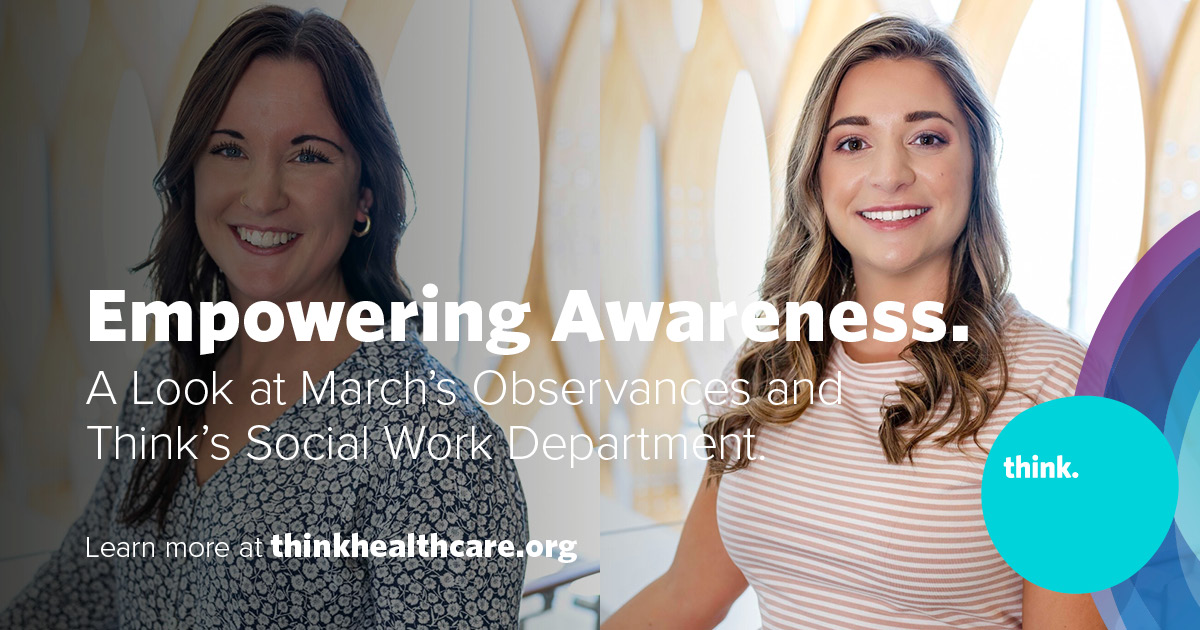
Two women smiling, standing in front of a bright background. Text reads: Empowering Awareness. A Look at Marchs Observances and Thinks Social Work Department. Logo says think..

As March unfolds, it brings with it a series of observances aimed at illuminating critical issues affecting our communities. From Self-Injury Awareness Day on March 1st, highlighting the complexities of deliberate self-harm, to the nationwide initiative of National Drug and Alcohol Facts Week, focused on educating adolescents about substance abuse, this month serves as a platform for awareness and understanding.

March 1st marks Self-Injury Awareness Day, dedicated to raising awareness about deliberate self-inflicted harm, distinct from suicidal intentions. Typically commencing at age 13 and persisting into adulthood, approximately 17% of individuals will engage in self-harm during their lifetime. This observance seeks to foster understanding and empathy, dispelling judgment and fear. Symbolized by an orange ribbon and the imagery of a butterfly, it serves as a beacon of support for those affected.

National Drug and Alcohol Facts Week, a nationwide health initiative, seeks to enlighten adolescents about the ramifications of substance abuse. According to the Youth Risk Behavior Surveillance System surveys (YRBS), approximately 29% of high school students admit to using alcohol, cannabis, or illicit opioids in the past month, with 34% of them acknowledging multiple substance usage. Given the prevalent exposure to substance use among teenagers, whether through peer influence or familial contexts, proactive discussions about addiction risks are crucial during their formative years. Notably, adolescents who engage in social alcohol consumption before turning 21 face heightened susceptibility to substance use disorders, underscoring the significance of imparting awareness regarding the statistical and risk factors associated with underage substance use.

From March 18th to March 22nd, National LGBTQ Health Awareness Week sheds light on ongoing challenges faced by LGBTQ individuals in accessing healthcare services. Despite significant strides, discrimination persists among insurers and medical providers, hindering or denying essential care. LGBTQ individuals often encounter disbelief, assumptions, or dismissal from healthcare providers, amplifying barriers to quality healthcare. This week serves to galvanize the healthcare community towards fostering safe, inclusive, and affirming environments, ensuring equitable access to non-discriminatory healthcare for all LGBTQ individuals.

As March draws to a close, let us carry forward the lessons and insights gleaned from these observances, striving to create a society that values the well-being and dignity of every individual.

Meet Think’s Social Work Department

As we honor Social Work Month this March, we extend our heartfelt appreciation to the invaluable contributions of Think’s Social Work Department. Positioned on the west side’s 6th floor, they play a pivotal role in empowering patients to navigate life’s challenges with resilience and confidence. Through education, counseling, and unwavering advocacy, Think’s social workers ensure that every patient receives the support and care they deserve. Their selfless dedication and commitment to improving lives exemplify Think’s unwavering commitment to holistic healthcare. Join us in expressing gratitude to these remarkable individuals whose tireless efforts make our world a better place, one patient at a time.

LEARN MORE ABOUT SOCIAL WORK AND PREVENTIVE CARE BY SPEAKING WITH YOUR THINK PROVIDER. 

Think Whole Person Healthcare is dedicated to providing comprehensive healthcare services. Visit our Services page and explore our network of healthcare professionals at our Meet Your Doctor page.

Protect Your Vision: Insights for Eye Health

A person holds eyeglasses toward the camera, with Protect your vision. Insights for your eye health. and thinkhealthcare.org text overlayed. A blue circle with think. appears in the lower right corner.

When was the last time you considered your eyesight? Regardless of whether you wear corrective lenses, maintaining good eye health is crucial. Even minor symptoms like itching or watering eyes could signal underlying eye conditions. Let’s explore key aspects of preserving healthy vision.

Understanding Your Eye’s Structure

Your vision involves a complex interaction between your eyes and brain. Essential components such as the cornea, lens, retina, and optic nerve work together to convert light and electrical signals into the visual images you perceive. Several factors, including aging, injuries, infections, and chronic illnesses, can affect your vision. Comprehensive whole-person healthcare includes eye health, as many diseases can be diagnosed, treated, and managed through eye examinations.

Common Eye Conditions and Diseases

Let’s explore some of the most common health conditions and diseases that can impact your vision.

Diabetes

Diabetes, marked by high blood sugar levels, ranks as the primary cause of blindness in the United States. Proper management is crucial for individuals with diabetes to lead fulfilling lives. Neglecting eye care in diabetes management poses significant challenges.

As a blood vessel disease, diabetes profoundly affects the highly vascularized eye. Unlike other organs, the eye provides a unique view of blood vessels directly. Through examinations of the cornea, lens, and retina, healthcare professionals can detect diabetes-related changes. Regular eye exams play a vital role in monitoring overall diabetic health, as manifestations of diabetic retinopathy often parallel changes observed in other organs affected by diabetes.

High Blood Pressure

High blood pressure, or hypertension, is another significant contributor to vision loss. Consistently elevated blood pressure levels can trigger intraocular hemorrhages, potentially damaging the sensitive retina. This impairment in blood vessel function can restrict blood flow to the retina, resulting in blurry vision or complete vision loss. Individuals with diabetes who also suffer from high blood pressure face an elevated risk of developing retinopathy, underscoring the importance of blood pressure management in safeguarding eye health.

Furthermore, hypertension can lead to the accumulation of fluid under the retina, known as choroidopathy, causing visual distortion and possible scarring. Optic neuropathy, resulting from blocked blood flow to the optic nerve, can also occur, leading to temporary or permanent sight loss. Regular monitoring of both blood pressure and cholesterol through routine preventive care plays a crucial role in maintaining optimal eye health.

Glaucoma

Glaucoma encompasses a range of eye conditions that cause damage to the optic nerve located at the back of the eye. Initially, glaucoma often progresses silently, displaying no noticeable symptoms. However, over time, individuals affected by glaucoma may experience an elevation in internal eye pressure, leading to the gradual loss of peripheral (side) vision. Left untreated, glaucoma can ultimately result in blindness. Its prevalence tends to increase with age, and certain medications can exacerbate eye pressure.

Early detection and intervention are paramount in managing glaucoma effectively. While the condition becomes more challenging to control in its advanced stages, treatment is considerably more successful in its early phases. A comprehensive dilated eye examination allows for the assessment of glaucoma by measuring intraocular pressure and evaluating the health of the optic nerve.

Cataracts

A cataract manifests as a cloudy region within the lens of the eye, responsible for focusing light onto the retina. Typically associated with aging, cataracts are prevalent among older individuals. However, they can develop earlier in life due to various factors. Initially, cataracts may go unnoticed, but as they progress, they can cause vision to become hazy, blurred, and less vibrant. Additionally, individuals may experience difficulties with night vision and perceive halos around lights. If left unaddressed, cataracts can ultimately lead to vision impairment. Fortunately, cataract surgery is a safe and highly effective treatment option.

Dry Eye

The cornea, situated at the front of your eye, is a transparent structure devoid of blood vessels. Hence, tears play a crucial role in nourishing the corneal tissue and facilitating the transmission of oxygen, akin to how blood sustains other bodily tissues. Insufficient tear production or inadequate tear function can lead to ocular discomfort and various complications.

Dry eye syndrome may result in eye and eyelid infections, as well as blurry vision. In cases of chronic dry eye, an inflammatory condition of the eye often necessitates treatment with steroids. Individuals aged 50 and above, contact lens wearers, and females are at a higher risk of developing dry eye.

Crying for Relief

Experiencing burning, itching, or redness in your eyes, especially upon waking, could indicate dry eye syndrome. Tears act as vital windshield wipers, ensuring clarity and comfort. Insufficient tear production affects vision and deprives the eyes and eyelids of nutrients and immune support.

Extended screen time reduces blinking, hindering tear production and causing dryness. Taking breaks and blinking more can alleviate strain and replenish tears. Using high-quality lubricating eye drops is crucial while avoiding decongestant products that worsen dryness.

During a comprehensive eye exam, we assess for dry eye and evaluate tear gland function, including production and evaporation rate. For severe cases, medications like Restasis may stimulate tear production. Punctal plugs retain tears, and surgical intervention can prevent excessive tear drainage.

Promoting Better Eye Care

Simple lifestyle changes can significantly impact eye health and prevent future complications:

  • Limit screen time and take regular breaks to rest your eyes.
  • Protect your eyes from environmental factors like wind, smoke, and air conditioning.
  • Wear wraparound sunglasses outdoors to shield your eyes from harmful UV rays.
  • Maintain hydration by using a humidifier, drinking plenty of water
  • Eat a balanced diet rich in vegetables.
  • Stop smoking
  • Prioritize regular eye exams for yourself and your family members, starting from early childhood.

At Think Whole Person Healthcare, our collaborative care system and instant communication are truly effective for diagnosing and treating both systemic diseases impacting the eye and ocular conditions themselves. During an eye examination, if I detect any issues requiring additional attention from another healthcare provider, I can promptly communicate with them within our facility. This streamlined approach ensures optimal patient care in a timely manner. Having spent years in private practice as an eye care professional, I deeply appreciate the comprehensive healthcare provided by all practitioners at Think.

LEARN MORE ABOUT EYE CARE BY SPEAKING WITH YOUR THINK PROVIDER

Think Whole Person Healthcare makes it easy to receive both preventive care and treatment for various health conditions. From thoroughly examining eyes to monitoring blood sugar to setting a broken bone, our physicians, advanced practice providers, and specialists are committed to you and your family’s lifelong health and well-being. Our walk-in clinic treats anyone, even those who are not a think patient or do not have a primary care provider currently. To learn more about our comprehensive healthcare services, visit our Services page online and choose your own think medical professionals by visiting our Meet Your Doctor page.

This article was written by ThinkPress based on “Protecting your Eye Health” by Tim M. Meyer, OD, Optometry. Read that complete article here: https://think-healthcare.local/protecting-your-eye-health/ 

Article Excerpt (55 Word Limit): Learn how to safeguard your vision with Think Whole Person Healthcare’s eye health guide. Understand common conditions like diabetes-related blindness and glaucoma, and discover preventive measures against high blood pressure’s impact on vision. With comprehensive eye care services, you can increase the likelihood of a lifetime of optimal eye health. Visit Think Whole Person Healthcare to learn more about protecting your vision and maintaining overall wellness.

Lemon Garlic Tilapia Recipe

Grilled tilapia fillet garnished with herbs and lemon wedges, served alongside a fresh salad with tomatoes and greens. Text promotes a lemon garlic tilapia recipe and includes a website link for more information.

Lemon Garlic Tilapia Recipe

Looking for a light, flavorful, and fast dish to serve for dinner? Our Lemon Garlic Tilapia recipe is here to save the day! This delicious and healthy meal is perfect for busy weeknights when you need something quick and satisfying. Tilapia is a lean source of protein that is low in calories and saturated fats, making it an excellent choice for those looking to maintain a healthy heart and manage their weight. The addition of fresh lemon juice not only adds a burst of citrusy flavor but also provides a dose of vitamin C, which is essential for supporting a strong immune system and overall well-being. Garlic, known for its numerous health benefits, adds a flavorful kick to the dish while offering anti-inflammatory and antimicrobial properties. By incorporating tilapia into your diet, you’re making a smart choice for heart health and overall wellness.

For a complete and balanced meal, consider pairing this delicious fish with nutritious sides like steamed broccoli, brown rice, quinoa, or a mixed green salad tossed with a light vinaigrette. These options will complement the flavors of the tilapia while adding an extra boost of vitamins, minerals, and fiber to your plate. So why not treat yourself to a nutritious and delicious meal tonight? Bon appétit!

Prep Time
10 mins
Cook Time
30 mins
Total Time
40 mins

Servings: 4

Ingredients

  • 4 Tilapia fillets
  • 3 Tbsp fresh lemon juice
  • 1 Tbsp butter, melted 
  • 1 clove garlic, finely chopped
  • 1 tsp dried parsley flakes
  • Pepper to taste
  • Non-stick cooking spray

Instructions

  1. Preheat oven to 375 degrees F. Spray a baking dish with non-stick cooking spray.
  2. Rinse tilapia fillets under cool water and pat dry with paper towels.
  3. Place tilapia fillets in the prepared baking dish. Pour lemon juice over the fillets, then drizzle the melted butter on top. Sprinkle with garlic, parsley, and pepper. You can also add slices of lemon on top of the fillets before baking.
  4. Bake in preheated oven until the fish is white and flakes when pulled apart with a fork, about 30 minutes. Depending on the thickness of your fillets, the time may need to be reduced.

Notes

  • You may substitute 1 Tbsp extra virgin olive oil for the melted butter. You may add salt to your level of taste if you prefer.
  • Original recipe and image adapted from AllRecipes.com

Italian Sausage Tortellini Soup Recipe

Two bowls of Italian sausage tortellini soup sit on a wooden surface. Text reads: Italian Sausage Tortellini Soup Recipe. Learn more at thinkhealthcare.org. Blue and purple circular graphics are at the bottom right.

This hearty Italian sausage tortellini soup overflows with flavor and nutrition in every spoonful. Filled with sausage and cheese-stuffed pasta bathed in a savory tomato broth, it makes for a perfectly balanced one-pot meal.

The tortellini provides a protein and complex carb punch along with immune-boosting zinc and B vitamins encased within the dough. Each creamy spoonful delivers antioxidants via the tomatoes and vitamin-rich spinach.

Meanwhile, the aromatic veggies like onion and garlic add not only a depth of flavor but also powerful compounds that aid against inflammation tied to chronic disease. Yet with minimal hands-on prep time required before letting everything simmer together, this soup greatly simplifies healthy eating for hectic weeknights.

Within just 40 minutes, you can be nourishing your family with this nutritious all-in-one dinner brimming with ingredients to support digestive health, heart health, muscular recovery, and beyond. The hearty blend of protein, fiber, vitamins, and minerals makes this flavorful soup a smart way to refuel after extra busy days.

Prep Time
10 mins
Cook Time
30 mins
Total Time
40 mins

Servings: 18

Original recipe by Natasha Bull

Ingredients

  • 48 ounces Italian sausage see note
  • 1.5 medium onion chopped finely
  • 6 sticks celery chopped finely
  • 6 tablespoons flour
  • 9-12 cloves garlic minced
  • 12 cups chicken broth
  • 3 (28 ounce) can diced tomatoes with juices
  • 0.75 teaspoon Italian seasoning
  • 6 generous cups refrigerated cheese tortellini
  • 3 cup heavy/whipping cream
  • 6 cups (packed) fresh baby spinach optional
  • Salt & pepper to taste

Instructions

  1. Add the sausage meat to a large soup pot. Sauté over medium-high heat, stirring occasionally, for 7-10 minutes, or until the sausage is browned all over.
  2. Take the sausage out of the pot and set it aside on a paper towel lined plate. Leave about a tablespoon of the fat in the pot (drain any excess).
  3. Add the onion and celery to the pot and cook for 4-5 minutes.
  4. Add the flour and garlic and cook for a minute, stirring constantly.
  5. Slowly add the chicken broth and stir until the flour has completely dissolved.
  6. Add the canned tomatoes and Italian seasoning to the pot. Also add the sausage back in.
    Increase the heat to high and bring the soup to a gentle boil.
  7. Once it’s boiling, add the tortellini and reduce the heat so it’s gently simmering. Cook for 5 minutes.
  8. Stir in the cream and cook for another 5 minutes.
  9. Stir in the spinach and season with salt & pepper to taste.

Notes

  • For the sausages, anything around the 16 ounce/1 pound ballpark is fine – it doesn’t need to be exact. You can either buy ground sausage meat or, if using whole sausages, take the meat out of the casings.
  • Original recipe by Natasha Bull

Step out of the Darkness

Two people sit together, smiling in a bright space. Text reads: Step out of the Darkness. Raising Awareness and Promoting Healing during Eating Disorder Week. Website and think. logo appear on the right.

Step out of the Darkness

Raising Awareness and Promoting Healing during Eating Disorder Week.

National Eating Disorder Awareness Week is observed during the last week in February to spotlight eating disorders. The purpose of this week is to raise awareness of the resources accessible to those who suffer from this mental illness. Eating disorders affect people of all ages, races, body sizes, and genders.

According to the National Eating Disorders Association, eating disorders are the second most fatal mental illness after opioid addiction. 28.8 million Americans will suffer from an eating disorder at some point in their lives. There is no single cause of an eating disorder. Rather, it is a complex combination of biological, psychological, and sociocultural factors that can converge to set off an individual’s predisposed genetic vulnerability.

Unpacking Complex Conditions: An Inside Look at Common Eating Disorders 

Eating disorders can present themselves in various ways, and there are numerous different types. Some of the more common eating disorders are Anorexia Nervosa, Bulimia Nervosa, Binge-Eating Disorder, and Pica. Anorexia Nervosa is characterized by abnormally low body weight, an intense fear of gaining weight, a distorted perception of weight, and self-induced behaviors toward thinness. Bulimia Nervosa is a serious, potentially life-threatening eating disorder. People with bulimia will secretly eat large amounts of food, which is coupled with the loss of control, overeating, and then purging in an attempt to get rid of the extra calories in an unhealthy way to avoid weight gain. Purging can look different for everyone. Some methods of purging include self-induced vomiting, misuse of laxatives, weight-loss supplements, or excessive exercise and dieting.   

Binge-Eating Disorder is characterized by frequently consuming unusually large amounts of food and feeling unable to stop eating. Other associated behaviors include:

  • Eating very rapidly.
  • Eating past the point of being full.
  • Eating when not hungry.
  • Eating alone.

All of these can lead to feelings of shame and guilt. Lastly, Pica is a disorder that involves compulsively eating items that aren’t food and have no nutritional value or purpose. This disorder can cause complications, which may include toxicity, lead poisoning, intestinal obstruction, or bacterial and parasitic infections.

Recognizing the Subtle Signals

Some warning signs or symptoms of someone suffering from an eating disorder are preoccupation with weight loss, food, calories, and dieting, refusal to eat certain food groups, making excuses to avoid mealtimes, noticeable fluctuations in weight both up and down, fainting/syncope, feeling cold all the time, dry skin and hair, and brittle nails. There are numerous other signs and symptoms, and they vary across each type of eating disorder. However, the chance for recovery increases the earlier an eating disorder is detected, so it is important to be aware of some of the warning signs and symptoms. More signs and symptoms can be found on the National Eating Disorders Association (NEDA) website.

Accessing Support and Treatment Options

Fortunately, eating disorders are a treatable mental illness. Organizations like NEDA are created to provide education, research, and support to those who suffer from eating disorders. There are agencies and therapists that can offer both inpatient or outpatient treatment, depending on the severity of the mental illness. Recovery is possible. If you or a loved one are suffering from an eating disorder or would like more information on treatment and prevention, reach out to your primary care doctor. 

Decoding the Mind and Body’s Stress Signals

Two people sit on a couch talking and smiling. Text reads: Decoding the Mind and Bodys Stress Signals. Discover ways to decode the mind and bodys stress signals. Learn more at thinkhealthcare.org..

Concerns over money and inflation. Global conflicts. Racial tension. Violence. Surveys show high levels of stress across America. Headlines declare “Americans are besieged by stress.” Are you feeling it too?

Stress is all too common in society. It’s important we increase awareness of stress, its effects, and how we can find more peace.

What Is Stress?

Stress involves mental tension or worry over challenging situations. Stress stems from external pressures as well as our own emotions, sometimes without us even realizing it. Most people face varying degrees of stress. We may feel anxious about life events or overthink problems. Communicating with loved ones can also spark stress.

Stress touches Americans of all ages. Children and teens handle school pressures, activities, and self-identity issues. Adults deal with work, relationships, and finances. Seniors manage health concerns, grief over loss, and at times loneliness.

Unresolved past issues often resurface as current stressors. If youth concerns were dismissed, it can be hard regulating emotions as an adult. That distress may now come out as mood swings, aggression, or unhealthy coping mechanisms. Stress builds over time.

Signs of Harmful Stress.

Daily stress is normal, but intense or prolonged tension takes a toll. When consistently irritable and overwhelmed, we’re less able to manage regular duties. Headaches, stomach problems, disordered eating and sleep can arise. Mood issues like anxiety or depression may develop too.

Chronic stress significantly impacts physical and mental health, wearing down immunity defenses. It’s linked with numerous conditions – heart disease, diabetes, arthritis. Prolonged strain also increases tendencies towards alcohol, drugs, and other unhealthy coping habits.

Studies connect childhood adversity with later illness. Stressors like frequent moves, parental separation, or experiencing/witnessing violence can contribute to subsequent chronic conditions. Even difficult but ordinary childhood situations seem tied to higher disease risk down the road.

Managing Stress Well

In her article “Stress Awareness…Because We All Feel It,” Suzanne Piotrowski, LIMHP, NCC discusses basic approaches to managing stress: “When we look at factors that affect our mental health, first we start with self-awareness. How can we be more aware of ourselves and our reactions and emotions? Sometimes we become very out of touch with our emotions or out of touch with our body, sending us signals about stressful things we are facing. 

In addition to raising our self-awareness, we take steps to talk to someone if we need to. If we need to talk through our feelings and circumstances, we get some help from an outside perspective. This may be a spouse, a trusted friend or a professional counselor—someone you feel safe with sharing your true thoughts and emotions. 

Practicing self-care is also how we manage our stress. How are we practicing self-compassion and taking care of ourselves? How are we letting ourselves express emotion over things that are stressing us out or are building up over time? We can be proactive in managing stress by understanding what triggers our reactions. We can learn to be realistic with ourselves when we need a little extra support or need to not push ourselves too much. 

Managing stress well is unique to each person, but baseline mental health and stress self-care includes:

  • Adequate sleep
  • Balanced nutrition
  • Exercise and recreation
  • Social connection
  • Meditation and mindfulness”

At Think Whole Person Healthcare, our integrative model seamlessly addresses both mental and physical health. We help patients minimize stress and live well through counseling, medicine management, and holistic care coordination. Let us guide you to greater enjoyment of life.

Whole Person Healthcare for Stress

At think, whole person healthcare uniquely equips patients to address stress. Our integrative model interconnects care and gives patients easy access to both mental and physical care all in one place. We simplify a process that is often overwhelming when fragmented across multiple providers. Accessing counseling while stressed can be difficult without coordination under one roof. The great thing about think is we have mental health counselors and a psychiatrist available to talk, manage medications and give you the extra support and guidance you may need. Our physicians and other healthcare providers communicate seamlessly with our Behavioral Health team so together we help you live with less stress and more enjoyment. 

NEED MEDICAL CARE? CONSIDER THINK YOUR GO-TO FOR BETTER HEALTH

Think Whole Person Healthcare is dedicated to keeping you healthy through preventative care and treatment for a wide range of medical conditions. From that nagging cough to the mysterious leg pain, our physicians, advanced practice providers and specialists are committed to you and your family’s lifelong health and well-being. 

Our walk-in clinic treats anyone, even those who are not a think patient or do not have a primary care provider currently. To learn more about our comprehensive healthcare services, visit our Services page online and choose your own think medical professionals by visiting our Meet Your Doctor page. 

We help you stay healthy. Give us a call at 402.506.9000.

This article was written by ThinkPress based on “Stress Awareness… Because We All Feel It”by Suzanne Piotrowski, LIMHP, NCC. Read that complete article here: https://think-healthcare.local/stress-awareness-because-we-all-feel-it/#:~:text=Whole%20Person%20Healthcare%20for%20Stress&text=The%20great%20thing%20about%20think,and%20guidance%20you%20may%20need.

Four ways to improve your heart health this year.

A woman chops vegetables in a kitchen. Text reads, Four ways to improve your heart health this year. Learn more at thinkhealthcare.org..

Your heart is a powerful muscle about the size of your closed fist. Its job is to pump the right amount of blood to all parts of your body, ensuring every area gets what it needs. This process is called circulation.

How the normal heart works.

Imagine it like this: your heart is a house with four rooms.

  • The two rooms on the top are called atria (“AY-tree-uh”, when talking about one, it’s called an atrium).  
  • The two rooms on the bottom are called ventricles.

Here’s how it works: the right atrium takes used blood that doesn’t have much oxygen left from your body and moves it to the right ventricle. From there, it’s sent to your lungs to pick up fresh oxygen.

Once the blood is oxygen-rich, it moves into the left atrium and then into the left ventricle. Consider the left ventricle as the main pump that sends this oxygen-rich blood back out to your body to keep you energized and healthy.

For everything to run smoothly, all four rooms of the heart need to work together in a specific order. When your heart is healthy, it’s good at this pumping job and can easily move blood to where it needs to go in your body. Heart failure is a lifelong condition in which the heart muscle can’t pump enough blood to meet the body’s needs for blood and oxygen. Basically, the heart can’t keep up with its workload.

The reality of heart health.

According to the CDC, heart disease is the leading cause of death for men, women, and people of most racial and ethnic groups in the United States. The CDC reported that one person dies every 33 seconds in the U.S. from Cardiovascular disease (CVD). It’s estimated that every year about 805,000 people have heart attacks in the United States alone, and about 200,000 of those people previously had a heart attack. The average age for heart attacks in males is 65.6 years and 72.0 years for females.

What is a heart attack?

The clinical term for a heart attack is myocardial infarction. Heart attacks occur when a portion of the heart muscle is denied oxygen. Arteries supplying the heart become blocked from the buildup of fat deposits and cholesterol, often referred to as “plaque.” If a plaque breaks, clots can quickly form, which blocks blood from reaching the heart muscles, causing a heart attack. Starving the heart muscles of oxygen is called Ischemia. At this point, heart muscle cells are damaged and can die, with irreversible damage beginning within 30 minutes of Ischemia, showing why early detection and immediate evaluation are critically important.

What are the symptoms of a heart attack?

Heart attacks can impact individuals differently. Approximately 1 in 4 people experience little to no symptoms. The common symptoms reported are:

  • Chest pain or tightness in the chest. The pain usually presents in the left or center of the chest and can last for a few minutes. The pain may go away and return. Tightness is akin to pressure on the chest or feeling like you are being squeezed.
  • Discomfort or radiating pain in the shoulder or arm. Radiating pain may present differently for each person. 
  • Shortness of breath. Difficulty inhaling enough to satisfy your need for oxygen.
  • Back, neck, or jaw pain.
  • Weakness, dizziness, vomiting, or fainting. It is more common for women to experience these symptoms. 

If you think you might be having a heart attack, call 911. The sooner you can be diagnosed and treated, the less damage your heart attack may cause. Do not be afraid of a “false alarm;” this is a perfect example of “better safe than sorry.”

What contributes to heart attacks?

For most Americans, our lifestyles support less healthy habits like:

  • Fast food consumption- we are busy, and fast food is convenient – it is also loaded with heavily processed ingredients and an excess of fat and calories.
  • We aren’t active enough- Americans generally live sedentary lives. Between sitting at work and binge-watching Netflix, we may not get the amount of exercise we need.
  • Being overweight- Poor diet and lack of activity can often lead to obesity.
  • Underlying health conditions- The rate of polychronic patients is rising. Polychronic refers to patients with more than three chronic conditions, such as diabetes, CVD, chronic kidney disease, hypertension, etc. Most of these conditions can be well-managed or even prevented by working with your Primary Care Provider.

How do I prevent a heart attack?

Prevention is the best course for ensuring good heart health and changing patterns of behavior lowers your risk for heart disease and heart attack. Medicine is all about risk management, and lifestyle changes reduce your risk of developing poor heart health. Changing patterns of behavior will help you reach this goal. You can choose healthy habits to help prevent heart disease, like:

  1. Choose healthy foods and drinks.
  2. Keep a healthy weight.
  3. Get regular physical activity.
  4. Manage your stress levels.

Choose Healthy food and drink options.

Support your heart health and prevent complications by eating nutritious meals and snacks. Prioritize a diet rich in fresh produce while minimizing processed food intake.

  • Look a bit closer at your diet. Do you eat enough vegetables and fruits? Try substituting fried foods for baked options. Reducing your caloric intake can lead to weight loss and better cholesterol levels overall. Make a habit of reading food labels and learning more about what eat.
  • Try substituting beef once a week for a fish protein that’s rich in omega-3 fatty acids like Salmon, Cod, Tuna, and Trout, etc. If you’re not a fan of fish, omega-3 fatty acids are also present in flaxseed, chia seeds, and fish oil supplements. These fatty acids boost your HDL (the good cholesterol) and can improve your heart health.

Keep a healthy weight.

If you’re carrying extra pounds, your heart has to work harder. This added strain increases the risk of heart disease. It’s like carrying a heavy backpack all the time, putting pressure on your heart and the tubes that carry your blood.

To determine if your weight is in a healthy range, you can calculate your BMI, Body Mass Index here. 

Get regular physical activity.

When sitting for extended periods, get up and stand for a period of time. Perhaps during breaks in the workday or commercials, you can walk around your office or home. Standing for even a brief time can improve circulation and give you most of the benefits of regular daily activity. If you work at a desk, set a reminder to get up and move every hour. 

You don’t have to join a gym to exercise. Your personal exercise program should take into consideration your age, physical ability, and overall health. Discussing an exercise program with your doctor during your physical exam is wise. Your doctor can provide insight to what exercise programs will work best for you. Some examples of exercise programs that may appeal to you are:

  1. Yoga – Yoga is a wonderful low-impact way to build strength, improve flexibility and balance, and get a workout!
  2. Water Aerobics/Exercise – Water exercise is a fun activity that is great for people with limited mobility. The water helps offset weight, making it easier to stand. Also, the water can work as resistance helping to build strength.
  3. Bike riding – Riding a bike is ideal for those that want to get out and adventure. Today electric motor assist bikes like Rad Power Bikes, can help riders of all levels tackle hills and other obstacles that oftentimes deter people from riding bikes. Stationary bikes can afford much of the same benefits without worrying about the weather.
  4. Walking – Walking is easier on your joints as there isn’t as much impact compared to running. Power walking is walking at a brisk pace to elevate one’s heart rate. Weight-bearing exercise like this is also important for bone density and joint health.
  5. Weightlifting – Regardless of your physical condition, lifting weights is a great form of exercise. A word of caution: if you have not lifted before or just starting out, consider hiring a personal trainer. A trainer helps ensure you have the proper technique to avoid injuries and can construct a training program that will yield the best results.

Manage your stress levels.

Stress has a strong influence on multiple health conditions, and acute stress can even trigger a heart attack. But, how does one actually ‘manage’ stress? If you are prone to stress and it seems that it’s a common occurrence in your life, you may want to consider seeking professional help from a behavioral therapist. Therapists can offer help through tools like Cognitive Behavioral Therapy (CBT) that will help you manage stress by re-focusing on less stressful narratives.

Don’t forget…

Prevention is the best course for ensuring good heart health. A good start is to schedule a checkup with your Primary Care Provider or a think physician and seek their advice on your medical and physical limitations to identify which activities may be suitable for you. 

The most important takeaway is that there is still time to care for your health.

If you would like to self-schedule an appointment with one of our select physicians in the self-scheduling program, visit https://phreesia.me/OnlineSchedule.

Need a Primary Care Physician? Visit our Meet Your Doctor page to learn more about our think physicians.

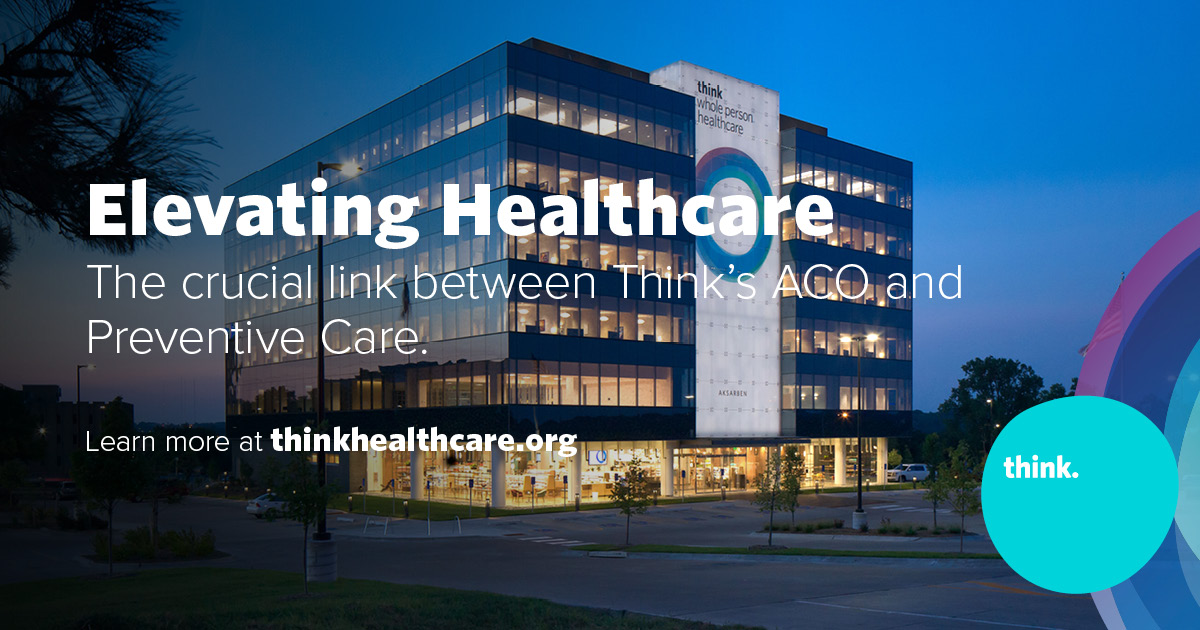
Elevating Healthcare: The crucial link between Think’s ACO and Preventive Care

A modern glass office building at dusk with the text Elevating Healthcare: The crucial link between Thinks ACO and Preventive Care. Learn more at thinkhealthcare.org overlaying the image.

Think Whole Person Healthcare is committed to pushing the boundaries of healthcare for the benefit of its patients. One significant stride in this journey was the establishment of Think ACO, LLC—an Accountable Care Organization (ACO). The ACO model aligns seamlessly with think’s values, reflecting a dedication to providing high-quality whole person healthcare at lower costs. It also cleanly integrates into think’s focus on preventive care, keeping costs in check by focusing on long-term outcomes.  

Unpacking Think’s ACO

A New Frontier in Collaborative Healthcare

Think ACO, LLC embodies a collaborative network of dedicated physicians and specialists. Their mission is to share both the financial and medical responsibilities of patients, prioritizing high-quality care and cost savings. The ACO model, introduced by the Centers for Medicaid and Medicare Services (CMS), serves as a response to the escalating healthcare spending within the Baby Boomer population.

Setting the Standards: Quality and Cost Savings

ACOs like think are held to strict quality standards in care and cost savings. Being held to those standards means achieving excellence in patient care not only in terms of medical outcomes but also in terms of financial prudence. When think meets these standards, the Centers for Medicaid and Medicare Services rewards the ACO with gainsharing payments, a testament to their commitment to quality and efficiency.

Whole Person Health in Action

Think ACO, LLC isn’t just a structural innovation; it represents the organization’s commitment to whole person healthcare. The coordinated care approach fosters an environment beneficial for patients dealing with multiple chronic illnesses. The ACO model aligns seamlessly with think’s values, reflecting a dedication to providing high-quality healthcare at lower costs.

The Interplay with Preventive Care

Preventive Healthcare: A Pillar of Well-Being

As think embraces the ACO model, it also champions preventive healthcare. This becomes particularly significant in light of Dr. Bill Engle’s insights into the importance of preventive care in averting serious health issues in his article Does Preventive Healthcare Really Matter?

A Stitch in Time: The Essence of Preventive Healthcare

Dr. Engle’s experience with a patient diagnosed with congestive heart failure emphasizes the relevance of preventive healthcare. The patient’s journey underscores the truth that preventive care is like a ‘stitch in time,’ averting potentially life-threatening conditions by addressing health issues long before they escalate through regular doctor visits and screenings. Counter to this tale, preventive care in the previous decades may have improved both the health and economic outcomes of this situation, and it is here that the goals of an accountable care organization and preventive care intersect.  The tale also serves as a reminder that your engagement with preventive care now can prevent potential health concerns down the road.

The Think Approach to Preventive Healthcare

Navigating Preventive Healthcare at Think Whole Person Healthcare

Preventive healthcare is a cornerstone of Think Whole Person Healthcare’s practice. We recognize the challenges individuals encounter in seeking preventive care, from unawareness of recommended services to concerns about cost or provider availability.

A Comprehensive Approach

Our approach to preventive care encompasses a comprehensive array of services. From routine screenings to vaccinations to counseling, patients can benefit from early health concern detection. The think Comprehensive Care Management system, including Chronic Care Management and Remote Patient Management, offers a holistic approach to patient well-being.

The Economic Impact of Preventive Care

Saving Lives, Saving Costs

Preventive care isn’t just about health outcomes—it’s also a significant cost-saving strategy. Dr. Engle illustrates the financial implications of neglecting preventive care, from expensive ER visits to hospitalization costs. 

He states, “It may come as no surprise, but emergency room (ER) visits are expensive. According to government and medical statistics, the average emergency room visit costs $2,200 on average. While insurance and Medicare does pay a percentage of your emergent care, you are still responsible for the remaining costs. Total ER expenses typically include fees for triage, facility/room use, medications, medical supplies, plus the attending physician and professional fees. 

If your condition warrants a hospital stay, be prepared for even more sticker shock. Healthcare.gov finds that the average three-day hospital stay costs around $30,000. If you need surgery, say for heart valve replacement, it may cost more than $200,000. One medical relief debt agency notes that 60% – 65% of bankruptcies in the country are related to medical expenses.”

At think, our emphasis on preventive healthcare aims to mitigate these financial burdens for patients.

Empowering Individuals Through Preventive Care

Your Health, Your Timeline

Dr. Engle emphasizes the individualized nature of preventive care, acknowledging that the right time for screenings depends on various factors. Think encourages patients to take a proactive stance, encouraging regular check-ups and timely interventions.

Beyond Annual Physicals

Dr. Engle promotes a ‘time out’ approach rather than a conventional ‘annual physical.’ This encourages patients to engage in meaningful conversations about their health, minimizing the tendency to overlook seemingly minor concerns. 

“Rather than referring to an ‘annual physical’ for my patients, I say let’s take a “time out” and go over everything and make sure we’re not missing something important. This gives me an opportunity to ask my patients questions and gives them an opportunity to bring up anything they’ve been thinking about with their health.” Bill Engle, DO

Dr. Engle believes that preventive medicine is about statistics and at think we strive to shift the statistics in favor of better health outcomes.

ACOs and Preventive Care – Aligning for Life Long Health

As Think Whole Person Healthcare continues to pave the way for elevated healthcare through its ACO model, the integration with preventive care emerges as a powerful synergy. By fostering a culture of proactive health management, Think not only ensures better patient outcomes but also contributes to a more sustainable and cost-effective healthcare landscape. The ACO model stands as a testament to Think’s commitment to Whole Person Health, and its alignment with preventive care is a significant step towards a healthier and more resilient community.

You can read Dr. Bill Engle’s Article Does Preventive Healthcare Really Matter here: https://think-healthcare.local/does-preventive-healthcare-really-matter/ 

LEARN MORE ABOUT THE INTERSECTION OF THINK’S ACO AND PREVENTIVE CARE BY SPEAKING WITH YOUR THINK PROVIDER. 

Think Whole Person Healthcare is dedicated to providing comprehensive healthcare services. Visit our Services page and explore our network of healthcare professionals at our Meet Your Doctor page.

Navigating Diabetes

A person wearing a hat and striped shirt carries a basket of apples in an orchard. Text reads: Navigating Diabetes: Insights from Jennifer Diamond, DO. Learn more at thinkhealthcare.org..

Insights from Jennifer Diamond, DO

In the intricate landscape of healthcare, diabetes emerges as a condition demanding nuanced attention and comprehensive care. At Think Whole Person Healthcare, we are at the forefront of transforming diabetes care. We recently sat down for an insightful interview with Jennifer Diamond, DO, one of our distinguished Family Medicine providers. Dr. Diamond’s expertise illuminates the intricate aspects of diabetes, offering invaluable guidance for our community.

Understanding Diabetes Types

At think, the mission is to exceed conventional healthcare norms and view patients as unique individuals. According to Dr. Diamond, “Diabetes is not merely a medical condition; it’s a complex tapestry of factors that necessitate personalized attention.” The holistic approach is rooted in crafting tailored plans that extend beyond traditional treatments, ensuring that each patient’s journey is as unique as they are.

Dr. Diamond emphasizes the importance of recognizing the different types of diabetes. “Type 1, commonly diagnosed before adulthood, results from an autoimmune response affecting insulin production. Type 2, prevalent in adults, involves insulin resistance or insufficient production. Gestational diabetes, occurring during pregnancy, presents its own set of challenges.” To manage any form of diabetes, a holistic approach mandates not only medical interventions but also lifestyle adjustments, such as dietary changes and regular exercise.

Risks and Complications: Beyond Blood Sugar Levels

Diabetes is not confined to blood sugar levels alone, as Dr. Diamond notes. Its impact extends to various facets of health, affecting the eyes, nerves, kidneys, and the heart. “At Think Whole Person Health Care, we focus on a proactive stance on prevention,” Dr. Diamond says, urging patients to stay vigilant and maintain well-controlled conditions. Preventing complications becomes a lifestyle adjustment, encompassing not just medication but also dietary and exercise habits.

Detecting Diabetes: The Power of Awareness

Dr. Diamond stresses the challenge of the unawareness of prediabetic status among individuals. “Early detection is paramount,” she states, advocating for bridging this awareness gap through regular screenings and education. The proactive stance empowers individuals to take charge of their health before diabetes escalates.

Treatment Approaches

Treatment at think extends beyond conventional medication. “For Type 1 diabetes, the focus is on insulin, often administered through innovative methods like pumps,” Dr. Diamond explains. Type 2 and gestational diabetes may involve a combination of oral medications, dietary adjustments, and lifestyle modifications. Integrating medications like Trulicity and Ozempic showcases commitment to holistic health plans.

Nutrition also plays a significant role in diabetes management. Dr. Diamond highlights ongoing efforts to provide comprehensive dietary guidance. “Vigilance regarding carbohydrate intake is crucial,” she notes, advising against excessive consumption of carb-heavy foods. Amidst discussions on nutrition, the gluten debate emerges. “While uncertain about the benefits of gluten-free diets for diabetes, maintaining a balanced carb ratio and understanding the insulin-to-carb relationship is crucial,” Dr. Diamond suggests.

Diabetes Emergencies: Recognizing Warning Signs

Understanding diabetes-related emergencies is essential, according to Dr. Diamond. From sudden drops in blood sugar to unexplained lightheadedness, recognizing warning signs empowers both patients and their support networks to respond effectively. Emphasis is placed on the importance of understanding these signs, fostering a community that can effectively support individuals with diabetes.

Supporting Those with Diabetes: A Call to Awareness

As the holiday season approaches, Dr. Jennifer Diamond extends a thoughtful reminder to the community. “Moderation in alcohol consumption and heightened awareness of mental health are crucial beyond the festivities.” Diabetes management extends beyond the clinical setting, emphasizing the need for a supportive community and understanding of the challenges individuals face.

In Conclusion: Navigating Diabetes with a Holistic Vision

By combining medical expertise with a holistic approach, think and our providers like Jennifer Diamond, DO empower individuals to navigate the complexities of diabetes. From awareness and prevention to personalized treatment plans, think stands as a beacon of comprehensive diabetes management. Dr. Diamond succinctly captures the essence: “It’s not just about treating a condition; it’s about empowering individuals to lead healthy, fulfilling lives despite diabetes.” Together, we can embrace a holistic journey through diabetes, ensuring that every individual can lead a healthy, fulfilling life despite the challenges.

Jennifer Diamond, DO, an Omaha native, is a seasoned family medicine provider at Think Whole Person Healthcare. Learn more here.

Agora Cafe’s Sweet Potato Tortilla Soup

A bowl of sweet potato tortilla soup with corn, topped with sour cream and herbs, sits beside a cheesy quesadilla slice on a plate. Text describes the soup as hearty and classic, and includes a website for the recipe.

Servings: 5

You can take our word on it or the word of those who tried it. It is the best soup you will ever have. From patients to employees, this Agora Cafe soup quickly became a favorite. We asked Deb in Agora Cafe to share the recipe so we could make it home. But don’t be fooled, it will not taste as good as Deb’s Sweet Potato Tortilla Soup.

Ingredients

  • 1 tbsp Oil
  • 1 cup Chopped Onions
  • 2 Cloves Garlic, minced
  • 3 Medium Sweet Potatos,Peeled and cut in 1/2″ cubes (4 cups)
  • 3 Cups Chicken Broth
  • 1/2 tsp cumin
  • 1/2 tsp dried oregano leaves
  • 1/2 tsp chili powder
  • 1/4 tsp ground red pepper (cayenne)
  • 3 6-inch tortillas cut in 1 x 1/2″ Strips (nonstick cooking spray)
  • 1 14.5oz-can stewed tomatoes, cut up, undrained
  • 1 cup Green Giant Niblets Corn
  • 1 4.5oz-can Old El Paso Chopped Green Chilies, undrained
  • 3 tbsp chopped fresh cilantro

Procedure

  1. Heat oven to 375°F.
  2. Heat oil in Dutch oven or 4-quart saucepan over medium-high heat until hot.
  3. Add onions and garlic; cook and stir 5 to 7 minutes or until onions are tender.
  4. Stir in sweet potatoes, broth, cumin, oregano, chili powder, and ground red pepper. Bring to a boil.
  5. Reduce heat to low; cover and simmer 10 to 15 minutes or until sweet potatoes are tender.
  6. Meanwhile, arrange tortilla strips in a single layer on an ungreased cookie sheet.
  7. Lightly spray strips with nonstick cooking spray. Bake at 375°F for 8 to 12 minutes or until light brown and crisp. Cool on paper towels. Set aside.
  8. Carefully transfer 2 1/2 cups hot sweet potato mixture to a food processor bowl with a metal blade or blender container; process until smooth. Return mixture to the Dutch oven.
  9. Stir in tomatoes, corn, chiles, and cilantro. Cook over medium heat for 5 to 20 minutes or until thoroughly heated, stirring constantly.
  10. To serve, spoon into individual soup bowls. Top each with crisp tortilla chips. (1 1/2-cup) servings