



A Holistic Approach to Well-Being with Restorative Health.

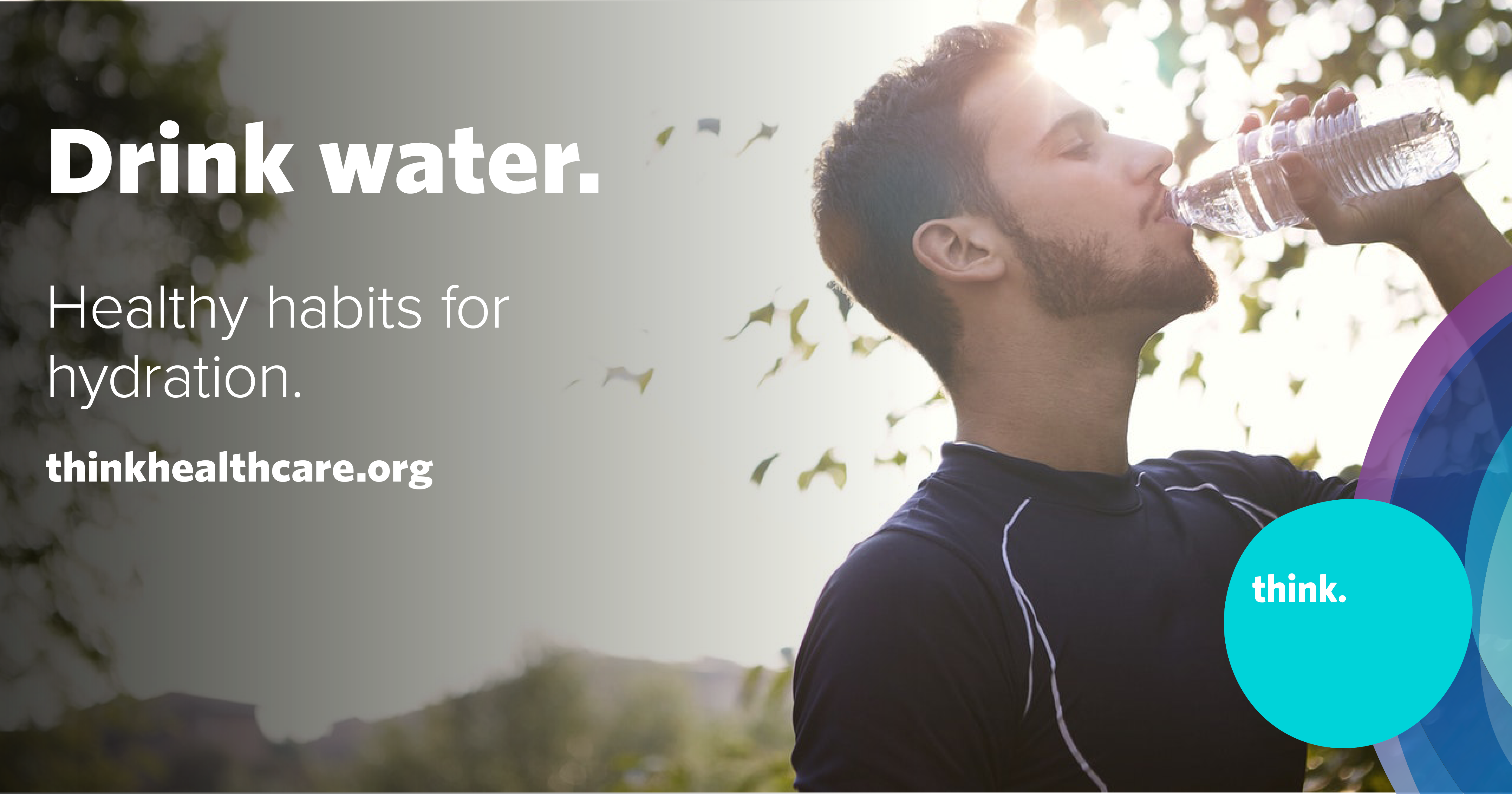
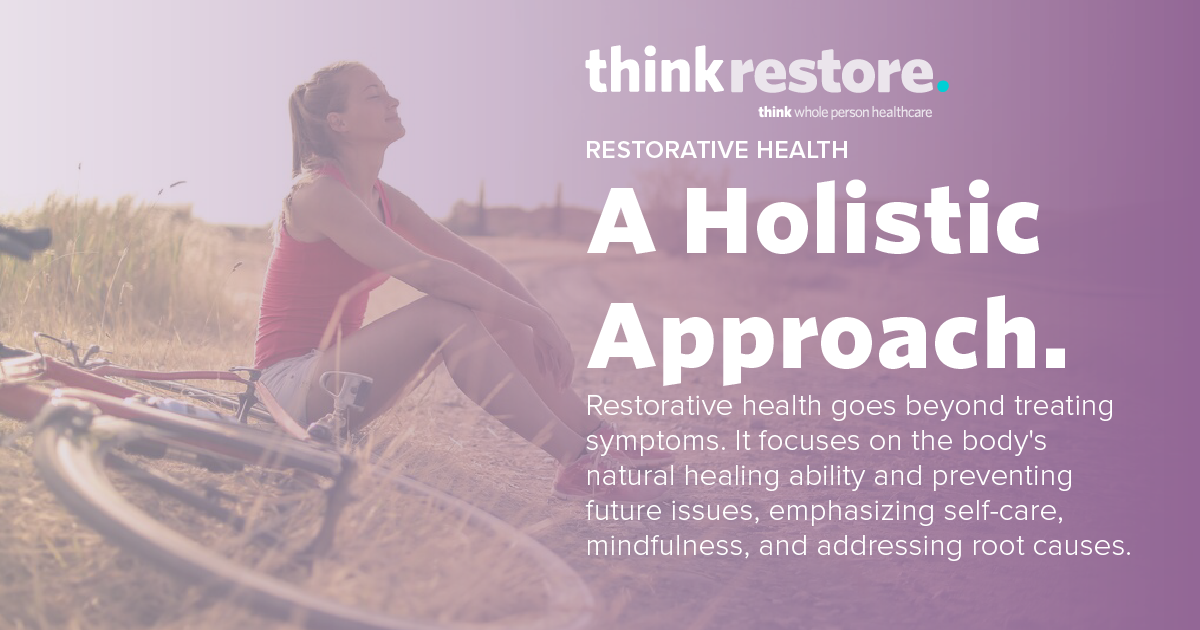
A blurred image of a person sitting outdoors with the text: thinkpersonhealthcare Approach. Restorative health does not focus on symptoms. It focuses on the whole person and addresses the underlying causes of disease.

In today’s world, where traditional healthcare often focuses on treating specific diseases and injuries, the view of restorative health offers a refreshing perspective. It emphasizes a holistic approach, empowering individuals to optimize their overall well-being by addressing not just symptoms, but the root causes of health concerns. This shift allows individuals to take charge of their health journey and cultivate long-term resilience. At Think Whole Person Healthcare, a holistic approach has always been at the forefront of our philosophy, making Restorative Health a natural extension of our commitment to comprehensive, patient-centered care. 

What is Restorative Health?

Restorative Health goes beyond simply recovering from illness or injury. It highlights the body’s inherent capacity for healing and promotes long-term resilience. This approach focuses on three core principles:

Identifying and Addressing the Root Causes of Health Concerns

Instead of just treating symptoms, Restorative Health seeks to understand the underlying factors that contribute to health issues. This might involve considering dietary habits, stress levels, sleep patterns, and environmental factors. A qualified integrative or functional medicine practitioner can be a valuable resource in this process.

Promoting Self-Awareness and Self-Care

Restorative Health empowers individuals to take an active role in their health. This includes learning about healthy habits, embracing self-care practices, and making informed decisions about their well-being. 

Optimizing Physical, Mental, and Emotional Well-Being

A restorative approach recognizes physical, mental, and emotional health interconnectedness. It incorporates practices that nurture each aspect for a holistic sense of well-being.

Resources from organizations like the American Holistic Health Association (AHHA) offer a wealth of information and guidance on self-care practices and healthy habits. By addressing all aspects of your health, you can create a foundation for long-term resilience and well-being.

Why is Restorative Health Important?

Traditional healthcare is undoubtedly essential. It excels at diagnosing and treating acute illnesses, managing chronic conditions, and performing life-saving surgeries. However, it can easily focus on treating symptoms rather than addressing the underlying causes of health concerns. A strictly traditional model may not always consider the broader aspects of well-being, such as stress levels, sleep quality, and lifestyle habits, which all play a significant role in our overall health.

Restorative Health emphasizes considering the individual as a whole and recognizing the interconnectedness of physical, mental, and emotional well-being. Restorative Health is becoming increasingly important for many reasons:

  • A Holistic Approach: Restorative Health goes beyond simply treating symptoms. It seeks to identify the root causes of health issues, considering factors like diet, stress, sleep, and environmental influences. By addressing these underlying issues, restorative health aims to create long-term solutions and prevent future problems.
  • Preventative Measures: Restorative Health emphasizes preventative care. By focusing on healthy habits, stress management, and overall well-being, individuals can potentially reduce their risk of developing chronic diseases and maintain optimal health for longer.
  • Empowerment and Self-Care: Restorative Health empowers individuals to take charge of their own health. It encourages them to learn about healthy practices, embrace self-care routines, and make informed decisions about their well-being. The shift in focus from passive patients to active participants in their health journey gives a sense of control and ownership.
  • Complementary to Traditional Medicine: Restorative Health practices can be valuable tools alongside conventional medicine. They can help manage symptoms, improve treatment outcomes, and enhance overall well-being. The National Center for Complementary and Integrative Health (NCCIH) acknowledges the growing interest in exploring these complementary approaches.

By incorporating restorative practices like self-care, proper nutrition, stress management techniques, and mindfulness exercises into their lives, we can take a proactive approach to our health and well-being. It empowers us to optimize our health for the long term and potentially prevent future health concerns.

The Pillars of Restorative Health

The human body isn’t just a collection of parts; it’s a complex and interconnected system. Our physical health, mental and spiritual well-being, and emotional state are intricately linked. When one aspect suffers, it can cause a ripple through the entire system, impacting our overall health and well-being. Restorative Health incorporates practices that nurture each aspect for a holistic approach. 

Physical Health

The foundation of well-being often starts with the physical body. Restorative practices can help optimize physical health in several ways:

  • Nourishment through Whole Foods: Our bodies thrive on a diet rich in fruits, vegetables, whole grains, and lean protein. These foods provide essential nutrients that fuel our body’s functions and support immune system health.
  • Regular Physical Activity: Movement is medicine. Engaging in activities you enjoy, whether it’s walking, swimming, yoga, or dancing, helps manage weight, improves cardiovascular health, and strengthens muscles and bones.
  • Prioritizing Quality Sleep: When we get enough sleep, our bodies have time to repair and recharge. Adequate sleep is crucial for physical recovery, cognitive function, and emotional regulation.

We build strong physical foundations that support our overall well-being by focusing on these foundational practices.

Mental and Emotional Well-being

Our minds and emotions play a significant role in how we experience the world. Restorative practices can address mental and emotional well-being through:

  • Mindfulness and Meditation: These techniques cultivate present-moment awareness and emotional regulation. By quieting the mind and focusing on the present, we can reduce anxiety, improve mood, and enhance our ability to cope with stress.
  • Stress Management Techniques: Chronic stress wreaks havoc on our mental and physical health. Practices like deep breathing exercises, yoga, and spending time in nature can help manage stress and promote emotional resilience.
  • Self-Care: Self-care practices are essential for maintaining mental and emotional well-being. These can include activities that bring joy and relaxation, such as reading, taking a long bath,  pursuing hobbies, spending time with loved ones, or simply taking time for oneself. Self-care helps to recharge and rejuvenate, preventing burnout and promoting a balanced life.

Resources from reputable organizations like the Mayo Clinic offer guidance and support for implementing these techniques to nurture your mental and emotional well-being.

The Spirit

Beyond the physical and mental, restorative health acknowledges the role of the spirit. This can encompass a sense of purpose, a connection to something larger than ourselves, and a feeling of well-being that transcends the physical. Restorative practices that nourish the spirit might include:

  • Gratitude Practices: Focusing on the positive aspects of life can cultivate a sense of contentment and well-being.
  • Connecting with Nature: Immersing yourself in nature has been shown to reduce stress, improve mood, and enhance cognitive function.
  • Building Strong Relationships: Strong social connections provide emotional support and contribute to a sense of belonging, all of which are important for overall well-being.

By nurturing each aspect of ourselves – physical, mental, emotional, and spiritual – we create a foundation for optimal health and well-being. This is restorative health and it empowers us to thrive in all aspects of life.

Benefits of Restorative Health

By adopting a restorative approach to health, individuals may experience a range of benefits:

  • Improved physical health: Restorative practices can help manage chronic conditions, boost the immune system, and enhance overall physical function. Studies have shown the effectiveness of practices like yoga and meditation in managing chronic pain and improving sleep quality. 
  • Enhanced mental and emotional well-being: Techniques like mindfulness, stress management, and self-care can reduce anxiety, improve mood, and promote emotional resilience. Mindfulness practices have been shown to reduce stress and improve emotional regulation.
  • Increased energy levels and vitality: Restorative practices can help improve sleep quality, optimize hormonal balance, and promote a sense of vitality. A focus on healthy eating, regular exercise, and stress management can contribute to increased energy levels throughout the day. 
  • Greater self-awareness: By focusing on self-care and mindful practices, individuals can gain a deeper understanding of their needs and responses to various stimuli. This self-awareness empowers them to make informed choices about their health and well-being. 
  • Empowerment to take charge of health: Restorative health fosters self-efficacy, allowing individuals to take control of their health journey and make informed decisions. This sense of empowerment can lead to improved adherence to healthy habits and a more proactive approach to managing their health. 

Practicing Restorative Health

Restorative health isn’t about drastic changes or overwhelming routines. It’s about incorporating small, sustainable practices that cultivate a sense of well-being throughout your day. Here are some ideas to include restorative practices into your daily life:

  • Nourish your body with whole, unprocessed foods: Prioritize a diet rich in fruits, vegetables, whole grains, and lean proteins.
  • Move your body regularly: Engage in activities you enjoy, such as walking, swimming, yoga, or dancing.
  • Make time for self-care: Engage in activities that bring you happiness and relaxation, such as reading, grooming, pursuing hobbies, enjoying moments with loved ones, or dedicating time to yourself.
  • Practice stress management techniques: Techniques like deep breathing, meditation, and mindfulness can help manage stress and promote relaxation.
  • Get enough quality sleep: Aim for 7-8 hours of sleep each night to allow your body and mind to recharge.
  • Develop a gratitude practice: Focusing on appreciating the positive aspects of your life can cultivate a sense of well-being and contentment.
  • Spend time in nature: Immersing yourself in nature has been shown to reduce stress, improve mood, and enhance cognitive function.
  • Build healthy relationships: Strong social connections provide emotional support and contribute to overall well-being.

Remember, restorative health is a journey, not a destination. By incorporating these simple practices into your daily routine, you can cultivate a sense of well-being that nourishes your body, mind, and spirit.

Restorative Health and Comprehensive Healthcare

Integrating restorative health into comprehensive healthcare involves recognizing the interconnectedness of physical, mental, and emotional well-being. Treatments that enhance appearance can also positively impact self-esteem and mental health, contributing to a holistic sense of well-being.

Mental Health Benefits

Improving physical appearance through restorative treatments can boost self-confidence and self-esteem, which are crucial components of mental and emotional health. Research has shown that individuals who feel better about their appearance are more likely to experience improved mental health outcomes, including reduced symptoms of depression and anxiety.

Whole-Person Healthcare

Whole-person healthcare considers the individual as a whole, addressing physical, mental, and emotional needs. By integrating restorative health into this model, healthcare providers can offer more comprehensive care that enhances overall quality of life. This approach involves not only treating specific conditions but also promoting overall health and wellness.

Introducing ThinkRestore

ThinkRestore, a division of Think Whole Person Healthcare, is dedicated to providing high-quality restorative health services within a comprehensive healthcare framework. We recognize that self-care is a cornerstone of well-being and believe that taking care of yourself goes beyond just addressing physical health; it encompasses your mental and emotional state as well.  This is where restorative health comes in at Think.

Restorative practices help you build resilience and create a foundation for long-term vitality.  One way to embrace self-care is by considering aesthetic improvements that can have a positive impact on your overall well-being.

ThinkRestore: Where Self-Care Meets Confidence

At ThinkRestore, we offer a variety of science-backed solutions that can enhance your appearance and, in turn, elevate your self-confidence.  Treatments like BOTOX® for smoothing wrinkles and JUVÉDERM® fillers for enhancing facial features can address visible signs of aging, leaving you feeling more radiant and revitalized. Science-backed skincare solutions from Skinceuticals offer targeted solutions to help you achieve a more radiant, healthy complexion.

But it goes beyond just looking good. Feeling confident in your appearance can have a profound effect on your mental and emotional well-being. When you feel good about yourself, it can empower you to take on challenges, improve your social interactions, and experience a greater sense of overall happiness.

So what sets ThinkRestore apart? Let’s explore the unique experience we offer and the commitment that sets us on a path different from others. 

Advanced Expertise in a Professional Medical Setting

ThinkRestore distinguishes itself by offering restorative health services within a professional medical environment.  Our treatments are administered by highly trained Physician Assistants (PA-Cs) with advanced medical certifications and experience in aesthetic medicine. This ensures you receive safe and effective treatments delivered by knowledgeable and skilled medical professionals.

Commitment to Safety and FDA Compliance

Your well-being is our top priority at ThinkRestore. We are committed to using only FDA-approved products administered in approved treatment areas and in approved quantities.  We focus on providing safe and effective treatments, ensuring you get the results you desire without compromising your health.

Natural Results You Can Trust

At ThinkRestore, natural results are paramount. Our medical providers prioritize achieving a subtle enhancement that complements your natural beauty. Unlike some medical spas and other providers, our providers are not incentivized by commission. This ensures they recommend only the treatments and products that are truly in your best interest, fostering a trusting and transparent patient-provider relationship.

Comprehensive Services

ThinkRestore currently offers a wide range of restorative health services, including Botox, Juvederm, and science-backed skincare solutions from SkinCeuticals. Our treatments are designed to address various skin concerns and enhance overall appearance. We continuously update our services and techniques to incorporate the latest advancements in the field, ensuring that our patients receive the most effective and innovative treatments available. And we will be adding more restorative services soon!

Restorative health offers a powerful approach to achieving optimal well-being. By incorporating restorative practices into your life, you can move beyond simply managing health conditions and create a foundation for long-term health and vitality. Remember, restorative health is a journey, not a destination. By making small changes and nurturing your physical, mental, and emotional well-being, you can cultivate a sense of resilience and thrive throughout your life.

EMBRACE RESTORATIVE HEALTH AND SELF-CARE WITH THINKRESTORE

As summer continues, prioritize your well-being with ThinkRestore. Our restorative health services help you to achieve a renewed sense of vitality and inner radiance. We’ll help you look and feel your best, no matter the season.

ThinkRestore goes beyond aesthetics, offering restorative health services within a professional medical setting. Our highly trained Physician Assistants (PA-Cs) prioritize your safety and well-being. They utilize only FDA-approved products and techniques for our aesthetic facial treatments, ensuring you receive natural-looking results you can trust.

Contact ThinkRestore at 402.506.9049 to schedule a consultation or treatment or learn more by visiting the ThinkRestore page. Let’s help you embark on a journey of self-care and achieve a renewed sense of vitality that lasts.
To learn more about our wide-ranging whole-person healthcare, visit our Services page online and choose your own think medical professionals by visiting our Meet Your Doctor page.


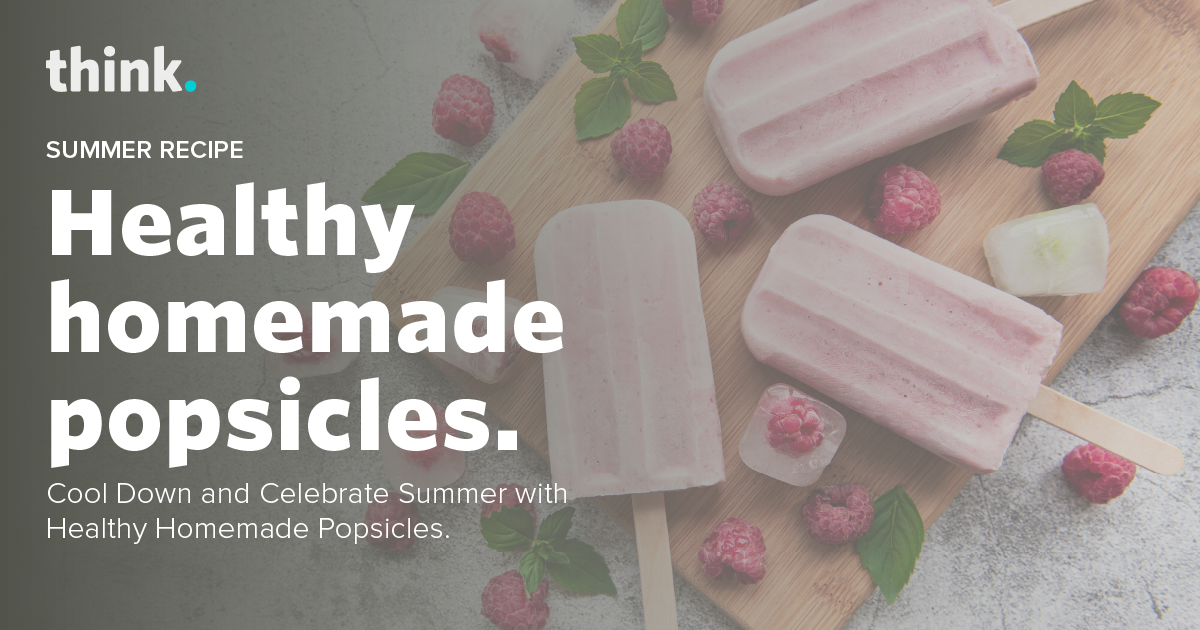
Healthy Homemade Fruit Popsicles.

Three pink popsicles on a light surface are surrounded by fresh raspberries and mint leaves. Text reads: “Healthy homemade popsicles. Cool Down and Celebrate Summer with Healthy Homemade Popsicles.”.

Cool Down and Celebrate Summer with Healthy Homemade Popsicles

Beat the heat and satisfy your sweet tooth with refreshing homemade popsicles bursting with fresh flavor and nutrients. By skipping sugary store-bought options, you’re choosing a healthier alternative packed with the goodness of fresh fruits like hydrating watermelon, fiber-rich berries, and vitamin-packed mango. Enhance these treats with creamy coconut water or yogurt for a boost of electrolytes and probiotics. Sweetened naturally with honey or maple syrup, each popsicle offers a delicious way to stay cool and nourished this summer. Consider including these healthy components in your popsicles:

Fresh Fruit 

Popsicles made with fresh fruit are packed with vitamins, minerals, and antioxidants essential for overall health. Watermelon provides hydration and is rich in lycopene, which may help protect against sun damage. Berries are loaded with fiber and vitamin C, supporting immune function and digestion. Mango offers a boost of vitamin A, promoting eye health and immune function.

Coconut Water and Yogurt

Adding coconut water or yogurt not only enhances creaminess but also boosts electrolytes and probiotics. Coconut water is naturally hydrating and contains potassium, while yogurt provides calcium and gut-friendly probiotics for digestive health.

Honey and Maple Syrup

These natural sweeteners add a touch of sweetness without the refined sugars found in store-bought popsicles. Honey offers antibacterial properties and antioxidants, while maple syrup is rich in minerals like manganese and zinc.

Prep Time
10 mins
Freeze Time
4 hours
Total Time
4 hours 10 mins

Servings: 8 popsicles

Ingredients

  • 2 cups fresh fruit (such as watermelon, berries, mango, or a combination)
  • 1/2 cup coconut water, milk, or yogurt (optional)
  • 1-2 tablespoons honey or maple syrup (optional, to taste)
  • Lime juice (optional, to taste)
  • Fresh mint leaves or chopped fruit (optional, for garnish)

Equipment

  • Popsicle molds
  • Popsicle sticks
  • Blender or food processor

Instructions

Prep the Fruit

Wash and chop your chosen fruit. If using berries, you may want to remove the stems. For fruits with tough skin or seeds, like watermelon or mango, remove the rind or pit before chopping.

Blend the Mixture

Add the chopped fruit to your blender or food processor. Pour in your chosen liquid (coconut water, milk, or yogurt) if using. If desired, add a touch of honey, maple syrup, or lime juice for additional sweetness or tartness. Blend until smooth, adjusting the consistency to your preference. You can leave it a little chunky for a more textured popsicle, or blend it completely smooth.

Fill the Molds

Pour the blended fruit mixture evenly into popsicle molds. Leave a little space at the top, about 1/4 inch, to allow for expansion during freezing.

Add the Sticks

Carefully insert a popsicle stick into each mold. If desired, push a few mint leaves or chopped fruit pieces against the sides of the molds for a decorative touch.

Freeze and Enjoy

Place the filled popsicle molds in the freezer and freeze for at least 4-6 hours, or until completely solid.

Tips

  • Get creative with flavors! Experiment with different fruits or mix and match for unique combinations.
  • You can add a dollop of yogurt or nut butter to the bottom of the mold before filling it with the fruit mixture for an extra layer of flavor and texture.
  • For a creamier popsicle, use full-fat yogurt or coconut milk. For a vegan option, use plant-based milk or yogurt.
  • Leftover fruit puree can be frozen in an airtight container for future popsicle-making or used in smoothies.

Whether you’re lounging by the pool or hosting a backyard barbecue, our budget-friendly homemade popsicles are sure to be a hit. Customize them with your favorite fruits and enjoy knowing you’re treating yourself to a refreshing snack that supports your well-being. Share these treats with family and friends as you savor the flavors of summer guilt-free. Stay cool, stay healthy, and enjoy every bite of these homemade popsicles—it’s a taste of summer you’ll love.

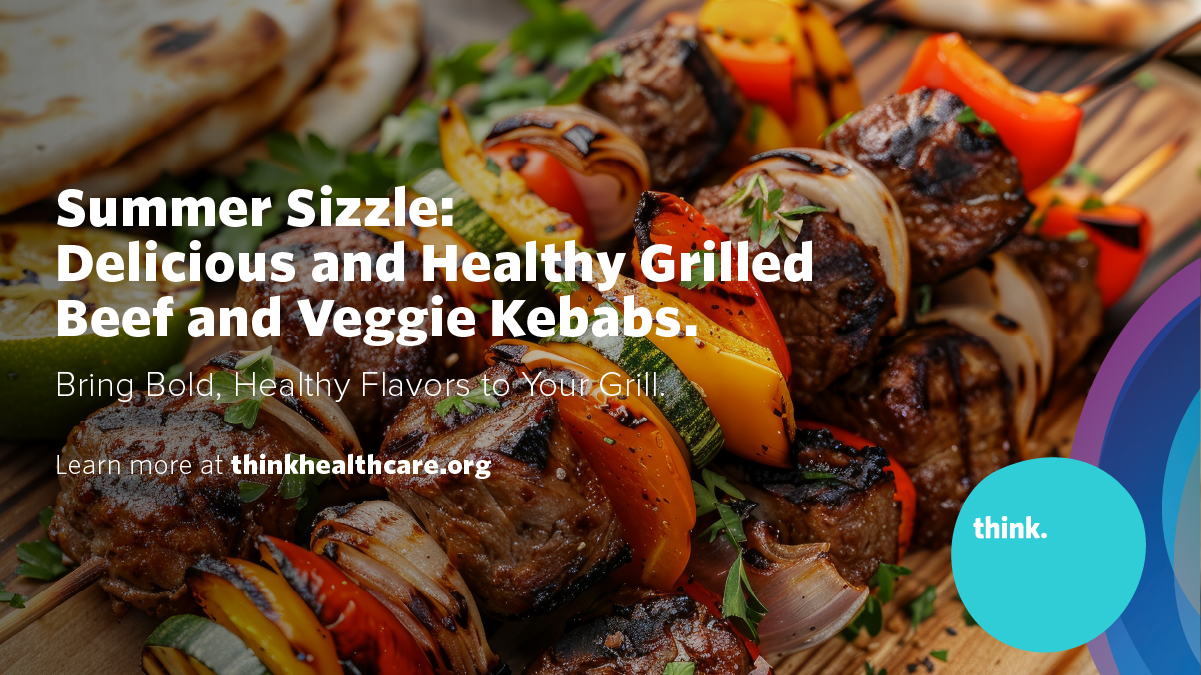
Summer Sizzle: Delicious and Healthy Grilled Beef & Veggie Kebabs

Grilled beef and veggie kebabs with bell peppers and zucchini on skewers, served with flatbread. Text overlays promote healthy grilling and direct viewers to thinkhealthcare.org.

by thinkPress

Bring Bold, Healthy Flavors to Your Grill with Beef & Vegetable Kebabs

During the hot summer months, eating well can be both nutritious and delicious. Our Grilled Beef and Vegetable Kebabs recipe perfectly blends health benefits with mouthwatering flavors. It’s easy to prepare and budget-friendly, making it an excellent choice for your summer gatherings. With lean beef and vibrant vegetables marinated to perfection, these kebabs provide a well-rounded meal sure to please everyone’s palate.

Grilled Beef and Vegetable Kebabs are a nutritional powerhouse. The main ingredient, tri-tip steak, is a lean cut of beef that offers a rich source of protein essential for muscle repair and growth. Protein also helps keep you satisfied, reducing the temptation to snack on less healthy options. Additionally, tri-tip is lower in fat compared to other cuts, making it a healthier choice for grilling.

The colorful vegetables used in this recipe, such as mushrooms, cherry tomatoes, bell peppers, and red onions, are packed with vitamins, minerals, and fiber. Mushrooms provide important nutrients like vitamin D, which supports bone health, while cherry tomatoes are rich in antioxidants such as lycopene that help protect against chronic diseases. Bell peppers are an excellent source of vitamin C, vital for boosting immunity, and red onions contain quercetin, a powerful antioxidant with anti-inflammatory properties.

Prep Time25 minsMarinating Time8 hoursCook Time10 minsTotal Time8 hours 35 mins

Servings: 4 (8 kebabs)

Ingredients

For the Marinade:

  • ¾ cup balsamic vinegar
  • ¾ cup extra-virgin olive oil
  • 2 tablespoons whole-grain mustard
  • 1 tablespoon dried oregano
  • 1 tablespoon dried rosemary
  • 2 cloves garlic, sliced
  • ½ teaspoon salt
  • ½ teaspoon ground pepper

For the Kebabs:

  • For the Kebabs:
    • 1 pound tri-tip sirloin steak, trimmed and cut into 32 chunks
    • 16 button mushrooms
    • 16 cherry tomatoes
    • 1 small bell pepper (any color), cut into 16 pieces
    • 16 (1 inch) chunks red onion

Instructions

Prepare the Marinade

In a small bowl, whisk together the balsamic vinegar, extra-virgin olive oil, whole-grain mustard, dried oregano, dried rosemary, sliced garlic, salt, and ground pepper until well combined.

Assemble the Kebabs

Thread the beef, mushrooms, cherry tomatoes, bell pepper pieces, and red onion chunks onto 8 metal or wooden skewers, alternating evenly. Place the kebabs in a 9-by-13-inch baking dish and pour the marinade over them, ensuring all ingredients are coated evenly. Cover and refrigerate (or store in a cooler packed with ice) for at least 2 hours and up to 8 hours to allow the flavors to meld.

Preheat the Grill

Preheat your grill to medium-high heat. If you’re cooking over a campfire, ensure the flames are controlled and suitable for cooking.

Grill the Kebabs

Remove the kebabs from the baking dish, discarding the marinade. Grill the kebabs on the preheated grill, turning once, until they reach your desired level of doneness, about 6 to 8 minutes total for medium-rare. If grilling over a campfire, hold the skewers over the flames, turning regularly, and cook for about 15 minutes for medium.

Serve and Enjoy

Arrange the grilled kebabs on a serving platter and enjoy this healthy, flavorful meal. Pair the kebabs with a side of whole grain rice or a refreshing salad to complete your summer feast.

Good nutrition is a cornerstone of overall health and well-being and these Grilled Beef & Vegetable Kebabs are a perfect example of how you can enjoy delicious food while nourishing your body with essential nutrients. By incorporating a variety of lean proteins and fresh vegetables, this dish supports a balanced diet and promotes optimal health. We hope this recipe inspires you to explore new culinary adventures and embrace the joy of healthy eating. Remember, eating well is not just about what you consume but also about enjoying the process and sharing it with loved ones.

Nutrition Information (per serving)

  • Calories: 237 kcal
  • Fat: 10g
  • Carbohydrates: 12g
  • Protein: 25g

CategoriesGeneral Health & Wellness, Recipes

Celebrate Safely: Making Smart Alcohol Choices for Summer Holidays

Four friends sit at a picnic table outdoors, smiling and eating, with drinks in hand. Text overlays offer tips for making safe alcohol choices during summer holidays.

Ensure a Healthy and Happy Holiday with These Tips

The summer holidays are a time for fun, relaxation, and celebration with family and friends. Many of us choose to enjoy an alcoholic beverage or two during summer celebrations, and if you’re one of them, this is the time to make smart choices when it comes to alcohol consumption. Following a few practical tips, you can have a healthy and happy holiday while still partaking in the celebratory spirit. Here are some guidelines to help you drink responsibly this summer.

Plan Ahead

Planning ahead before summer gatherings can contribute to a fun and responsible experience with adult drinks. Consider the following tips:

  • Set Limits: Decide in advance how many drinks you’ll have and stick to that limit. Setting a realistic limit can help prevent overconsumption and its associated risks.
  • Alternate Drinks: Mix alcoholic beverages with non-alcoholic ones. For every alcoholic drink, have a glass of water or a non-alcoholic beverage. Drinking plenty of water keeps you hydrated and reduces overall alcohol intake.
  • Eat Before and During Drinking: Consuming food helps slow the absorption of alcohol into your bloodstream. Go for balanced meals with protein, fiber, and healthy fats to help reduce alcohol’s effects.

Choose Your Drinks Wisely

Not all alcoholic beverages are created equal. Make smart choices to reduce calorie intake and avoid overconsumption:

Understanding ABV: The Power of Lower Alcohol Content

Many people underestimate the impact of alcohol by volume (ABV) on calorie intake. Drinks with a lower ABV naturally contain fewer calories. Opt for lighter beers, typically ranging from 3-5% ABV, or choose wine spritzers made by mixing wine with soda water. Sparkling water mixed with a splash of fruit juice or a low-ABV spirit can be another refreshing option [1].

Beyond the Booze: Exploring Flavorful Mixers

Sugary mixers like sodas, juices, and syrups can significantly increase the calorie content of your drink. Explore healthier alternatives that enhance flavor without compromising your health goals.

  • Soda Water: A classic choice, soda water adds fizz without the sugar. You can customize it with fresh citrus or a dash of bitters.
  • Tonic Water: This bubbly mixer contains a natural sweetener called quinine, which adds a slightly bitter taste. Look for sugar-free varieties for a guilt-free indulgence.
  • Freshly Squeezed Citrus Juice: A splash of lime, grapefruit, or orange juice adds flavor and a touch of natural sweetness.
  • Herbal Infusions: Consider muddling herbs like mint, rosemary, or basil in your drink for a unique and refreshing twist.

Portion Control: Knowing Your Standard Drink

Mindful portion control is crucial for responsible drinking. Remember, a standard drink in the United States is defined as:

  • 12 ounces of beer (approximately 5% ABV)
  • 5 ounces of wine (approximately 12% ABV)
  • 1.5 ounces of distilled spirits (approximately 40% ABV)

Understanding these measurements helps you stay within the recommended guidelines and avoid overconsumption.

By making informed choices about your summer drinks, you can ensure a healthy and enjoyable celebration.  

Hydrate, Hydrate, Hydrate

Summer heat increases the risk of dehydration, especially when alcohol is involved. Staying hydrated is important for a safe and enjoyable summer, along with tips to keep you cool and refreshed.

Why Hydration Matters When You’re Drinking

Alcohol acts as a diuretic, meaning it increases urine production and can lead to dehydration. In hot weather, dehydration is particularly concerning, as sweating contributes to fluid loss. Dehydration can cause various unpleasant symptoms like dizziness, headache, fatigue, and muscle cramps. In severe cases, it can lead to heatstroke, a serious medical condition requiring immediate attention.

Your Summer Sipping Survival Guide to Staying Hydrated.

  1. Make Water Your Best Friend: Carry a reusable water bottle with you throughout the day, and sip water regularly, especially during outdoor activities and while consuming alcohol. Aim for eight glasses of water daily, but adjust based on your activity level and climate.
  2. Infuse Water for Flavor: Plain water can sometimes feel monotonous. Liven it up with cucumber slices, lemon, berries, or mint. These natural flavorings add a refreshing twist and encourage you to drink more.
  3. Track Your Water Intake: There are various ways to monitor your water intake. Download a hydration app, set reminders on your phone, or use a simple water bottle with time markings.
  4. Recognize Dehydration Symptoms: Early signs of dehydration include thirst, dizziness, headache, dry mouth, and fatigue. If you experience any of these symptoms, stop drinking alcohol and prioritize rehydration with water or electrolyte-rich beverages.
  5. Consider Electrolyte Drinks: Consider electrolyte-enhanced beverages for extended periods of physical activity or hot weather exposure. Electrolytes are minerals like sodium and potassium that help regulate fluid balance in the body. However, consult with your provider before consuming electrolyte drinks if you have any underlying health conditions.

Know Your Limits and When to Stop

Summer gatherings are a time for fun, laughter, and connecting with loved ones. But sometimes, the carefree atmosphere can lead to overindulgence when it comes to alcohol. How can you navigate summer celebrations responsibly and ensure a safe, enjoyable time for yourself and others? Here are some tips to keep in mind:

  • Pace Yourself: Savor your drinks slowly. Your body processes alcohol gradually, so give it time to catch up.
  • Ditch the Pressure: Skip drinking games and shots that lead to rapid intoxication. Focus on fun activities and conversations.
  • Listen to Your Body: Pay attention to how you feel. Dizziness, lightheadedness, or slurred speech are signs to stop drinking.
  • Take Breaks: Mingle, dance, or simply enjoy the fresh air to avoid overconsumption.

Setting Boundaries Establishing a Clear Stopping Point.

Establish a clear stopping point for your alcohol consumption before the festivities even begin. Decide on a specific time and stick to it. This helps you pace yourself throughout the event and avoid overconsumption later in the evening. Here are some strategies:

  • Plan Your Exit: Let close friends or the host know your planned departure time in advance. This helps manage expectations and ensures a smooth transition.
  • Announce a Toast: As your designated end time approaches, propose a final toast to celebrate the gathering and signal your intention to wind down.

Listen to Your Body It’s Your Internal Guide

Beyond a set timeframe, pay close attention to your body’s signals. Here are some signs it’s time to switch to non-alcoholic beverages:

  • Fatigue: Feeling tired is a clear indicator that your body needs a break.
  • Lightheadedness: Dizziness or a feeling of being off-balance is a red flag.
  • Changes in Mood: Feeling irritable or overly talkative can be signs of intoxication.

Keep the Fun Flowing with Non-Alcoholic Alternatives

Transitioning to non-alcoholic options doesn’t mean sacrificing enjoyment. Explore these alternatives:

  • Sparkling Water with a Twist: Add a splash of fruit juice, cucumber slices, or fresh mint for a refreshing and festive drink.
  • Mocktails: Get creative with homemade mocktails! Experiment with fresh fruit juices, herbs, and spices to create delicious, sophisticated, non-alcoholic beverages.
  • Specialty Coffees or Teas: In the later hours of the gathering, put down the fun drink for a flavorful iced coffee or a calming herbal tea to wind down.

By putting these strategies into place, you can gracefully finish your alcohol consumption and ensure a safe and enjoyable experience for yourself and everyone around you. Remember, a satisfying summer celebration doesn’t require overindulging. Prioritize your well-being, listen to your body, and create lasting memories without compromising your health.

Be a Responsible Host

As a host, you want to create a vibrant and enjoyable atmosphere for everyone. We also want to create an environment that encourages responsible drinking. Here’s how to ensure your summer celebration promotes responsible drinking while prioritizing the well-being of your guests:

Embrace Variety Beyond Alcohol

Offering a wide selection of non-alcoholic beverages is a thoughtful and inclusive approach. This caters to guests who choose not to drink alcohol or have designated driving duties:

  • Sparkling Delights: Stock up on sparkling water or flavored seltzer. Add a splash of fruit juice, cucumber slices, or fresh mint for a refreshing and festive touch.
  • Mocktail Magic: Get creative with homemade mocktails! Experiment with fresh fruit juices, herbs like mint or rosemary, and spices like ginger for delicious, sophisticated, non-alcoholic options. Explore online resources for inspiration or host a “mocktail mixing station” where guests can create their concoctions.
  • Hydration Heroes: Water is essential, especially on a hot summer day. For a naturally flavored twist, provide a variety of water bottles or pitchers with sliced lemons, oranges, or berries.

Food First: The Power of Pairing

Food plays a big role in responsible drinking. Having a variety of food options slows down the absorption of alcohol, allowing your guests to pace themselves and enjoy their drinks responsibly:

  • Appetizer Extravaganza: Offer a selection of finger foods, dips, and snacks. Consider vegetarian and vegan options to cater to dietary preferences.
  • Main Course Matters: If you’re planning a larger gathering, consider a main course like a light pasta salad, grilled chicken with fresh vegetables, or a build-your-own taco bar.
  • Sweet Endings: Don’t forget dessert! Offer lighter options like fruit salad with yogurt or homemade popsicles.

Prioritizing Guest Well-being with Safe Journeys Home

Creating a safe environment extends beyond the food and drinks. Help your guests get home safely by:

  • Designated Driver Program: Encourage guests to form designated driver groups beforehand. Offer incentives like covering the cost of gas or a ride-sharing service for the designated driver.
  • Ride-Sharing Options: If public transportation or ride-sharing services are readily available in your area, let your guests know and provide them with easy access to information or apps.
  • Overnight Accommodations: For longer gatherings, consider offering a spare room or sofa bed for guests who might need to stay overnight.

By implementing these tips, you can ensure your summer celebration is a place of fun, connection, and responsible enjoyment for everyone involved. Remember, thoughtful planning and a commitment to guest well-being go a long way in creating a truly memorable summer gathering.

Avoid Mixing Substances

Combining alcohol with recreational drugs, like marijuana, cocaine, or ecstasy, can have unpredictable and potentially fatal consequences. Even certain medications can interact negatively with alcohol. This can significantly increase the side effects of the medication or alter the way your body processes alcohol, leading to unintended consequences. Here’s what you need to know:

  • Increased Intoxication: Alcohol slows down the central nervous system. When combined with drugs that have similar effects, such as marijuana or prescription pain medication, the intoxication level intensifies significantly, which can lead to impaired coordination, difficulty breathing, and even coma.
  • Unpredictable Reactions: Each person’s body reacts differently to a combination of substances. Mixing alcohol with drugs makes it impossible to predict how your body will respond, potentially leading to serious health risks like heart problems, seizures, or even death.
  • Consult Your Doctor or Pharmacist: Always discuss your medication regimen with your doctor or pharmacist before consuming alcohol. They can advise you on potential interactions and recommend safe alternatives if necessary.
  • Read Medication Labels: Carefully review the information leaflet with your medication. It will often list potential interactions with alcohol and other substances.

Prioritize Safety and Enjoyment

By avoiding mixing alcohol with other substances, you prioritize your safety and well-being, allowing you to enjoy the summer celebration fully. Remember, responsible choices lead to lasting memories and a safe and enjoyable experience for everyone involved.

Remember That Celebrations Can be Just as Enjoyable without Alcohol

Our summer celebrations are creating lasting memories with loved ones. While alcohol is often associated with these gatherings, there are other ways to have an equally enjoyable and vibrant experience without it. Shift the focus towards fun and connection so everyone feels included and has a blast.

Plan Activities that Spark Joy, Not Thirst

Move the spotlight away from alcohol by planning engaging activities catering to various interests.

  • Embrace the Outdoors: Organize games like volleyball, frisbee, or backyard Olympics. Plan a nature walk or a picnic in the park. Fresh air and physical activity are a natural mood booster, fostering laughter and connection.
  • Channel Your Inner Artist: Host a DIY craft session, a painting party, or a backyard talent show. Let creativity flow and encourage guests to express themselves fun and lightheartedly.
  • Game On!: Board games, card games, or classic charades are timeless activities that bring people together. Set up a game station with different options to cater to others’ interests.

Savor the Present Moment, Embrace Mindfulness

Practice mindfulness throughout the celebration. Be present in the moment, truly connect with friends and family, and savor the joy of shared experiences.

  • Deepen Conversations: Engage in meaningful conversations with loved ones. Ask questions, share stories, and actively listen. You might be surprised by the depth of connection that can be fostered without alcohol.
  • Appreciate the Details: Take a moment to appreciate the gathering’s sights, sounds, and smells. Notice your friends’ laughter, the delicious food on the table, and the beauty of a summer evening.
  • Express Gratitude: Show appreciation for the people you’re celebrating with. Share what you’re grateful for, in general, and about the specific people present.

Remember, a truly fulfilling celebration doesn’t rely on alcohol. 

By making smart alcohol choices and following these practical tips, you can ensure a safe, healthy, and happy summer holiday. Celebrate responsibly and create lasting memories without compromising your well-being. Cheers to a wonderful and safe summer season!

ThinkQuick Walk-In Clinic: Here to Help

Our team at ThinkQuick Walk-In Clinic is available every day of the week to treat minor illnesses and acute injuries, including any concerns related to alcohol consumption. We encourage you to learn more about underlying health conditions that can increase your risk for illness or injury during the hot summer months.

Think Whole Person Healthcare is committed to providing comprehensive, high-quality care at affordable costs. Call 402-506-9049 to schedule an appointment today or book online with your primary care physician. Think Whole Person Healthcare offers convenient same-day appointments in our central Omaha location.

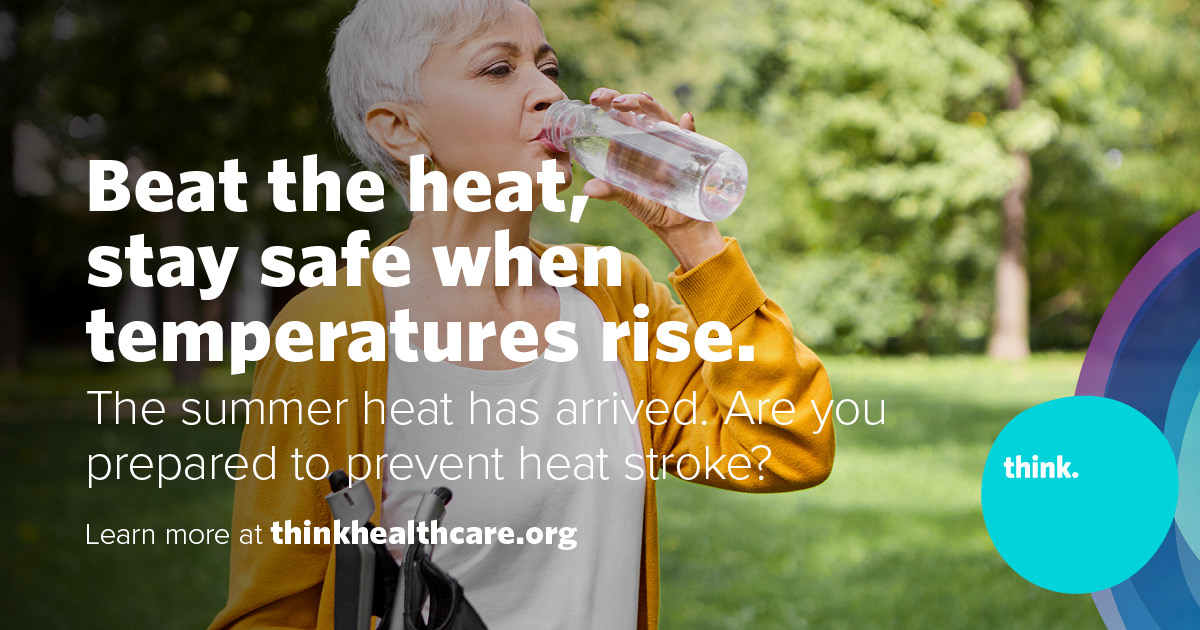
Beat the heat, stay safe when temperatures rise.

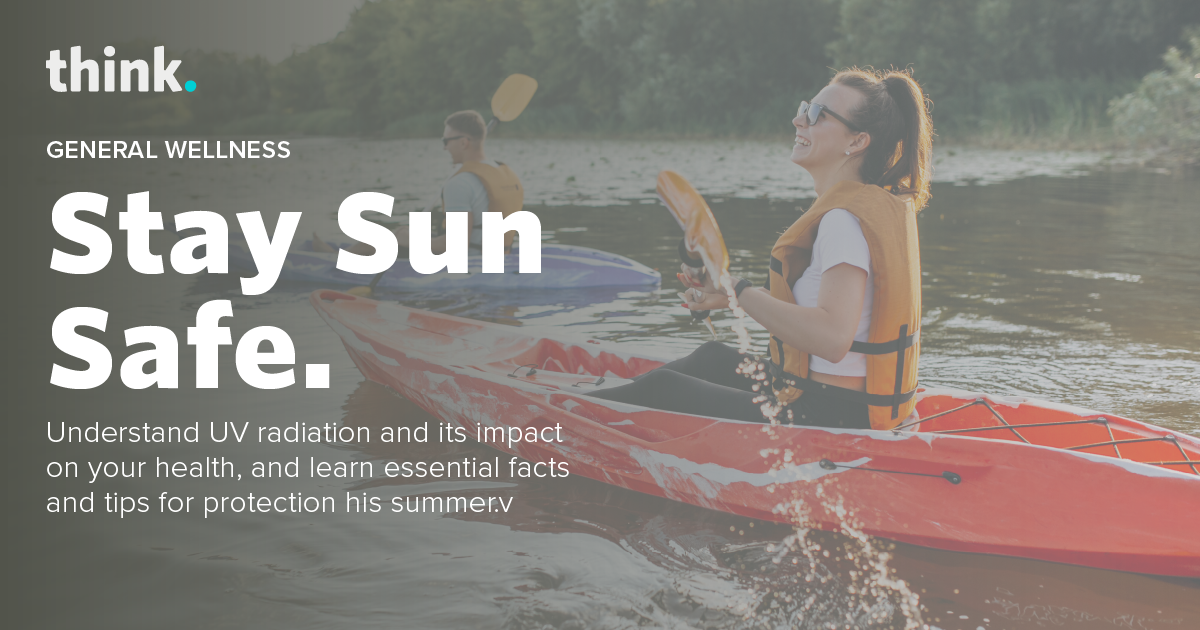
Older woman drinks water in a park. Text reads: Beat the heat, stay safe when temperatures rise. The summer heat has arrived. Are you prepared to prevent heat stroke? Website: thinkhealthcare.org.

Beat the heat, stay safe when temperatures rise.

The summer heat has arrived. Are you prepared to prevent heat stroke?

Summer’s warm sun and longer days are a welcome change, but with the sizzling temperatures comes an increased risk of heat-related illnesses. According to the Centers for Disease Control and Prevention (CDC), extreme heat is one of the leading causes of weather-related fatalities in the United States, claiming an average of 658 lives annually.

While high temperatures are a concern, humidity plays a significant role as well. The combination of scorching temperatures and humidity creates a double whammy effect, making it harder for the body to cool itself down. Heat exhaustion and heat stroke are two of the most serious conditions associated with excessive heat exposure.

Recognizing the Signs of Heat Illness

Heat exhaustion occurs when the body loses an excessive amount of fluids and electrolytes, often through heavy sweating during hot weather.

Warning signs of heat exhaustion include:

  • Headache
  • Nausea or vomiting
  • Dizziness or fainting
  • Muscle cramps
  • Weakness or fatigue
  • Heavy sweating
  • Increased body temperature
  • Excessive thirst
  • Irritability
  • Decreased urination

Heat stroke is a more severe condition that develops when the body can no longer regulate its own rapidly rising temperature. Sweating, the body’s natural cooling mechanism, shuts down, causing the body temperature to soar to dangerous levels. With heat stroke, a person’s body temperature can reach 106°F (41.1°C) or higher within minutes. Without immediate medical attention, heat stroke can lead to permanent brain damage, organ failure, or even death.

Symptoms of heat stroke include:

  • Hot, red, dry skin (no sweating)
  • High body temperature (above 103°F or 39.4°C)
  • Rapid pulse
  • Confusion or altered mental state
  • Slurred speech
  • Loss of consciousness
  • Seizures

Taking Action When Someone Shows Signs of Heat Illness

If you suspect someone is experiencing heat stroke, take these immediate steps:

  • Call 911 for emergency medical assistance.
  • Move the person to a cooler, shaded area and remove any unnecessary clothing.
  • Increase air circulation around the overheated individual.
  • Cool the person down by applying cool water or an ice bath, wetting their skin, or placing wet cloths on their head, neck, armpits, and groin. You can also soak their clothes in cool water.

For suspected heat exhaustion, follow these first-aid measures:

  • Transport the person to a ThinkQuick Walk-In Clinic or an emergency room as soon as possible. If transportation is unavailable, call 911 immediately.
  • Move the person to a cooler, shaded area.
  • Remove excess clothing, socks, and shoes.
  • Encourage the person to sip cool water frequently.
  • Apply cold compresses to their skin, particularly the face, head, and neck. Alternatively, help them cool their face, head, and neck with cool water.

Who’s Most at Risk?

Young children and adults over 65 are especially vulnerable to the dangers of excessive heat. Individuals with pre-existing health conditions like high blood pressure, diabetes, heart disease, or obesity are also at higher risk. Participating in strenuous physical activity in hot weather, consuming alcohol, or taking medications that affect body temperature or sweating can also increase the risk of heat-related illness.

Preventive Measures to Stay Cool

Be aware of your risk factors and those of your loved ones. Are there any underlying health conditions that could be worsened by high heat and humidity? If you don’t have air conditioning, consider using other cooling methods like a swamp cooler or fans. During heat waves, encourage those without air conditioning to spend time in cooler public spaces.

Here are some additional proactive tips to stay cool:

  • Wear loose-fitting, lightweight clothing and a hat when outdoors.
  • Schedule outdoor activities and exercise for the cooler parts of the day.
  • Drink plenty of non-alcoholic fluids throughout the day, and provide extra fresh water for pets.
  • Never leave children or pets unattended in a car, even for a short errand.
  • Check on elderly, disabled, or homebound individuals during heat waves.

ThinkQuick Walk-In Clinic is Here to Help.

Our team at ThinkQuick Walk-In Clinic is available every day of the week to treat minor illnesses and acute injuries, including heat-related illnesses. We encourage you to learn more about underlying health conditions that can increase your risk of heat-related illness in hot weather.

Think Whole Person Healthcare is committed to providing comprehensive, high-quality care at affordable costs. Call 402-506-9049 to schedule an appointment today or book online with your primary care physician. Think Whole Person Healthcare offers convenient same-day appointments in our central Omaha location.

Beat the heat, stay safe when temperatures rise.

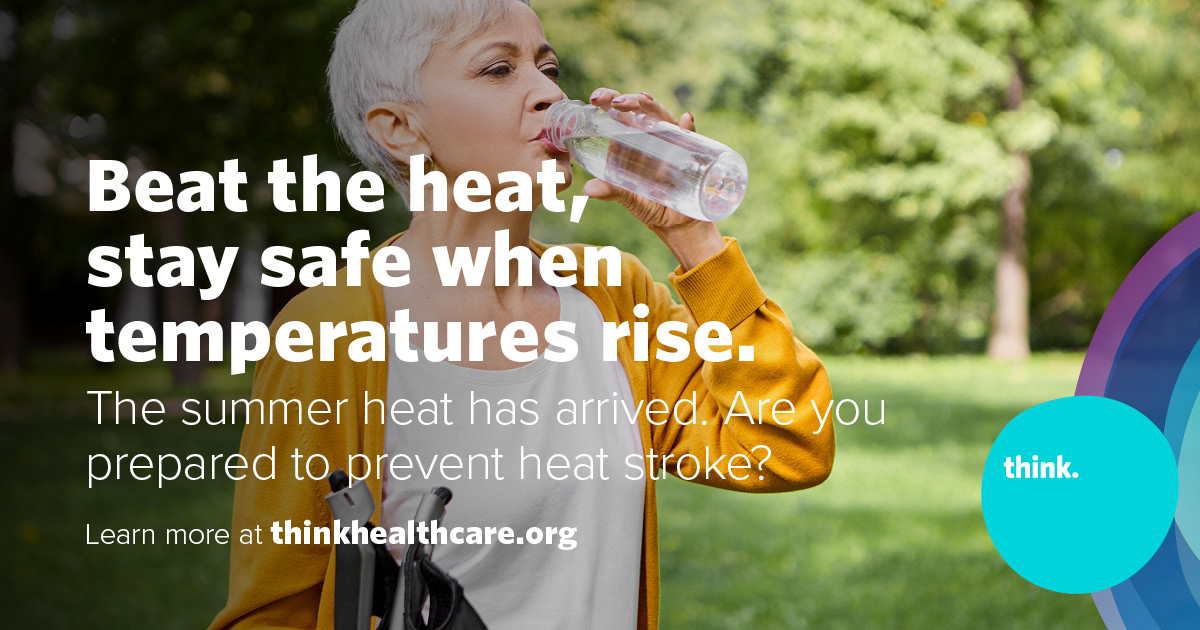
An older woman drinks water outdoors on a sunny day. Text on image warns about summer heat and preventing heat stroke. A thinkhealthcare.org logo is in the corner.

Beat the heat, stay safe when temperatures rise.

The summer heat has arrived. Are you prepared to prevent heat stroke?

Summer’s warm sun and longer days are a welcome change, but with the sizzling temperatures comes an increased risk of heat-related illnesses. According to the Centers for Disease Control and Prevention (CDC), extreme heat is one of the leading causes of weather-related fatalities in the United States, claiming an average of 658 lives annually.

While high temperatures are a concern, humidity plays a significant role as well. The combination of scorching temperatures and humidity creates a double whammy effect, making it harder for the body to cool itself down. Heat exhaustion and heat stroke are two of the most serious conditions associated with excessive heat exposure.

Recognizing the Signs of Heat Illness

Heat exhaustion occurs when the body loses an excessive amount of fluids and electrolytes, often through heavy sweating during hot weather.

Warning signs of heat exhaustion include:

  • Headache
  • Nausea or vomiting
  • Dizziness or fainting
  • Muscle cramps
  • Weakness or fatigue
  • Heavy sweating
  • Increased body temperature
  • Excessive thirst
  • Irritability
  • Decreased urination

Heat stroke is a more severe condition that develops when the body can no longer regulate its own rapidly rising temperature. Sweating, the body’s natural cooling mechanism, shuts down, causing the body temperature to soar to dangerous levels. With heat stroke, a person’s body temperature can reach 106°F (41.1°C) or higher within minutes. Without immediate medical attention, heat stroke can lead to permanent brain damage, organ failure, or even death.

Symptoms of heat stroke include:

  • Hot, red, dry skin (no sweating)
  • High body temperature (above 103°F or 39.4°C)
  • Rapid pulse
  • Confusion or altered mental state
  • Slurred speech
  • Loss of consciousness
  • Seizures

Taking Action When Someone Shows Signs of Heat Illness

If you suspect someone is experiencing heat stroke, take these immediate steps:

  • Call 911 for emergency medical assistance.
  • Move the person to a cooler, shaded area and remove any unnecessary clothing.
  • Increase air circulation around the overheated individual.
  • Cool the person down by applying cool water or an ice bath, wetting their skin, or placing wet cloths on their head, neck, armpits, and groin. You can also soak their clothes in cool water.

For suspected heat exhaustion, follow these first-aid measures:

  • Transport the person to a ThinkQuick Walk-In Clinic or an emergency room as soon as possible. If transportation is unavailable, call 911 immediately.
  • Move the person to a cooler, shaded area.
  • Remove excess clothing, socks, and shoes.
  • Encourage the person to sip cool water frequently.
  • Apply cold compresses to their skin, particularly the face, head, and neck. Alternatively, help them cool their face, head, and neck with cool water.

Who’s Most at Risk?

Young children and adults over 65 are especially vulnerable to the dangers of excessive heat. Individuals with pre-existing health conditions like high blood pressure, diabetes, heart disease, or obesity are also at higher risk. Participating in strenuous physical activity in hot weather, consuming alcohol, or taking medications that affect body temperature or sweating can also increase the risk of heat-related illness.

Preventive Measures to Stay Cool

Be aware of your risk factors and those of your loved ones. Are there any underlying health conditions that could be worsened by high heat and humidity? If you don’t have air conditioning, consider using other cooling methods like a swamp cooler or fans. During heat waves, encourage those without air conditioning to spend time in cooler public spaces.

Here are some additional proactive tips to stay cool:

  • Wear loose-fitting, lightweight clothing and a hat when outdoors.
  • Schedule outdoor activities and exercise for the cooler parts of the day.
  • Drink plenty of non-alcoholic fluids throughout the day, and provide extra fresh water for pets.
  • Never leave children or pets unattended in a car, even for a short errand.
  • Check on elderly, disabled, or homebound individuals during heat waves.

ThinkQuick Walk-In Clinic is Here to Help.

Our team at ThinkQuick Walk-In Clinic is available every day of the week to treat minor illnesses and acute injuries, including heat-related illnesses. We encourage you to learn more about underlying health conditions that can increase your risk of heat-related illness in hot weather.

Think Whole Person Healthcare is committed to providing comprehensive, high-quality care at affordable costs. Call 402-506-9049 to schedule an appointment today or book online with your primary care physician. Think Whole Person Healthcare offers convenient same-day appointments in our central Omaha location.

The difference between mineral and chemical sunscreen.

Two SkinCeuticals sunscreen bottles labeled 50 are shown. Text reads: The Difference Between Mineral and Chemical Sunscreen. Which one is right for you? and includes the website thinkhealthcare.org.

Which one is right for you?

Did you know the main difference between physical and chemical sunscreens comes down to the active UV-filtering ingredients?

A broad-spectrum sunscreen is an essential part of any morning skincare routine to shield the skin from damaging UVA and UVB rays throughout the day. Yet with so many sun-protection options to choose from, it may be hard to decide which one is best for you. To better understand the various types of sunscreens, ingredients, and formulations, taking a closer look at mineral vs. chemical sunscreen options is an ideal place to start. The main difference between physical and chemical sunscreens comes down to the active UV-filtering ingredients. These two types of sunscreens work in different ways to protect the skin from the sun.

Two SkinCeuticals sunscreen bottles, one labeled SPF 30 Daily Brightening UV Defense, the other SPF 50 Sheer Physical UV Defense, with lotion smears in the background.

Mineral-based sunscreen ingredients

Mineral (or physical) sunscreens are formulated with inorganic UV filters such as zinc oxide and/or titanium dioxide. The difference between physical and chemical sunscreen is that mineral-based active ingredients sit on the surface of the skin and reflect the sun’s rays.

Pros:

  • Generally a better fit for sensitive skin
  • May offer more hydrating benefits
  • Often recommended after professional office-based treatments

Cons:

  • More moisturizing formulas can feel heavy on the skin

Chemical-based sunscreen ingredients 

The active ingredients in chemical sunscreens are organic UV-blockers. A few ingredient names include avobenzone, homosalate, octisalate, and octocrylene. When comparing mineral vs. chemical sunscreen, chemical-based formulas are absorbed into the skin where they absorb UV rays and convert them into heat that is released from the body.

Pros:

  • Ideal for water-resistant formulations used for swimming and outdoor activities
  • Generally, is absorbed quickly into the skin
  • Does not leave skin with a white cast

Cons:

  • May not be well-tolerated by sensitive skin

Must-know information about these two types of sunscreen 

Whether you choose mineral vs. chemical sunscreen, it’s imperative to apply sun protection correctly. This means applying a generous, even layer to the face, neck, and chest 15 minutes before sun exposure and applying makeup. It’s also important to reapply sunscreen after swimming, sweating, immediately after towel drying, and at least every two hours. It’s a fact that most people do not apply enough sunscreen to obtain the level of protection stated on the bottle. As a general rule, a nickel-sized dollop should be used for the face alone, while the equivalent of a shot glass (three tablespoons) of sunscreen is necessary to protect exposed areas of the face and body.

Whether you opt for mineral vs. chemical sunscreen, daily use is non-negotiable for optimizing the health and appearance of the skin—and either of these two types of sunscreens should be the final step of your morning skincare regimen. For comprehensive protection against environmental aging, pair your sunscreen of choice with a topical vitamin C antioxidant. When used together daily, sunscreen and a vitamin C serum help protect the skin from UV rays and environmental free radicals that can contribute to premature visible signs of aging.

READY TO ELEVATE YOUR SUNCARE AND SKINCARE ROUTINE? THINK HAS YOU COVERED.

Remember, sunscreens are available to purchase at think’s gift shop, located on the first floor. Investing in proper sunscreen and using it correctly can make a significant difference in your skin’s health and longevity.

Think Whole Person Healthcare is committed to maintaining your overall well-being, and that includes skincare and sun protection. To find the best sunscreen and skincare products for your needs, visit our gift shop or schedule an appointment with your think provider.

Not a think patient yet? Explore our Services page online and choose your ideal provider by visiting our Meet Your Doctor page.
Our dedicated team is here to support your health. To schedule an appointment, call us at 402.506.9049.

The difference between mineral and chemical sunscreen.

Image shows bottles of SkinCeuticals sunscreen with text: The Difference Between Mineral and Chemical Sunscreen. Which one is right for you? Learn more at thinkhealthcare.org..

Which one is right for you?

Did you know the main difference between physical and chemical sunscreens comes down to the active UV-filtering ingredients?

A broad-spectrum sunscreen is an essential part of any morning skincare routine to shield the skin from damaging UVA and UVB rays throughout the day. Yet with so many sun-protection options to choose from, it may be hard to decide which one is best for you. To better understand the various types of sunscreens, ingredients, and formulations, taking a closer look at mineral vs. chemical sunscreen options is an ideal place to start. The main difference between physical and chemical sunscreens comes down to the active UV-filtering ingredients. These two types of sunscreens work in different ways to protect the skin from the sun.

Two SkinCeuticals sunscreen bottles, one labeled SPF 30 Daily Brightening UV Defense, the other SPF 50 Sheer Physical UV Defense, with lotion smears in the background.

Mineral-based sunscreen ingredients

Mineral (or physical) sunscreens are formulated with inorganic UV filters such as zinc oxide and/or titanium dioxide. The difference between physical and chemical sunscreen is that mineral-based active ingredients sit on the surface of the skin and reflect the sun’s rays.

Pros:

  • Generally a better fit for sensitive skin
  • May offer more hydrating benefits
  • Often recommended after professional office-based treatments

Cons:

  • More moisturizing formulas can feel heavy on the skin

Chemical-based sunscreen ingredients 

The active ingredients in chemical sunscreens are organic UV-blockers. A few ingredient names include avobenzone, homosalate, octisalate, and octocrylene. When comparing mineral vs. chemical sunscreen, chemical-based formulas are absorbed into the skin where they absorb UV rays and convert them into heat that is released from the body.

Pros:

  • Ideal for water-resistant formulations used for swimming and outdoor activities
  • Generally, is absorbed quickly into the skin
  • Does not leave skin with a white cast

Cons:

  • May not be well-tolerated by sensitive skin

Must-know information about these two types of sunscreen 

Whether you choose mineral vs. chemical sunscreen, it’s imperative to apply sun protection correctly. This means applying a generous, even layer to the face, neck, and chest 15 minutes before sun exposure and applying makeup. It’s also important to reapply sunscreen after swimming, sweating, immediately after towel drying, and at least every two hours. It’s a fact that most people do not apply enough sunscreen to obtain the level of protection stated on the bottle. As a general rule, a nickel-sized dollop should be used for the face alone, while the equivalent of a shot glass (three tablespoons) of sunscreen is necessary to protect exposed areas of the face and body.

Whether you opt for mineral vs. chemical sunscreen, daily use is non-negotiable for optimizing the health and appearance of the skin—and either of these two types of sunscreens should be the final step of your morning skincare regimen. For comprehensive protection against environmental aging, pair your sunscreen of choice with a topical vitamin C antioxidant. When used together daily, sunscreen and a vitamin C serum help protect the skin from UV rays and environmental free radicals that can contribute to premature visible signs of aging.

READY TO ELEVATE YOUR SUNCARE AND SKINCARE ROUTINE? THINK HAS YOU COVERED.

Remember, sunscreens are available to purchase at think’s gift shop, located on the first floor. Investing in proper sunscreen and using it correctly can make a significant difference in your skin’s health and longevity.

Think Whole Person Healthcare is committed to maintaining your overall well-being, and that includes skincare and sun protection. To find the best sunscreen and skincare products for your needs, visit our gift shop or schedule an appointment with your think provider.

Not a think patient yet? Explore our Services page online and choose your ideal provider by visiting our Meet Your Doctor page.
Our dedicated team is here to support your health. To schedule an appointment, call us at 402.506.9049.

Boost Your Wellness with Shrimp Spring Rolls

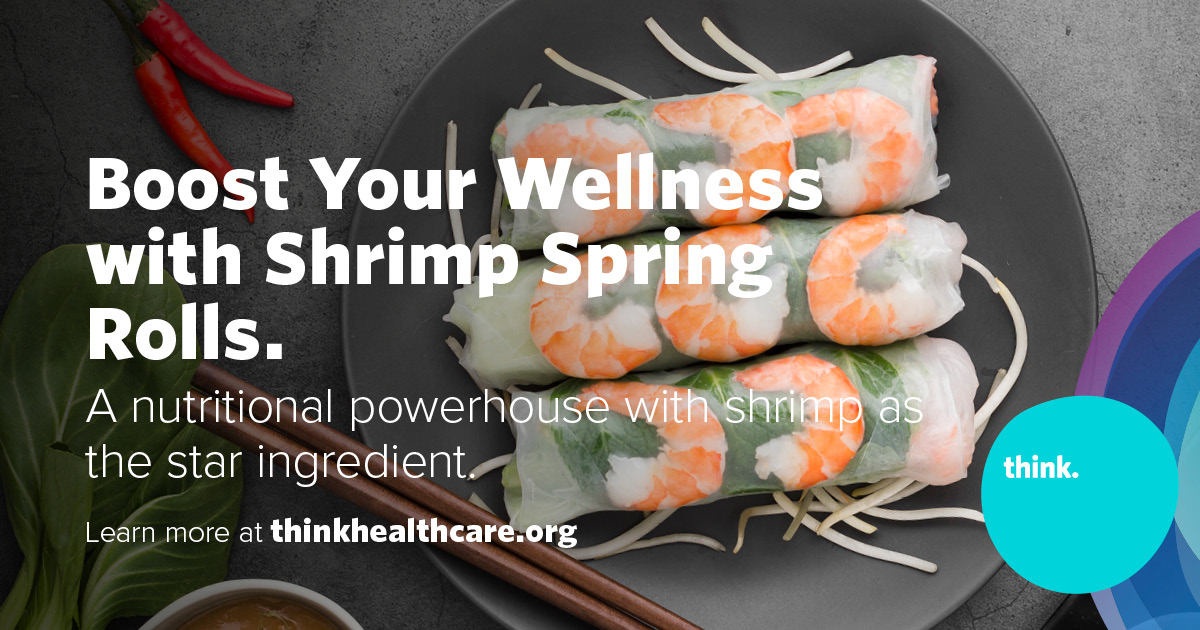
A plate of shrimp spring rolls on shredded vegetables, with a dipping sauce nearby. Text reads: Boost Your Wellness with Shrimp Spring Rolls. A nutritional powerhouse with shrimp as the star ingredient..

At Think Whole Person Healthcare, we believe that eating well can be both delicious and nutritious. Today, we’re excited to share a recipe that perfectly embodies this philosophy: Vietnamese Shrimp Spring Rolls with Peanut Sauce. This versatile dish is not only packed with flavor but also brimming with health benefits, thanks to its fresh ingredients and balanced nutritional profile. Whether you’re enjoying a fun family night or hosting a dinner party, these spring rolls are sure to impress while supporting your overall well-being.

These Vietnamese Shrimp Spring Rolls are a nutritional powerhouse. Shrimp, the star ingredient, is an excellent source of lean protein, essential for muscle repair and growth. Protein also helps keep you feeling full and satisfied, reducing the temptation to snack on less healthy options. Additionally, shrimp is low in calories and rich in nutrients like selenium, which has antioxidant properties that support immune health.

The fresh vegetables used in this recipe, such as lettuce, bok choy, carrots, jicama, and cucumber, are packed with vitamins, minerals, and fiber. Lettuce and bok choy provide essential vitamins A and K, which are crucial for maintaining healthy vision and bone health. Carrots are well-known for their high beta-carotene content, a potent antioxidant that supports skin health and boosts immunity. Jicama, a root vegetable, is a great source of dietary fiber that aids digestion and helps maintain stable blood sugar levels. Cucumber adds a refreshing crunch and is hydrating, thanks to its high water content.

The homemade peanut sauce accompanying these spring rolls is not only delicious but also nutritious. Peanut butter is a good source of healthy fats, protein, and essential vitamins and minerals such as vitamin E and magnesium. These nutrients are vital for maintaining heart health and reducing inflammation. The sauce also includes gluten-free soy sauce, which provides a savory umami flavor, and honey, which adds natural sweetness while offering antioxidants that support overall health.

Prep Time
25 mins
Cook Time
10 mins
Total Time
35 mins

Servings: 2

Ingredients

For the Spring Rolls:

  • 16 oz. large shrimp, raw, peeled, tail off
  • 4 oz. rice noodles
  • 1 tablespoon extra virgin olive oil
  • ½ teaspoon garlic powder
  • ½ teaspoon salt
  • ½ teaspoon ground black pepper
  • 12 sheets rice paper
  • 1 bunch green leaf lettuce
  • 1 bunch bok choy
  • 1 cup shredded carrots
  • ½ medium jicama, julienned
  • 1 medium cucumber, julienned
  • ¼ cup cilantro, chopped
  • ¼ cup chives, chopped

For the Peanut Dipping Sauce:

  • ½ cup smooth peanut butter
  • ⅓ cup gluten-free soy sauce
  • ⅓ cup water
  • 3 tablespoons honey

Instructions

1. Cook the Shrimp 

In a frying pan over medium-low heat, add a tablespoon of extra virgin olive oil. In a small mixing bowl, combine the shrimp with olive oil, garlic powder, salt, and pepper, ensuring the shrimp is well-coated. Sauté the shrimp for 1-2 minutes on each side until fully cooked, then set aside.

2. Cook the Noodles

Bring a pot of salted water to a boil and cook the rice noodles according to the package instructions. Once cooked, drain and rinse the noodles under cold water, then cut them into thirds to make them easier to manage when assembling the spring rolls.

3. Prep the Veggies

Julienne the cucumber and jicama, rinse the bok choy and lettuce, and pat them dry. Shred the carrots and chop the cilantro and chives. Having all the vegetables prepped and ready makes the assembly process smoother and more enjoyable.

4. Make the Peanut Sauce

In a small bowl, whisk together the peanut butter, gluten-free soy sauce, water, and honey until the mixture is smooth and well-combined. This sauce adds a rich, savory flavor that complements the fresh ingredients in the spring rolls.

5. Assemble the Rolls

Dip a sheet of rice paper in lukewarm water for 2-3 seconds and place it on a plate. The rice paper will initially be stiff but will become stretchy and sticky in a minute or two, perfect for rolling. Add a few pieces of shrimp and your desired fillings to the center of the rice paper. Fold the sides in, then roll it up tightly from the bottom, ensuring all the ingredients are securely wrapped.

6. Serve and Enjoy

Arrange the assembled spring rolls on a serving platter and serve them with the peanut dipping sauce. Enjoy the fresh, vibrant flavors and the myriad health benefits these spring rolls offer.

At Think Whole Person Healthcare, we understand that good nutrition is a cornerstone of overall health and well-being. These Vietnamese Shrimp Spring Rolls with Peanut Sauce are a perfect example of how you can enjoy delicious food while nourishing your body with essential nutrients. By incorporating a variety of fresh vegetables, lean proteins, and healthy fats, this dish supports a balanced diet and promotes optimal health. We hope this recipe inspires you to explore new culinary adventures and embrace the joy of healthy eating. Remember, eating well is not just about what you eat but also about enjoying the process and sharing it with loved ones.

Nutrition Information (per serving, without dipping sauce)

  • Calories: 208 kcal
  • Carbohydrates: 21.5g
  • Protein: 21g
  • Fat: 4.5g
  • Fiber: 3g
  • Sugar: 2.5g

Boost Your Wellness with Shrimp Spring Rolls

A plate of shrimp spring rolls sits on bean sprouts, with lime and red chilies on the side. Text promotes shrimp spring rolls for wellness. The thinkhealthcare.org logo appears in the corner.

At Think Whole Person Healthcare, we believe that eating well can be both delicious and nutritious. Today, we’re excited to share a recipe that perfectly embodies this philosophy: Vietnamese Shrimp Spring Rolls with Peanut Sauce. This versatile dish is not only packed with flavor but also brimming with health benefits, thanks to its fresh ingredients and balanced nutritional profile. Whether you’re enjoying a fun family night or hosting a dinner party, these spring rolls are sure to impress while supporting your overall well-being.

These Vietnamese Shrimp Spring Rolls are a nutritional powerhouse. Shrimp, the star ingredient, is an excellent source of lean protein, essential for muscle repair and growth. Protein also helps keep you feeling full and satisfied, reducing the temptation to snack on less healthy options. Additionally, shrimp is low in calories and rich in nutrients like selenium, which has antioxidant properties that support immune health.

The fresh vegetables used in this recipe, such as lettuce, bok choy, carrots, jicama, and cucumber, are packed with vitamins, minerals, and fiber. Lettuce and bok choy provide essential vitamins A and K, which are crucial for maintaining healthy vision and bone health. Carrots are well-known for their high beta-carotene content, a potent antioxidant that supports skin health and boosts immunity. Jicama, a root vegetable, is a great source of dietary fiber that aids digestion and helps maintain stable blood sugar levels. Cucumber adds a refreshing crunch and is hydrating, thanks to its high water content.

The homemade peanut sauce accompanying these spring rolls is not only delicious but also nutritious. Peanut butter is a good source of healthy fats, protein, and essential vitamins and minerals such as vitamin E and magnesium. These nutrients are vital for maintaining heart health and reducing inflammation. The sauce also includes gluten-free soy sauce, which provides a savory umami flavor, and honey, which adds natural sweetness while offering antioxidants that support overall health.

Prep Time
25 mins
Cook Time
10 mins
Total Time
35 mins

Servings: 2

Ingredients

For the Spring Rolls:

  • 16 oz. large shrimp, raw, peeled, tail off
  • 4 oz. rice noodles
  • 1 tablespoon extra virgin olive oil
  • ½ teaspoon garlic powder
  • ½ teaspoon salt
  • ½ teaspoon ground black pepper
  • 12 sheets rice paper
  • 1 bunch green leaf lettuce
  • 1 bunch bok choy
  • 1 cup shredded carrots
  • ½ medium jicama, julienned
  • 1 medium cucumber, julienned
  • ¼ cup cilantro, chopped
  • ¼ cup chives, chopped

For the Peanut Dipping Sauce:

  • ½ cup smooth peanut butter
  • ⅓ cup gluten-free soy sauce
  • ⅓ cup water
  • 3 tablespoons honey

Instructions

1. Cook the Shrimp 

In a frying pan over medium-low heat, add a tablespoon of extra virgin olive oil. In a small mixing bowl, combine the shrimp with olive oil, garlic powder, salt, and pepper, ensuring the shrimp is well-coated. Sauté the shrimp for 1-2 minutes on each side until fully cooked, then set aside.

2. Cook the Noodles

Bring a pot of salted water to a boil and cook the rice noodles according to the package instructions. Once cooked, drain and rinse the noodles under cold water, then cut them into thirds to make them easier to manage when assembling the spring rolls.

3. Prep the Veggies

Julienne the cucumber and jicama, rinse the bok choy and lettuce, and pat them dry. Shred the carrots and chop the cilantro and chives. Having all the vegetables prepped and ready makes the assembly process smoother and more enjoyable.

4. Make the Peanut Sauce

In a small bowl, whisk together the peanut butter, gluten-free soy sauce, water, and honey until the mixture is smooth and well-combined. This sauce adds a rich, savory flavor that complements the fresh ingredients in the spring rolls.

5. Assemble the Rolls

Dip a sheet of rice paper in lukewarm water for 2-3 seconds and place it on a plate. The rice paper will initially be stiff but will become stretchy and sticky in a minute or two, perfect for rolling. Add a few pieces of shrimp and your desired fillings to the center of the rice paper. Fold the sides in, then roll it up tightly from the bottom, ensuring all the ingredients are securely wrapped.

6. Serve and Enjoy

Arrange the assembled spring rolls on a serving platter and serve them with the peanut dipping sauce. Enjoy the fresh, vibrant flavors and the myriad health benefits these spring rolls offer.

At Think Whole Person Healthcare, we understand that good nutrition is a cornerstone of overall health and well-being. These Vietnamese Shrimp Spring Rolls with Peanut Sauce are a perfect example of how you can enjoy delicious food while nourishing your body with essential nutrients. By incorporating a variety of fresh vegetables, lean proteins, and healthy fats, this dish supports a balanced diet and promotes optimal health. We hope this recipe inspires you to explore new culinary adventures and embrace the joy of healthy eating. Remember, eating well is not just about what you eat but also about enjoying the process and sharing it with loved ones.

Nutrition Information (per serving, without dipping sauce)

  • Calories: 208 kcal
  • Carbohydrates: 21.5g
  • Protein: 21g
  • Fat: 4.5g
  • Fiber: 3g
  • Sugar: 2.5g