




Hydration Therapy

A splash of water forms a dramatic shape with white text: Hydration Therapy at think. Additional text invites viewers to meet a doctor at thinkhealthcare.org, with a blue think. circle logo on the right.

Several medical conditions from heat exhaustion to food poisoning can deplete your body of fluids and leave you in need of rehydration. Instead of visiting the emergency room or hospital, think healthcare professionals can get you feeling better quicky through intravenous (IV) hydration therapy. Hydration therapy replenishes your body faster and more efficiently than drinking fluids can. 

Water comprises about 55% to 78% of your body. Your brain and heart are roughly 75% water. Proper hydration helps you digest foods, make saliva, balance chemicals, cushion bones and regulate body temperature. Water keeps you from overheating, especially in warm weather and during intensive exercise. 

What is hydration therapy?

Hydration therapy is a simple treatment that injects fluids into your bloodstream through a thin IV line. The fluids may be a saline solution or other fluids that could possibly include electrolytes and even medication, depending on your health needs. 

What conditions does hydration therapy treat?

Some of the most common reasons for hydration therapy include dehydration, postural tachycardia syndrome (PoTS), migraines, ulcerative colitis and Crohn’s disease. Dehydration happens when you don’t drink enough water or you lose fluids quickly through vomiting, diarrhea, sweating or frequent urination. Your cells dry out and shrivel and blood vessels constrict when your body lacks sufficient fluid Left untreated, prolonged dehydration can disrupt the distribution of salt and water in the body and lead to thicker blood, abnormal blood pressure and decreased kidney function.

What are symptoms of dehydration?

If your body is reacting to a loss of fluids, you may experience the following symptoms:

  • Excessive thirst
  • Decreased urination
  • Dark-colored urine
  • Dry lips and tongue
  • Rapid breathing
  • Fatigue
  • Dizziness
  • Confusion
  • Dry, wrinkled skin
  • Cool, blotchy hands and feet

What happens during a hydration therapy treatment?

In the comfort of our nicely appointed infusion center, a trained and personable think nurse will gently prepare your skin for a slight poke of the IV needle into a vein in your arm. After this fleeting discomfort, you can sit back and relax as IV rehydration bag slowly releases fluid solution through the IV line into your body. The hydration therapy drip takes about one hour depending on the amount of fluids needed.  

How soon will the hydration therapy start working?

You will likely start feeling the positive effects of rehydration before the IV treatment is finished. Most hydration therapy patients experience the full benefits of the infusion within two to four hours after the treatment is completed. 

Will I need follow-up care? 

With think primary care providers right in the same building as our Infusion Services, your care can be very convenient.  Simply set up an appointment with your provider to receive the hydration, and afterwards they will provide some direction for any other follow-up needs (depending upon the cause of your dehydration). 

LEARN MORE ABOUT OUR INFUSION SERVICES BY SPEAKING WITH YOUR PRIMARY CARE PROVIDER

Think makes it easy to get hydration therapy at our Infusion Center.  Think’s Infusion Services enables you to potentially bypass a visit to the Emergency Department or Hospital to receive treatment and you still have the security knowing your Primary Care provider is in the same building in case they are needed.

Our walk-in clinic treats anyone, even those who are not a think patient or do not have a primary care provider currently. To learn more about our wide-ranging healthcare services, visit our Services page online and choose your own think medical professionals by visiting our Meet Your Doctor page. 

The Importance of Sports Physicals

High school football players in action on a field, with text promoting the importance of sports physicals for young athletes and directing viewers to thinkhealthcare.org.

Football, volleyball, soccer, baseball, track. Kids and teens today can select from a variety of school and community sports and activities year-round. But before young athletes report for their first practice, most schools, local sports programs and state regulations require sports physicals, also known as a pre-participation physical examination. These exams are conducted by a physician and are required once a year or before participating in any physical activity at school, camp or another community organization. 

A sports physical helps ensure that the young athlete is healthy and physically able to join in the conditioning and challenges of their chosen sport. Pre-screening young people before they play sports helps reduce the risk of injuries and may catch other health problems that need attention. 

What Happens During a Sports Physical Exam?

Depending on the school or sport governing body, the medical requirements for a sports physical may vary slightly, but the following are common components of an exam.

  • Height and weight measurement
  • Check of heart rate and rhythm, blood pressure and oxygen saturation
  • Overall check of heart, lungs, abdomen, ears, nose and throat
  • Check of vision sharpness and clarity from a distance
  • Evaluation of strength, flexibility, posture and joints
  • Review of immunizations, medications and supplements
  • Review of athlete’s and family’s medical history
  • Urine screening 

Benefits Sports Physicals

The medical exam helps protect the athlete, teammates, staff and opposing team athletes from avoidable illnesses, injuries and possible life-threatening conditions. Sports physicals catch more than muscle and joint or breathing problems. A complete sports physical screens for any current or pre-existing conditions and family medical history that can lead to compromised health, pain or injury for the athlete. 

The thorough exam and conversation with the doctor are also a convenient way to gain training advice and techniques to help avoid injury before, during and after games and from other physical activities. 

What to Bring to a Sports Physical

The athlete’s parents or guardians will need to complete their section of necessary forms before the exam. The athlete will need to bring the following to the sports physical appointment:

  • Pertinent health and medical history including a list of current medical conditions and medications for such conditions such as allergies and asthma
  • Evaluation statement by a primary care provider or treating physician for any youth who has experienced a heart ailment or cardiac event
  • Primary care provider contact information 

What to Expect After a Sports Physical

Your think healthcare provider will determine if it is safe for your child to participate in sports. The athlete may be fully cleared for sport activities or given a health restriction such as the need to wear glasses when playing sports. 

Your think physician will also complete and sign the required sports physical form with notes about your child’s current health, special requirements to play sports and any conditions that might lead to a higher risk of injury. You will submit the sports physical form the appropriate school representative, coach or athletic trainer. 

How to Prevent Sports Injuries in Children

Physical activity for babies through adolescents is important for normal growth and development. When exercise or physical activity becomes too intense or too frequent in a short amount of time, this can breakdown tissues in the body and cause painful injury. Youth sports injuries range from sprained ankles and repetitive motion strains to broken bones and concussions. Certain risk factors can add to possible injuries for young athletes including:

  • Pre-existing health conditions
  • Anatomic malalignment
  • Improper footwear or protective gear
  • Intensive, repetitive training during growth periods
  • Imbalance of strength or joint range of motion exercises
  • Poor nutrition and hydration

A sports physical for kids and teens is not intended to replace a comprehensive annual exam, scheduled vaccinations or regular health screenings. 

Where to Go for your Sports Physicals

Think makes it easy to get a sports physical for young athletes. Our experienced team of physicians and clinicians are available every day of the week: Monday – Friday, 7 a.m.-8 p.m. and Saturday – Sunday, 9 a.m.-5 p.m. Please call 402-506-9049 to book an appointment with a Think Whole Person Healthcare physician or schedule an appointment online.

To learn more about our wide-ranging healthcare services, visit our Services page online and choose your own think medical professionals by visiting our Meet Your Doctor page. 
The Dangers of Summer Heat

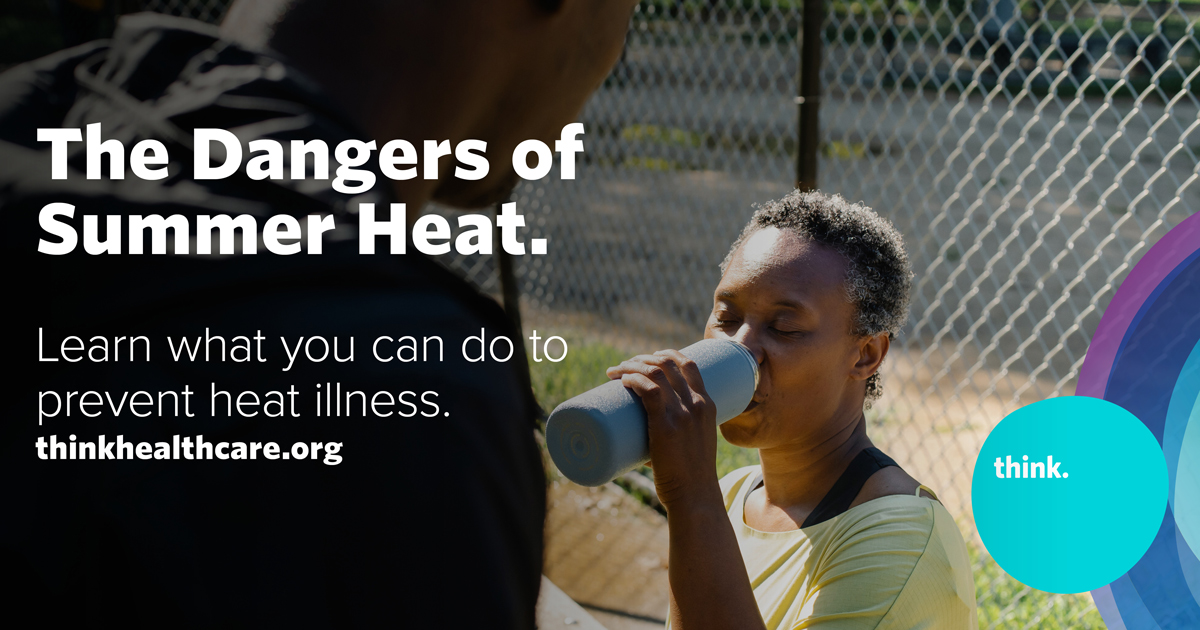
Mother drinking water at the park in the summer heat

When the summertime mercury soars, the number of heat-related illnesses soar too. The Centers for Disease Control and Prevention (CDC) reports that in the United States, heat-related deaths are among the greatest causes of weather-related fatalities. An average of 658 people in the country die from extreme heat each year. 

Heat is not the only concern. High humidity can also lead to heat-related illnesses, also called hyperthermia. A combination of soaring temperatures and humidity is double trouble. Heat stroke and heat exhaustion are two of the most serious conditions related to excessive heat. 

How to Recognize Heat Illness Symptoms

Heat exhaustion occurs when an overheated person loses excessive water and salt, typically through acute sweating. 

Heat exhaustion symptoms include:

  • Headache
  • Nausea or vomiting
  • Dizziness or fainting
  • Muscle cramping
  • Weakness or fatigue
  • Intense sweating
  • Increased body temperature 
  • Thirst
  • Irritability
  • Lowered urine output

Heat stroke occurs when the body fails to control its own temperature that is rising rapidly. Instead of cooling down naturally through sweating, the body’s sweating mechanism shuts down. With heat stroke, a person’s body temperature can reach 106°F or more within 15 minutes. Without emergency heat stroke treatment, a person can face permanent brain or organ disability or death.

Heat stroke symptoms include:

  •  Hot, red, dry skin (no sweating)
  • High body temperature (greater than 103° (39.4°C)
  • Rapid pulse
  • Confusion, changed mental state
  • Slurred speech
  • Loss of consciousness
  • Seizures

What to Do if Someone Falls Ill in the Heat

For the person with suspected heat stroke, take these first aid steps:

  • Immediately call 911 for emergency medical care. 
  • Move the person to a cooler, shaded area and remove outer clothing. 
  • Keep air circulating around the overheated individual.
  • Cool the person down by:
    • Apply cold water or an ice bath
    • Wet the skin
    • Place wet cloths on the skin, especially head, neck, armpits and groin
    • Soak clothes in cool water

For suspected heat exhaustion, take these first aid steps:

  • Transport the person to the ThinkQuick Walk-In Clinic or an emergency room. 
  • Call 911 for emergency medical care if transport is not possible.
  • Move the person to a cooler, shaded area.
  • Remove extra clothing, socks and shoes. 
  • Help the person frequently sip cool water. 
  • Apply cold compresses to skin, especially face, head and neck. 
  • Or direct the individual to cool their face, head and neck with cold water. 

Who Is at Greatest Risk?

Young children and adults age 65 and older are particularly vulnerable to excessive heat. Those individuals with high blood pressure, diabetes, heart disease or obesity are also at high risk for heat exhaustion. Participating in active physical activities in hot weather, drinking alcohol or taking medications that interfere with the body’s temperature or perspiration regulation can also bring on heat-related illness. 

What You Can Do to Prevent Heat Illnesses

Know if you or a loved one is at risk for heat-related illnesses. Are there any underlying health conditions that can be exasperated in higher heat and humidity? If a home is not air-conditioned in hot weather, be sure occupants can cool down with other cooling appliances such as a swamp cooler or fans. Or encourage those without air conditioning during heat spells to spend time in cooler public facilities.

In warmer weather, never leave children or pets alone in cars even just to run a quick errand. 

Other proactive ways to stay cool is to wear lightweight, loose-fitting clothing and a sun hat and only exercise, run errands or participate in outdoor activities during the cooler parts of the day. Drinking plenty of nonalcoholic liquids and leaving extra fresh water for pets will also help prevent overexposure to heat. Be sure to check on disabled, elderly or home-bound people during heat waves.

We Are Here to Help

Every day of the week, the ThinkQuick Walk-In Clinic treats minor illnesses to acute injuries including reactions to overheating in the sun. Learn more about underlying health conditions that can lead to heat-related illness in hot temperatures. Think Whole Person Healthcare is devoted to treating the whole person while delivering the highest quality at the lowest cost possible. Call 402-506-9049 to book an appointment today or schedule an appointment online with your primary care physician. Think Whole Person Healthcare can provide same-day appointments conveniently located in central Omaha.  

OUCH! Gout!

An elderly man grimaces in pain. Text reads, OUCH! Gout. Learn about this painful form of arthritis that can affect anyone. Website: thinkhealthcare.org. Blue and purple graphic circles appear on the right.

Gout is a common and elusive form of arthritis that can cause painful swelling in your joints. Flare-ups can last anywhere from a week to multiple weeks.

What is Gout?

Gout is a type of arthritis that leads to significant inflammation and pain in the joints—most commonly in the lower extremities. A buildup of Urate crystals triggers it. Urate crystals come from Uric acid, which occurs naturally when the body metabolizes purines. The body expels Uric acid through urination. However, when a person is overweight, eats foods rich in purines, and drinks too much alcohol, the body produces too much Uric acid and cannot expel it efficiently.

The excess Uric acid turns into Urate crystals that settle in the synovial fluid of your joints, and inflammation manifesting in acute and chronic pain occurs. Gout can affect one or multiple joints. Some people only experience Acute Gout once or twice in their lifetime. Although quite painful, Acute Gout presents quickly usually clears up in 1-2 weeks. However, some people will experience Chronic Gout where repeated flare-ups occur. Chronic gout can have long-term effects on an individual’s kidneys and joints.

Purines

Some foods are high in purines. Purines are the most common chemical on earth. This natural substance break down into uric acid as food moves through our digestive systems. Normally, the body has no problem processing purines. But, when we consume large quantities of purine-rich foods, our bodies cannot metabolize the excess efficiently, resulting in a buildup of uric acid. Here are the most common foods that are high in purines:

  • Alcoholic beverages, especially beer and red wine
  • Shellfish
  • Anchovies and sardines, herring, codfish, trout
  • Bacon, turkey, veal
  • Organ meats

Gout in history

Documentation of ‘the un-walkable disease’ dates to 2640 BC. The term gout comes from the Latin word gutta, meaning ‘drop’ because they believed disease would drop into the joints, causing inflammation and pain. Throughout history, gout was associated with the rich and royal folk who could afford to eat large quantities of rich foods and alcohol. Gout was often referred to as the ‘disease of kings. At one point in the early 1800s, gout became a catalyst to raise one’s social status because of its association with decadent lifestyles and the ability to eat extremely rich foods and drink alcohol.

Symptoms of the Disease of Kings

Symptoms of acute gout can vary by individual. A person can go to bed with no symptoms and awake with painful swelling in their toes. Acute flare-ups can occur quickly and subside within a week or two.

The onset of gout most commonly presents in the joint of the large toe. It begins with redness, pain, and swelling. Occasionally, it may appear in the knee joint.

Swelling can continue for several days up to two weeks from the onset of symptoms. The pain and swelling often can impede one’s ability to put weight on their foot, thus making it difficult to walk without severe pain and discomfort.

The three most common symptoms are:

  • Redness around the involved joint
  • Swelling with some heat to the skin
  • Sharp pain that intensifies with pressure

Long term impact on your body

Patients with chronic gout will more likely be diagnosed with several other chronic conditions such as:

  • Kidney damage and kidney stones
  • Gout can also affect the joint bursa (sacs of fluid that help cushion muscles and tendons as they move over bone).
  • Tendon sheaths and fascia tissue can be affected by prolonged, high uric acid levels.
  • People who experience gout may be more likely to develop complications or other diseases like hypertension, diabetes, and congestive heart failure.

Treatment for Gout

Your doctor can provide an effective treatment plan after closer examination. Your unique condition will determine the best method of treatment. In general, there are four fundamental objectives to the treatment process:

  1. Prevention – prescribing a healthier diet low in purines, weight loss, abstinence of alcoholic beverages.
  2. Pain management – Reduce the amount of pain you experience through anti-inflammatory medications.
  3. Prescribing Colchine, steroid or non-steroid anti-inflammatory drug– medications that treat the inflammation caused by uric acid and urate crystals.
  4. Avoid future flare-ups – and tophi, prolonged elevated levels of uric acid, and urate crystals that form monosodium urate deposits in the form of lumps and masses in joints and tissues. Usually met with continuous use of Allopurinol (medication used to prevent increased uric acid levels).

What you can do to avoid gout

The most important action you can take to avoid gout is starting with your Primary Care physician’s visit. This visit should include accurate descriptions of your diet and alcohol intake. Once a comprehensive health assessment is established, your provider may recommend some lifestyle changes such as:

  • Reduce the amount of alcohol you drink
  • Weight loss
  • Exercise
  • Increase your water intake

Follow a diet recommended by a nutritionist or provider based on foods low in purines. Some common foods are:

  • Eggs, nuts, and peanut butter
  • Bread, rice, popcorn
  • Some fruits and vegetables
  • Skim or 1% milk

Final thoughts

See your Primary Care physician regularly—even when you feel fine. You can feel great one day and wake up in pain with gout. Having your doctor know about your dietary habits and overall health can help you avoid the potential risk of high uric acid levels. If it’s been more than 12 months since you saw your Primary Care physician or don’t have a Primary Care doctor, schedule an appointment today. Think Whole Person Healthcare can provide same-day appointments conveniently located in central Omaha.

Ten heart-healthy foods

Heart healthy foods

Eating heart-healthy foods doesn’t have to be a punishment. Here are ten favorite foods and a couple of easy recipes that will put a smile on your face and help lower your heart disease risks.

Why eat heart-healthy foods?

Every 36 seconds, a person in the United States dies of heart disease. Many of these deaths are due to poor dietary choices. Americans consume, on average, 3,600 calories a day which is roughly 1000 calories more than our average daily requirements. These extra calories–often from unhealthy foods–helps to contribute to obesity, diabetes, and heart disease. Making healthy food choices not only puts the right nutrition into your body but, by default, reduces your caloric intake. When you combine healthy food choices with activities that improve your health, you are setting yourself up for success and will improve your heart health.

Free from fat but still has a cost.

Even with healthier food choices, you can overeat and become overweight. Remember, in the late 1980s, when we were introduced to “Fat-Free,” and everyone jumped on the bandwagon? Consequently, people continued to gain weight. They didn’t realize they were substituting fat (and the flavor attributed to fat) for other unhealthy ingredients, like sugar, sodium, and artificial flavoring. Additionally, we began eating more because, well, it’s “Fat-Free,” assuming they were lower calorie. But the reality was, the food had the same if not more calories as the full-fat versions. Remember Snackwell Cookies?

Heart-healthy foods: Calories are not created equal.

Not all calories are created equal. Some foods are highly caloric and therefore pack a lot of energy (calories) into a very small amount of food. Still, your body interprets that large volume of calories in a short period as “surplus” and stores the energy in the form of body fat. For instance, 100 calories of Apple is about one medium apple. But, 100 calories of potato chips is about nine chips! Who eats just nine chips?

Ten heart-healthy foods

Meals don’t have to be boring and tasteless. Our top ten foods for healthy hearts can be incorporated into countless recipes that yield amazingly tasty dishes. Word to the wise, portion control is also important when eating healthy foods. Eating a whole box of Ghirardelli dark chocolates is not going to move you toward a healthy heart. So practice moderation

Avocados

An Avocado isn’t a fruit or a vegetable; it’s classified as a berry! It’s also very good for your heart. Avocados are high-calorie. Most of their calories come from the higher fat content (30 grams per serving). Fat in avocados is healthy when consumed in moderation. Avocados are a great source of natural fiber and essential vitamins and minerals.

Beans, legumes, or Edamame (soybeans)

Beans are an excellent food source. Beans naturally resist digestion and ferment in our digestive tract. This fermentation process aids in the breakdown and metabolizing of beans. The fermenting process improves our digestion and the microbiota that live in our guts.

There was a study done that tracked the cholesterol in participants’ blood. Participants who ate pinto beans saw a significant reduction in serum TC and LDL-C.

Soybeans, or Edamame, are rich in isoflavones that help reduce cholesterol levels. Soy is also a good source of dietary fiber and antioxidants.

Berries

Berries are a healthy way to satisfy your sweet tooth. Also, berries are packed with antioxidants like anthocyanins that help reduce inflammation and heart disease. Another study showed that eating strawberries helped reduce LDL Cholesterol levels.

Decadent Dark Chocolate!

Another healthier dessert or treat choice is dark chocolate. Dark chocolate has antioxidants that help reduce the risk of heart disease. The downside to chocolate is it usually comes with high sugar and calorie counts and should be eaten in moderation. If you have diabetes, consult your physician before incorporating dark chocolate into your diet.

Fish

Fatty fish is a good dietary option for improving their heart health. Fatty fish is rich in Omega 3 fatty acids and many vitamins and minerals. How you prepare your fish can neutralize the health benefits if you choose to fry fish in oil or serve it with decadent sauces like Hollandaise. Fish rich in Omega 3 fatty acids are salmon, tuna, mackerel, sardines, halibut, and trout.

Green Leafy Vegetables

“Eat your vegetables!” Leafy vegetables like kale or spinach are full of beneficial vitamins and minerals considered heart-healthy foods. Green leafy vegetables are a healthy source of fiber and help contribute to the sensation of being full–thus reducing our caloric intake. Making a salad for a meal is a wonderful way to incorporate leafy vegetables into your diet so long as you go light on the cheese, croutons, and dressing! 

Nuts like Walnuts and Almonds

Nuts are a great energy source (high calorie) and should be eaten in moderation. Studies have shown that tree nuts have a positive impact on the prevention of cardiovascular disease. Nuts are full of healthy fats, minerals, and nutrients attributed to healthy heart care. Did you know that just ten almonds can equal close to 70 calories?

Olive Oil

Olive oil is a great source of monounsaturated fatty acids, which contribute to heart health. This versatile oil can be used in cooking, baking, and even dressing your green leafy salad! Olive oil contains oleic acid, which is also beneficial to healthy hearts, and studies have shown it can aid in reducing heart disease.

Tomatoes 

Tomatoes are loaded with antioxidants and lycopene–a plant pigment with antioxidant properties. Along with vitamins and minerals, these nutrients help increase HDL (good) cholesterol and can aid in the reduction of free radicals in your blood system–helping to improve your heart health. Additionally, tomatoes are the most popular vegetable grown in home gardens!

Whole Grains

Whole grains like whole wheat, oats, rye, barley, brown rice, and quinoa are good substitutes for refined grains. Whole grains are best defined as grains that still include their germ, endosperm, and bran. Their counterparts are considered processed grains like all-purpose flour and white rice. Whole grains provide fiber and protective coatings, which require our bodies to work “a little bit harder” to digest and activate the good bacteria in our system. Studies have been done that suggest eating whole grains can reduce your risk of heart disease by as much as 22%. 

Final thoughts about heart-healthy foods.

No matter how old you are or your current heart health condition, it’s never too late to adopt healthier eating habits. Learning to substitute unhealthy options for healthy foods takes some time to adjust and build new habits, but the outcome is worth it. If you consider changing your diet, please consult your Primary Care physician first. They can ensure you are on the right path to a healthier heart.

Explaining Seasonal Affective Disorder (SAD) 

Seasonal Affective Disorder

Seasonal Affective Disorder is an elusive mental health disorder that affects individuals in many ways. This article will try to provide some background and context to this often misunderstood disorder and offer some tips and tricks to mitigate the effects.

What is Seasonal Affective Disorder (SAD)?

Seasonal Affective Disorder, often referred to as SAD, is a form of depression. SAD usually cycles with the changing seasons and is prominent in the winter months when days are shorter, and the weather forces people to stay indoors. Symptoms of Seasonal Affective Disorder often appear at the onset of winter (or the season) and dissipate when the weather changes.

Like depression, SAD can present a variety of symptoms. Some of the common symptoms folks experience are:

  • Fatigue
  • Sadness
  • Irritability and intolerance with others
  • Fighting with loved ones for insignificant reasons
  • Lost of interest
  • Difficulty sleeping or excessive sleeping
  • Changes in eating habits like eating more sweets
  • Weight gain
  • Feelings of hopelessness and despair
  • And in some cases, thought of suicide

Get Immediate Help

If you or someone you know is in immediate distress or is thinking about hurting themselves, call the National Suicide Prevention Lifeline toll-free at 1-800-273-TALK (8255). You also can text the Crisis Text Line (HELLO to 741741) or use the Lifeline Chat on the National Suicide Prevention Lifeline website.

Seasonal Affective Disorder is usually associated with the winter months, but SAD can affect people in the summer months. Some common symptoms people experience in the summer months are:

  • Difficulty sleeping
  • Loss of appetite and weight loss
  • Agitation
  • Anxiety
  • Aggression or violent behavior

Symptoms of Seasonal Affective Disorder usually last between 3-5 months. Patients can be misdiagnosed as having major depression or even bipolar disorder. It’s important to talk with your provider and share as much information as possible to diagnose and treat your symptoms properly. Your healthcare provider may have you complete a questionnaire or ask you some qualifying questions that can help diagnose SAD.

Treatment for Seasonal Affective Disorder (SAD)

There are a few theories as to the cause of SAD. Serotonin and Melatonin are two chemicals in our brains that regulate important functions. Serotonin helps regulate mood, and Melatonin helps regulate sleep. People with SAD often have lower levels of Serotonin and higher levels of Melatonin. Studies also suggest that Vitamin D influences how the body produces Serotonin. Humans get Vitamin D in a couple of ways. We get Vitamin D when we eat Vitamin D-rich foods, and our bodies produce Vitamin D when the sun hits our skin.  

There are four primary therapies to treat Seasonal Affective Disorder (SAD). 

Medication Therapy (psychiatry) 

Selective Serotonin Reuptake Inhibitors (SSRI) address symptoms of depression and work for those with SAD. Research shows that Serotonin levels are lower in people with depression. SSRI medications help regulate Serotonin levels. As with any medication, it’s important to speak with your Psychiatrist, Primary Care physician, or Clinical Pharmacist about any adverse side effects.

Light Therapy

Sunlight hitting the skin promotes Vitamin D production. And Vitamin D helps in the production of Serotonin. Full-spectrum lights can mimic the sun’s rays and create the same effect as natural light. Light Boxes will not cure SAD but may relieve symptoms associated with Seasonal Affective Disorder. We recommend a healthcare provider monitor your use of light therapy as you can overdo it and trigger insomnia, hyperactivity, and ocular issues.

Vitamin Therapy

Ideally, Vitamin D intake should occur naturally through diet and sunshine. Over-the-counter Vitamin D can help supplement your intake; however, looking at your nutrition and making adjustments may be sufficient. Vitamin D supplements are readily available at most drug stores, supermarkets, and online. If you choose to take a supplement, it’s best to begin taking Vitamin D before the decrease in daylight hours. As with any medication or supplement, we always recommend you speak with your Primary Care physician or Clinical Pharmacist first.

Cognitive Behavioral Therapy (psychology)

People who experience Seasonal Affective Disorder (SAD) often experience other emotional and cognitive challenges. Therapy, specifically Cognitive Behavioral Therapy (CBT), can help patients manage their feelings and thoughts while providing tools to help work through bouts of SAD and other emotions. CBT or Talk Therapy used in treating SAD involves several visits with a therapist. Depending on your needs, a therapist may recommend sessions throughout the winter months. In Cognitive Behavioral Therapy, therapists work with patients to explore and identify the negative thoughts and feelings associated with the winter months and replace them (or reframe them) with positive and constructive alternatives. In addition, therapists can help patients identify pleasant indoor and outdoor activities that can jumpstart their engagement with daily living. 

Tips to living with Seasonal Affective Disorder (SAD)

Although there is no cure for SAD, through proper management (either through medications or other therapies), patients can live fulfilling lives. Here are a few tips and recommendations that may help mitigate your symptoms worth implementing.

Socialize
Spend time with family and friends. You’ll find that most people are excited to spend time with you and will make accommodations to see you. Be careful not to pass up invitations because of how you “might feel,” but accept invitations with the caveat that you may need to leave early or may cancel if your SAD symptoms persist. 

Exercise
Physical activity can help jumpstart metabolisms and trigger chemicals in our brains that regulate mood. Vigorous exercise may sound overwhelming, and that is okay. We recommend starting with a walk around the block or riding a stationary bicycle for one 30-minute program. If you are up to it, going to a gym and participating in structured workout programs can greatly improve your management of SAD.

Diet
Some foods have a direct influence on how we physically and emotionally feel. Be conscious of how different foods affect you and make healthy choices. With SAD, people may crave “Comfort Foods,” which, when eaten in moderation, can be a positive experience. Practice caution and restraint as not to overindulge. 

Consuming foods rich in Vitamin D can be beneficial. Some foods to consider are:

  • Dairy or fortified foods
  • Oily fish such as tuna, salmon, and cod
  • Eggs

Final thoughts

Seasonal Affective Disorder may not be curable, but the symptoms are manageable. If you or a loved one experiences SAD, seek professional help. At Think Whole Person Healthcare, we have Primary Care physicians and a Behavioral Health team that can work together to design a treatment program specifically for you. Don’t go another season suffering!

Set yourself up for success with SMART Goals.

Illustrates SMART Goals

Goal setting shouldn’t create a sense of dread or failure; it should be empowering and clarifying. 

What are SMART Goals?

Wikipedia defines S.M.A.R.T. as a mnemonic acronym, giving criteria to guide in setting objectives, such as in project management, employee performance management, and personal development. That’s a lot of words to say “a smart and effective way to structure goals so you can have a sense of accomplishment.” So, let’s break down SMART into each of the criteria and offer a bit more context.

SMART goals that are Specific

SMART goals should be specific enough that there is very little room for confusion or loopholes. Regardless of their desire to achieve a goal, most people will gravitate to loopholes and ultimately fail at achieving their goals. There’s a lot of theory as to why we act this way. I suspect the biggest component is our subconscious activating our risk manager (that little voice that keeps us safe). Goals usually mean some significant change in our lives. And with change, there is often some risk. “Will I like the results of losing 20 pounds, or will it be meaningless?” 

Some examples of specific SMART goals are:

  • “I am going to walk 2 miles 4 times a week.” Not, “I’m going to walk a couple of times a week.”
  • “I’m going to be healthier.” Verses, “I’m going to exercise 3 times a week and eat fewer carbs.”
  • “I’m going to get more sleep.” Or, “I’m going to go to bed at 10 pm and wake up at 6 pm on workdays.”

The more specific you can be, the better your odds of not getting around the goal and succeeding. Trust me, the frustration of drilling down to a specific goal will yield a lot of pride and accomplishment when you achieve it. So, get specific but also keep it simple.

SMART goals that can be Measured

How will you know if you achieved your SMART Goals? That’s where having specific measurements incorporated will help you:

  • Gauge your progress.
  • Breaks goals into easily managed segments.
  • Let you know when you achieve your goal.

Which of the following goals would you consider to be measurable?

  1. I will save money this year.
  2. I will stop eating so many sugary foods.
  3. By my birthday, I will lose 25 pounds.
  4. I will walk 5 miles a week.

Although all four are worthy goals, achieving them may provide some sense of accomplishment; you can only measure two. Numbers 3 and 4 give specific amounts (25 pounds and 5 miles) that can qualify the achievement of the goal.

In goal number 1, how do you define “save money?” Is it saving $5 a week or $5,000 a year? With Goal number 2, is it a similar scenario? What defines “so many” in this particular goal?

Make your SMART goals Attainable & Achievable

The beginning of the new year is fraught with enthusiasm and bold statements. People declare they are changing every aspect of their lives, like going to the gym twice a day for a year. Or they are getting their high school body back by a reunion. Setting attainable goals sets you up for success. With true success, you will build confidence and motivation to set more goals, creating a healthy and sustainable cycle of self-improvement. 

Since everyone’s abilities are different, giving examples of attainable goals may not be applicable. When you are writing out a goal, ask yourself these questions:

  1. Is this something I can achieve in the designated time frame? Is there enough time in the day to go to the gym twice a day? 
  2. Do I have the means to accomplish this goal? Will your goal require you to spend a large sum of money to outfit a home gym to meet your daily workout goal? Does your goal require a large chunk of your time, leaving very little time to sleep, work, do chores or socialize?
  3. Am I setting the bar too low? Sometimes we shy away from stretching ourselves, and we never quite push enough to grow. Be honest when setting your goals, and don’t shortchange yourself on personal growth. 

Set goals that are challenging but attainable. Set daily, weekly or monthly goals that you can measure, whether it is saving a certain amount of money, walking a certain number of steps or practicing a lifestyle change on a regular basis. By making your goals and desired changes attainable and measurable, you can assure yourself success.  

Creating Relevant and Realistic goals

If a goal has meaning and is relevant to a current situation, that goal will become more important. Have you ever asked yourself, “Why am I doing this?” A good way to determine if your goal is relevant is to ask yourself, “Is this something that I want?” 

A good example of a relevant goal for a person with unstable blood sugars due to poor diet and inconsistency with taking their medications would be to take their medications as prescribed for the next 30 days and follow their physician-directed diet.

Having realistic goals is also critical for success. It’s not realistic for a sedentary person to set a goal to run the Boston Marathon in three months. Or, a morbidly obese person to lose 100’s of pounds before their high school reunion that’s in a couple of months. When setting goals, always ask if this is realistic. If you struggle with determining whether or not it’s realistic or relevant, ask a loved one their opinion. Please note, whenever a goal involves drastic changes in physical activity or dietary changes to produce significant weight loss, you should always check with your Primary Care physician.

Make your goals Time-bound or Timely

Did you know that most habits form after 21 days of consistent behavior? The goal with most goals is to change behavior that no longer works. Having a goal that’s time-bound and timely will create not only a sense of urgency but give you a specific timeframe to focus your attention on your behavioral changes. Here are some good examples of time-bound goals.

  1. I will save $100 each month for two years. 
  2. I will meditate for 10 minutes each morning for 30 days.
  3. I am not drinking soda for the next 90 days.
  4. By my 30th birthday, I will have my student loan paid off.

The biggest take-away from setting time-bound goals is to set yourself up for success and not to be overly aggressive with deadlines or timeframes. You want to make goal setting positive and rewarding, not punitive. 

Time to activate your goals.

Becoming good at setting goals takes practice and commitment. It may help to have someone you can be accountable to by checking in regularly on your progress and asking for help when you need additional support. 

Final thoughts.

Whenever you are making big changes in your life that may impact your emotional or physical health, please consult your Primary Care physician or behavioral health clinician. It’s important that you are physically healthy and consider how your goals could challenge your body. Your doctor may want to do a physical exam if you plan to lose weight or undergo a new exercise program. If you are making behavioral or mental health changes in your life, you might consider consulting a behavioral health provider. Whatever your goal may be, your think providers and health team are here to help you every step of the way!

Three family activities to help cope with cabin fever

A family of four sits on a couch looking bored and unhappy. Text on the image says, Cabin Fever. Its real. And its treatable! thinkhealthcare.org. Blue and purple graphics are in the corner.

Cabin fever usually impacts families right about now each year. Here are some fun (and familiar) activities the whole family can enjoy.

What is cabin fever?

Did you know there is a medical definition for cabin fever? Cabin fever is the combination of psychological symptoms felt when a person feels restricted indoors.

People tend to experience cabin fever at different intensities based on their age, activity level, and how long they expect to be inside. In the wintertime, people tend to feel cabin fever around January or February. We know winter is almost over, but we also know that snowstorms and winter can drag on into April in the Midwest. Not knowing when the weather will give us a break can heighten our feelings associated with cabin fever. Many people experienced signs of cabin fever during the COVID-19 pandemic.

  • Some common symptoms are:
  • Anxiety
  • Restlessness
  • Loneliness
  • Depression
  • Lack of energy or motivation
  • Intolerance or impatience
  • I have cabin fever. Now, what do I do?

Here are four ways to help combat cabin fever.

Go outside

Even if it’s cold, taking a brief walk around the block or even stepping outside for a few minutes can help combat cabin fever. If you can, spread your errands out over a couple of days so you can get outdoors a couple of times a week.

Social support

If you aren’t able to go outside, interacting with others can help mitigate cabin fever. A phone call, Facetime, or even a zoom call are great ways to stay in touch with others and get some human interaction.

Stimulate your mind

Making productive use of your time helps make the days go by—getting you closer to Springtime. Choose a book to read with a friend and create a mini-book club. Commit to reading a section of the novel and schedule a call to discuss. Consider learning a second (or third) language. It’s never too late to learn! You may be interested in an artistic outlet like coloring, painting, or knitting. YouTube has hundreds of how-to videos available for free.

Playing games

But the all-time favorite is reliving childhood games with family members. Here are three of the best games for all ages to play indoors or outside (weather permitting).

Hide-n-seek for inside

Everyone in the house can play hide and seek. It’s a simple game. But, it can get a bit rowdy indoors. Everyone is in one room, and the Leader goes out into the house and hides an object. The goal is for the participants to find the identified object and return it to the Leader. The person/team that returns the object to the Leader takes over as the Leader for the next round. If participants have trouble locating the object, the Leader should offer clues to help keep the game progressing. Pair younger children with older adults, and they can work as a team.

Variations can include elements of “I Spy” where the Leader doesn’t disclose the object but provides a clue. The participants have to figure out what the object is and locate it before the others.

Simon Says

This activity can be fun for parents to play with their kids. It creates a wonderful opportunity for children to learn valuable listening skills while getting an opportunity to burn off some energy. If you aren’t familiar with the game, the rules are simple. The participants all stand up in from of the Leader, who we call Simon. The Leader says “Simon says” and includes some action like “touch your nose” or “jump up and down.” After a few Simon says instructions, the Leader omits to say “Simon says” before giving the task. Individuals that do the task sit down—the last person standing wins and takes over as the Leader.

Some timeless instructions are:
Touch your nose

  • Do a jumping jack
  • Turn around
  • Touch your toes
  • Take a step forward.
  • Clap your hands

Dance Party

This one can be a bit rowdy and awkward for individuals who may be self-conscious, but it can be fun and empowering. Try finding music with an upbeat rhythm. A favorite song the whole family can dance to is Happy by Pharell Williams. Children and older adults must see you having fun with dancing. So be weird. Laugh and exaggerate your movements, so they see it’s okay to look funny. Make the whole dance party exciting. For older adults, sitting in a chair and moving their upper bodies is equally beneficial. Clapping hands and singing along is also a fun way to elevate the activity.

A couple of considerations:

  • Make sure sharp edges and breakable items are stored safely away so participants can’t hurt themselves.
  • If you have children who tend to overstimulate, you may want to select different music that may be lower energy.
  • If you have participants who have mobility issues, more meditative music may be ideal.
  • Select music that’s relevant to the group. Ask for suggestions.

If possible, play the music video on your television during your dance party session. Omit if your audience is easily overstimulated.

The most important thing to keep in mind is to have fun! Dance Party is about shedding your self-consciousness and moving around—getting your heart rate up and burning off energy.

A final note about cabin fever.

As with any changes to your routine, check with your Primary Care physician, especially if you have a relatively sedentary lifestyle or health issues. If you don’t have a Primary Care physician, visit our Meet your Doctor page and schedule an appointment today.

Being a Caregiver

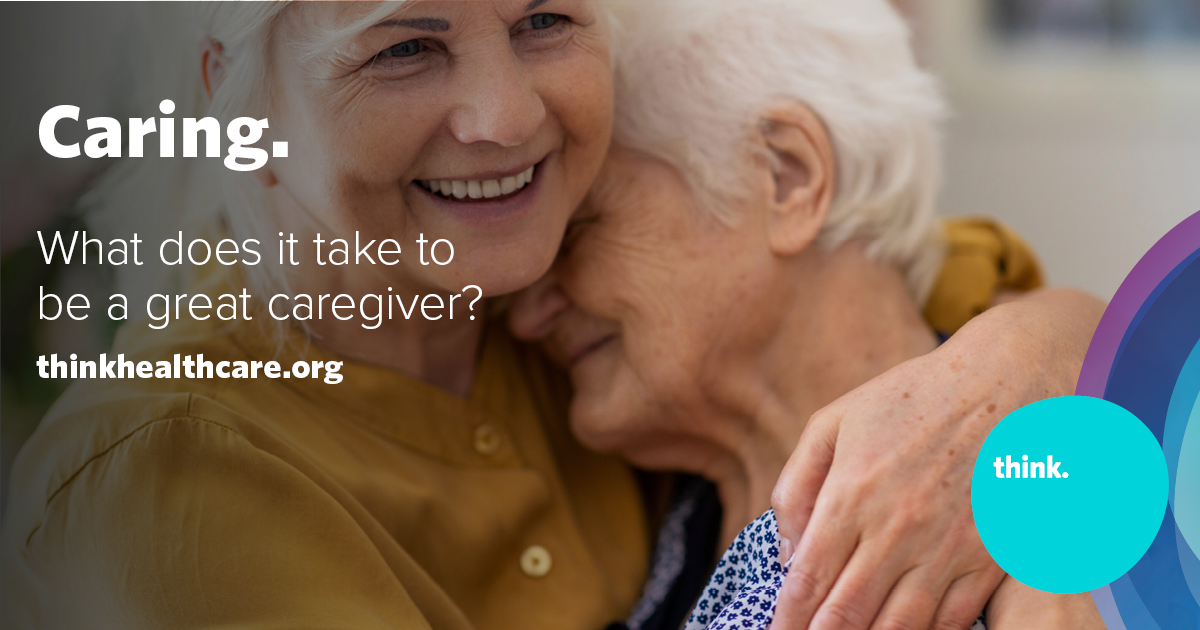
Two women embrace and smile warmly. Text reads: Caring. What does it take to be a great caregiver? thinkhealthcare.org. A blue circle with think. is in the corner.

It’s not uncommon for adult children to become caregivers for their aging parents, or spouses caring for one another.

Being a caregiver is not always an easy — or rewarding — job. Regardless of your circumstances, being the best caregiver while maintaining your needs is the key to your success.

What are some types of caregiving?

There are many kinds of caregivers. Physicians, nurses, and care coordinators are all caregivers. There are other types of caregivers, like adult children, parents, and spouses. There is a broad spectrum of levels of care one provides. It may be being there ‘just in case’ an elderly parent needs assistance. Or it could involve more supervision for a parent with early onset dementia. Some caregivers provide extensive care such as basic daily needs like, bathing, grooming, assistance with the bathroom, feeding, etc. Regardless of the level of care you provide, your role can take a toll on you.

When am I considered a caregiver?

It’s a complicated thing to define. As your loved one ages, they have a harder time getting to the store or running an errand and might reach out to you for help. Or your loved one might have a chronic condition, and that typically means they’ll need help managing their healthcare.

As your loved one continues to age, your responsibilities likely increase. Somewhere along the line, you’ll likely become a caregiver.

How do caregivers support their loved ones while also maintaining boundaries?

Being a caregiver is a complicated role to fill. Often, you have your own responsibilities and own families to care for. You want to be there for everyone, but there isn’t enough time for everything and burnout is always looming. Here are a few tips to help you maintain boundaries:

Educate yourself. Understand your loved one’s condition. Learn if the condition will worsen over time (requiring more care) or if it’s more of an acute situation, like a broken bone or post-surgery convalescence.

Be honest with yourself. The first thing to do is know your own limitations. If you have a family to take care and a parent, how will the time be split? What is your personal health like? Can you physically help your loved one if they require assistance with standing, and Activities of Daily Living (ADL)?

Assess your resources. Do you have siblings, a spouse or other relatives that can help? Speak with your loved one’s physician or a think social worker who can help refer you to community services that can help with the demands of caregiving. Remember, asking for help is not a sign of weakness!

Find time for yourself. Every week, carve out a couple hours of “you time” and let everyone know this time is sacred. Schedule respite care (if needed) for that time to ensure you can get away and recharge. Pick a self-care activity such as a pedicure/manicure, shopping for new clothes, a massage, or even reading a book!

Take care of your own health. If you feel run down or sick, take care of yourself. See your physician for your annual physical and your dentist twice a year. Take time to exercise or just take a walk.

Being a caregiving and dealing with emotions.

There is often a lot going on when a caregiver is taking care of a loved one. For aging parents that experience impaired cognitive abilities caused from dementia or Alzheimer’s, emotions can be quite volatile. Paired with being over-stressed and both you and your loved one can trigger one another. It’s important to understand that in the case of impaired cognitive abilities, a loved one may not have the tools to express feelings appropriately. So, being patient and tolerant is important. Remember too, it’s not about you. 99% of the time, their frustration and anger is about their situation and you are convenient.

It’s not easy being the target of their anger/frustration but try to remember it’s not you. Keeping mentally and emotionally healthy is paramount to your effectiveness as a caregiver. A good way to maintain your mental health is to find caregiver support groups in your area. There are several in-person and virtual groups available. You may want to consider seeing a therapist or mental health professional. Think has behavioral health specialists available to help you navigate and process your emotions.

Where should caregivers go for help?

Finding local resources to help you care for your loved one is essential. At think, we offer Care Coordination. Care Coordination doesn’t replace the day-to-day caregiver role, but it does help with scheduling appointments, medication management, general medical questions and guidance. To qualify for Care Coordination, a patient must have multiple chronic conditions. As your Primary Care provider if your loved one qualifies for this service. If they do qualify, your physician can refer you to our care coordination program, social worker to help source local resources and support. There are also clinical pharmacists to help manage medications.

The goal is to support you in your caregiving role as best we can. If you or your loved one isn’t a patient at Think Whole Person Healthcare, visit our Meet Your Doctor section and browse our physician and provider bios, then call our new patient line at 402.506.9049 or complete our new patient contact form and one of our schedulers will contact you within a business day.

Common questions and answers about drinking water.

A woman in sunglasses smiles while holding a glass of water. Text reads: Water. Some answers to common questions about drinking water. thinkhealthcare.org. A blue circle says think..

How much water should I drink?

Women should drink at least eight 8-ounce glasses a day. Men should drink ten 8-ounce glasses a day.

How can I get motivated to drink more water?

Try the Seven and Seven Challenge if you find drinking that much water difficult.

Can I drink too much water?

It is possible to drink too much water, which leads to hyponatremia or overhydration. 

Do I need to drink a whole glass of water with my medication?

Unless directed otherwise, having a full glass of water when taking medications is a good habit to have. Medications require enough water to dissolve and be absorbed properly. Check with your physician or clinical pharmacist to determine how much water you should drink with your medications.

How can I make water more enjoyable to drink?

One of the most common complaints voiced about drinking water is it doesn’t taste good or has no flavor. Over time, we train our taste buds to respond to flavors, and when we drink something less flavorful than a surgery soda, our taste buds don’t react, and we are left unsatisfied. It may require some effort on your part to reset your tastebuds. Try the seven in seven challenge and see if your tastebuds don’t begin responding to fresh, plain water.

In the meantime, try making special water. Add sprigs of washed mint or basil to your water—pair mint with berries like raspberries, strawberries, or blueberries. Explore citrus with basil. Or, if you want to try something delicious, combine cucumber slices and basil for a refreshing and thirst-quenching beverage that has zero calories!

Getting healthy is not an easy task, and it requires the support of the people around you—including your healthcare provider. Always begin any changes to your health routine with a visit to your Primary Care physician, who can make sure your health plan is safe and will yield the best results for you.