Portobello Mushroom with Egg

A baked portobello mushroom cap filled with a cooked egg, garnished with herbs. Text promotes the dishs health benefits and includes a website link to thinkhealthcare.org.

 Delicious meal packed with protein and nutrition    

Ingredients

  • 4 large portobello mushrooms
  • 2 tablespoons olive oil, or as needed
  • ¼ cup pesto, homemade or store bought
  • 4 large eggs
  • Salt and freshly ground black pepper to taste
  • 4 teaspoons finely shredded Parmesan cheese
  • 2 tablespoons minced fresh parsley
  • 2 Tablespoons finely chopped chives

Directions

  1. Set an oven rack about 6 inches from the heat source and preheat the oven’s broiler. Line a baking sheet with aluminum foil. 
  2. Use a damp cloth to remove any dirt from mushrooms. Cut stems off and use a spoon to remove gills, being careful not to break sides of the mushrooms. If there is not enough room for an egg, scrape out a bit of the mushroom flesh. Brush mushroom tops with olive oil and place topside down, on the prepared baking sheet. Use portobellos that have higher sides and not so flat to prevent the egg from spilling out
  3. Broil in the preheated oven until mushrooms start to release liquid, 5 to 6 minutes. Remove from oven and reduce heat to 400 degrees F (200 degrees C). 
  4. Pour out any accumulated liquid from the mushrooms and pat the insides dry with a paper towel. Return mushrooms to the baking sheet. Lightly brush the foil with additional oil to prevent sticking. 
  5. Spread 1 tablespoon pesto into each mushroom. Gently crack an egg into each mushroom and season with salt and pepper. Sprinkle with Parmesan cheese. 
  6. Bake in the preheated oven until whites are set and egg yolks are done to your liking, 12 to 15 minutes. Garnish with parsley and chives

Nutrition Information

Servings Per Recipe: 4 

Calories 218 kcals; Total Fat 19g; Saturated Fat 5g; Cholesterol 193mg; Sodium 222mg; Total Carbohydrate 2g; Dietary Fiber 1g; Total Sugars 0g; Protein 10g; Vitamin C 4mg; Calcium 163mg; Iron 2mg; Potassium 126mg.

Meet Mary

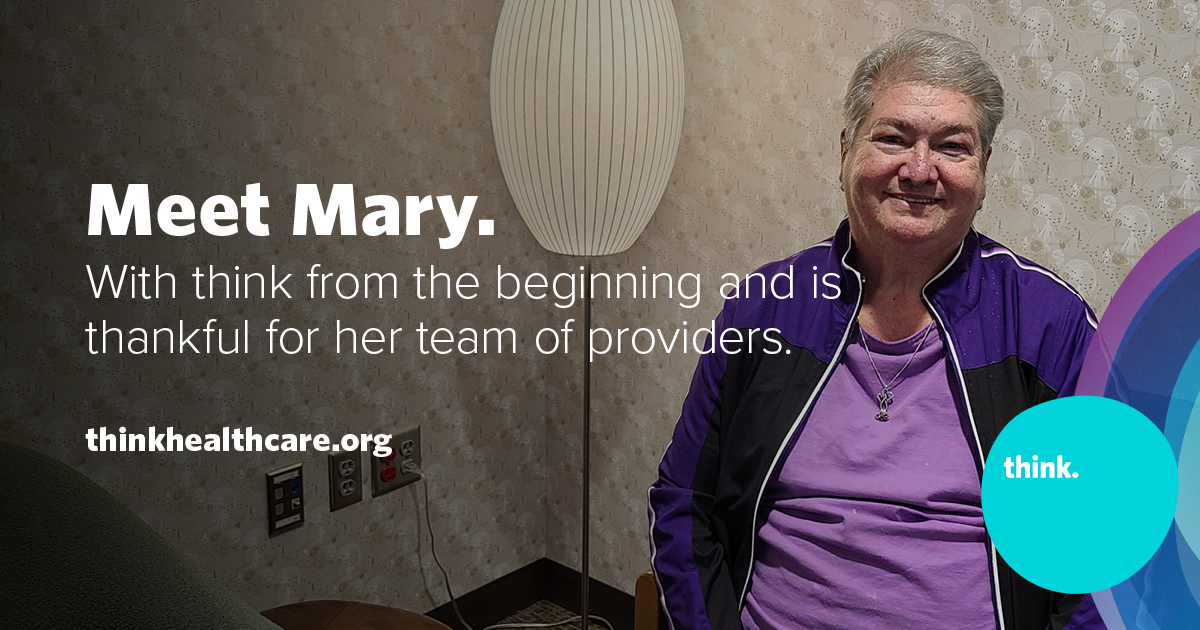
Smiling older woman in a purple jacket sits indoors. Text reads: Meet Mary. With think from the beginning and is thankful for her team of providers. Logo and website for thinkhealthcare.org are visible.

My primary care physician, Dr. Douglas Russell, informed me in 2015, during a regular visit, that he planned to join a new medical group which would necessitate a move to a new location that was being built on West Center Road near 72nd street. He also shared his reasons for such a move and described the philosophy and mission of this new medical clinic to provide the very best of patient care with a team approach.  As I listened, I realized that this new approach he was describing was healthcare that saw me as part of that team, not just the patient. 

Think opened July 6th, 2015, and my first appointment with Dr. Russell was July 7th, 2015. I remember they were laying sod as I walked up to the front door.  Since that day, I have been gratified knowing I made the right choice. 

First, staying with Dr. Russell has resulted in a doctor/patient relationship of trust and mutual respect. 

Second, I have other think providers now as part of my team that work very hard to keep me healthy and care about me: Dr. Brad Copple; Courtney Green, Pharmaceutical Care Pharmacist; John Lewis, Physician Assistant; the many nurses; lab technicians, patient access representatives; ThinkQuick Walk-In Clinic; and the Infusion Center. 

Third, I have come to appreciate the up-to-date technology that has been employed at think. That technology includes not only administrative and office processes, but also the enhancement of medical care. Many procedures that I formerly had to go to other facilities to have performed are now done at think.  This is so much easier for me! 

Fourth, communication is so very important in healthcare, and I find it very useful that I can call my team for information or with questions that need answered and knowing that I will always receive a timely reply.  

Would I recommend Think Whole Person Healthcare? Yes, without hesitation   


Dealing with Depression

A woman sits by a window looking out pensively. Text reads: Deflate Depression with Healthy Behaviors. Ignoring depression is not a healthy option. Learn how to recognize the signs of depression. thinkhealthcare.org..

If you’ve ever been down in the dumps, welcome to the club. We have all had times in our lives when we aren’t quite as cheerful as normal.  However, if those feelings stick around for several weeks, it could be a sign of depression.       

Depression is a common mental disorder experienced by over a quarter of a billion people across the world. A lack of interest in previously enjoyable activities or that persistent feeling of sadness is a mood disorder known as depression.  It has also been known as clinical depression or major depressive disorder.  This can affect how you think, how you feel, and how you behave; normal day-to-day activities may be difficult and can lead to emotional and even physical problems. Like George Bailey in “It’s a Wonderful Life,” you may not think life is worth living.     

It is important to note that depression isn’t a weakness and wishing it away is not a solution.  However, there is hope and most people with depression can feel much better by taking active steps and by visiting with our Behavioral Health team.  

Symptoms of Depression

People who have depression typically have multiple episodes, though it could be a once-in-a-lifetime event. These signs of depression can occur nearly every day and may be for most of the day during these episodes: 

  • Feelings of hopelessness, sadness, and emptiness
  • Inability to sleep, restless sleep, or sleeping too much
  • Difficulty remembering, thinking, concentrating
  • Restlessness, agitation, and anxiety
  • Frequent suicidal thoughts
  • Physical problems for which there is no explanation
  • Irritability or frustration over insignificant issues
  • No interest or sense of pleasure in most normal activities
  • Fixating on past failures and feelings of worthlessness 
  • Lack of energy and general feeling of being tired
  • Weight loss or weight gain due to increased food cravings
  • Speaking, thinking, or body movements are impaired
  • Personality changes
  • Unable to focus 

These signs of depression are usually severe enough to impede daily life such as relationships, social activities, work, school, hobbies, etc. A pervasive feeling of being unhappy or miserable without understanding why can be associated with these symptoms.  

Dealing with Depression

Most people who are experiencing depression tend to ignore the symptoms and deny they are having significant issues.  However, it is important to see your physician or one of our mental health professionals as soon as possible. You may be prescribed an antidepressant and receive some psychotherapy, a solid combination over time for combatting depression.  If not willing to come in to be seen, it is important to talk to someone you trust such as a pastor, any health care professional, a loved one, or a friend. 

If you are in severe emotional turmoil, and think you may hurt yourself or attempt suicide, call 911.  Another option is contacting a suicide and crisis hotline – call or text 988 to reach the 988 Suicide & Crisis Lifeline, available 24 hours a day, seven days a week. Or use the Lifeline Chat. Services are free and confidential.

Deflating Depression 

Dealing with life can sometimes be daunting but developing coping skills and having a good social network can help deflate depression as well as ward off any future bouts.  Managing depression is certainly about more than taking a pill, and these are some of the ways people can help themselves by engaging in healthy behaviors:   

Exercise. Just sitting on the couch probably won’t get you where you want to go. Just moderate-intensity aerobic exercise can have a “large and significant antidepressant effect in people with depression” according to a 2016 study in the Journal of Psychiatric Research.  Even walking in the mall or around the block can be very helpful.      

Healthy Diet. “You are what you eat” is probably not accurate, but what we eat is important. A healthy diet (such as Mediterranean) with fruits, vegetables, whole grains, and lean protein can be very beneficial for us all.  

Sleep. Sleep has been described as the silent healer (not quite so true of those who snore). Most adults need seven hours or more of sleep each night, and children/teens need between eight and ten. Insomnia and sleep apnea can rob you of a good night’s sleep, and these sleep disorders need to be treated in association with depression.       

Electronics.  Shutting down electronics well before bedtime is important, as research has indicated a link between digital media (in particular) and depression. Referred to as “light at night,” it can suppress sleep signals, alter mood chemistry, and elevate stress hormones.   

Socialization. If you think about it, solitary confinement has been used as a form of punishment. So, it is important to connect with people (family members and friends) to feel connected and reduce isolation.  

Other healthy behaviors may include developing a sense of purpose, utilizing relaxation techniques such as Yoga or meditation, enjoying the companionship of a pet or two, and exploring the great outdoors.  Simply breathing in fresh air and basking in the sunshine can do you a world of good. 

How Your think Team Can Help

If you are experiencing depression and anxiety symptoms that are serious enough to affect your daily routine, work, school, relationships or general health, it may be time to talk with your doctor or seek mental health assistance. Here at think, an appointment with one of our primary care providers is a good place to start. Your doctor will listen to your concerns, review your symptoms, and can also give a depression screening to assess how to best help you.

Your primary care physician may prescribe antidepressants and/or refer you to our licensed mental health professionals for care such as cognitive behavioral therapy. If you are facing a more serious depression or another critical mental health condition, your think physician may refer you to me.  

All think healthcare professionals—from our physicians and behavioral health therapists to our clinical pharmacists and pain specialists—work together to help patients of all ages stay healthy and enjoy life to the fullest. Together we look at the physical and emotional side of helping you thrive. 

LEARN MORE ABOUT DEPRESSION BY SPEAKING WITH YOUR THINK PHYSICIAN

Think Whole Person Healthcare makes it easy to receive both preventative care and treatment for a wide range of health conditions. From that continual sadness to that extra weight gain, our healthcare providers and specialists are committed to your lifelong health and well-being. Our walk-in clinic treats anyone, even those who are not a think patient or do not have a primary care provider currently. To learn more about our comprehensive healthcare services, visit our Services page online and choose your own think medical professionals by visiting our Meet Your Doctor page. 
We help you stay healthy. Give us a call at 402.506.9000.

High Blood Pressure Risks

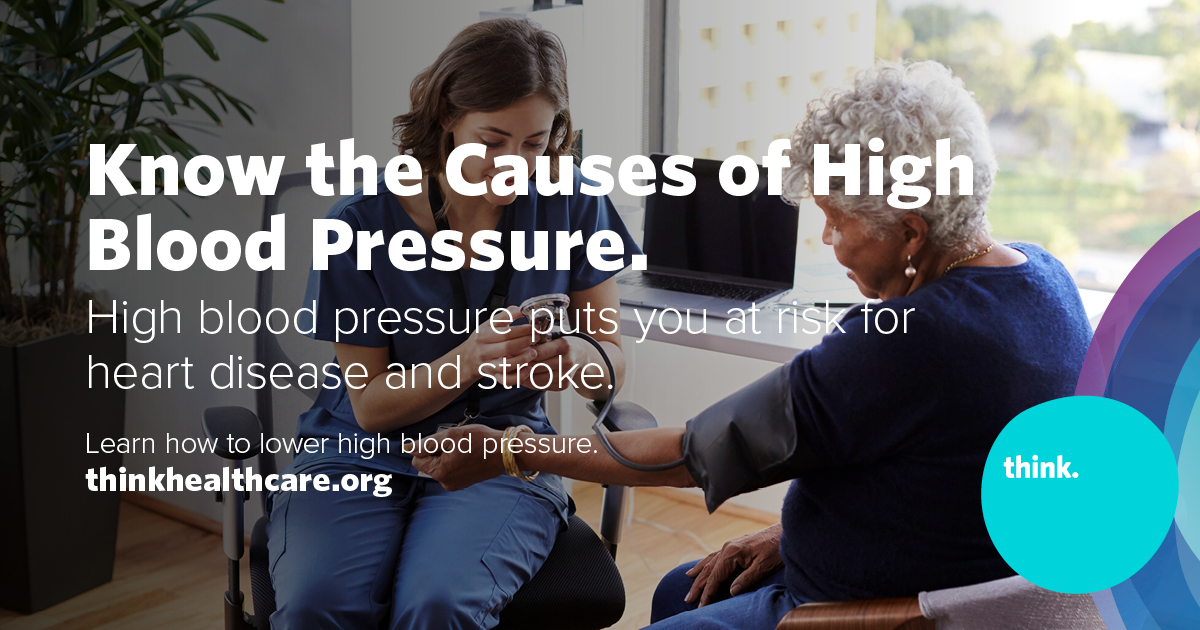
A nurse checks an elderly womans blood pressure. Text on the image urges awareness of high blood pressure causes and risks, and provides a website for more information: thinkhealthcare.org.

We’re talking about pressure within the cardiovascular system, much like pressure in the plumbing or gas pipes of your home. The gas is pressurized, and the pipes themselves keep the gas contained.  The heart is pumping blood to the veins and arteries, and so blood pressure itself is a good thing.  

However, there can be too much of a good thing (when that blood pressure becomes too high), making it hard for the heart to move blood around your system. A stroke or heart attack can result, and so high blood pressure, or hypertension, must be addressed urgently. 

Causes of High Blood Pressure

Some of the causes for high blood pressure are:   

Dehydration. A lack of water, or other fluids, thickens the blood which makes it more difficult to pump around the body. Dehydration also can cause many other symptoms such as kidney stones, headaches, constipation, etc.  

Obesity. Being overweight can cause high blood pressure. Your body works harder at moving blood, which in turn can cause your heart to beat more quickly and your blood pressure to increase. Typically, obese individuals are less active and so that means the heart needs to work even harder. 

Medications. There are a number of medications that can increase your blood pressure. Understanding how the medications can impact your overall health is a critical discussion with your Think Whole Person Healthcare provider and perhaps your clinical pharmacist. While we may not think of them as medications, alcohol raises blood pressure as does smoking and caffeine. 

Poor Diet. A diet high in sugar can result in higher blood pressure. The glucose content can thicken the blood if you eat too much sugar. Inflammation can also be caused by excess sugar in the diet and that will in turn impact the blood vessels.  A high sodium diet is a well-known factor in increasing blood pressure by pulling too much water into your blood vessels.    

Stress. Stress can cause the veins and arteries to narrow (vasoconstriction).  Also, the release of excitatory hormones (adrenaline, cortisol) will make the heart beat faster and the viscosity of the blood will thicken as protection (helping with clotting) should there be fight/flight trauma.      

There are multiple other causes of high blood pressure, including lack of exercise/being physically fit, poor sleep habits (insomnia/apnea), diabetes, high cholesterol, and in some cases, genetics. Each of these in and of themselves can increase your blood pressure, so imagine the impact upon your body in combination.  

Reducing High Blood Pressure

The bottom line is that you must take proactive measures to take care of your health, and many of these reasons for high blood pressure are preventable.  If stress is an issue, find ways to relax whether it is taking a walk in nature or taking up yoga. 

A poor diet, dehydration, and obesity can go hand in hand. Eating right, reducing sugar intake, exercising, and increasing water/fluid intake will help immensely in lowering your body weight and may impact your cholesterol and your risk for type 2 diabetes. 

Unfortunately, for many, medications are an important tool in lowering high blood pressure, and these should be taken religiously as prescribed.  It may take a little time to narrow in on just the right medication or combination of medications (two or more in combination can be particularly powerful). How well a particular drug works will be dependent on the person’s age, race, sex, overall health, and blood pressure levels. 

Remarkable Successes

Medication and modifying lifestyle choices working jointly are the most effective overall in reducing high blood pressure. If patients are on medications, they need to be taken as prescribed.  As we’re working together to get the blood pressure down,  patients need to be seen often to have their have their blood pressure checked and provide us with their readings in between visits. Once their blood pressure is regulated, they need to come in every three to six months to make sure we’re accomplishing our objective.  I’ve had numerous success stories where patients have achieved remarkable success in stabilizing their blood pressure. 

At Think Whole Person Healthcare, we understand the complexities of this condition and provide personalized care tailored to each patient’s unique needs. By prioritizing a collaborative approach, medication when necessary, and empowering self-care practices, we help our patients achieve stable blood pressure levels and improve their overall quality of life.  

LEARN MORE ABOUT CONTROLLING YOUR HIGH BLOOD PRESSURE  BY SPEAKING WITH YOUR THINK PROVIDER

Think Whole Person Healthcare makes it easy to receive both preventative care and treatment for a wide range of health conditions. From hypertension to an ankle sprain, our healthcare providers and specialists are committed to your lifelong health and well-being. Our walk-in clinic treats anyone, even those who are not a think patient or do not have a primary care provider currently. To learn more about our comprehensive healthcare services, visit our Services page online and choose your own think medical professionals by visiting our Meet Your Doctor page. 

We help you stay healthy. Give us a call at 402.506.9000. 

No Pain, No Gain?

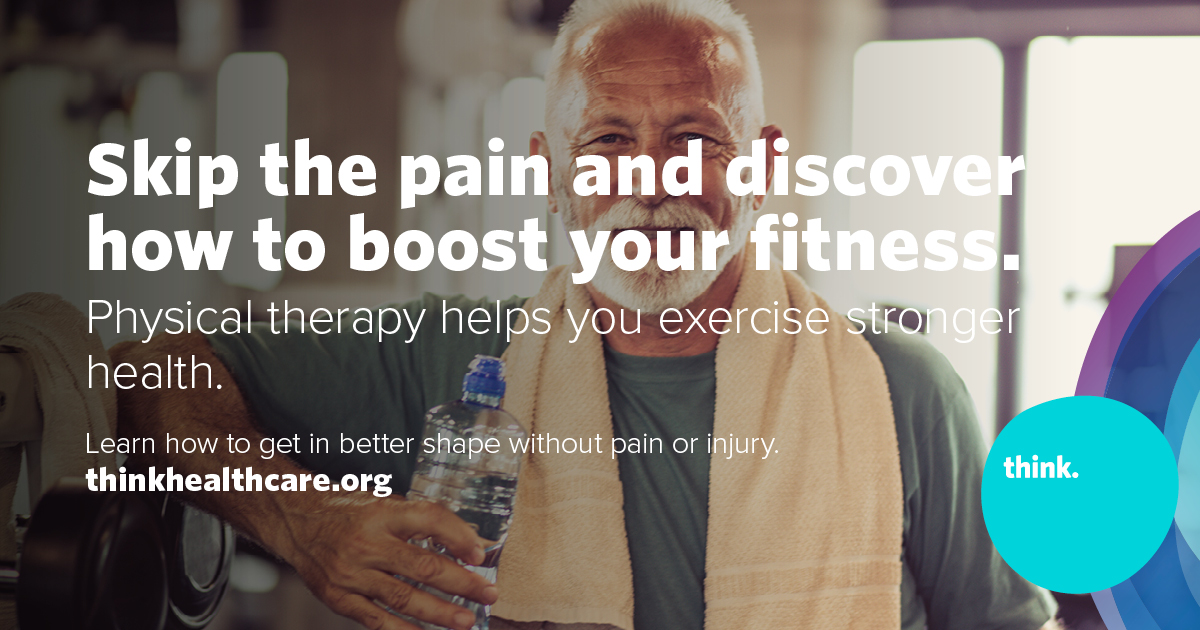
Older man with a towel around his neck stands in a gym, smiling at the camera. Text promotes physical therapy for pain-free fitness and better health.

When it comes to exercise and physical fitness, is the “no pain, no gain” philosophy the best practice? As someone who has treated hundreds of patients for a gamut of injuries from torn muscles to systemic inflammatory conditions, I think there’s a better way to approach our overall health and fitness.

Being active can boost your health from improving your cardiovascular system, reducing stress, lowering your risk for chronic diseases and easing anxiety and depression. May is recognized as National Physical Fitness and Sports Month, and it’s the ideal time to refresh our thinking on how to get in shape, stay in shape and prevent pain and injuries along the way.

Before You Start Physical Exercise and Sports

Adequately preparing your body for physical exercise and sports activities depends on the activity you choose. First, if you have any lingering or new medical conditions, you may want to talk with your physician about your fitness plans and goals. You do not want to exacerbate any physical condition that you have or cause a new problem. Also, with fitness at any level, strength and endurance can disappear quite quickly. You want to be aware of your current fitness level and then ease into where you’d like to be. 

If you’re walking for exercise, then you can gradually build up your distance or how quickly you walk. If you are just starting to golf this spring, you may want to begin with golf swing-type stretches and limber up your back and shoulders  before you tee off for the day. If you haven’t been very active during the wintertime, it’s good to ease into any exercise or sports activity. Instead of tackling 18 holes of golf the first time back on the course, aim for nine holes and increase over the next couple of weeks. Or rather than thinking you need to be back biking 20 miles a day, start out with five miles and pedal your way gradually back to your target distance. 

Recommended Exercise and Fitness Goals

The U.S. Department of Health and Human Services has compiled the Physical Activity Guidelines for Americans that lists the ideal amount and intensity of activity for adults and youth ages 3 to 17. For example, it’s recommended that adults need a minimum of 150 to 300 minutes of moderate-intensity aerobic activity (i.e., brisk walking, fast dancing) every week. The guideline encourages people to move more and sit less. This helpful guide also notes that “physical activity has immediate health benefits. For example, physical activity can reduce anxiety and blood pressure and improve quality of sleep and insulin sensitivity.”

Download the physical activity guideline to discover which forms of physical activity are best for your age, fitness goals and interest levels. 

What to Do If You Feel Pain With Exercise

With medium- to higher-intensity exercise, you might feel some discomfort after your workout. In most cases, your muscles have been stressed beyond what they are typically used to. This post-exercise discomfort is called delayed onset muscle soreness (DOMS). It is okay to feel this muscle soreness and aching a day or two after you complete physical activity that is not typical for you. DOMS may occur after shoveling snow for the first time in winter or from planting flowers for an hour in spring. Your body is going to experience discomfort from physical exertion that is atypical for you. The more your body starts to tolerate these physical activities, the less muscle discomfort you’ll feel. 

Sometimes with physical exercise you can experience pain that is more sudden or catastrophic. You may be playing sports and roll an ankle or you fall and your arm swells. You may not be grimacing in constant pain, but you know something in your body has quickly changed. You should cease the physical activity and assess the pain and your ability to move.

If you do not need immediate attention from our ThinkQuick walk-in clinic, then give yourself a few days for your body to heal. If your pain worsens or you experience tingling or numbness, signs of infection or you are not progressing in healing, then see your physician. They can make a referral to our physical therapy team. We will thoroughly evaluate your injury and overall fitness and help you return to your normal, pain-free activity level. 

How to Treat Pain and Injuries

Some of us are familiar with the at-home RICE (rest, ice, compression and elevation) method of caring for soft tissue sprains and strains. I actually prefer the PEACE and LOVE treatment credited to the British Journal of Sports Medicine. This approach considers the more chronic stages of tissue healing.

Protection  Avoid movements and activities that increase pain during the first few days after injury.

Elevation  Keep the injured limb elevated higher than the heart as much as possible.

Avoid anti-inflammatories  Anti-inflammatory medications reduce tissue healing. 

Compression  To reduce swelling, use an elastic bandage or taping. 

Education  Listen to your body and stay away from unnecessary medical treatments and advice. 

&

Load  Your body will let you know when it’s safe to gradually return to activities and increase load. 

Optimism  Stay confident and positive as you recover. 

Vascularization  Find pain-free cardiovascular activities to increase blood flow in repairing tissues.

Exercise  Restore strength and mobility through active, recovery-safe exercise.

How Think Physical Therapy Can Help

With winter in our rearview mirror, many of us are eager to get outside in the yard and garden or on the bike trail, golf course, tennis court or whatever is our favorite exercise and physical activities. But in springtime, a lot of people try to do too much. Too much lifting of the retaining wall bricks, too much sharp turning on the pickleball court. We could all use someone to guide us in our return to physical activities or in starting new exercise routines and sports. 

Physical therapy focuses on managing people’s pain and improving function. We specialize in musculoskeletal injuries, sports-related injuries and improving fitness. Usually we see people after they have injured themselves or they are recovering from surgery or some setback to their health. Other patients want to prepare themselves to be physically fit enough for a new activity or sport. We also help improve people’s balance and build up their strength and flexibility. 

Our team of physical therapy professionals is here to improve your quality of life so you can do more of the things you want to do. Skip the “no pain, no gain” mantra, and we’ll help you enjoy the activities and people that inspire you to more fun and fitness. 

NEED MEDICAL CARE? CONSIDER THINK YOUR GO-TO FOR BETTER HEALTH

Think Whole Person Healthcare is dedicated to keeping you healthy through preventative care and treatment for a wide range of medical conditions. From the perplexing pain to feeling unsteady on your feet, our physicians, advanced practice providers and specialists are committed to you and your family’s lifelong health and well-being. 

Our walk-in clinic treats anyone, even those who are not a think patient or do not have a primary care provider currently. To learn more about our comprehensive healthcare services, visit our Services page online and choose your own think medical professionals by visiting our Meet Your Doctor page. 

We help you stay healthy. Give us a call at 402.506.9000.

Staying Ahead of Allergies and Asthma

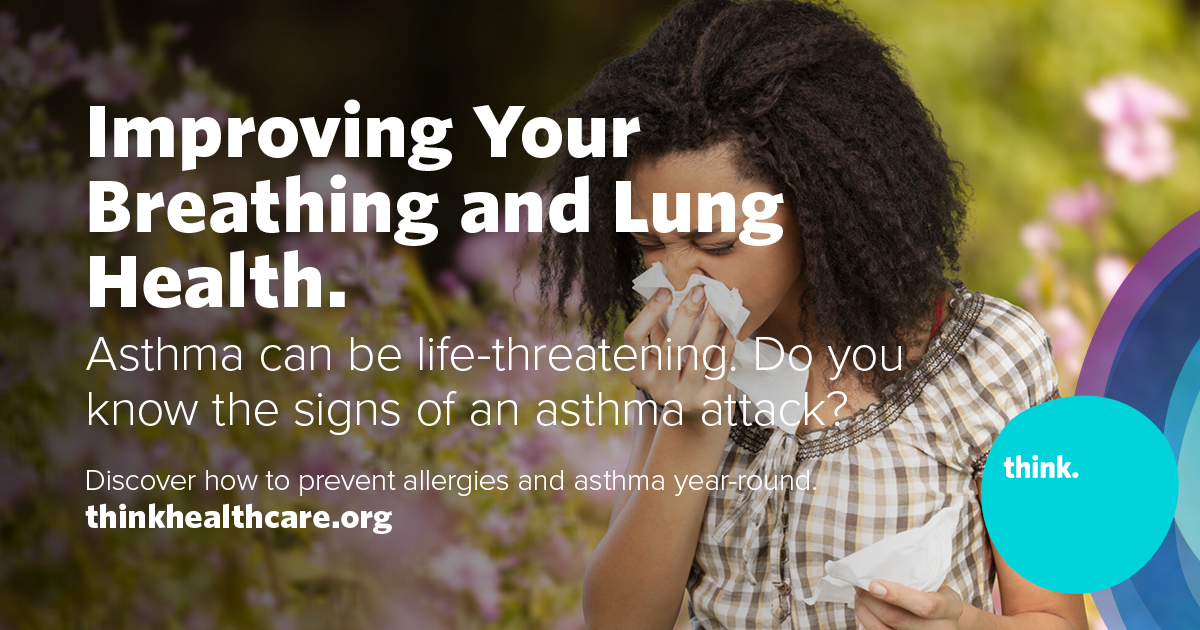
A woman outdoors blows her nose with a tissue. Text discusses asthma signs, prevention of allergies, and improving breathing and lung health. Website: thinkhealthcare.org.

Your eyes itch and your nose vacillates between running and feeling congested. Achoo! Welcome to allergy season in the Midwest. May is National Asthma and Allergy Awareness Month and we at think are seeing an upsurge in patients dealing with both allergies and asthma.

The Asthma and Allergy Foundation of America notes that in 2021 about 26% of U.S. adults (67 million) and 19% of U.S. children (14 million) were diagnosed with seasonal allergic rhinitis or hay fever. Those numbers have undoubtedly increased as allergy season now can be year-round, especially since we’re seeing milder winters, which do not fully kill off plant allergens. Around Omaha and western Iowa, people who haven’t had allergy problems are now starting to have allergy problems. Nasal allergies and asthma are closely related and intertwined. 

Is It a Cold or Allergies?

The difference between the common cold and allergies is colds are caused by a virus and nasal allergies are an immune system response of exposure to allergens, such as tree, grass or weed pollen, dust and smoke. A cold typically lasts about a week. Allergies can last several weeks or months depending on what allergen is in the air. The symptoms of nasal allergies can include itchy eyes and nose, watery eyes, runny nose, sneezing, coughing and nasal congestion with sinus pain and pressure. In more severe allergy cases, people can get skin rashes, hives and asthma attacks. 

What Is Asthma?

The National Institutes of Health reports that 1 in 13 people in the United States has asthma, the lung condition that makes it more difficult for air to pass in and out of your lungs. Oftentimes asthma is triggered by allergens in the air. The lungs of people with asthma react to allergens in the environment that may not bother other people. 

Asthma triggers include pollen, dust, smoke, and exposure to lead paint and other chemicals. Some people get an asthma attack or episode when they laugh or have other emotional responses. Another type of asthma is exercise-induced asthma also known as reactive airway disease. Asthma causes a narrowing of the bronchial tubes in the lungs.

If asthma is untreated or poorly controlled, the bronchial tubes can swell and produce extra mucus that clogs airways. The muscle bands around the bronchial tubes can also tighten and reduce space for air to reach your lungs. During an asthma attack or flare-up, the body responds to an allergen by producing histamines to attack the allergen. 

Asthma can cause wheezing (a whistling sound when you breathe), chest tightness, coughing and shortness of breath in addition to watery or itchy eyes, sneezing and runny nose. As a lung disease, asthma is a chronic medical problem that needs treatment. Without proper care, you can die during an asthma attack or episode. 

How to Prevent Allergens

Allergens in the home are the highest risk factor for asthma, so you want to help ensure allergens do not come inside and you avoid contact with allergens. Allergen prevention tips include:

  • Close the windows and doors so outside allergens cannot get inside.
  • Wash your hands regularly with soap and water. 
  • Avoid touching your nose. 
  • Change your clothes and shower if you’ve been outdoors.
  • Vacuum frequently to remove pet dander. 
  • Wash bed linens in hot water.
  • Use dust-mite proof covers on box springs, mattresses and bed linens. 
  • Shampoo carpets and clean upholstery regularly. 
  • Wear sunglasses and a wide-brimmed hat to help shield your eyes from pollen.
  • Wear a mask if you’re susceptible to certain environmental irritants. 

Remedies for Allergies and Asthma

One of the first defenses against allergies is to take over-the-counter antihistamines or use nasal sprays or antihistamine eye drops. These home remedies do not fully work for everyone and   you may need to see a medical professional. Our think medical providers can help with medications and/or nasal steroid sprays, inhalers and other treatments to help relieve allergy and asthma symptoms. Our ear, nose and throat specialist at think can also assist with allergen immunotherapy, getting skin tests and allergy shots for desensitization. Patients with more extensive lung problems may need to see our pulmonologist. Before patients leave the building, they can also consult with our pharmacists for specific allergy and asthma medications. 

Who Is Most Susceptible to Asthma?

Asthma is more common than you think. Anyone at any age can get asthma. We see a full range of patients — children through the elderly — with allergies and asthma. Typically, I see patients who are experiencing shortness of breath and wheezing. Maybe it’s a child who can’t run with the other kids. Parents will say they hear their child wheezing all the time and it’s worse at night. Adults may share that shortness of breath gets worse when they try to exercise or are more active. 

We’ve had patients come in who could hardly breathe. We’ve given breathing treatments right here in the office and then put people on antibiotics and give them some rescue inhalers. We can also prescribe a breathing treatment machine to use at home with other oral steroids. The combination of treatments really help patients. At times we see young babies with terrible wheezing, and we may direct the parents to take the baby straight to the hospital. The quicker patients get in to see us, the better. 

If people are showing symptoms of severe allergies or asthma and they shrug off how their body is reacting, this is where you can end up with problems. Every time you get a respiratory infection or a bronchitis, you can get scarring of the lungs. Once your lungs are scarred your lungs will be less functional.

Asthma is considered a lifetime condition with currently no full cure, but asthma can be managed well so people live healthy, full lives. Getting treatment for asthma and staying active with your treatment can also include getting desensitized to whatever is causing your allergies. 

When to Seek Medical Help

If you have shortness of breath with simple movement such as walking and you are experiencing ongoing wheezing, then it’s a good sign that you need to see us at think. Together we’ll do something about your allergies and asthma problems. 

Often patients will think their symptoms will get better. When the asthma progression continues, the patients can operate in denial and tell themselves they won’t have to see their doctor just quite yet. But delaying treatment for asthma is risky. Your symptoms can worsen really quickly.

As far as better treatments for allergy-induced asthma, our ears, nose and throat specialist advises prescription medications such as Dupixent® that allow patients to take fewer medicines.  If asthma patients can stay on a treatment plan daily, this can help reduce the trips to the doctor. My practical advice for allergy and asthma patients is: use your medicines. Keep up your medication regimen and do not deter from it. We enjoy our relationship with our think patients, but we prefer to see them healthy and out and about in the community. 

Need medical Care? Consider Think your go-to for better health

Think Whole Person Healthcare is dedicated to keeping you healthy through preventative care and treatment for a wide range of medical conditions. From the persistent respiratory illness to the sharp pain in the knee, our physicians, advanced practice providers and specialists are committed to you and your family’s lifelong health and well-being. Our walk-in clinic treats anyone, even those who are not a think patient or do not have a primary care provider currently. To learn more about our comprehensive healthcare services, visit our Services page online and choose your own think medical professionals by visiting our Meet Your Doctor page. 

COVID-19 Bivalent Vaccine and Booster Update

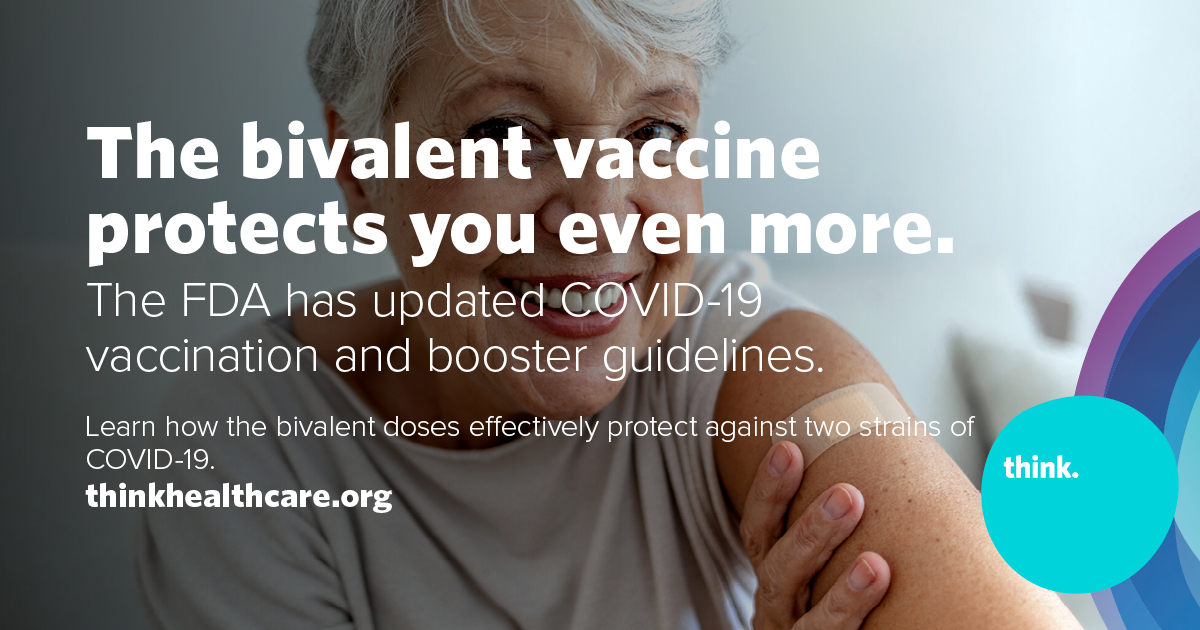
Older woman smiling after receiving a vaccine injection. Text promotes bivalent COVID-19 vaccine benefits and updated FDA guidelines. Includes website thinkhealthcare.org and health-related graphics.

COVID-19 infections and deaths have dropped significantly for the United States and we’re currently at low levels of severe illness in the greater-Omaha area. However, the coronavirus still proves a threat, particularly if you are immunocompromised or have not been fully vaccinated and boosted. 

The Food and Drug Administration (FDA) recently released new recommendations for the COVID-19 Bivalent Vaccine doses. In fall 2022, the FDA released the bivalent booster that targets two virus strains: Omicron subvariants BA.4 and BA.5, plus the original SARS-CoV-2 virus.

The latest FDA recommendations came out on April 18, 2023. The key differences are listed below: 

  • The bivalent vaccine can now be an initial dose for all eligible age groups. Most people are recommended to receive only one primary bivalent dose.
  • People aged 65 and over are eligible for a second dose at least four months following their initial bivalent dose.
  • Some immunocompromised individuals are eligible for a second dose at least two months following the initial bivalent dose.

Please see this link for additional details: Moderna COVID-19 Vaccines | FDA. If you have any questions as to eligibility, please be sure to speak with your think provider.

Staying Vigilant

The coronavirus is going to be around for a long time. Hopefully, the virus will become a milder illness as we all become more immunized against it, whether that’s by natural occurrence or by vaccinations. There are still concerns about new variants popping up around the world and making it to the U.S. We just don’t know which ones will be serious ones until they’ve been around for some time. In the meantime, we need to stay vigilant in protecting our health with the vaccinations and boosters we have available. 

Think Whole Person Healthcare continues to offer the Moderna bivalent COVID-19 vaccine and boosters. The vaccine and booster doses are available 8 a.m. – 3 p.m. on the second floor of the think medical offices on a walk-in basis. 

Being Prepared for Emergencies

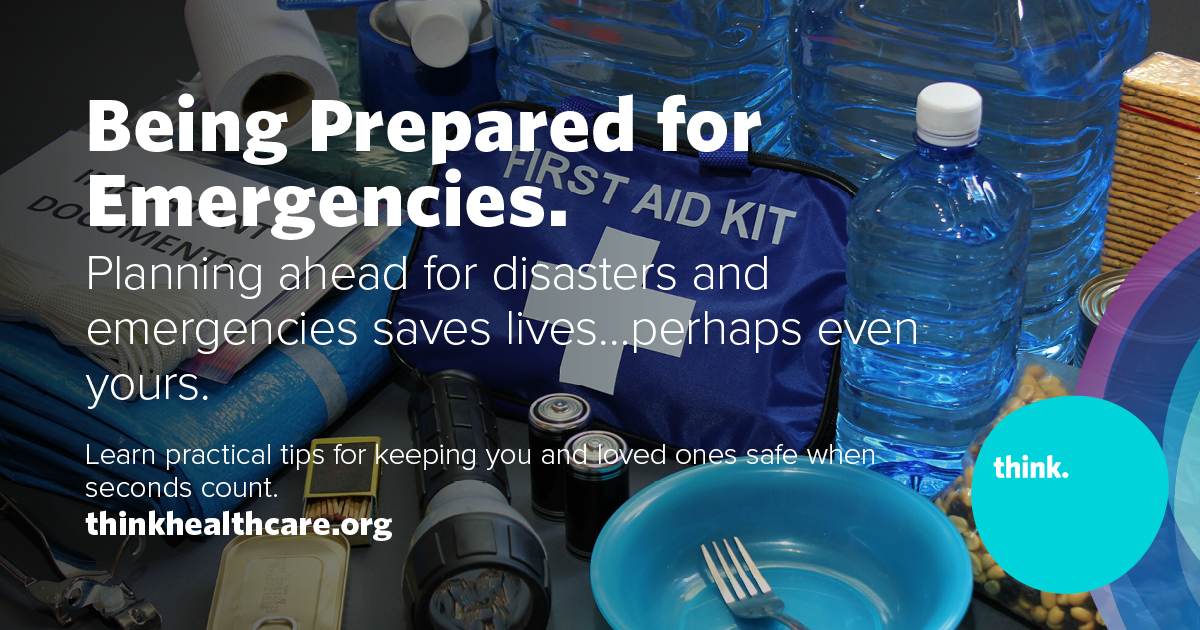
A collection of emergency supplies, including water bottles, a first aid kit, flashlight, batteries, whistle, rope, and canned food, with text encouraging disaster preparedness.

Do you have a safety plan in place for when an emergency strikes? Being prepared for emergencies like tornadoes, severe thunderstorms flooding, fires, explosions, or active shooters is essential since they can happen out of nowhere.

Before joining the think medical team, I worked in emergency care in an Iowa hospital. The main emergencies we encountered were car accidents and cardiac arrests, but we always had a public emergency plan in place. From medical school on, we trained for the community-wide disasters and emergencies that could happen at any time. 

As a family physician, I want my patients and the general public to stay informed and be prepared for emergency situations. The following are emergency preparedness tips and best practices for planning ahead any season of the year. 

Proactively plan ahead. 

Most every community is at risk for disasters and hazards. Do you know what risks are specific to your home and office in and around Omaha-Council Bluffs? Do you live or work in a flood-prone area? Could large tree branches fall on your property? Investigate where your home and property and business would be most vulnerable during a disaster. Knowing how and when to act in an emergency or hazardous situation can mean the difference between life or death for you and those you love.  

Create an emergency communication plan. 

You and your family may not all be together when an emergency arises, so you need to think through how to contact each other and how to reconnect if separated. Because I have two grade-school children, they know our family password in case we are not together in a crisis situation and I send someone else to pick them up. The U.S. government’s website, ready.gov lists a helpful form for creating an emergency communication plan. Because older adults and those with disabilities may have limited means to communication channels, be sure to include these family members, friends and neighbors in your emergency preparations.  

Make an evacuation and shelter plan. 

The American Red Cross focuses on three main priorities when disasters strike: clean water, safe shelter and hot meals. As part of your preparation for disasters and emergencies, be sure to map out which direction you would drive or walk during an evacuation and where you could find safe shelter. Be sure to include safety plans for your pets too. 

Gather emergency supplies. 

Being ready for an emergency or disaster includes putting together an emergency supply kit that is easily accessible. The following are basic supplies to include, but for a more complete list, see the survival kit supplies from the Red Cross. 

  • Water (one gallon per person, per day for several days for drinking and sanitation)
  • Food (non-perishable, easy-prep items for several days)
  • First aid kit
  • Flashlight with extra batteries (or solar-powered flashlight)
  • Battery-powered or hand-crank radio (National Oceanic and Atmospheric Administration (NOAA) Weather Radio is best)
  • Medications and medical supplies (i.e. glasses, contact lenses, syringes, etc.)
  • Sanitation and personal hygiene items
  • • Cell phone with chargers
  • Sleeping bag or warm blanket for each person
  • Extra cash (smaller denominations are best)
  • Pet supplies (food, water, ID, leash, bowl, etc.)
  • Books, game and activities for children

Stay updated on every family member’s medical information. 

One of the biggest issues we encounter in emergent care is if an injured or ill patient is unable to tell us their medical history, and we can’t quickly access their medical history, medications and allergies via an online records system. Medical teams are often left flying completely blind if we don’t know the patient or we can’t see their chart. 

I recommend people stay current with their medical information that they keep in their wallet or on their phone or through a wearable medical ID bracelet. In disasters and emergencies, it’s extra challenging for first responders and emergency departments to scramble to find medical information. Many cell phones now allow people to enter their medical conditions, medications and emergency contacts so first responders can bypass the lock screen and access the patient’s vital medical information.  

Safeguard critical documents. 

Be sure to keep important documents such as copies of identification, medical records, bank accounts, insurance policies, etc. secure in the cloud or on a password-protected flash drive. For extra security (and if you’re not particularly tech savvy) keep these valuable documents in a fire-proof, water-proof safe box that you can take with you in an emergency/evacuation. 

Stay informed with alerts and warnings. 

Local, state and national emergency agencies continue to improve on ways to notify the public before, during and after an emergency or disaster. Warning alerts include Wireless Emergency Alerts sent as brief messages by public safety officials and the National Weather Service, for example, to any WEA-enabled mobile device in local targeted areas. 

The national public warning system, the Emergency Alert System (EAS), allows the U.S. president to address the nation within 10 minutes during a national emergency. State and local authorities may also use the EAS to deliver disaster/emergency details including imminent threats and weather information. FEMA offers an app for receiving real-time weather, emergency alerts, location of shelters and more. 

Because mobile phone networks can be unreliable during emergencies, use text messages, social media and email to connect with family and friends. Facebook allows users to easily post their safety status during a time of disaster. To let family and friends know you’re okay during a public emergency, you can also register with the Safe & Well site hosted by the American Red Cross.

The Nebraska Emergency Management Agency and Alert Iowa emergency messaging systems also allow state and local authorities to speedily disseminate emergency information to local residents. Each statewide system is free and available to all counties. 

Refresh first aid/CPR skills. 

When it comes to medical preparedness, I advise teens and adults to stay current on first aid and CPR skills. You can find first aid and CPR certification classes through local organizations including the National Safety Council for Nebraska and the Red Cross. I do advise in any emergency medical situation to take your own pulse first. Assess your own condition first and help yourself before you help anybody else. Nothing good comes from panic. 

Outside of these often life-saving tips for emergency and disaster preparation, I stress the importance of looking out for the older adults in your life whether that’s a grandparent, parent, neighbor or local friend. Often seniors might not have emergency alerts set up on their phones or they might not have the TV or radio on to hear emergency broadcast alerts. Sometimes poor hearing or cognitive decline issues keep elders from knowing about public emergencies. Be kind. Be vigilant in looking for older adults in hazardous situations. 

At think, our entire group of healthcare providers want you and everyone in our greater Omaha and western Iowa area to be prepared in any season for public emergencies and disaster threats. We are here for you come rain, shine, tornado, flood, fire or whatever else comes our way. Together prepared, we all stand stronger. 

NEED MEDICAL CARE? CONSIDER THINK YOUR GO-TO FOR BETTER HEALTH

Think Whole Person Healthcare is dedicated to keeping you healthy through preventative care and treatment for a wide range of medical conditions. From the allergic reactions to the broken bones, our physicians, advanced practice providers and specialists are committed to you and your family’s lifelong health and well-being. 

Our walk-in clinic treats anyone, even those who are not a think patient or do not have a primary care provider currently. To learn more about our comprehensive healthcare services, visit our Services page online and choose your own think medical professionals by visiting our Meet Your Doctor page. 
We help you stay healthy. Give us a call at 402.506.9000.

Foot Health: 3 Common Toenail Problems

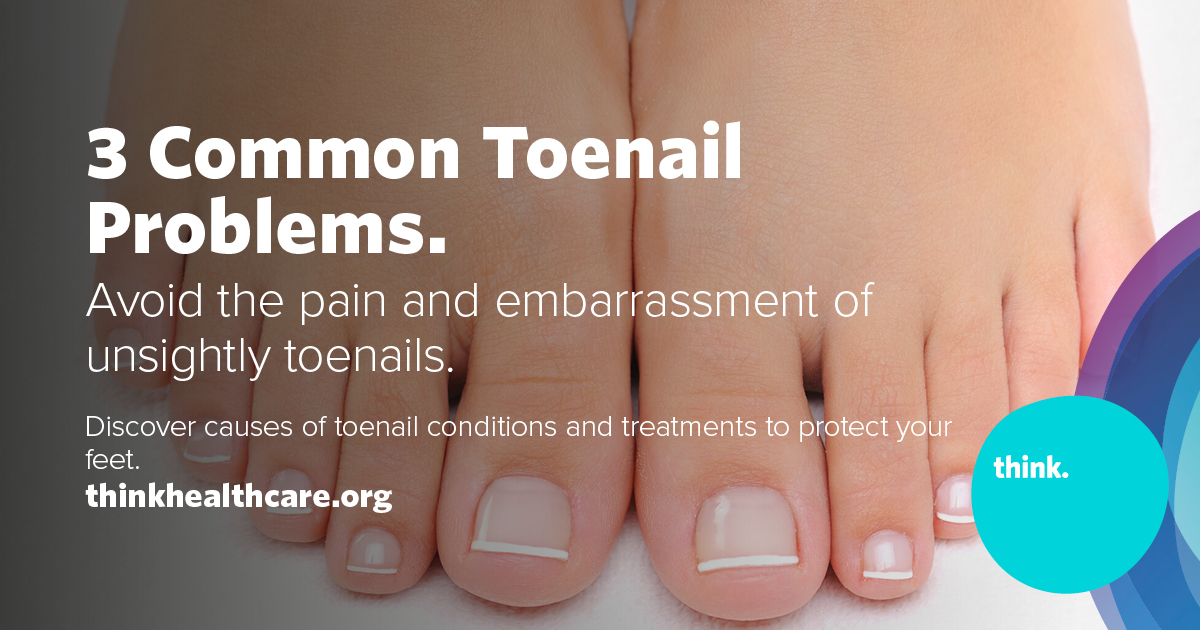
Close-up of bare feet with neatly trimmed toenails. Text on image discusses common toenail problems and promotes thinkhealthcare.org for information on causes and treatments for toenail conditions.

Trading winter socks for open-toed shoes when your toenails need medical care can be frustrating and embarrassing. With April being National Foot Health Awareness Month, let’s look at 3 common toenail problems and see how I can help. As a podiatrist, more commonly known as a foot doctor, I see and treat a gamut of toe conditions that often embarrass and frustrate my patients. Since April is National Foot Health Awareness Month, let’s look at three common toenail problems. 

Common Toenail Problem 1: Toenail Fungus

Onychomycosis, toenail fungus, is an infection under the toenail surface caused by microscopic fungi. The toenail often becomes darker or white marks appear across the nail. As the fungal infection goes deeper, the toenail may thicken and crumble on the edges. The thicker, infected toenail is more difficult to trim and may make walking painful. The fungal infection can spread to other toenails, the skin or even fingernails. A secondary bacterial or yeast infection may accompany onychomycosis around the nail plate. Nail fungus can lead to permanent damage to your nails and complete nail removal.

Causes

Anyone can get a fungal nail infection. Toenails are vulnerable to fungi especially in damp public areas where you walk barefoot such as swimming pools, showers and locker rooms. Fungal germs can enter your toenails through small cracks in your nail or surrounding skin. A nail injury or pressure from ill-fitting shoes can also leave your toenails susceptible to several types of infections. If you have a chronic disease including diabetes, circulation problems or a weakened immune system, your toenails are more prone to fungal infection. A history of smoking, athlete’s feet or excessive perspiration can also lead to fungal nails. Undergoing chemotherapy can also cause fungal nail infections. 

Diagnosis and Treatment

At think Podiatry, we thoroughly examine your toes and feet and typically confirm a fungal infection diagnosis with microscope or lab testing before we prescribe antifungal treatment. Stubborn toenail fungus infections do not usually go away on their own. One of the best treatments is an oral antifungal pill. It may take months to a year to rid your toe(s) of the infection. Sometimes after treatment, a fungal nail infection can reoccur. This is more common in people with underlying health conditions that put them at higher risk for fungal infections. 

Common Toenail Problem 2: Ingrown Toenail

If your toenail edge presses into the skin around your toenail and continues to grow, this can cause inflammation, redness and pain and lead to infection. This medical condition is onychocryptosis or simply ingrown toenail. Ingrown toenails are most common on the big toes. If new skin tissue starts growing over the toenail, the tissue can look like small granules. If the toenail area gets infected, the inflamed area may bleed or weep pus and smell unpleasant. 

Causes

A toenail can become ingrown if:

  • The toenail is cut too short or with rounded edges.
  • Shoes are worn too tightly.
  • Feet become excessively sweaty.
  • A genetic condition causes atypical toenail growth shape. 
  • A person is overweight.
  • A person is diabetic which can affect the feet and toenails.
  • Water is retained by conditions such as heart or kidney failure. 
  • A person takes certain medications for cancer treatment. 

Diagnosis and Treatment

If your ingrown toenail is not healing on its own or you suspect the toenail or toe is now infected, do make an appointment to see me or Dr. Copple, our other podiatrist. You may need a blood test, for example, to rule out complications including cellulitis. How we treat an ingrown toenail depends on the severity of the condition. Some ingrown toenails require minor office surgery. If the inflammation is mild, soaking the toe in soapy, warm water and then applying an antiseptic or anti-inflammatory gel, tincture or cream should help. 

Common Toenail Problem 3: Thick, Hardened Toenails

Toenails can become thick and hardened with age or from a fungal infection, injury or health conditions such as psoriasis or diabetes. As toenails become thicker they can become brittle and easy to break and lift from the nail bed itself. Hardened toenails are more difficult to trim and they can crack and split more easily. Depending on the cause of the hardened toenails, they can also form a foul odor and cause discomfort and pain. 

Causes

Fungal and yeast infections (see above) are the most common cause of thick, hardened toenails. Other causes include:

  • Sudden or repeated trauma or injury to the toenail (i.e., soccer players, runners).
  • Shoes worn too tightly.
  • Yellow nail syndrome, a rare disorder can lead to yellowed, thickened toenails and fingernails.
  • Psoriasis, an autoimmune disorder that typically presents with red, scaly patches on the skin can also produce thick, discolored and pitted toenails.
  • Paronychia causes inflammation, redness and swelling around a toenails skin and over time the nail thickens and hardens. Exposure to cleaning solutions and other irritants can cause this condition.  
  • Aging can thicken and harden nails, which health professionals often attribute to slower blood circulation and long-term ultraviolet light exposure. 

Diagnosis and Treatment

Some cases of thick toenails, from aging for example, do not need treatment and the person can simply buff the rough surfaces to smooth them. We regularly see think patients with thick, hardened toenails, and our goal is to improve the nail’s condition and prevent further problems. 

If a fungal infection is the suspected root cause of the thick toenails, I may swab under the nail or take a nail clipping to test for fungal presence. The sooner we can diagnose a fungal infection, the more likely we can cure the condition. Treatment for thick, hardened toenails may include prescription ointments and creams, oral or injection medications, laser or light therapy or surgical removal of the toenail to allow it to regrow.

Conclusion

National Foot Health Awareness Month is a great time to pay extra attention to your feet and ankles. Your podiatry team at think is here all year-round to assist with toenail conditions, arthritis and joint pain, injuries, plantar fasciitis and more. We specialize in managing and treating symptoms and pain with your ankle and/or foot. 

Our goal is to provide compassionate whole person healthcare that improves your everyday life. Because think features doctors, specialists, advanced practice providers and skilled medical teams all in one accessible building, you will receive the best healthcare option in the Omaha metro area. So take a step in the right direction and make an appointment to see us. Your sandals, flip-flops and bare feet are eagerly waiting for you. 

NEED MEDICAL CARE? CONSIDER THINK YOUR GO-TO FOR BETTER HEALTH

Think Whole Person Healthcare is dedicated to keeping you healthy through preventative care and treatment for a wide range of medical conditions. From the bothersome stomach upset to the persistent back pain, our physicians, advanced practice providers and specialists are committed to you and your family’s lifelong health and well-being. 

Our walk-in clinic treats anyone, even those who are not a think patient or do not have a primary care provider currently. To learn more about our comprehensive healthcare services, visit our Services page online and choose your own think medical professionals by visiting our Meet Your Doctor page. 
We help you stay healthy. Give us a call at 402.506.9000.

Stress Awareness… Because We All Feel It

Middle-aged man relaxing on a couch with hands behind his head, overlaid with text about stress awareness and effects, promoting thinkhealthcare.org.

Concerns over money and inflation. Nuclear war. COVID-19. Racial tension. Violence. According to the American Psychological Association’s annual “Stress in America” poll, our country is more stressed than it has ever been. One news headline declares “Americans are besieged by stress.” Are you one of them?

April in our country is set aside as Stress Awareness Month and a time for us all to take a look at the effects of stress and how we can successfully find more peace and relaxation. 

What Is Stress

Stress can be defined as mental tension or worry over a challenging situation. Stress is a pressure from things in the world that are that are getting to you emotionally, and you may not even realize it. We all face varying degrees of stress at times. We can be anxious or worried over something happening or we overthink a problem. We may have trouble communicating with our partners, co-workers, family members or friends and that can create stress. Our internal feelings and overwhelming emotions can also create stress.

We encounter stress at any age. Children and teens face the stress of making friends, juggling studying and tests, competing in sports, music and other activities, and developing their self-identity. Stress stays with us throughout life, even when we are older seniors and we may be stressed by pain or illness, dwindling retirement funds or loneliness. 

If we haven’t resolved an issue from our past, that can affect us in our current life and cause stress. For example, if as an adolescent people diminished what you were experiencing and feeling, that added distress and you couldn’t express the stress you felt. So if you carry those feelings of stress and anxiety into adulthood, you may not know how to regulate your emotions. You may not know how to process stressful situations in a healthy way. This can lead to feeling hopeless and you may even turn to aggression and violence. The stress we feel today can come from a long-term feeling of being invalidated and unheard.

Signs of Harmful Stress

We all have regular daily stress, and then at times we may be irritable and more on edge and we have less tolerance to manage our daily responsibilities. Stress can lead to headaches, upset stomach, sleep disturbances, appetite and weight changes and more. Anxiety and depression can stem from ongoing stress.

Chronic stress can have a detrimental effect on our physical and mental health and lead to a weakened immune system. More serious illnesses including heart disease, diabetes and rheumatoid arthritis are linked chronic stress. The more we have unrelenting stress, the higher likelihood we will increase our use of alcohol, drugs and other addictive substances.

Studies report that chronic stress even from childhood can contribute to chronic illness. Adverse childhood experiences which could be considered stressful include moving a lot, parents divorcing, witnessing violence or experiencing violence or abuse yourself. Research shows that having even average childhood experiences that are stressful contribute to possible chronic health conditions later in life. 

How COVID-19 Stress Affects Us

We are still going through the stress of COVID-19. Some of us are back at work but that is stressful because we’ve been at home for the last couple of years. Others of us are just reentering the workplace and there’s social anxiety with that over interactions with co-workers and conversations with people who haven’t been around for some time. Adjusting to a new routine can sometimes be very stressful. 

In working with think Behavioral Health clients, we’re also seeing issues around COVID grief. Some have lost loved ones to COVID or their own health is affected by the virus. There is also grief in the loss of things we used to enjoy that are not there anymore. 

As far as the COVID safety protocols of mask wearing and limiting time in public and other habits to keep ourselves safe we picked, we are now unlearning some of those patterns. We are learning to navigate with living healthier while bringing ourselves back into a space where we feel good, we feel solid, we feel calm. Whether we realize it or not, COVID recovery is definitely still stressful for everyone. 

Managing Stress Well

When we look at factors that affect our mental health, first we start with self-awareness. How can we be more aware of ourselves and our reactions and emotions? Sometimes we become very out of touch with our emotions or out of touch with our body, sending us signals about stressful things we are facing. 

In addition to raising our self-awareness, we take steps to talk to someone if we need to. If we need to talk through our feelings and circumstances, we get some help from an outside perspective. This may be a spouse, a trusted friend or a professional counselor—someone you feel safe with sharing your true thoughts and emotions. 

Practicing self-care is also how we manage our stress. How are we practicing self-compassion and taking care of ourselves? How are we letting ourselves express emotion over things that are stressing us out or are building up over time? We can be proactive in managing stress by understanding what triggers our reactions. We can learn to be realistic with ourselves when we need a little extra support or need to not push ourselves too much. 

Managing stress well is unique to each person, but baseline mental health and stress self-care includes:

  • Adequate sleep. 
  • Balanced nutrition.
  • Regular exercise and play.
  • Connection with others.
  • Meditation and silencing the mind.

Whole Person Healthcare for Stress

The benefits of whole person healthcare at think are so helpful for working through issues of stress. The integrative care we offer gives patients easy access to both mental and physical care all in one place. If you’re already stressed, it can be challenging to try to research and call around Omaha for counseling support. The great thing about think is we have mental health counselors and a psychiatrist available to talk, manage medications and give you the extra support and guidance you may need. Our physicians and other healthcare providers communicate seamlessly with our Behavioral Health team so together we help you live with less stress and more enjoyment.   

NEED MEDICAL CARE? CONSIDER THINK YOUR GO-TO FOR BETTER HEALTH

Think Whole Person Healthcare is dedicated to keeping you healthy through preventative care and treatment for a wide range of medical conditions. From that nagging cough to the mysterious leg pain, our physicians, advanced practice providers and specialists are committed to you and your family’s lifelong health and well-being. 

Our walk-in clinic treats anyone, even those who are not a think patient or do not have a primary care provider currently. To learn more about our comprehensive healthcare services, visit our Services page online and choose your own think medical professionals by visiting our Meet Your Doctor page. 

We help you stay healthy. Give us a call at 402.506.9000.