
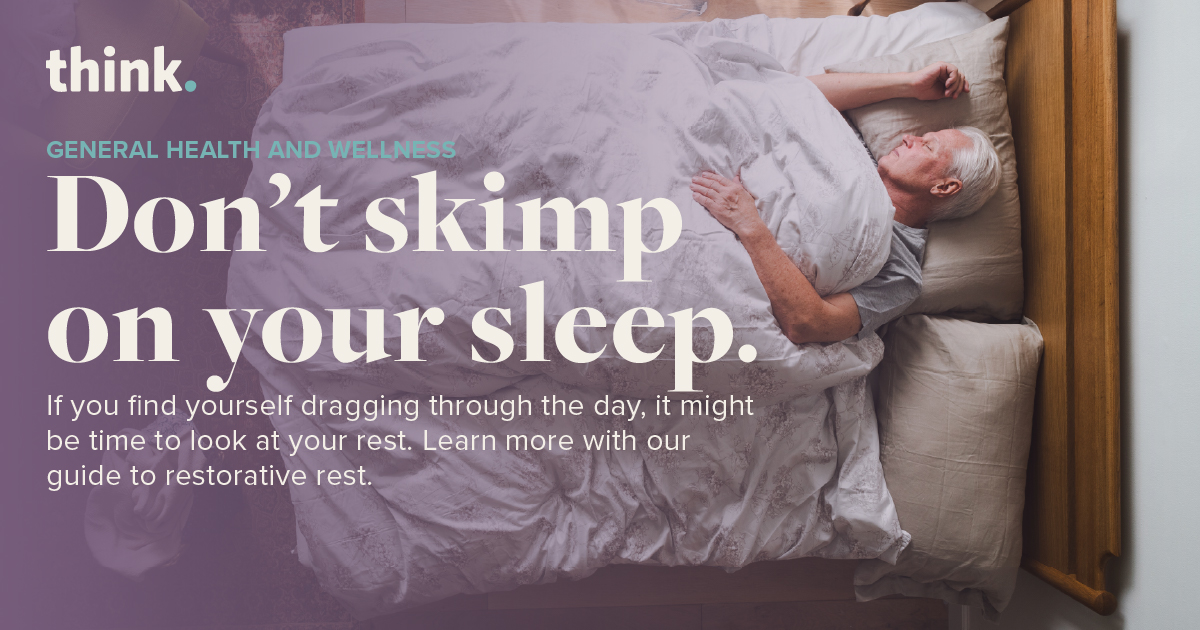
A Guide to Restorative Rest
If you find yourself dragging through the day, it might be time to look at your rest. Sleep is a fundamental pillar of health, yet more than 50 million Americans live with chronic sleep disorders. While many people attempt to manage fatigue through caffeine or lifestyle adjustments, persistent sleep issues often require a more structured approach to identify the root cause.
At think, we focus on your diagnosis to ensure you receive the most effective support. Understanding the mechanics of sleep and knowing when to consult a provider are the first steps toward better health.
The Mechanics of the Sleep Cycle
Sleep is not a static state of rest; it is an active process involving distinct stages that repeat throughout the night. A standard sleep cycle lasts approximately 90 minutes. For optimal cognitive and physical function, most adults require between seven and nine hours of sleep, allowing for four to five complete cycles.
- Non-REM Sleep: This includes light sleep and deep, slow-wave sleep. Deep sleep is when the body repairs tissue, builds bone and muscle, and strengthens the immune system.
- REM (Rapid Eye Movement) Sleep: This stage is associated with dreaming and memory consolidation. It is essential for emotional regulation and brain development.
Common Obstacles to Quality Sleep
A variety of medical and lifestyle factors can prevent the body from moving through these cycles efficiently. Common disorders include:
- Insomnia: Difficulty falling or staying asleep, often linked to stress, anxiety, or poor sleep hygiene.
- Obstructive Sleep Apnea (OSA): A condition where breathing repeatedly stops and starts during sleep.
- Restless Leg Syndrome (RLS): An uncontrollable urge to move the legs, typically due to uncomfortable sensations.
- Secondary Conditions: Chronic pain, menopause, diabetes, and heart failure can all disrupt the architecture of sleep.
Improving your sleeping habits
Establishing specific habits can refine sleep habits and support consistent rest. Key strategies for promoting better sleep include maintaining a regular bedtime schedule, reducing screen exposure before sleep, and avoiding heavy meals or alcohol in the hours leading up to rest.
Daily stress and busy schedules often disrupt natural rest patterns. Specifically, the use of social media and electronic devices often extends into the evening, which can disrupt necessary sleep. When sleep and wake times vary significantly, it can unbalance the circadian rhythm, the body’s internal biological clock. In many cases, poor sleep patterns are learned behaviors that can be corrected through a disciplined, regimented lifestyle.
Before pursuing medical interventions, establishing simple, consistent habits can often normalize circadian rhythms. Dr. Recker shares the following steps to improve your sleep habits:
- Stay with a routine for when you go to bed and wake up every day. On weekends, limit your extra sleep to about an hour.
- Reserve the hour before bed for quiet. Avoid bright artificial light from TV and computer screens. Turn off the loud music and skip intense exercise late in the day. Ensure your bedroom is quiet, dark, and cool.
- Avoid large or heavy meals within a few hours of bedtime. A light snack can be okay, but don’t load up too much.
- Avoid drinking alcohol close to bedtime. Alcohol can make you feel drowsy, but it interferes with the architecture of your sleep overall.
- Consider the effect nicotine and caffeine (caffeinated sodas, coffee, tea, and chocolate) have on your body. Nicotine and caffeine are both stimulants that can impair sleep quality. Some people are not affected by caffeine later in the day, so beware of your individual response.
- Stay physically active every day. When possible, get outside and move around during the day to reap the benefits of exercise.
When to Schedule a Sleep Study
If lifestyle changes do not resolve persistent daytime fatigue, morning headaches, or loud snoring, it may be time to consult your provider about a formal sleep study.
A sleep study is a non-invasive test that records your body’s activity during sleep. It allows clinicians to monitor heart rate, breathing, oxygen levels, and brain waves to identify specific disruptions.
How to Discuss Sleep with Your Provider
To prepare for your appointment at think, consider tracking your sleep patterns for one week. Be ready to discuss:
- How long it takes you to fall asleep.
- How many times you wake up during the night.
- Whether you feel rested upon waking.
- Any medications or supplements you currently use.
Our providers use these insights to determine if a referral to a sleep specialist or an at-home sleep test is necessary.
Comprehensive Support at Think
At Think Whole Person Healthcare, we support patients by providing clear, direct pathways to improved health. If a sleep disorder is suspected, our team collaborates to oversee your care, from initial consultation and diagnostic testing to treatment plans involving our Behavioral Health team or specialized medical interventions.
Addressing sleep issues is a proactive step in preventing long-term complications such as high blood pressure, stroke, and depression.