



Welcome to the new digital home for your continuing care. Let us know if there is anything you would like to see us add.
Search in site
Author: thinkPress
Thinkpress is a team of think professionals that help create informative and interesting content for our blog. With more than 300 employees dedicated to your health and wellbeing, we strive to provide information that's relevant to you. If you have subject matter requests, please contact us.
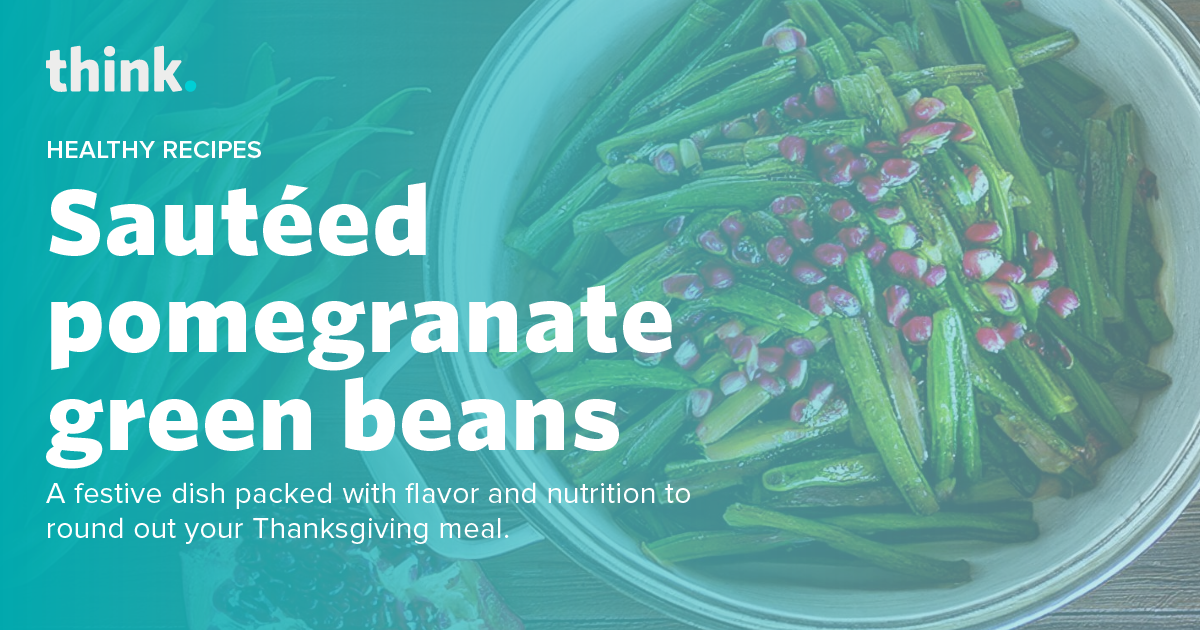
Freshen up your table with sautéed pomegranate green beans.
A festive dish packed with flavor and nutrition to round out your Thanksgiving meal.
You’ve just about perfected your Thanksgiving menu. Turkey, stuffing, cranberries, mashed potatoes and gravy, dinner rolls, and, of course, pumpkin pie—it’s a feast for the ages. But something’s missing. Something healthy, something green. What could it be?
We’ve got the perfect addition for you: sautéed green beans with pomegranates. This isn’t just another green bean dish—it’s a showstopper. Bursting with vibrant colors and bold flavors, this recipe adds an elegant touch to your table while packing a nutritious punch. The tender green beans pair beautifully with a tangy-sweet pomegranate reduction, fresh herbs, and the satisfying crunch of salted pistachios. It’s a dish that’s as visually stunning as it is delicious, ensuring it will stand out among the holiday classics.
And let’s not forget the health benefits. Between the antioxidants in the pomegranate seeds, the vitamins in the green beans, and the healthy fats from the pistachios, this dish is a smart way to balance the indulgence of your Thanksgiving feast. It’s the ideal complement to the hearty staples you’ve planned, making your meal both wholesome and unforgettable.
Prep Time 15 mins
Cook Time 20 hours
Total Time 35 mins
Servings: 8-10
Ingredients
1 1/2 tsp. kosher salt, plus more for the cooking water
2 lbs. green beans, trimmed
1 cup pure pomegranate juice
1 tbsp. salted butter
3 tbsp. olive oil
3 shallots, thinly sliced
1 tbsp. grated fresh ginger
1/2 cup pomegranate seeds
1/2 cup chopped salted roasted pistachios
1/4 cup fresh parsley, roughly chopped
2 tbsp. fresh dill, roughly chopped
Instructions
Prep the Green Beans
Bring a large pot of salted water to a boil. Add the green beans and cook until crisp-tender, about 5 minutes. Immediately transfer the beans to a bowl of ice water to halt cooking. Let sit for 5 minutes, then drain and pat dry.
Make the Pomegranate Reduction
In a small saucepan, bring the pomegranate juice to a boil over high heat. Cook until it reduces to a syrupy consistency, about 4 minutes. Stir in the butter until smooth and glossy. Keep warm.
Assemble and Serve
Uncover the skillet and sprinkle half of the pomegranate seeds, pistachios, parsley, and dill over the green beans. Toss to combine. Transfer to a serving dish, drizzle with the warm pomegranate reduction, and garnish with the remaining seeds, pistachios, parsley, and dill.
Tips
Streamline your prep: Trim green beans ahead of time and store them in the fridge for up to 2 days.
Add a twist: Swap pistachios for toasted almonds or hazelnuts, or add mandarin oranges or a touch of crumbled goat cheese for a different flavor profile.
Boost the flavor: Mix in a pinch of ground nutmeg or cinnamon to the pomegranate reduction for a hint of holiday warmth.
Elevate your holiday spread with this simple yet stunning green bean dish. The vibrant flavors, textures, and colors will not only leave your guests impressed but also asking for the recipe. It’s a side dish that feels celebratory yet grounded in good nutrition—perfect for the season of gratitude.
So why not try something new this Thanksgiving? These sautéed pomegranate green beans are easy to prepare, packed with goodness, and guaranteed to be a hit at your table. Whether you’re hosting a large gathering or an intimate family dinner, this recipe is the perfect addition to make your holiday meal feel complete. Enjoy a dish that brings together the best of the season—fresh, flavorful, and absolutely festive.
Articles that might interest you
Explore related articles that expand on the topics covered in this post. Dive deeper into insights and ideas that might interest you.
Avoiding the flu can be a challenge. Here are ten suggestions that can help you and your family members minimize the chance of catching the flu this season.
Staying hydrated is something 75% of Americans struggle with daily. Our diets play a significant role in how hydrated we are. Pop, caffeine, and salt – to name a few…
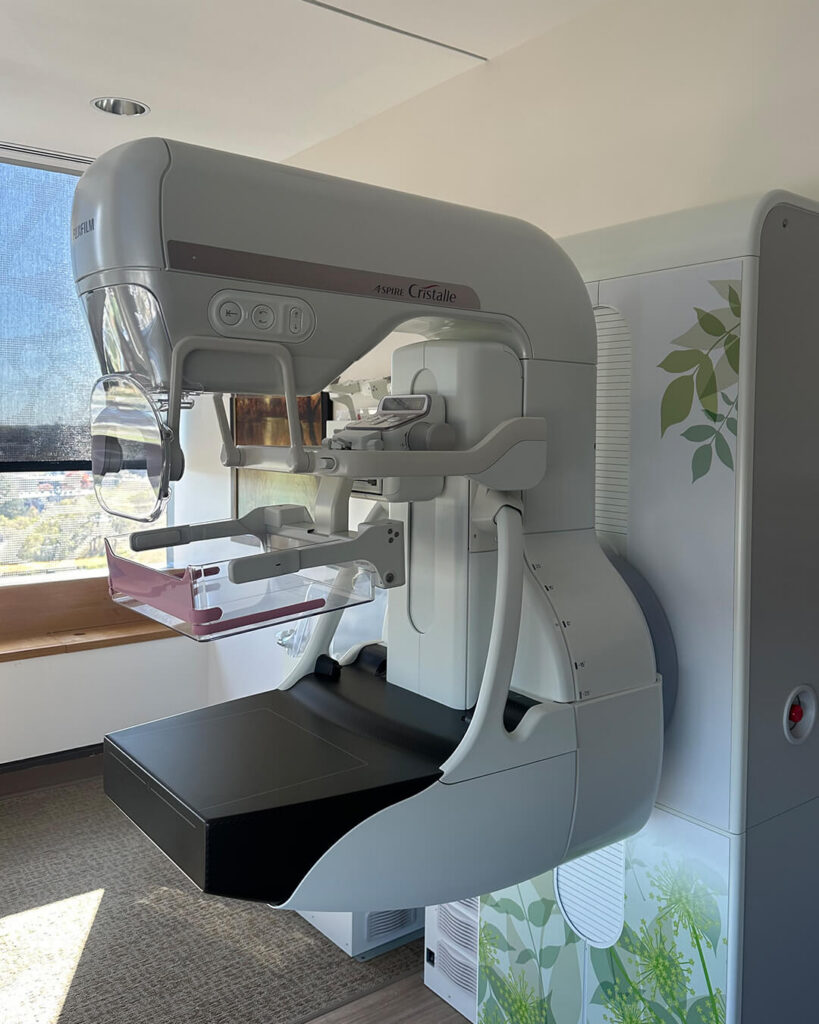
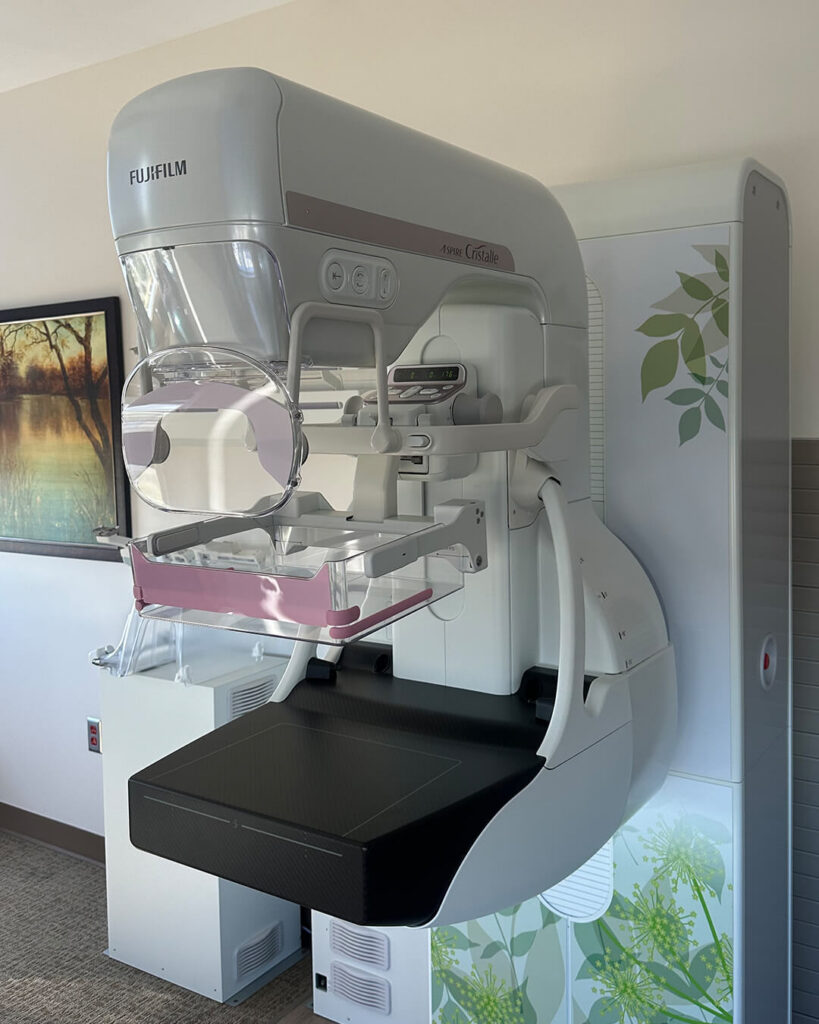
We’re excited to share that an additional, advanced mammography machine has been installed at think, strengthening our commitment to delivering fast, accurate, and convenient care for our patients. This upgrade allows us to further enhance our mammography services, with training for our technologists now underway.
During this transition, our current mammography machine remains fully operational, ensuring no interruptions in patient screenings. We want to reassure our patients that they can continue to book screenings as usual, knowing that both machines will soon be working side by side to provide even more flexible scheduling options.
By early December, we anticipate both mammography rooms will be fully up and running, making mammograms at think more accessible than ever. Our commitment to comprehensive, patient-centered radiology services remains strong, and we’re delighted to be enhancing this essential service for our community.
Due for your mammogram? Give us a call to schedule at 402.506.9049.
Articles that might interest you
Explore related articles that expand on the topics covered in this post. Dive deeper into insights and ideas that might interest you.
Avoiding the flu can be a challenge. Here are ten suggestions that can help you and your family members minimize the chance of catching the flu this season.
Staying hydrated is something 75% of Americans struggle with daily. Our diets play a significant role in how hydrated we are. Pop, caffeine, and salt – to name a few…
“I think those who go to my team meetings know I like to quote. This one is from Julia Child, ‘A party without cake is just a meeting.’, and I just want to say thank goodness this is not a meeting.”From Dr. Maio’s Retirement Celebration.
Yesterday, November 14, 2024, we were honored to celebrate Dr. Anna Maio’s extraordinary career and well-deserved retirement with a heartfelt reception. Dr. Maio’s journey in medicine spans over 40 years, marked by her dedication to patient care, passion for teaching, and invaluable contributions to think. Her commitment to supporting patients managing conditions such as hypertension, diabetes, and kidney disease has made a lasting impact on countless lives.
Dr. Maio’s insight, humor, and kindness have enriched our community and guided our team. A natural mentor and beloved figure, she has left an indelible mark on both patients and colleagues alike.
Thank you to everyone who attended her retirement celebration, and congratulations to Dr. Maio on a well-earned retirement filled with joy, health, and happiness. We’re grateful for her legacy and wish her the best as she embarks on this new chapter.
Articles that might interest you
Explore related articles that expand on the topics covered in this post. Dive deeper into insights and ideas that might interest you.
Events at ThinkGeneral Health and WellnessPhysical Therapy
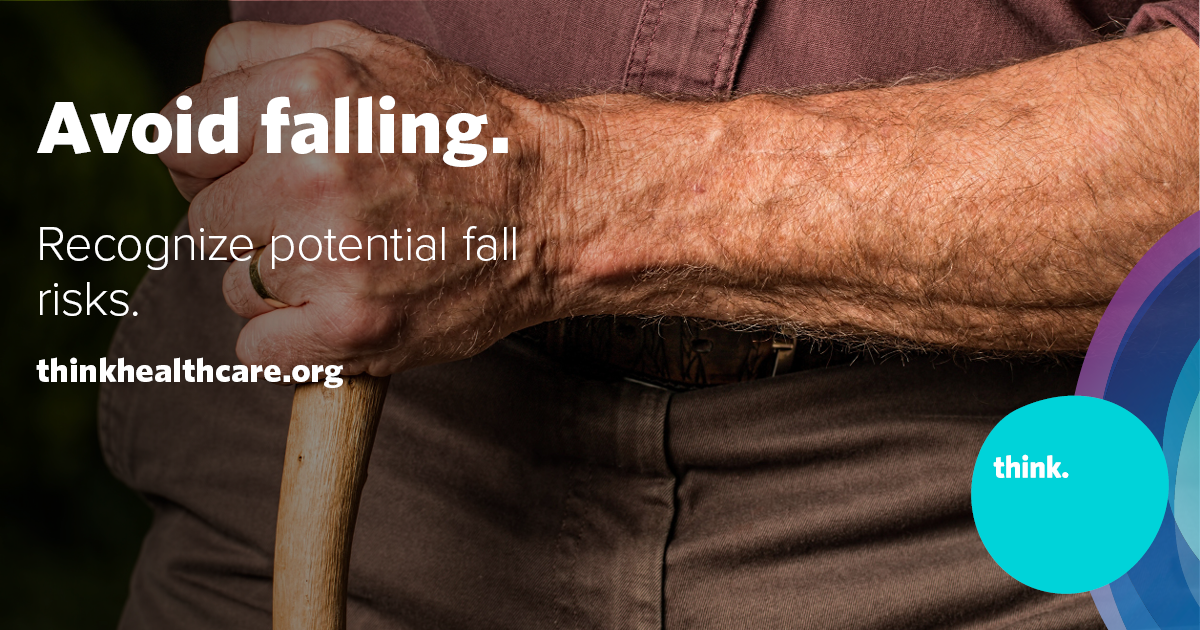
Falls can be catastrophic for older folks. Learning how to safeguard your home and prevent falls can greatly improve your feeling of security and independence.
The Greater Omaha community honors think as the Best in 2022.
Events at Think
Think was voted the best Family Physicians Clinic by the Omaha World-Herald (OWH) Omaha’s Choice Awards and the Winner of the Private Practice Medical Clinic by Omaha Magazine’s Best of…
Learn how high blood pressure impacts your health today.
Imagine going through your day feeling perfectly healthy, unaware that something could be silently affecting your well-being. High blood pressure, often called the “silent killer,” doesn’t always show obvious signs, but it can quietly increase your risk for serious conditions like heart disease, stroke, and kidney damage. Many people live with high blood pressure without even realizing it, making it easy to overlook until it causes lasting harm.
The trouble with high blood pressure is that it doesn’t always come with clear symptoms. It slowly places more strain on your heart and blood vessels, gradually affecting your health in ways you might not notice right away. That’s why it’s so important to stay proactive and check in on your health regularly, even when you feel fine. At think, we are committed to helping you understand and manage your blood pressure with a personalized, whole-person approach to care. Read on to understand how high blood pressure can impact your health and how you can take control of it.
What is High Blood Pressure?
High blood pressure, also known as hypertension, occurs when the force exerted by circulating blood on the walls of blood vessels consistently remains elevated. This condition forces the heart to work harder than normal to pump blood through the body, which over time can lead to severe complications like heart attack, stroke, kidney damage, and vision loss. High blood pressure rarely presents obvious symptoms until significant damage has already been done to the cardiovascular system.
Blood pressure is measured using two numbers, both of which are vital for understanding cardiovascular health. These measurements are called systolic and diastolic pressures:
Systolic Pressure (the upper number): This measures the pressure in your arteries when your heart beats, actively pushing blood out into the arteries. Systolic pressure is the higher of the two numbers in a blood pressure reading.
Diastolic Pressure (the lower number): This measures the pressure in the arteries between heartbeats when the heart is at rest and refilling with blood. Diastolic pressure represents the baseline pressure in the circulatory system.
Together, these two numbers give a complete picture of how well the cardiovascular system is functioning. According to the American Heart Association, blood pressure is categorized as follows:
Blood Pressure Category
Systolic (mm Hg)
Diastolic (mm Hg)
Normal
Less than 120
Less than 80
Elevated
120-129
Less than 80
High Blood Pressure (Hypertension) Stage 1
130-139
80-89
High Blood Pressure (Hypertension) Stage 2
140 or higher
90 or higher
Hypertensive Crisis (Emergency)
Higher than 180
Higher than 120
How Hypertension Affects Your Heart and More
Unchecked high blood pressure can have a cascading effect on various organs and bodily functions. The increased force within blood vessels can damage the delicate lining of artery walls, causing tiny tears where plaque, consisting of cholesterol, fats, and other substances, can accumulate. This process, called atherosclerosis, leads to narrowing of the arteries and restricts blood flow. As arteries narrow, the heart must work even harder to circulate blood, which can result in a dangerous cycle of elevated blood pressure and further artery damage. Over time, this can increase the risk of:
Heart Attack If a blood vessel supplying blood to the heart becomes blocked, a heart attack may occur.
Stroke High blood pressure can weaken or rupture blood vessels in the brain, potentially causing a stroke.
Kidney Damage The kidneys, which filter waste from the blood, are particularly vulnerable to high blood pressure. Chronic hypertension can impair kidney function, potentially leading to kidney failure.
Vision Loss Damage to the blood vessels in the eyes from high blood pressure can lead to vision problems and even blindness.
What’s Driving Your High Blood Pressure?
There are numerous factors that can lead to high blood pressure. Understanding these causes can be the first step toward prevention and effective management.
Dehydration
Dehydration reduces the volume of blood circulating through the body, making it harder for the heart to pump effectively. This thickens the blood, raising blood pressure. Staying well-hydrated is essential for maintaining healthy blood pressure and preventing other health issues like kidney stones and headaches.
Obesity
Excess weight is a major risk factor for hypertension. When a person is overweight or obese, the heart must work harder to circulate blood throughout the body, which can lead to an increase in blood pressure. Physical inactivity, often associated with obesity, further contributes to the strain on the cardiovascular system.
Medications and Substances
Certain medications, as well as substances like caffeine, alcohol, and nicotine, can elevate blood pressure. For example, nonsteroidal anti-inflammatory drugs (NSAIDs) and decongestants are known to raise blood pressure. It’s essential to consult with healthcare providers about the potential side effects of medications.
Poor Diet
Diet plays a crucial role in regulating blood pressure. High intake of sodium, commonly found in processed and fast foods, can cause the body to retain water, increasing blood volume and blood pressure. Added sugars, especially in sugary drinks and desserts, may also raise blood pressure by contributing to weight gain and inflammation.
Chronic Stress
When we experience stress, our bodies release hormones like adrenaline and cortisol, which cause blood vessels to constrict and heart rate to increase, temporarily raising blood pressure. Over time, chronic stress can lead to sustained high blood pressure.
Lack of Physical Activity
Regular exercise helps to strengthen the heart and improve circulation. Physical inactivity, on the other hand, increases the risk of obesity and hypertension. According to the CDC, even moderate-intensity activities like walking and gardening can positively impact blood pressure levels.
Sleep Issues
Poor sleep quality and disorders like sleep apnea are closely linked to hypertension. When the body is unable to rest adequately, it may respond by raising blood pressure. Studies have shown that those with untreated sleep apnea are at a higher risk for high blood pressure.
Diabetes and High Cholesterol
Both diabetes and high cholesterol levels contribute to artery damage, which can lead to high blood pressure. Diabetes-related kidney damage also makes managing blood pressure more challenging. Regular blood sugar and cholesterol checks are important for overall cardiovascular health.
Genetic Factors
Family history can play a significant role in the risk of developing hypertension. Individuals with close relatives who have high blood pressure are more likely to experience it themselves.
Proven Strategies to Manage and Lower High Blood Pressure
The good news is that many causes of high blood pressure can be managed through lifestyle changes, medications, or a combination of both. Adopting a healthy diet is one of the most effective strategies. The DASH (Dietary Approaches to Stop Hypertension) diet emphasizes whole grains, fruits, vegetables, lean proteins, and low-fat dairy while limiting salt, added sugars, and saturated fats. Reducing sodium intake is particularly important, as the American Heart Association recommends keeping sodium consumption below 2,300 mg per day.
Regular physical activity is another key component in managing blood pressure. Engaging in at least 150 minutes of moderate aerobic exercise, such as brisk walking or cycling, each week can significantly lower blood pressure and promote heart and vascular health. Coupled with exercise, actively managing your weight is essential. Even losing a small amount of weight can have a meaningful impact on lowering blood pressure, and regular exercise combined with a nutritious diet will help achieve this while also improving overall cardiovascular health.
Managing stress is equally important in controlling blood pressure. Finding effective ways to reduce stress, such as through meditation, deep breathing exercises, yoga, or spending time outdoors, can make a big difference. Talking to a mental health professional may also help in learning how to manage stress more effectively. Additionally, limiting alcohol and caffeine intake can prevent temporary spikes in blood pressure. The CDC recommends that men have no more than two drinks per day, while women should limit themselves to one drink per day.
For some individuals, lifestyle changes alone may not be enough to manage high blood pressure. In these cases, medication may be necessary. Various medications, such as ACE inhibitors, diuretics, and beta-blockers, are available to help control blood pressure. Working with a healthcare provider to determine the most effective medication regimen for your specific needs is crucial for long-term management.
Stay Ahead of Hypertension with Regular Checks
Many people with high blood pressure may be unaware they have it because it usually presents no noticeable symptoms. The only way to detect high blood pressure is through regular monitoring. By scheduling routine blood pressure checks with your healthcare provider, you can catch hypertension early and begin treatment, reducing the risk of associated health threats. A great place to start these checks is at your annual physical with your primary care physician.
Regular blood pressure checks are vital to tracking progress and identifying any potential issues early on. Monitoring at home is encouraged for individuals with hypertension, as it provides valuable information for healthcare providers between visits.
According to the CDC, individuals with hypertension should aim for regular check-ups with their primary care provider. During these visits, your provider can adjust medications if necessary, evaluate the effectiveness of lifestyle changes, and offer additional guidance to help you maintain healthy blood pressure.
Whole-Person Care for Managing High Blood Pressure
At think, we emphasize a collaborative, whole-person approach to managing high blood pressure. We understand that each patient is unique and work closely with you to develop an individualized care plan that may include lifestyle adjustments, medication management, and regular check-ins.
Our team of physicians, pharmacists, and other healthcare professionals works together to ensure seamless care, addressing all aspects of your health. We believe that maintaining open communication with our patients is key to long-term success in managing hypertension and other chronic conditions.
TAKE CONTROL OF YOUR BLOOD PRESSURE BY TALKING WITH YOUR THINK PROVIDER.
Controlling blood pressure is a lifelong commitment. Think is here to support you on your journey to better health. Our comprehensive services, from primary care to specialty and wellness services, ensure that all your healthcare needs are met under one roof.
To learn more about how think can support your blood pressure management, visit our website or schedule an appointment with one of our providers. With a proactive approach, a supportive team, and personalized care, you can effectively manage your blood pressure and enjoy a healthier, fuller life.
To schedule an appointment or learn more about our comprehensive healthcare services, visit our Services page online and choose your own think medical professionals by visiting our Meet Your Doctor page.

Articles that might interest you
Explore related articles that expand on the topics covered in this post. Dive deeper into insights and ideas that might interest you.
Avoiding the flu can be a challenge. Here are ten suggestions that can help you and your family members minimize the chance of catching the flu this season.
Staying hydrated is something 75% of Americans struggle with daily. Our diets play a significant role in how hydrated we are. Pop, caffeine, and salt – to name a few…
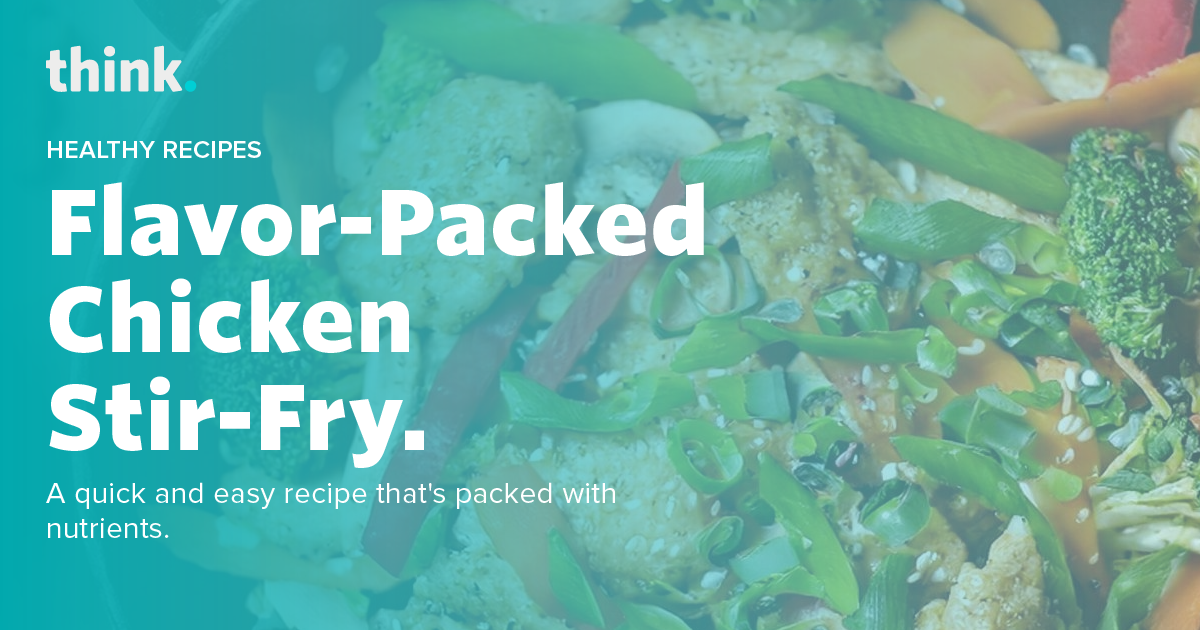
A quick and easy recipe that’s packed with nutrients.
Let’s face it, life can get hectic, especially around the holidays. Between work, family, and social commitments, finding time to cook a healthy and delicious meal can feel like a challenge. But fear not! This quick and easy chicken stir-fry is here to save the day for you and your busy family. Packed with vibrant veggies, lean protein, and a sauce that’s perfectly balanced between sweet, savory, and a touch of spice, this stir-fry is a quick, versatile choice that everyone will love.
From its colorful ingredients to its simple preparation, this dish is more than just a meal—it’s a complete, nutrient-dense dinner that will keep you energized and satisfied. Plus, with endless ways to customize, you can make it your own with your family’s favorite flavors. Perfect for those nights when you want a healthy, home-cooked meal without spending hours in the kitchen. And it also keeps well for fast and healthy leftovers.
So, roll up your sleeves and get ready to create a culinary masterpiece that’s as satisfying as it is simple.
Prep Time 15 mins
Cook Time 15 hours
Total Time 30 mins
Servings: 4
Ingredients
1 pound chicken breasts, cut into bite-sized pieces
1/4 cup soy sauce, tamari, or coconut aminos
1 tablespoon lemon juice
1 tablespoon honey
1 tablespoon sesame oil
1/2 teaspoon red pepper flakes
3 cloves garlic, minced
3 large carrots, peeled and julienned
1 large red bell pepper, julienned
1 large yellow bell pepper, julienned
1 cup snow peas, sliced into 1″ pieces
8 ounces button mushrooms, sliced thinly
2 cups frozen broccoli, defrosted
2 tablespoons avocado oil or olive oil, divided
1 tablespoon cornstarch or arrowroot powder
4 cups cooked rice, noodles, or other serving options
Sliced green onions and toasted sesame seeds, for serving
Instructions
Marinate the Chicken
In a medium bowl, whisk together the soy sauce, lemon juice, honey, sesame oil, rice wine vinegar, and red pepper flakes. Add the chicken and toss to coat. Let marinate for at least 15 minutes, or up to an hour.
Sizzle and Sear the Chicken
Heat a large wok or skillet over high heat. Add 1 tablespoon of oil and cook the marinated chicken until browned and cooked through. Remove the chicken from the pan and set aside.
Sauté an Abundance of Healthy Vegetables
Add the remaining oil to the pan and sauté the garlic for 30 seconds. Add the carrots, bell peppers, snow peas, mushrooms, and broccoli. Stir-fry until the vegetables are crisp-tender.
Make the Sauce
In a small bowl, whisk together the reserved marinade and cornstarch. Pour the mixture over the vegetables and bring to a boil, stirring constantly. Reduce heat and simmer for 1-2 minutes, or until the sauce thickens.
The Grand Finale
Return the cooked chicken to the pan with the vegetables and sauce. Stir to combine. Serve over rice, noodles, or your favorite grain, and garnish with green onions and sesame seeds.
Tips
Switch up your protein While chicken is a popular choice, you can easily swap it out for shrimp, beef, or tofu. For a vegetarian or vegan option, consider adding extra tofu or lentils for a protein boost.
Go gluten-free For a gluten-free version, use tamari or coconut aminos instead of soy sauce.
Amp up the veggies Feel free to experiment with your favorite vegetables! Broccoli, snap peas, and bell peppers are classic choices, but don’t be afraid to try other options like baby corn, water chestnuts, or mushrooms.
Play with the bass No white rice? Consider using brown rice, quinoa, cauliflower rice, ramen, or zucchini noodles as a base.
Mind your sauce Adjust the sauce to your taste preferences. Want it spicier? Add more red pepper flakes. Craving a sweeter flavor? Increase the honey or add a touch of maple syrup. Since we’re cooking with reduced-sodium soy sauce, be sure to taste the final stir fry for seasoning and add salt to taste if needed.
This chicken stir-fry is a go-to for busy families who don’t want to compromise on taste or nutrition. With easy-to-find ingredients and a quick cook time, it’s a recipe you can return to week after week, tweaking and experimenting with new flavors as you go. So the next time you’re looking for a delicious, nourishing meal to fuel your family, let this stir-fry bring everyone together around the table—no reservations required! Enjoy the simplicity, savor the flavor, and feel good about serving up a dish that truly satisfies.
Articles that might interest you
Explore related articles that expand on the topics covered in this post. Dive deeper into insights and ideas that might interest you.
From indoor workouts to outdoor adventures, find your fall fitness inspiration.
October is Physical Therapy Month, a timely reminder of how essential movement is to our overall well-being—especially as fall often brings a natural slowdown with cooler temperatures and shorter days. This seasonal shift may make it tempting to stay indoors, but maintaining physical activity is crucial for both physical and mental health. In fact, the CDC and U.S. Department of Health and Human Services recommend that adults aim for at least 150 minutes of moderate-intensity physical activity each week to improve cardiovascular, respiratory, and muscular health and to boost mood and cognitive function. While that goal may sound ambitious, especially with the onset of fall, breaking up your activity into shorter sessions—like 30 minutes, five times a week—can make it more manageable.
But even knowing all the benefits of staying active, many of us face hurdles when it comes to exercise. Here, we explore common obstacles to staying active in the fall, along with tips and ideas for how to work around them. From accessible indoor exercises to clever ways to fit in movement during daily routines, this guide will help you stay motivated and make the most of autumn.
How Fall Activity Supports Immunity and Mental Health
As fall arrives and temperatures drop, it’s natural for our bodies to experience subtle shifts, from metabolism to our immune response. Engaging in regular physical activity can play an essential role in keeping these systems running optimally. Studies suggest that exercise stimulates the immune system, helping ward off common seasonal illnesses like colds and flu, while also improving the circulation of protective white blood cells that help the body fight infections. Activity also contributes to better sleep quality, which strengthens the immune response.
Staying active can also help counteract seasonal mood changes, such as those associated with shorter days and decreased sunlight exposure. Lower exposure to sunlight can lead to drops in serotonin levels, which may influence mood and motivation. Exercise, however, has been shown to increase serotonin and endorphin levels naturally, offering a protective effect against mood changes and even seasonal affective disorder (SAD). Outdoor activities during daylight hours, like walking or hiking, can provide additional mood-boosting benefits through sunlight exposure and nature interaction, both of which have been associated with lower stress levels and improved mental clarity.
Physical activity impacts metabolic health, helping maintain energy levels by regulating blood sugar and supporting efficient digestion. This metabolic boost can be especially helpful in combating the natural tendency to feel more sluggish or sleepy as days get shorter.
Common Barriers to Staying Active in Fall
Staying active can feel particularly challenging as the weather cools. Here are a few common obstacles that tend to come up—and ways to overcome them:
Pain and Discomfort
Chronic pain or past injuries can make it daunting to maintain regular physical activity. Even if you’re dealing with limited mobility, certain exercises can help improve your strength and stamina. Low-impact exercises like swimming, cycling, or even simple resistance band workouts can be helpful for those with chronic pain or joint issues. Physical therapists, like our team at think, can guide you through safe exercises tailored to your specific needs, helping you find activities that don’t exacerbate your pain.
Time Constraints
Between work, family, and other commitments, many people struggle to find time for exercise. But staying active doesn’t always mean scheduling a full workout. Physical activity can be incorporated into your day in simple ways, such as taking the stairs, stretching while watching TV, or going for short walks during breaks. Making movement part of your daily routine can help you stay consistent, even on the busiest days.
Limited Access to Gyms or Equipment
Not having a gym membership or fancy equipment doesn’t mean you can’t exercise. Many effective workouts require little to no equipment—think bodyweight exercises, yoga, or even using household items as weights. Try filling milk jugs with water for resistance or using a sturdy chair for step-ups. Walking, dancing, and climbing stairs are also excellent ways to stay active without needing any specialized equipment.
Fun Fall Activities to Keep Moving
Fall offers a beautiful setting for exercise, and there are plenty of ways to stay active while enjoying the season’s colors and cool air. Here are a few ideas:
Embrace Walking and Hiking Walking is a low-impact activity that’s easy to fit into any day. If you have a park or trail nearby, fall is the perfect time for a walk or hike. Consider scheduling regular walks with a friend or family member to make it a social activity, too. Don’t forget to layer up and wear proper footwear to stay comfortable as temperatures drop.
Bring the Outdoors In with an Indoor Bike Trainer If you enjoy cycling but find outdoor conditions challenging in colder weather, try an indoor bike trainer. These devices let you use your regular bike indoors, providing a cardio workout that’s safe from the elements. Some indoor cycling apps even let you ride virtual courses, adding a bit of scenery to your exercise routine.
Join Virtual Fitness Classes From yoga to high-intensity interval training (HIIT), there are countless virtual classes available online, many of which are free or low-cost. With so many choices, you can try new types of exercise without leaving your home. Virtual classes are a great option if you prefer to work out in the comfort of your living room.
Use Public Indoor Walking Spaces Many malls, schools, or large indoor venues open their doors for community walking during colder months. Indoor walking is a great option for those who want to avoid slippery or uneven outdoor terrain. Check with local community centers or nearby indoor spaces for accessible walking routes.
Look into SilverSneakers Programs If you’re over 65, you may be eligible for the SilverSneakers program through Medicare, which offers free access to gym facilities. This program includes access to online classes and on-demand workouts, so you can get moving wherever you feel comfortable.
Tips for Building and Maintaining a Fall Fitness Routine
Making activity a habit is key to staying active, especially as the seasons change. Here are some ways to build a sustainable fitness routine this fall:
Schedule Your Workouts Like Appointments
One of the easiest ways to ensure you make time for physical activity is to schedule it into your calendar like any other important appointment. Even short, scheduled sessions—like a 15-minute morning stretch or a lunchtime walk—can keep you on track.
Incorporate Movement into Daily Routines
If time is tight, try adding movement to your daily tasks. Walking your dog, playing with your kids, and even doing housework can count toward your weekly activity goals. Parking farther away or choosing stairs over elevators are simple ways to add a bit more movement.
Layer Up and Stay Safe for Outdoor Workouts
Exercising outdoors in fall can be refreshing, but it’s important to dress in layers to stay warm and visible during shorter daylight hours. When walking or running, look for well-lit paths, and be mindful of fallen leaves, which can be slippery when wet. Aim to exercise during daylight for better visibility and safety.
Use a Fitness Tracker or App for Motivation
A fitness tracker or app can be a motivating tool to help you set goals, track your progress, and celebrate milestones. Many apps also offer virtual challenges, so you can connect with friends or family members and add a social element to your workouts.
Set Realistic Goals and Celebrate Small Wins
Start with achievable goals to build momentum and avoid burnout. Whether it’s walking a certain number of steps per day or completing three workouts a week, celebrate each small success to stay motivated and acknowledge your progress.
Partner with a Physical Therapist
If you’re dealing with pain or recovering from an injury, a physical therapist can help you create a safe, effective exercise plan. They can guide you through exercises tailored to your needs, reducing the risk of injury and helping you stay consistent.
Staying Motivated All Season Long
Fall can be a busy time, but don’t let that be an excuse to skip out on physical activity. Staying active is one of the best ways to support your health, manage stress, and enjoy the seasonal changes. Make a plan, start small, and find activities that you enjoy—whether it’s a brisk walk, an indoor cycling session, or a virtual yoga class.
By overcoming common barriers and finding ways to move that suit your lifestyle, you can make physical activity a consistent part of your life—no matter the season. And if you need personalized guidance, our physical therapy team at Think Whole Person Healthcare is here to support you on your journey to better health.
DISCOVER YOUR BEST PATH TO STAYING ACTIVE WITH OUR PHYSICAL THERAPY TEAM.
This fall, take advantage of the opportunity to consult with our think physical therapy experts to find out what your body needs to stay strong, flexible, and balanced. A seasonal shift doesn’t have to mean a decrease in activity—our team is here to help you keep moving comfortably and safely.
ThinkWhole Person physical therapists collaborate closely with your doctor and other providers, focusing on reducing pain, enhancing mobility, and supporting faster recovery. For immediate support with injuries or acute issues, our walk-in clinic is open to everyone, even if you’re new to think or don’t yet have a primary care provider. Explore our whole-person healthcare services and meet our dedicated providers on our website. We’re here to help you move forward with confidence!
Articles that might interest you
Explore related articles that expand on the topics covered in this post. Dive deeper into insights and ideas that might interest you.
Avoiding the flu can be a challenge. Here are ten suggestions that can help you and your family members minimize the chance of catching the flu this season.
Staying hydrated is something 75% of Americans struggle with daily. Our diets play a significant role in how hydrated we are. Pop, caffeine, and salt – to name a few…
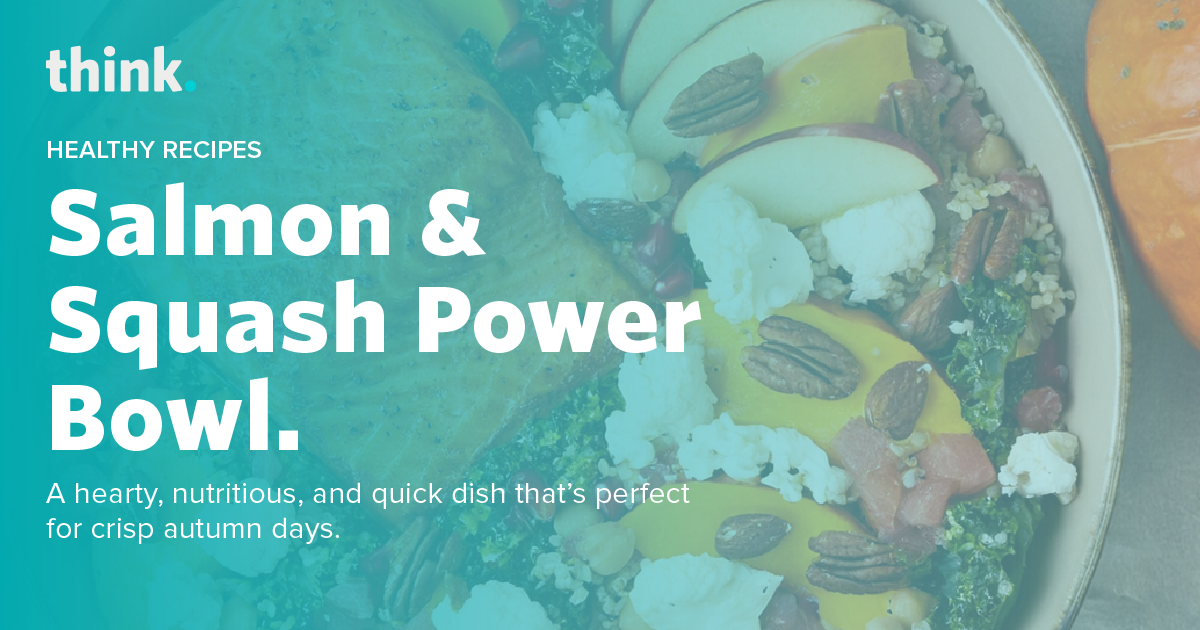
A hearty, nutritious, and quick dish that’s perfect for crisp autumn days.
When it comes to getting fast, healthy meals on the table between trips to the pumpkin patch, visits to haunted houses, or cozy nights sipping hot apple cider, seafood might not be the first dinner that comes to mind. But with all of the health benefits of a lean protein like salmon packed with omega-3s, we thought it would be a great addition to a flavor-packed seasonal bowl.
This Autumn Harvest Salmon & Squash Power Bowl combines seasonal ingredients with loads of flavor and nutrition. It’s a hearty mix of roasted butternut squash, cauliflower, and quinoa paired with tender, flaky salmon. Quick enough for a weeknight dinner and satisfying enough to enjoy after a full day of fall festivities—whether you’re cheering at a football game, jumping in piles of leaves, or taking in the crisp air on a hayride. Each bite offers the vibrant tastes of autumn, making it an ideal way to stay nourished and savor the best of fall’s harvest.
This power bowl is also endlessly customizable—switch up the ingredients based on your taste or whatever’s in season and handy. Try adding juicy nectarines or fresh pears for a sweet contrast, or dried apricots and cranberries for a touch of tartness. Crumbled goat cheese would bring a creamy element, while more bold options like gorgonzola or bleu cheese could add a distinctive, savory edge. This bowl isn’t just a one-time delight either; it’s great for meal prep too. The kale stays crisp and fresh for a few days, making it an easy grab-and-go meal for a few days – just keep the protein and dressing separate until you’re ready to dig in! Feel free to switch up your protein too – this would be equally delicious with a grilled chicken breast. For a vegetarian twist, simply skip the salmon and add extra quinoa or lentils for a hearty dose of plant-based protein.
As the days get shorter and busier, this power bowl makes it easy to embrace the season without sacrificing the quality of your meals. Each bite bursts with the flavors of autumn, from the tartness of pomegranate seeds to the crunch of pecans and apples, all tied together by a zesty dressing. It’s not just a meal, it’s an invitation to savor fall while staying nourished and energized for the activities and traditions we love most.
Prep Time 10 mins
Cook Time 15 hours
Total Time 25 mins
Servings: 2
Ingredients
For the salad:
1 cup cooked quinoa
3 cups roughly chopped kale, washed and destemmed
2 teaspoons olive oil
1 teaspoon garlic powder
1.5 cups roasted butternut squash
1.5 cups roasted cauliflower
2 tablespoons avocado oil
Salt and pepper to taste
1 apple, sliced
1/3 cup crumbled feta cheese
1/3 cup pomegranate seeds
1/4 cup pumpkin seeds
1/4 cup pecan pieces
2 salmon filets
Consider other seasonal produce like nectarines
For the dressing and marinade:
1/2 cup olive oil
2 tablespoons apple cider vinegar
Juice from 1 lemon
2 tablespoons honey syrup
4 teaspoons Dijon mustard
Salt and pepper to taste
Instructions
Get your grains going
Start by cooking the quinoa according to the package directions. Fluff it with a fork once cooked and set it aside to cool slightly. This hearty base will add a satisfying texture and an earthy flavor to balance out the vibrant veggies and salmon.
Fire up the oven and roast your vegetables
Preheat your oven to 400°F. Spread cubed butternut squash and cauliflower on a baking sheet, then toss with avocado oil, salt, and pepper until evenly coated. Roast for about 15 minutes, stirring halfway through, or until tender and caramelized around the edges. Allow the roasted veggies to cool slightly before assembling.
Whip up the dressing
In a small mixing bowl, whisk together olive oil, apple cider vinegar, lemon juice, honey, Dijon mustard, salt, and pepper until smooth and well-blended. This tangy-sweet dressing ties everything together and makes each bite pop with flavor.
Prepare the salmon
Place the salmon fillets on a plate and drizzle half of the dressing over them, gently massaging it in to let the flavors absorb. Let the salmon rest for a couple of minutes while the oven preheats or the grill heats up.
Bake or grill the salmon
Lay the salmon on a lined baking sheet and bake at 400°F for about 10-12 minutes, or until it flakes easily with a fork. Alternatively, grill on a stovetop over medium-high heat, searing each side for 3-4 minutes until cooked through. Set aside to cool slightly before flaking it into chunks for the salad.
Massage the kale
Place the washed and dried kale in a large mixing bowl. Drizzle with a teaspoon of olive oil and sprinkle with garlic powder. Using clean hands, gently massage the kale for a couple of minutes, softening it and bringing out a deep, rich green color. Massaging makes the kale more tender and easier to digest, and it’ll better absorb the dressing’s flavors.
Toss the veggies and assemble your salad
In a large salad bowl, add the roasted butternut squash and cauliflower, massaged kale, chopped apple, pomegranate seeds, pumpkin seeds, crumbled feta, and pecans. Lightly toss everything together to mix the textures and flavors in every bite.
Finish with a drizzle
Drizzle the remaining dressing over the salad, ensuring an even coating. This final touch brings all the ingredients together and infuses the salad with brightness and a hint of sweetness.
Enjoy!
Serve immediately while everything’s fresh and vibrant. Dig in and savor the flavors of the season!
Tips
Go Vegetarian To make this power bowl vegetarian, simply skip the salmon and add extra quinoa or hearty lentils for an extra boost of plant-based protein. You can also toss in chickpeas or black beans for additional flavor and texture.
Mix Up Your Produce This recipe is easy to personalize with seasonal produce. Try swapping butternut squash for sweet potatoes or adding roasted beets for a richer flavor. For a fruity twist, include nectarines, fresh peaches, or diced pears, or add dried apricots, cranberries, or figs for a pop of sweetness.
Experiment with Cheeses Crumbled goat cheese or a good feta can add a creamy tang that pairs perfectly with the dressing and roasted veggies. For a bold flavor, try gorgonzola or bleu cheese, which offers a savory contrast against the sweetness of the fruit and squash.
Perfect for Meal Prep This salad stores beautifully in the fridge, making it an ideal meal prep option. Keep the dressing and salmon separate until you’re ready to eat, and the kale will hold up for a few days without wilting.
Switch Up the Protein If you’re not in the mood for salmon, this bowl is versatile enough to pair with grilled chicken, seared tofu, or even shrimp. The flavors and textures will still come together deliciously with a different protein.
Embrace the flavors of fall with this Autumn Harvest Salmon & Squash Power Bowl, a meal that captures the season’s best produce and rich flavors while nourishing you for all your autumn adventures. Each bite of this bowl is a reminder that healthy eating can be as easy as it is satisfying. With its combination of hearty grains, seasonal veggies, and savory salmon, this bowl is sure to keep you fueled and ready for everything fall has to offer—from leaf-peeping to cozy evenings by the fire.
Articles that might interest you
Explore related articles that expand on the topics covered in this post. Dive deeper into insights and ideas that might interest you.
Make mammograms and education a priority this Breast Cancer Awareness Month.
October is Breast Cancer Awareness Month, a vital time to raise awareness about this prevalent disease and emphasize the importance of early detection through regular mammograms. In today’s fast-paced world, it’s easy for important health screenings like mammograms to fall by the wayside. However, prioritizing breast health is crucial for early detection and successful treatment of breast cancer.
Breast cancer remains the second leading cause of cancer-related deaths in women. According to the Centers for Disease Control and Prevention (CDC), breast cancer is the most common cancer among women in the United States. Approximately 1 in 8 women will develop invasive breast cancer during their lifetime. According to the American Cancer Society, over 313,000 new cases of invasive breast cancer and about 42,250 women and 530 men will experience breast cancer-related deaths in the U.S. in 2024. Despite these daunting statistics, there is reason for hope. Increased awareness, advances in screening, and improved treatments have resulted in a 44% decline in breast cancer mortality rates since the late 1980s.
Early detection plays a significant role in these positive trends. Studies show that when breast cancer is detected early, at a localized stage, the five-year survival rate is 99%. This highlights the life-saving potential of routine mammograms, which can detect abnormalities in breast tissue before symptoms appear, giving women a better chance of successful treatment and survival.
Understanding Breast Cancer
Breast cancer is a group of diseases characterized by uncontrolled cell division within breast tissue, typically resulting in a lump or mass. Early stages often present no symptoms, highlighting the key role of screening mammograms in early detection when tumors are smaller and easier to treat.
Common signs of breast cancer include:
A painless lump
Swelling or thickening of breast tissue
Dimpling or redness of breast skin
Nipple changes, including discharge, retraction, or scaly skin
Know Your Risk to Take Control of Your Breast Health
Several factors can increase a woman’s risk of developing breast cancer. These include a personal or family history of cancer, particularly breast or ovarian cancer; early menstrual cycle or delayed childbearing/never giving birth; hormone replacement therapy; Ashkenazi Jewish heritage; and age, as women’s risk increases with age.
Breast Cancer in Men
While less common, breast cancer can occur in men. They should be aware of potential symptoms such as breast tissue enlargement on one side or changes in skin or nipples. A strong family history or genetic mutations, like the BRCA mutation, warrant self-exams and regular checkups with a healthcare provider.
Understanding Mammograms
Mammograms, an essential tool for early breast cancer detection, have undergone significant advancements since their inception in 1913 when German surgeon Albert Salomon began studying mastectomy patients. Throughout the 20th century, technological breakthroughs, such as stereoscopic techniques and digital imaging, have improved the accuracy and efficiency of mammograms. In 2011, a major milestone was achieved with the FDA approval of 3D mammography, which offers more detailed images and can detect smaller cancers. These advancements have played a vital role in enhancing the effectiveness of mammograms in breast cancer screening.
The Impact of Mammograms
Mammograms have played an essential role in reducing breast cancer mortality rates. Studies have shown that regular mammograms can decrease mortality by nearly 40% since the 1990s.
The Importance of Regular Mammograms
While a single mammogram isn’t foolproof, yearly screenings become increasingly valuable over time. These comparisons allow healthcare providers to identify changes in breast tissue that might go unnoticed in a single exam.
When to Start Mammograms
Generally, major cancer organizations recommend starting annual mammograms between the ages of 40 and 50. For women with a higher risk of breast cancer, discussions about starting mammograms at 35 may be necessary. There’s ongoing debate about starting high-risk women as early as 30.
Frequency of Mammograms
Some women may assume mammograms are no longer needed after a certain age or menopause. However, breast cancer risk continues to increase with age. For average-risk women aged 55 to 74, the option of biennial mammograms might be suitable. Ultimately, the frequency depends on individual risk factors and health history.

Recommendations for Routine Mammograms
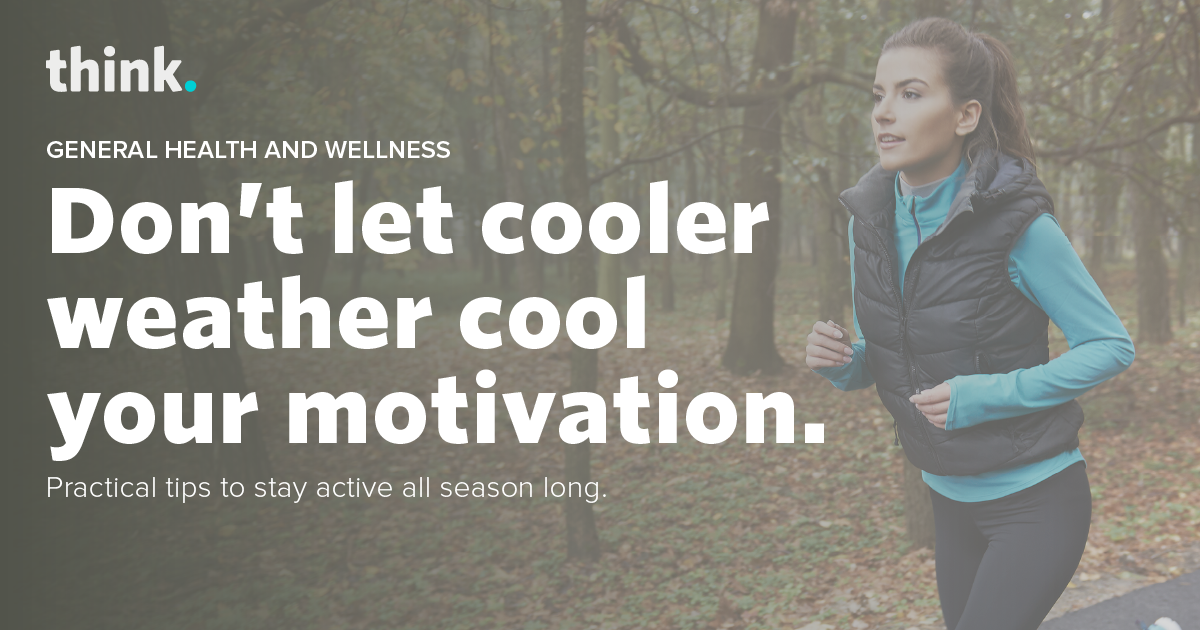
Women ages 40 to 45 have the option to start annual breast cancer screenings. For those aged 45 to 54, annual mammograms are recommended. Women 55 and older can consider biennial mammograms unless advised otherwise by their physician.
In addition to regular mammograms, monthly self-examinations can contribute to breast health awareness. Women of all ages should perform visual exams and feel their breasts for any lumps, distortions, or swelling.
What to Expect During a Mammogram
Preparing for your mammogram involves arriving on time and avoiding products like deodorant, lotion, or perfume on the day of the exam.
During the procedure, the technologist will position your breasts for imaging. This process may involve some discomfort, but it’s important to communicate with the technologist if you experience any pain or discomfort.
After the mammogram, the images will be reviewed by a radiologist. If any abnormalities are detected, you may be contacted for further testing or follow-up appointments.
Additional Considerations
For women with a strong family history of breast or ovarian cancer, genetic testing may be recommended to assess their risk. Maintaining a healthy lifestyle, including a balanced diet, regular exercise, and limiting alcohol consumption, can also contribute to breast health.
While mammograms are an essential tool for breast cancer early detection, some women may experience discomfort or fear false results. However, medications can alleviate discomfort, and the potential life-saving benefits far outweigh any temporary concerns. It’s important to remember that mammograms, while not perfect, remain the most effective method for early detection.
Early Detection is the Key to Beating Breast Cancer
Early detection saves lives. This Breast Cancer Awareness Month, make your health a priority by scheduling a mammogram. Regular screenings are the most effective way to catch breast cancer in its earliest stages, giving you the best chance for successful treatment and recovery. With advances in technology and a better understanding of breast health, we have more tools than ever to fight this disease. Take action today—schedule your mammogram, encourage your loved ones to do the same, and remember that early detection can make all the difference. Your health is worth it.
THINK IS YOUR PARTNER FROM BREAST CANCER DETECTION THROUGH TREATMENT AND BEYOND.
Think offers state-of-the-art 3D mammography technology for both routine screenings and diagnostic testing. This technology provides real-time feedback for on-site radiologists, ensuring a seamless process. Our advanced 3D mammograms accommodate both regular breast tissue and implants, ensuring precise results. At think, our providers stay informed on the latest research and guidelines, working closely with medical experts to offer the best care for your breast health. What you were told about breast care 10 years ago may not be the same today, so staying up to date with your provider is essential to receiving personalized, current recommendations.
If we do find breast cancer in a patient, our think medical team will ensure there is seamless and convenient care. Think partners with the Nebraska Cancer Specialists who have a clinic in our building so the cancer specialists can work closely with our Primary Care physicians. We have excellent healthcare options in Omaha for both oncologists and surgeons. Think works closely with all of the major hospital groups in the area. We want to do what’s best for each individual patient.
Stay current with your breast health by scheduling a consultation or mammogram today. Think is devoted to treating the whole person while delivering the highest quality at the lowest cost possible. To schedule a mammogram or book a provider appointment, call 402.506.9000, or schedule an appointment online. Think Whole Person Healthcare, conveniently located in central Omaha, can provide same-day appointments.
Remember: Early detection is key to successful treatment. Schedule your mammogram today.
Articles that might interest you
Explore related articles that expand on the topics covered in this post. Dive deeper into insights and ideas that might interest you.
Avoiding the flu can be a challenge. Here are ten suggestions that can help you and your family members minimize the chance of catching the flu this season.
Staying hydrated is something 75% of Americans struggle with daily. Our diets play a significant role in how hydrated we are. Pop, caffeine, and salt – to name a few…
A healthier take on Half Baked Harvest’s Delicious Fall Favorite.
Beef, apple butter, apple cider, and wine – yum! As the crisp autumn air settles in and our forecast warns of a potential freeze, there’s nothing more comforting than a warm, hearty meal like this cider-braised pot roast. Imagine tucking into a steaming plate of this classic dish, especially on a chilly evening before heading out to a local football game – pure comfort food bliss!
We all know and love the delicious pot roast recipes from our childhood, and Half Baked Harvest’s Cider-Braised Pot Roast (check out the original recipe here: https://www.halfbakedharvest.com/cider-braised-pot-roast) is a wonderful fall modification to the classics. But let’s face it, traditional pot roast recipes can sometimes be on the heavier side. Here at think, we’re all about whole-person health, so sometimes that means looking for healthier versions of our favorite comfort foods.
So, we’ve taken inspiration from Half Baked Harvest’s amazing recipe and revamped it to be even healthier, all without compromising on flavor or that cozy, comforting feeling. (For those other home cooks out there who are fans of Tieghan Gerard’s work, we know that’s a high bar to set, but trust us, this recipe delivers!)
But how can we make changes that minimize the “unhealthy” aspects of the dish while maximizing the nutrients and goodness we can pack in, without drastically altering the original recipe? We focused on a few key areas:
Lean Protein: We swapped out a traditional, fattier cut of beef for a leaner option like a top-round roast. This reduces saturated fat content while still delivering a satisfying protein punch.
Veggie Powerhouse: The original recipe primarily features potatoes. We’ve added in nutrient-rich vegetables like carrots and celery to the pot roast, boosting the overall vitamin and mineral content of the dish.
Smart Fat Choices: While some fat is necessary for flavor and texture, we’ve opted for healthier fats like olive oil in place of butter for certain elements of the recipe.
Whole Grain Twist: Want to make this dish even more wholesome? Replace some of the white potatoes with a serving of brown rice or quinoa for a boost of fiber and complex carbohydrates.
The Original Recipe Includes Wine: Half Baked Harvest’s recipe uses wine, but you can easily substitute it with bone broth for a different flavor profile.
The Buttered Potato Smashies These are one of the stars of the original recipe. If you’ve been getting in all your steps and generally eating healthy otherwise, you may want to indulge here because they are delicious. We decided to leave them in the roast to cook but skip the extra butter.
For us, one element had to stay and thats the apple butter. It brings a sweet, spiced fall flavor that pairs perfectly with the onions and shallots. It also aids in creating a beautifully caramelized, flavorful crust on the roast as it cooks in the oven.
This revamped version is packed with nutritious ingredients like lean beef and more vegetables, while still delivering that home-cooked taste we all crave. So, whether you’re fueling up for the football game or simply looking for a nourishing meal to enjoy on a chilly night, this cider braised apple butter pot roast is the perfect choice. It’s easy to make, packed with flavor, and a healthier twist on a classic comfort food.
Prep Time 25 mins
Cook Time 3 hours
Total Time 3 hours and 25 mins
Servings: 6
Ingredients
3-4 pound lean beef pot roast
Salt and pepper
1 tablespoon whole wheat flour (or gluten-free)
3 yellow onions, thinly sliced
4 shallots, halved
2 tablespoons olive oil
2 cups apple cider
2 tablespoons apple butter
2 cups bone broth
2 tablespoons chopped fresh thyme
6-8 (or 1 lb) small to medium Yukon gold potatoes
1 cup chopped carrots
1 cup chopped celery
2 sprigs rosemary, for garnish
Instructions
Season the pot roast.
Season the roast well with salt and pepper, then rub it all over with whole wheat flour. The flour slightly thickens the broth and adds a layer of comforting decadence to the dish, so dont skip it.
Cook the onions.
Toss the onions and shallots in a large Dutch oven with olive oil. Cook until slightly softened.
Roast the pot roast.
Place the pot roast on top of the onions and rub the top of the roast with apple butter. Pour the apple cider, bone broth, and add the thyme. Add in the potatoes around the roast. Cover and cook in a preheated oven at 300°F for 3 hours.
Add the vegetables.
About 30 minutes before the pot roast is finished, add the carrots and celery to the pot.
Finish the roast.
Increase the oven’s heat to 425° F and uncover the pot roast. Cook uncovered until deeply caramelized on top. If needed, add broth to keep the onions just barely covered.
Serve.
Serve the pot roast with the potatoes, celery and carrots on the side. Top with onions, juices, and a sprig of rosemary and enjoy!
Dietary Adjustments
Gluten-Free: Use gluten-free flower and ensure your broth is gluten-free.
Dairy-Free: Omit the butter and use a plant-based alternative.
Low-Sodium: Use low-sodium broth to control salt intake.
Vegetarian: Replace the beef pot roast with a hearty vegetable protein like lentils or tempeh and use vegetable broth.
More nutrients: Experiment with different types of potatoes and vegetables.
As the temperatures drop and the cozy flavors of fall fill the air, this cider-braised apple butter pot roast offers the perfect balance of comfort and nourishment. With its thoughtful adjustments for a healthier twist, you can savor the rich, savory goodness guilt-free. Whether you’re gathered around the table with family or fueling up for a busy autumn day, this recipe brings warmth, flavor, and plenty of wholesome ingredients to the plate. We hope this version inspires you to create your own healthy comfort food favorites, making the most of fall’s bounty. Enjoy!
Articles that might interest you
Explore related articles that expand on the topics covered in this post. Dive deeper into insights and ideas that might interest you.
A vibrant, flavorful twist on a classic comfort food favorite.
As the weather cools down, our Mexican Corn Chicken Soup is the perfect way to bring a little warmth and spice to your table. Packed with tender chicken, sweet corn, and a medley of bold Mexican spices, this hearty soup is a celebration of flavor and comfort. Whether you’re meal-prepping for the week or looking to serve up a comforting dish for family dinner, this recipe has you covered.
Corn adds a hint of sweetness that balances perfectly with smoky paprika and jalepeno, while the tender chicken and rich broth create a satisfying, nourishing meal. Whether you’re looking for a cozy dinner or a crowd-pleasing dish for game day, this soup brings all the vibrant tastes of Mexico to your fall menu.
Why You’ll Love It:
Seasonal Fresh sweet corn makes this a perfect early fall dish.
One Pot Wonder Easy to make and clean up, since it all comes together in one pot.
Naturally Gluten-Free A great option for those avoiding gluten.
Freezer-Friendly This soup freezes beautifully. Make a double batch and store for future quick dinners!
Prep Time 10 mins
Cook Time 40 minutes
Total Time 50 mins
Servings: 4
Ingredients
1 tablespoon olive oil
1 tablespoon butter
1 onion, diced
1 green bell pepper, diced
3 garlic cloves, minced
2 large tomatoes, seeded and diced
3 cups fresh corn kernels (from about 4 ears of corn) or use frozen/canned
1 teaspoon chili powder
1 teaspoon smoked paprika
1/2 teaspoon ground cumin
1 teaspoon salt
2 1/2 cups chicken broth
2 boneless, skinless chicken breasts
1/2 cup heavy cream
1-2 jalapenos (optional, for heat)
Red pepper flakes (optional, to taste, for heat)
For Serving
Cotija cheese
Fresh cilantro
Instructions
Prep your ingredients.
Dice your onion, bell peppers, tomatoes, and jalapenos. Mince garlic. Use a sharp knife to carefully remove corn kernels from the ears. (If using frozen corn, add 3 cups of frozen corn directly to the pot when you add the cream. For canned corn, use two 14-ounce cans, drain the liquid, and add with the cream.)
Cook the veggies.
In a large pot over medium-high heat, warm olive oil and butter. Add the diced onion and bell pepper, cooking until softened (about 3-4 minutes). Stir in minced garlic and cook for an additional minute.
Add tomatoes, corn, heat, and spices.
Stir in the diced tomatoes, corn kernels, jalepenos, chili powder, cumin, smoked paprika, red pepper flakes, and salt. Cook until fragrant, about 1 minute..
Simmer the soup.
Pour in chicken broth and stir to combine. Submerge chicken breasts in the broth. Bring the soup to a boil, then reduce the heat to a simmer. Cover and cook for about 20 minutes or until the chicken is cooked through.
Shred the chicken.
Once the chicken is done, remove it from the pot and shred using two forks. Set aside.
Blend for creaminess.
Remove 3 cups of the soup and blend until smooth using a blender or immersion blender. Return the blended portion to the pot for a creamier texture.
Add the cream & chicken.
Stir in the shredded chicken and tempered heavy cream, allowing the soup to simmer for another 5 minutes. Adjust seasoning as needed.
Garnish and serve.
Ladle the soup into bowls and garnish with cotija cheese and fresh cilantro as desired. Enjoy!.
Tips
Here are a few tips:
Fresh vs. Frozen Corn: Fresh corn adds a sweet pop of flavor, but you can use frozen or canned if fresh isn’t available.
Homemade Chicken Broth: Using homemade broth will add extra depth of flavor.
Leftover Chicken: Got leftover chicken? Use it in place of the chicken breasts. Just shred and add to the soup in the final steps.
Dietary Adjustments
Gluten-Free: Ensure your chicken broth is gluten-free.
Dairy-Free: Swap the heavy cream for full-fat coconut milk.
Low-Sodium: Use low-sodium broth to control salt intake.
Vegetarian: Replace chicken with black beans or diced potatoes and use vegetable broth.
Articles that might interest you
Explore related articles that expand on the topics covered in this post. Dive deeper into insights and ideas that might interest you.