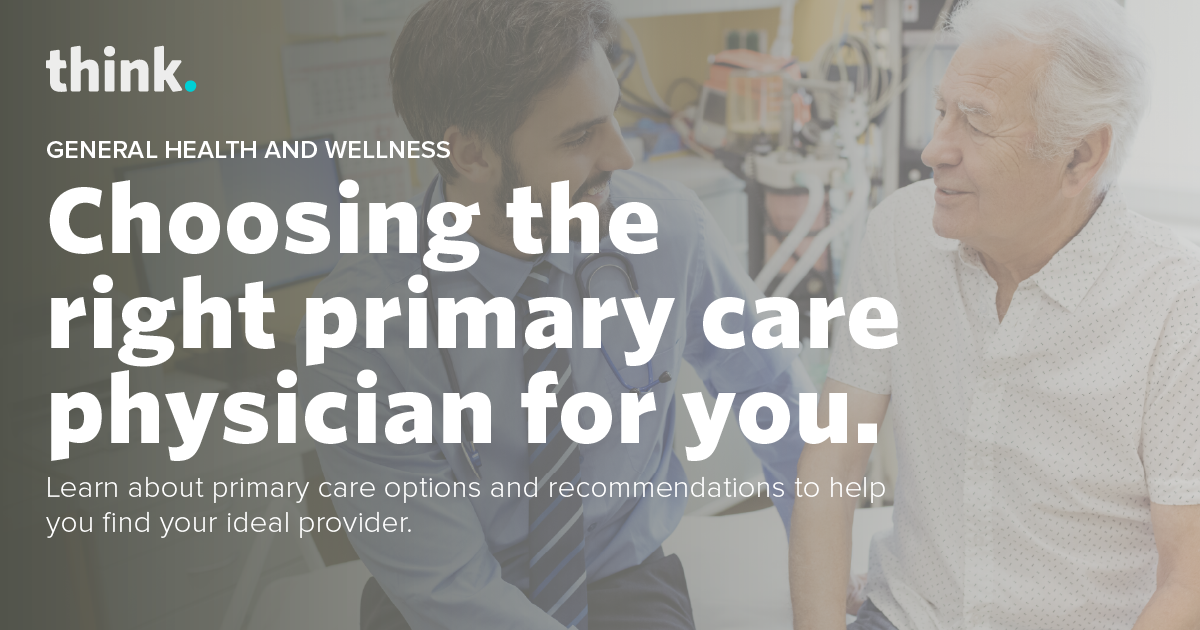
Choosing the right primary care physician for you.

Choosing the right primary care physician for you.

Learn about primary care options and recommendations to help you find your ideal provider.

Choosing the right primary care physician (PCP) is an important step toward achieving and maintaining optimal health. PCPs serve as your main health advocate, offering preventive care, managing chronic conditions, and guiding you through the healthcare system. They may provide continuous care to you and your family over decades and serve as a consistent point of contact for all your medical needs. Establishing a strong relationship with a PCP not only increases your likelihood of better health outcomes but also enhances your satisfaction as a patient, as few other providers will know your medical needs as well as your long-term PCP. Understanding the different types of primary care providers and selecting one that aligns with your health needs and personal preferences is therefore essential for your successful healthcare journey. But how do you choose the right one?

Understanding Primary Care Providers

First, let’s get a better understanding of Primary Care providers and the different types available. Primary care physicians are medical professionals trained to offer first-contact and continuous care for those with undiagnosed health concerns, as well as ongoing care for varied medical conditions. They emphasize holistic health, preventive measures, and patient education, ensuring that healthcare is both accessible and customized to individual patient needs.

Types of Primary Care Physicians

Primary care encompasses several specialties, each catering to specific patient demographics and health needs:

Pediatric Physicians Specializing in the health of children from birth through adolescence, pediatricians address developmental issues, immunizations, and common childhood illnesses.

Family Medicine Physicians These practitioners provide comprehensive care across all ages, from infants to the elderly. Their broad expertise allows them to manage a wide range of health issues, making them ideal for families seeking a single healthcare provider.

Internal Medicine Physicians Focusing on adult patients, internists are adept at diagnosing and treating complex medical conditions, emphasizing preventive care and chronic disease management.

The Role of Advanced Practice Providers

You may wonder why at think we often refer to our medical staff as providers, and other times, we refer to them as doctors or physicians. It’s because think also employees Advanced Practice Providers. Advanced Practice Providers (APP) can be Physician Assistants or Advanced Practice Registered Nurses. These medical professionals can see and treat patients similarly to physicians but are supervised by the physician. In essence, an APP is a representative of that physician. PA-Cs and APRNs may see their patients, even though a physician still supervises them. Physicians tend to increase the number of patients they care for as their practice grows. At some point, there isn’t enough time in the day to see everyone. That’s when a PA-C or APRN can be invaluable. They can see the less acute cases, like medication checks, sinus infections, cold symptoms, etc., while the physician can focus on the more complex or acute patients. Physicians oversee diagnosis and treatment plans for patients seen by our PA-C or APRN providers. Both physicians and Advanced Practice Providers work together to care for their patients efficiently and effectively.

Factors to Consider When Choosing a Primary Care Physician

Now that you understand the different types of Primary Care and providers, let’s look at selecting the right PCP.  It involves more than just understanding their specialty. Consider the following factors to ensure you find a good fit for your health needs:

Assess Your Health Needs 

Reflect on your current health status and any chronic conditions. For instance, if you have a complex medical history, an internist might be suitable. Families with children may prefer a family medicine physician who can treat all members. Make a list of your health concerns to be addressed and any specific qualities you are seeking in your provider.

Check Insurance Coverage 

Ensure the physician is within your health insurance network to avoid unexpected expenses. Contact your insurance provider for a list of in-network doctors. You can also contact providers to see if they accept your insurance – for example here at think we provide a complete list of all insurances we accept on our insurance page.

Seek Recommendations 

Ask friends, family, or other healthcare professionals for referrals. Personal experiences can provide valuable insights into a physician’s practice style and patient care approach.

Consider Accessibility 

Evaluate the location of the physician’s office, their office hours, availability, and access to specialists and screenings at their facility. Proximity and convenient hours are essential for regular visits and urgent care needs.

Review Credentials and Experience 

Research the physician’s educational background, board certifications, and years of practice. Experienced doctors may offer a higher level of expertise, especially for specific health conditions.

Schedule an Initial Appointment 

Meeting the physician in person can help determine if they are the right fit for you. Ensure you feel comfortable and confident in their care.

You’ve found a great Primary Care Physician – Great! What’s next?

You’ve done your research and found your ideal provider, terrific. Now what? Establishing a relationship with your new primary care physician (PCP) is a significant step toward proactive health management. Here’s how to make the most of this partnership:

Transfer Your Medical Records

Ensure your new PCP has a comprehensive understanding of your health history by transferring your medical records from previous providers. This includes past diagnoses, treatments, surgeries, and current medications. Having these records allows your new PCP to provide informed and personalized care.

Schedule a Comprehensive Evaluation

If not already covered during your initial visit, book your annual physical/comprehensive exam to establish a health baseline. This visit allows your PCP to assess your current health status and discuss any concerns or goals you may have. It’s an opportunity to build a trusting relationship and set the foundation for ongoing care.

Maintain Regular Appointments

Consistent visits with your PCP are vital for early detection and prevention of potential health issues. Regular check-ups allow for monitoring of existing conditions and adjustments to treatment plans as necessary. Staying proactive with your health can lead to better outcomes and a higher quality of life.

Communicate Openly

Effective communication is key to receiving optimal care. Share any changes in your health, lifestyle, or medications with your PCP. Don’t hesitate to ask questions or express concerns; a good PCP will value your input and work collaboratively with you.

Utilize Preventive Services

Take advantage of preventive services offered by your PCP, such as vaccinations, screenings, and wellness advice. Engaging in preventive care can help you avoid illnesses and detect conditions before they become serious.

By following these steps, you can build a strong, collaborative relationship with your primary care physician, paving the way for a healthier future.

Find a Doctor Your Family Can Trust at Think.

Your Primary Care physician is at the center of your circle of care. At think, our Primary Care physicians are general practitioners who specialize in Family Medicine and Internal Medicine. Functioning as your advocate and primary healthcare provider, they can help you with a diverse mix of issues, ranging from something as minor as a cold, to something harder to manage, like long-term or chronic illness. 

Having a hard time picking who to see? We understand finding the right provider can take time and can even be overwhelming if you’re just getting started. We offer a diverse team of over 30 primary care physicians and providers in one location. Browse our physician bios on our Meet Your Doctor page. Then, give our Welcome Center staff a call at 402.506.9049 to help you select the right provider for you. We are glad to help and make your selection process as easy and stress-free as possible.

If you live with chronic or multiple illnesses, you may qualify for our Care Coordination program. This program is designed to improve patient outcomes through active teamwork between physicians and specialists at think. If you qualify for care coordination, or if you simply have a need for one of our onsite specialists, your Primary Care physician will work on your behalf to coordinate a care plan for you that meets your needs and works well alongside any existing treatments. 

Having a Primary Care physician you feel comfortable with is the key to a positive healthcare experience. We are proud to work with a large, diverse group of Primary Care physicians and are confident that one of them is the perfect fit for your family. Choosing a think PCP also means you’ll have access to: 

  • Onsite Specialty Services: Access to various specialties such as rheumatology, behavioral health, physical therapy, and podiatry ensures comprehensive care under one roof.
  • Preventive Screenings: Regular screenings for conditions like diabetes, cancer, and depression aid in early detection and management.
  • Extended Access to Care: With expanded hours, a walk-in clinic, and a 24/7 on-call nurse, we provide continuous support to address your health concerns promptly.

Choosing the right primary care physician is a foundational step in achieving and maintaining optimal health. By understanding the different types of primary care providers and considering your unique health needs, you can establish a trusting and effective partnership with the right  Primary Care healthcare provider for you. At think, we are committed to supporting you through this journey with our comprehensive and patient-centered services.

PARTNER WITH THINK FOR YOUR HEALTH JOURNEY

If you’re ready to take control of your whole-person health, schedule an appointment with one of our dedicated primary care providers. Not sure who to see? Explore our Meet Your Doctor page to learn more about our think physicians and call 402.506.9049 for help narrowing down your selections and scheduling your first appointment. 

Already know who you want to see? To schedule an appointment, you can visit our self-scheduling page or call 402.506.9049.

Whether you’re managing chronic conditions or seeking preventive care, our world-class care is  here to support you every step of the way!

Heart Disease Affects More Women Than You Think.

Heart Disease Affects More Women Than You Think.

This American Heart Month, protect your heart with lifestyle changes and prevention.

Heart disease is the leading cause of death for women in the United States, affecting millions each year. Despite this, heart disease in women often goes unnoticed or unrecognized, both by individuals and within the medical community. February, which is American Heart Month, offers an important opportunity to raise awareness, educate, and empower women to take charge of their heart health.

Understanding Heart Disease in Women

Heart disease is an umbrella term for several conditions that affect the heart, including coronary artery disease, heart failure, arrhythmia, and heart attacks. For women, the symptoms and risks may not always align with what is traditionally known about heart disease. This makes heart disease in women more difficult to diagnose and manage.

According to the CDC, heart disease remains the leading cause of death among women, accounting for approximately 1 in every 5 deaths in the U.S. However, the recognition of heart disease as the primary health threat among women has only gained widespread attention in recent years. Cardiovascular disease (CVD) claims the lives of more women than all cancers combined, yet many women remain unaware of this fact.

Heart disease does not discriminate, and while men and women experience similar risk factors, women face unique challenges and risks that make them more susceptible to heart disease. Understanding these factors, recognizing the symptoms, and taking preventive action is vital for improving heart health and outcomes for women.

The Gender Gap in Heart Disease Awareness

There is a significant gender gap when it comes to heart disease awareness. A survey by the American Heart Association found that only 56% of women recognize heart disease as their number one killer, despite the fact that it claims more women’s lives annually than any other disease. This lack of awareness, coupled with the fact that heart disease often presents differently in women, contributes to delayed diagnosis and treatment.

For example, women are less likely than men to experience the classic symptom of chest pain during a heart attack. Instead, they might experience more subtle symptoms, such as back or jaw pain, nausea, and extreme fatigue, making it harder for them to recognize the severity of the situation. This disparity highlights the need for both women and healthcare providers to be more vigilant about heart health, especially as many women tend to prioritize the health of their families over their own.

Risk Factors Specific to Women

While heart disease shares many common risk factors for both men and women, certain factors make women more vulnerable to cardiovascular problems. These include:

Pregnancy-related Conditions

Women who have had complications during pregnancy, such as preeclampsia, gestational diabetes, or a preterm birth, are at a higher risk for developing heart disease later in life. These pregnancy-related conditions can significantly affect a woman’s long-term cardiovascular health.

Preeclampsia, for example, is a serious pregnancy complication characterized by high blood pressure and organ damage. Women who experience preeclampsia are at a much higher risk of developing hypertension and cardiovascular disease in the future.

Hormonal Changes

After menopause, a woman’s risk for heart disease increases significantly. This is due to a drop in estrogen levels, which has been shown to provide protective benefits for the heart. The loss of this protection leads to an increased risk for conditions like high cholesterol, high blood pressure, and obesity—three significant risk factors for heart disease.

Women who have a family history of cardiovascular disease or are diagnosed with certain conditions such as polycystic ovary syndrome (PCOS) are also at higher risk for heart disease, particularly as they age.

Mental Health and Stress

Mental health conditions, such as depression and anxiety, can have a significant impact on cardiovascular health. Women are twice as likely as men to suffer from depression, and research has shown that individuals with chronic mental health conditions are at a higher risk for heart disease. The stress of balancing multiple responsibilities, particularly for caregivers, can also lead to unhealthy lifestyle habits like poor eating, lack of exercise, and insufficient sleep—all contributing to a higher risk for heart disease.

Obesity

Obesity is a significant risk factor for heart disease and is especially concerning for women. According to the CDC, approximately 40% of U.S. women are considered obese, which can lead to increased risks for high blood pressure, high cholesterol, and type 2 diabetes—all of which are linked to heart disease.

Smoking

Smoking is another important factor that contributes to the development of heart disease in women. While the rates of smoking have decreased overall, women who smoke still face a significantly higher risk for cardiovascular disease, especially when combined with other factors such as obesity, high cholesterol, or high blood pressure.

Symptoms of Heart Disease in Women

The symptoms of heart disease can vary between men and women. While chest pain is the most commonly recognized symptom of a heart attack, many women experience other symptoms that might be overlooked or attributed to something less serious. Symptoms to watch for include:

  • Chest pain or discomfort which may feel like tightness, pressure, or heaviness in the chest. For women, this pain may radiate to the back, neck, jaw, or stomach.
  • Shortness of breath which may occur suddenly or gradually.
  • Nausea, vomiting, or dizziness especially if accompanied by sweating or unusual fatigue.
  • Pain in the back, jaw, or neck which can be mistaken for other conditions like muscle strain.
  • Extreme fatigue or feeling exhausted, even with minimal activity.
  • Pain in the upper abdomen or between the shoulder blades.

If you experience any of these symptoms, especially if they persist or worsen, it’s essential to seek medical attention immediately. Early intervention can significantly reduce the damage caused by heart attacks and other cardiovascular conditions.

Prevention and Heart-Healthy Habits for Women

The good news is that heart disease is largely preventable. By adopting heart-healthy habits, women can significantly reduce their risk of cardiovascular disease. Here are some key prevention tips:

Regular Check-ups and Blood Pressure Monitoring

It’s essential for women to see their healthcare provider regularly to monitor blood pressure, cholesterol levels, and glucose. Many women are unaware that they have high blood pressure or elevated cholesterol, so routine check-ups are important for early detection and management.

Exercise Regularly

Regular physical activity is one of the most effective ways to reduce heart disease risk. The American Heart Association recommends at least 150 minutes of moderate-intensity exercise or 75 minutes of vigorous exercise per week. Activities such as brisk walking, cycling, or swimming can improve heart health and lower blood pressure.

Eat a Heart-Healthy Diet

A balanced diet rich in fruits, vegetables, whole grains, lean proteins, and healthy fats (such as those from avocados, nuts, and fish) can help prevent heart disease. Reducing salt, sugar, and processed foods will further support heart health.

Manage Stress

Finding healthy ways to cope with stress is crucial. Meditation, yoga, deep breathing exercises, and regular physical activity can all help reduce stress levels. Seeking professional help, such as therapy or counseling from a behavioral therapist, can also be beneficial for managing chronic stress and mental health issues.

Don’t Smoke

Smoking is one of the most preventable risk factors for heart disease. Quitting smoking can immediately reduce the risk of heart disease, stroke, and other serious conditions.

Limit Alcohol Consumption

Drinking in moderation is key. Too much alcohol can increase blood pressure, raise cholesterol levels, and contribute to weight gain.

Your Heart Health is in Your Hands

Ladies, you have the power to take control of your heart health by scheduling a visit with your Primary Care provider to discuss heart health, risk factors, and a personalized plan to reduce those risks. Regular monitoring of blood pressure, cholesterol, and glucose levels is essential for preventing and managing heart disease.

Consider adopting heart-healthy habits like exercising regularly, eating a nutrient-dense diet, managing stress, and quitting smoking. By taking proactive steps, you can reduce your risk of heart disease and live a long, healthy life.

Remember, February is American Heart Month, a time to focus on your heart health. Let’s raise awareness and take action to protect ourselves and the women around us.

CONSIDER THINK YOUR PARTNER IN HEART HEALTH.

If you have concerns about your heart health, now is the time to schedule a visit with your Primary Care provider. Our team of experts can offer personalized care and guidance to help you stay on track with your heart health goals. Whether you need advice on exercise, diet, or managing heart disease risk factors, we are here to support you every step of the way.

It’s never too late to take control of your heart health. Schedule your appointment today and take the first step toward a healthier, heart-focused life.To schedule an appointment, you can visit our self-scheduling page. If you need a Primary Care provider, explore our Meet Your Doctor page to learn more about our think physicians.

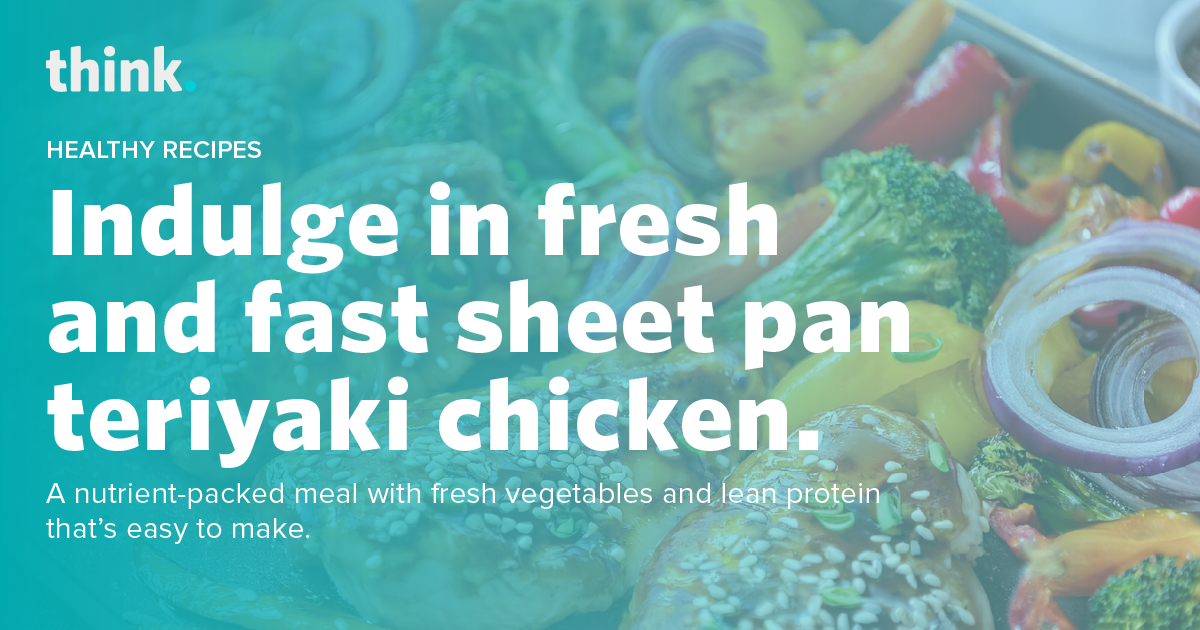
Indulge in fresh and fast sheet pan teriyaki chicken.

Indulge in fresh and fast sheet pan teriyaki chicken.

A nutrient-packed meal with fresh vegetables and lean protein that’s easy to make.

Looking for a quick, healthy, and delicious dinner idea that’s full of flavor? This Healthy Sheet Pan Teriyaki Chicken and Vegetables recipe is exactly what you need! Featuring perfectly cooked chicken, a colorful mix of fresh veggies, and a homemade teriyaki sauce that’s both sweet and savory, this dish makes weeknight meals a breeze. It’s healthy, flavorful, and easy to clean up. Grab your sheet pan and let’s get started!

This meal is packed with nutritional benefits. Chicken breast is a lean source of protein, helping to build and repair muscles, and is low in fat, making it a heart-healthy choice. The variety of vegetables—bell peppers, broccoli, and red onions—are full of vitamins and minerals, such as Vitamin C, which supports a strong immune system, and fiber, which aids in digestion. The colorful veggies also provide antioxidants that fight inflammation and promote overall wellness.

The homemade teriyaki sauce in this recipe is a healthier alternative to store-bought versions, which can often be high in sugar and sodium. By using pure maple syrup and reduced-sodium soy sauce, this version is much lighter while still offering a deliciously sweet and savory flavor. Not only does this dish taste great, but it also provides essential nutrients, making it a well-balanced option for anyone looking to eat healthier without sacrificing flavor.

Prep Time
10 mins
Cook Time
30 mins
Total Time
40 mins

Servings: 4

Ingredients

For the Chicken:

  • 2 lbs chicken breasts
  • 2 bell peppers, sliced
  • 4 cups broccoli florets (1 bag)
  • 2 small red onions, sliced
  • Olive oil spray
  • Kosher salt
  • Pepper

For the Teriyaki Sauce:

  • ½ cup pure maple syrup
  • ¼ cup reduced-sodium soy sauce
  • 2 tbsp rice wine vinegar
  • 1 tbsp cornstarch
  • 1 tbsp water (for slurry)
  • ½ cup water
  • 1 tbsp fresh ginger root, minced
  • 3 cloves garlic, minced
  • 2 scallions, chopped
  • Sesame seeds (for garnish)

Instructions

Preheat the Oven

Preheat your oven to 425°F (220°C).

Prepare the Veggies and Chicken

Slice the bell peppers, onions, and prepare the broccoli florets. Place the vegetables and chicken breasts onto a parchment paper-lined baking sheet. Lightly spray the veggies with olive oil and season with kosher salt and pepper.

Make the Teriyaki Sauce

In a small saucepan, combine maple syrup, soy sauce, rice wine vinegar, ginger, and garlic. In a separate bowl, mix the cornstarch with 1 tbsp of water to create a slurry. Add this to the saucepan mixture along with ½ cup of water. Whisk to combine and simmer over medium heat until the sauce thickens, about 5 minutes. Set aside.

Coat Chicken and Veggies

Drizzle about ⅓ cup of the teriyaki sauce over the vegetables and another ⅓ cup over the chicken breasts. Toss to coat everything evenly.

Roast the Chicken and Veggies

Roast in the oven for 25 minutes or until the chicken is fully cooked and the vegetables are tender.

Broil for Golden Color

Set your oven to broil. Cut slits into the chicken breasts and drizzle additional teriyaki sauce over the chicken. Broil for 2-3 minutes to caramelize the sauce and get a nice golden color.

Serve and Garnish

Remove from the oven, garnish with sesame seeds and chopped scallions, and serve with the remaining teriyaki sauce on the side for dipping.

Tips

  • Meal Prep Double the recipe to have extras for lunch or dinner throughout the week.
  • Customizable Veggies Feel free to swap the veggies for whatever you have on hand—zucchini, carrots, or snap peas work great!
  • Low-Sodium Options Opt for low-sodium soy sauce if you’re watching your salt intake.

Serving Suggestions

Pair with:

  • Steamed rice (or cauliflower rice for a low-carb option)
  • A side of edamame
  • Roasted sweet potatoes

Eating healthy doesn’t have to be time-consuming or complicated. With this recipe, you’re getting a nutrient-packed meal that you can prepare in just one pan—perfect for busy weeknights or meal prepping for the week ahead. Whether you’re trying to stick to a healthy eating plan or simply want a delicious, fuss-free dinner, this sheet pan meal has you covered. The simplicity of the ingredients and cooking method ensures you’ll have more time to focus on what matters most—your health, your family, and your well-being.

Give this sheet pan meal a try, and let it become a regular in your weeknight rotation. You’ll enjoy the flavor, the ease, and the peace of mind that comes with knowing you’re treating your body to a wholesome, nutritious dinner that supports a healthier lifestyle.

Conquer the cold with health.

Conquer the cold with health.

Winter wellness tips to stay healthy, active, and energized through Omaha’s coldest months.

As temperatures drop in Omaha and across the country, staying healthy during the winter months becomes more challenging. The cold, combined with shorter days and less sunlight, can take a toll on both your physical and mental health. From weakened immune function to seasonal mood shifts, winter can bring a range of obstacles to overcome.

But with the right strategies, you can stay active, boost your mood, and protect your health throughout the coldest months of the year. Whether it’s keeping your body moving, fueling yourself with the right foods, or finding ways to stay connected and energized, there are plenty of ways to make the most of winter. Here are key strategies for staying healthy, active, and positive this season:

  • Stay active indoors and outdoors
  • Protect yourself from cold-weather health risks
  • Combat cabin fever and boost your mental health
  • Fuel your body with healthy foods and stay hydrated
  • Create a winter health plan for the whole family

By incorporating these strategies into your daily routine, you can thrive this winter and come out on the other side feeling healthy and energized. Let’s dive a little deeper into each of these tips. 

Stay Active, Inside or Out

Winter can feel like the perfect excuse to stay inside and avoid exercise, but staying active is more important than ever during the colder months. Exercise helps maintain mental health, strengthens your immune system, and boosts overall energy. Whether indoors or outdoors, there are plenty of ways to keep moving.

Outdoor Activities

If you’re brave enough to face the cold, outdoor activities can be invigorating and fun. A brisk walk, even in the chill, helps stimulate circulation and improves mood by increasing endorphins. According to the CDC, physical activity can help boost your immune function, which is essential for fighting off winter illnesses. Just remember to dress in layers to prevent getting too cold—make sure you have a moisture-wicking base layer, an insulating middle layer, and a waterproof outer layer.

When venturing outside, ensure the weather conditions are safe. Avoid icy areas to prevent falls, and remember that exposure to extreme cold for prolonged periods increases the risk of frostbite and hypothermia. In extreme cold, aim for shorter walks and always monitor your body for signs of discomfort.

Indoor Workouts

On days when it’s too cold to venture outside, there are still plenty of indoor activities to keep you moving. Try online exercise classes, yoga, or even simple indoor chores like vacuuming or climbing stairs. You can stay active while knocking out tasks around the house, so activities like vacuuming and cleaning can be counted toward your physical activity goals, providing unexpected benefits to your health while maintaining your home.

Protect Yourself from Cold-Weather Health Risks

The winter months bring unique health risks such as frostbite and hypothermia. Hypothermia occurs when your body loses heat faster than it can produce it, lowering your body temperature to dangerous levels. Symptoms of hypothermia include shivering, confusion, and slurred speech. It’s essential to dress warmly, avoid prolonged exposure to the cold, and stay hydrated. Older adults and children are especially vulnerable to cold-related illnesses, so take extra precautions when spending time outdoors with them.

If you’re concerned about your health during extreme temperatures, consider keeping a thermometer on hand to monitor your surroundings. If you’re planning to go outside for any length of time, check the wind chill factor to ensure it’s safe to do so. Always dress in layers, with insulated clothing, gloves, and hats, as well as scarves to protect your neck and face.

Frostbite Prevention

Frostbite occurs when skin and tissue freeze due to prolonged exposure to cold temperatures. It typically affects the extremities—fingers, toes, ears, and nose. Recognizing the early signs of frostbite, such as numbness, redness, or skin that feels firm or waxy, is essential in preventing permanent damage. If you notice these symptoms, seek shelter from the cold and protect the affected skin immediately. Avoid rubbing frostbitten areas, as this can worsen the damage. Instead, warm the affected area slowly using body heat or warm (but not hot) water. If medical attention is unavailable, continue warming the affected area and seek care as soon as possible.

Hypothermia Prevention

Hypothermia is another dangerous condition that can occur when your body loses heat faster than it can produce it. This leads to an abnormally low body temperature, which can severely affect brain function and motor skills. Hypothermia is most common in extremely cold weather but can also occur in cool temperatures (above 40°F) if a person is wet, sweaty, or exposed to wind. Symptoms include shivering, exhaustion, confusion, memory loss, slurred speech, and drowsiness. It’s especially dangerous because the person may not realize it’s happening and might not be able to seek help.

The elderly, babies, people with poor circulation, and those who remain outdoors for long periods are at higher risk of hypothermia. If you suspect someone has hypothermia, take their temperature. If it’s below 95°F, seek medical attention immediately. In the meantime, move the person to a warm environment, remove any wet clothing, and warm their body, focusing on the chest, neck, head, and groin areas. Avoid using direct heat like stoves or heating pads, as this can cause burns. Always seek professional medical assistance as soon as possible.

By recognizing the risks of hypothermia and frostbite and taking proactive measures, you can safely navigate the colder months while staying healthy.

Combat Cabin Fever and Boost Mental Health

While staying warm is crucial for your physical health, winter can also take a toll on your mental well-being. The extended periods of darkness and isolation during the winter months can lead to feelings of cabin fever. You may experience anxiety, loneliness, or depression, all of which are common symptoms of winter-induced psychological distress.

Staying connected with friends and family through virtual calls or social media can help alleviate feelings of isolation and keep your spirits lifted. Maximizing your exposure to sunlight is another powerful way to boost your mood. Bright light therapy, whether through a light box or simply sitting near a sunny window, can simulate natural light and help reduce the effects of winter’s darkness. Even a small amount of sunlight can make a big difference in how you feel, so try to incorporate it into your daily routine.

Engaging your mind is equally important. Consider picking up a new hobby, reading a book, or starting a mini book club to connect with others. You might also explore learning something new, like a language or creative activity such as knitting or painting. Finally, if you’re stuck indoors, try playing games or doing activities that bring joy and laughter to your family, whether it’s a board game or an indoor scavenger hunt. These simple actions can make a big impact on your mental well-being during the winter months.anxiety and stress, making it an important part of managing wintertime mental health.

Fuel Your Body with Healthy Foods and Water

Winter brings a variety of tempting comfort foods, but it’s important to fuel your body with nutrient-rich options that keep you energized and healthy. Nutrient-dense foods such as vegetables, fruits, lean proteins, and whole grains can help maintain a strong immune system and combat cold-weather fatigue.

In particular, vitamin D, which is essential for bone health and immune function, can be harder to obtain in the winter months due to reduced sunlight. Foods like fortified milk, eggs, and fatty fish, as well as supplements, can help keep your levels up. Staying hydrated is also important, so drink plenty of water throughout the day.

It’s easy to forget to hydrate during winter, especially since you’re not sweating as much as you do in warmer months. However, cold air and indoor heating can lead to dehydration by increasing water loss through breathing and urination. Mild dehydration can negatively affect your concentration, mood, and energy levels. It’s essential to drink water regularly throughout the day, aiming for around 8-12 cups, depending on your activity levels and environmental conditions. Incorporating water-rich foods like fruits, vegetables, and soups into your diet can also contribute to your hydration.

Hot soups and stews are great winter meals that keep you warm while providing important vitamins and minerals. Try a hearty vegetable soup or a warming chili packed with legumes, which are excellent sources of protein and fiber to keep your energy levels up during the coldest months.

Create a Winter Health Plan for the Whole Family

Keeping the entire family healthy during the winter months requires planning ahead. Encourage your children to stay active with indoor games or fun outdoor activities like building a snowman. Family walks in the snow can be a bonding experience, and the exercise will keep everyone energized. If you have young children or elderly family members, make sure to monitor their time outdoors and keep them bundled up in warm clothing.

Consider turning your home into a winter-friendly environment by ensuring it is warm, dry, and safe. Avoid slipping hazards by clearing snow and ice from walkways and driveways. For younger children, make sure they stay engaged indoors with stimulating activities like reading or crafting, which can help combat the isolation often felt during winter months.

CONSIDER THINK YOUR PARTNER IN WINTER HEALTH.

While Omaha’s winter can be harsh, there are plenty of ways to stay healthy and active through the cold months. By protecting your body from cold-related illnesses, staying mentally and physically active, and keeping a nutritious diet, you can thrive during winter instead of just surviving it. 

If you’re concerned about your health during this time of year, don’t hesitate to schedule a visit with your Primary Care physician or stop into one of our two ThinkQuick locations. Our providers can help you stay on track with your winter health goals and offer advice on how to stay safe and well during the cold months.Think is committed to providing comprehensive, high-quality care at affordable costs all winter long. To schedule an appointment or learn more, visit our Services page online and choose your own think medical professionals by visiting our Meet Your Doctor page.


Spice up dinner with black bean chicken tacos.

Spice up dinner with black bean chicken tacos.

An easy and versatile crock pot meal perfect for busy schedules and cold winter nights.

When the weather turns dreary and cold, there’s nothing more comforting than a warm, hearty meal waiting for you at the end of the day. What could be better than these flavorful, spicy, and healthy crockpot black bean chicken tacos? This recipe is a lifesaver for hectic days, providing a delicious and nutritious dinner option that practically cooks itself. Plus, the leftovers are perfect for meals throughout the week or can be repurposed into other dishes like salads, wraps, or bowls.

These tacos are a wonderful balance of taste and health. With lean protein from the chicken, fiber from the black beans, and endless opportunities to customize with veggies and toppings, they’re as wholesome as they are delicious. Whether you’re looking for a gluten-free, low-carb, or family-friendly meal, these tacos fit the bill. Adjust the toppings and tortillas to make them as healthy as you want—they’re sure to become a regular favorite in your meal rotation!

Prep Time
10 mins
Cook Time
6-8 hours
Total Time
6 hours 10 mins

Servings: 6-8 Tacos

Ingredients

  • 1 ½ lbs. boneless, skinless chicken breasts
  • 1 tbsp chili powder
  • 1 tsp ground cumin
  • ½ tsp kosher salt
  • ¼ tsp ground black pepper
  • 1 ½ cups salsa (use your favorite, mild or spicy)
  • 1 cup canned black beans, drained and rinsed
  • 6-8 tortillas or taco shells (corn, flour, or low-carb options)
  • Toppings of your choice: shredded cheese, cotija cheese, lettuce, tomatoes, fresh sliced avocado, roasted corn, diced pineapple, jalapenos, sour cream, salsa, lime wedges, cilantro – the options are endless!

Instructions

Prep Ingredients

Season the chicken breasts with chili powder, cumin, salt, and pepper.

Cook in the Slow Cooker

Place the chicken in the slow cooker. Pour the salsa over the chicken, ensuring it’s evenly coated. Cover and cook on LOW for 6-8 hours, until the chicken is tender and easy to shred.

Shred the Chicken

Remove the chicken breasts from the slow cooker and shred using two forks. Return the shredded chicken to the slow cooker and stir in the black beans. Allow the mixture to heat through for 5-10 minutes.

Prepare the Tortillas

Warm tortillas or taco shells according to the package instructions. 

Assemble the Tacos

Fill each tortilla or shell with a scoop of the chicken and black bean mixture. Add your favorite toppings and serve warm.

Tips

  • Make it Low-Carb Omit the black beans and use lettuce wraps or low-carb tortillas.
  • Spice it Up Add jalapeños, red pepper flakes, or a dash of hot sauce to the chicken mixture.
  • Boost the Veggies Add bell peppers, onions, or zucchini to the slow cooker for extra nutrients.
  • Meal Prep Magic Double the recipe to have extras for taco salads, burrito bowls, or wraps throughout the week.
  • Gluten-Free Options Opt for certified gluten-free tortillas or taco shells.

Serving Suggestions

Consider pairing your tacos with these delicious sides:

  • Mexican Rice or Cauliflower Rice
  • Chili Lime Corn on the Cob
  • Coleslaw
  • Refried Beans

These slow-cooker black bean chicken tacos are a healthy, flavorful, and effortless way to bring a little spice to your dinner table, no matter how busy your schedule is. With endless topping possibilities and easy customization, they’re sure to become a go-to recipe in your kitchen. Enjoy the comfort of a warm, homemade meal and let your crockpot do all the hard work!

Warm Up with Hearty Slow-Cooker Vegetable Soup.

Warm Up with Hearty Slow-Cooker Vegetable Soup.

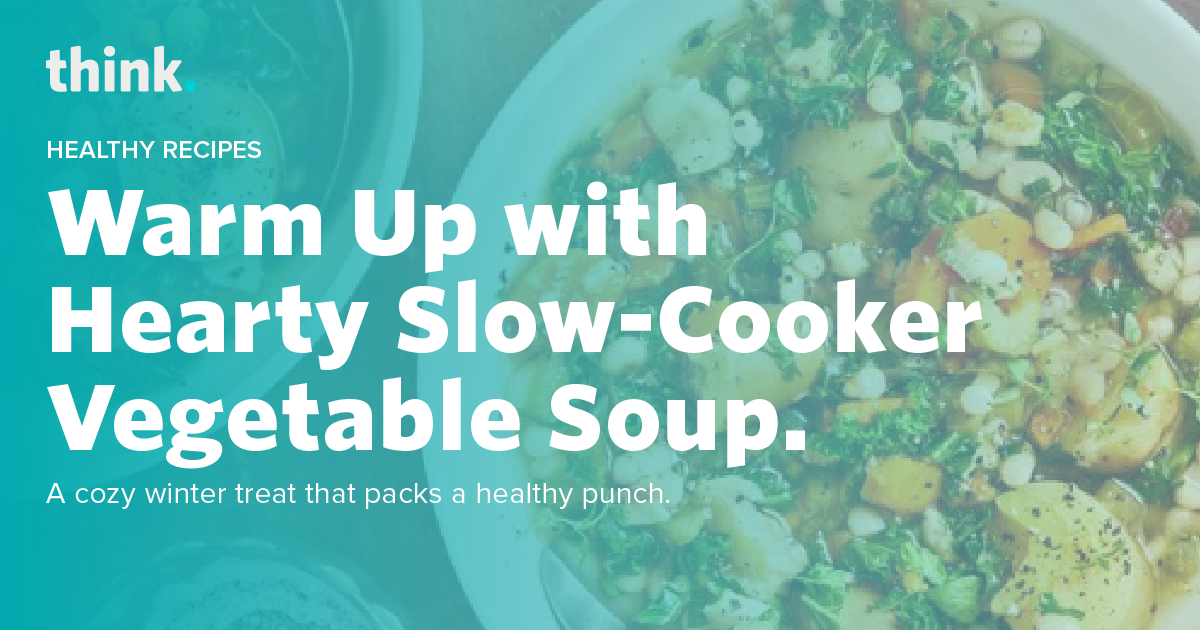
A cozy winter treat that packs a healthy punch.

With upcoming lows in the single digits, nothing says comfort food quite like a steaming bowl of warm soup. The rich aroma of simmering vegetables and the comforting warmth that spreads through your body with each spoonful make it the perfect antidote to chilly winter days. This hearty slow-cooker vegetable soup is not only delicious but also incredibly versatile and packed with nutrients.

Imagine this: a pot filled with a vibrant medley of colorful vegetables, simmering gently in a flavorful broth. Add in the convenience of a slow cooker, and you have a recipe that’s as effortless as it is delicious. This soup is a true crowd-pleaser, perfect for busy weeknights or cozy weekend gatherings. And with the flexibility to use whatever vegetables you have on hand, it’s a fantastic way to use up those lingering ingredients in your refrigerator.

This recipe features a secret ingredient that adds a depth of flavor: bacon! The smoky richness of the bacon enhances the broth while adding a touch of savory indulgence. Of course, you can easily adapt this recipe to suit your dietary needs by omitting the bacon and using vegetable broth instead.

Prep Time
15 mins
Cook Time
6 hours
Total Time
6 hours 15 mins

Servings: 8

Ingredients

  • 4 slices thick-cut bacon, cut into ½-inch pieces
  • 1 ½ lbs. baby Yukon Gold potatoes, halved
  • 1 cup sliced carrots
  • ¾ cup sliced parsnips
  • ¾ cup sliced celery
  • 1 ½ cups chopped yellow onion
  • 1 cup dried navy beans, rinsed and soaked
  • 6 cups chicken broth
  • 3 cups chopped kale, stems removed
  • 1 tbsp minced garlic
  • ½ tsp ground black pepper
  • ¼ tsp kosher salt
  • 1 tbsp fresh lemon juice
  • 2 bay leaves
  • Fresh thyme leaves (optional, for garnish)

Instructions

Prep the Bacon

Cook the bacon until crisp, according to package directions. Let it cool slightly, then crumble into small pieces.

Assemble the Soup

In a 5- to 6-quart slow cooker, combine the potatoes, onion, carrots, beans, parsnips, celery, broth, garlic, salt, pepper, and crumbled bacon. Add in bay leaves. Stir to mix the ingredients evenly.

Slow Cook to Perfection

Cover the slow cooker and cook on LOW for 5 ½ to 6 hours, until the potatoes and beans are fork-tender.

Add the Finishing Touches

Uncover, remove the bay leaves, and stir in the chopped kale. Cook uncovered for 2 minutes, until the kale is wilted and tender. Stir in the lemon juice to brighten the flavors. 

Garnish and Serve

Ladle the soup into bowls and garnish with black pepper and fresh thyme leaves. Serve warm with crusty bread or your favorite side dish.

Tips

  • Make it Vegetarian: Skip the bacon and substitute vegetable broth for a plant-based option.
  • Add Protein: Would be great with chicken, ground turkey, or sausage
  • Boost the Heat: Add red pepper flakes or a dash of hot sauce for a spicier kick.
  • Customize Your Veggies: Bell peppers, zucchini, or butternut squash make great additions.
  • Pairings: For a heartier option, serve with garlic bread and a side salad
  • Storage Tips: Refrigerate leftovers in an airtight container for up to 4 days or freeze for up to 3 months. Thaw overnight in the fridge before reheating.

This hearty slow-cooker vegetable soup is the perfect comfort food for chilly winter days. Its warm, comforting flavors and nourishing ingredients will leave you feeling satisfied and content. Packed with nutritious vegetables and flavorful broth, this soup is a wholesome and satisfying meal. Enjoy the simple pleasures of a homemade meal and savor the warmth of this delicious and healthy soup.

This recipe is a versatile canvas for your culinary creativity. Experiment with different vegetables, add your favorite protein sources, and adjust the spice level to suit your taste. Whether you’re enjoying it on a snowy evening or a brisk winter afternoon, this slow-cooker vegetable soup is sure to become a family favorite.

Get Your Eye Health in Focus.

Get Your Eye Health in Focus.

This National Eye Care and Glaucoma Awareness Month, prioritize your vision.

January marks the beginning of a new year and is a perfect time to prioritize your well-being—starting with your eye health. As National Eye Care Month and Glaucoma Awareness Month, January serves as a reminder of the importance of protecting your vision, detecting early signs of eye disease, and maintaining overall eye health. 

Your vision is more than just the ability to see; it’s a complex process involving your eyes and brain working together. The cornea, lens, retina, and optic nerve transform light and electrical signals into the images you perceive. A variety of conditions can disrupt this intricate system, and taking proactive steps to care for your eyes can help you maintain good vision for life.

Common Eye Conditions and Their Impact on Vision

Diabetes

Diabetes is a leading cause of blindness in the United States. Elevated blood sugar levels can damage the small blood vessels in the retina, leading to a condition called diabetic retinopathy. Symptoms may not appear initially, but as the disease progresses, it can cause blurred vision, dark spots, or complete vision loss.

Early detection is crucial. During a dilated eye exam, healthcare providers can identify signs of diabetic retinopathy, which often mirrors damage in other organs like the kidneys and brain. Managing diabetes through regular eye exams and effective treatment can prevent blindness and improve overall health outcomes.

High Blood Pressure

Hypertension, or high blood pressure, can also harm your vision. Consistently elevated blood pressure can cause hemorrhages in the retina, fluid buildup, or optic nerve damage. These conditions may lead to blurred or distorted vision and, in severe cases, permanent sight loss.

Routine health checkups that monitor blood pressure and cholesterol levels are essential in reducing the risk of hypertension-related eye issues. Combining preventive care with healthy lifestyle choices can protect your vision.

Glaucoma: The Silent Threat

Glaucoma is a group of eye diseases that damage the optic nerve, often due to increased pressure within the eye. This condition progresses silently, with no noticeable symptoms in its early stages. Left untreated, glaucoma can cause irreversible vision loss, starting with peripheral vision.

Regular comprehensive eye exams are the best defense against glaucoma. These exams measure internal eye pressure and assess the health of the optic nerve. Early intervention can effectively manage the condition and preserve vision.

Cataracts: Clouding Your Vision

Cataracts, a common age-related condition, cause the lens of the eye to become cloudy, leading to blurred or hazy vision. Symptoms include diminished night vision, glare sensitivity, and changes in color perception.

While cataracts often develop slowly, early detection and monitoring are essential. Fortunately, cataract surgery is a safe and effective treatment that restores clear vision for millions of people each year.

Dry Eye Syndrome

Dry eye occurs when your eyes don’t produce enough tears or the tears evaporate too quickly. This condition can cause burning, redness, and a gritty sensation. Factors such as age, screen time, and certain medical conditions increase the risk of dry eye.

Treatments range from over-the-counter artificial tears to prescription medications like Restasis. Lifestyle adjustments, such as taking regular breaks from screens and using humidifiers, can also alleviate symptoms.

Proactive Steps for Better Eye Care

Protecting your vision starts with simple, proactive measures:

  • Limit screen time: Follow the 20-20-20 rule—every 20 minutes, look at something 20 feet away for 20 seconds.
  • Wear sunglasses: Protect your eyes from harmful UV rays by wearing wraparound sunglasses outdoors.
  • Eat a balanced diet: Include foods rich in vitamin A (carrots, spinach) and omega-3 fatty acids (salmon, walnuts).
  • Stay hydrated: Drink at least 8 to 10 glasses of water daily to maintain tear production.
  • Quit smoking: Smoking increases the risk of cataracts, glaucoma, and macular degeneration.
  • Schedule regular eye exams: Comprehensive dilated eye exams detect early signs of conditions like glaucoma, diabetic retinopathy, and cataracts.

A closer look at Glaucoma, the “Silent Threat”

Glaucoma is a group of diseases that damage the optic nerve and can result in vision loss or blindness. It affects about 3 million Americans and is the second leading cause of blindness worldwide. Despite its prevalence, many are unaware they have glaucoma, earning it the nickname “silent thief of sight.”

The most common form, open-angle glaucoma, results in increased eye pressure that damages the optic nerve over time. While there is no cure, early detection and treatment can preserve vision and prevent further loss.

Risk Factors for Glaucoma

Certain groups are at higher risk of developing glaucoma, including:

  • African Americans over age 40 (6 to 8 times more likely to develop glaucoma than Caucasians).
  • All individuals over age 60.
  • People with a family history of glaucoma.
  • Individuals with diabetes (2 times more likely to develop glaucoma than those without diabetes).

Preventing Vision Loss from Glaucoma

Comprehensive dilated eye exams are essential for catching glaucoma early, especially for those in high-risk groups. Medicare even covers annual glaucoma tests for people at higher risk. Additional proactive steps include:

  • Maintaining a healthy weight.
  • Controlling blood pressure.
  • Staying physically active.
  • Avoiding smoking.

If diagnosed, glaucoma can be managed through eye drops, oral medications, laser treatments, or surgery to reduce eye pressure. Regular follow-ups with an eye doctor ensure effective monitoring and care.

Collaborative Care at Think Whole Person Healthcare

At think, we believe in a holistic approach to eye health. Our collaborative care model ensures seamless communication between eye care professionals and other healthcare providers, enabling timely diagnosis and treatment of conditions like diabetes and hypertension that impact vision.

Our comprehensive services include:

  • Thorough dilated eye exams
  • Monitoring and treatment of chronic conditions affecting eye health
  • Personalized care plans for patients with unique needs

TAKE THE NEXT STEP FOR YOUR EYE HEALTH WITH THINK.

We’re committed to making your healthcare experience comfortable and comprehensive. Our optometry services provide personalized care tailored to your needs. Whether it’s safeguarding your vision, managing chronic conditions like glaucoma, or addressing other health concerns, our team of skilled providers is here for you. think offers a full spectrum of healthcare services, from preventive care to specialty treatments, ensuring you and your family’s lifelong health and well-being. 

Think is committed to providing comprehensive, high-quality care at affordable costs. To schedule an appointment or learn more about our comprehensive healthcare services, visit our Services page online and choose your own think medical professionals by visiting our Meet Your Doctor page.

Impress Your Guests with a Healthy Holiday Charcuterie Board.

Impress Your Guests with a Healthy Holiday Charcuterie Board.

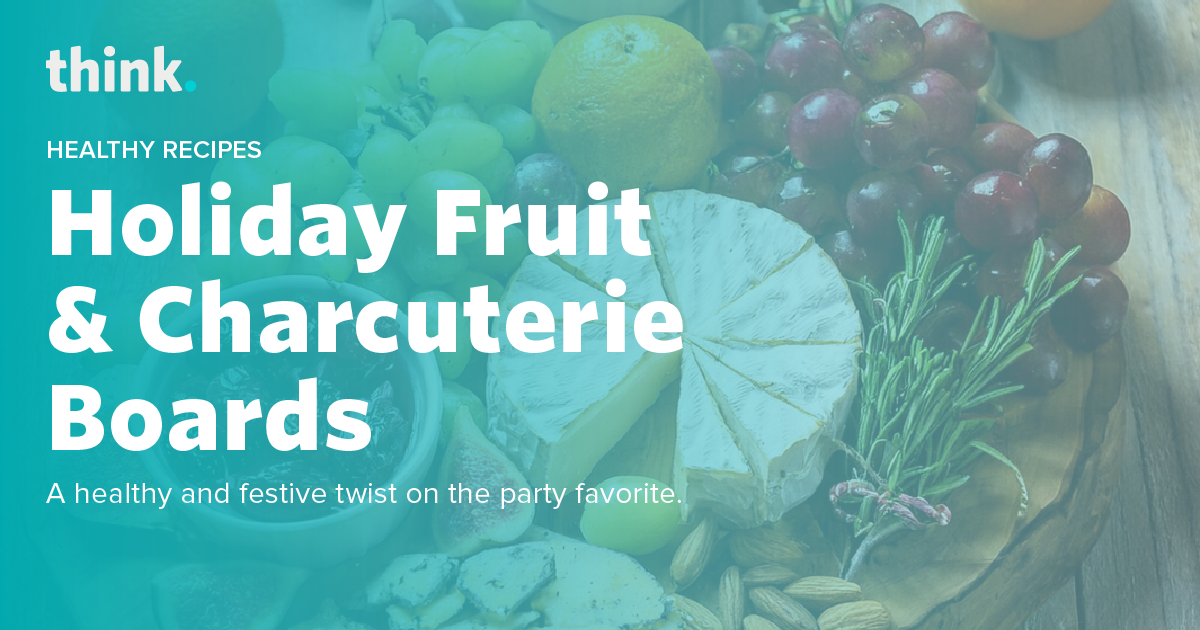
The perfect balance of flavor, color, and holiday cheer.

“Oh no! Surprise holiday guests are on their way!” Don’t panic. A quick and impressive solution awaits: a healthy charcuterie board. Not only is it easy to assemble, but it also will look stunning on your table and pairs perfectly with festive cider or a glass of wine.

Traditional charcuterie boards often feature heavy on processed meats and cheeses, but this version focuses on healthy options that are just as delicious and visually appealing. By incorporating a variety of fresh fruits, vegetables, and minimally processed ingredients, you can create a festive spread that’s both delicious and nutritious. And your guests will feel so special!

Building Your Healthy Charcuterie Board

  • Choose Your Base: Select a beautiful board, slate, or even a large platter to showcase your creations.
  • Incorporate a Variety of Colors and Textures: Arrange a colorful assortment of fresh and dried fruits, vibrant vegetables, and a selection of cheeses with varying textures (soft, hard, creamy).
  • Opt for Quality: Choose nitrate-free meats, artisan cheeses, and minimally processed options whenever possible.
  • Add Crunch: Include a variety of nuts and seeds for added texture and healthy fats.
  • Don’t Forget the Dips: Offer a selection of healthy dips or jellies, such as hummus, simple olive oil and balsamic vinegar dip, or low-sugar jellies in sweet or savory flavors. 
  • Keep it Balanced: Include plenty of fresh fruits and vegetables to balance out the richer elements.
  • Minimize Indulgences: If you’re including higher-calorie items like cured meats or creamy cheeses, offer them in smaller portions
  • Make it Beautiful: One of the easiest add-ons to add fragrance and greenery to your board? Fresh herbs and spices. Add sprigs of fresh rosemary or thyme, or cinnamon sticks. Pops of color in dried cranberries can all add a festive touch.  

Tips for Building Your Board

  • Arrange with Intention: Create visual appeal by arranging the items in an artistic and inviting way. Start by placing larger items like cheeses and small bowls of olives or spreads. Fill the spaces with fruits, meats, and crackers, leaving no gaps. Arrange colors and textures to create visual appeal—your guests will love the effort!
  • Consider Your Guests: Cater to dietary restrictions or preferences by offering gluten-free crackers, vegan cheeses, and a variety of options for everyone to enjoy.
  • Keep it Simple: Don’t overcomplicate it! A well-curated selection of a few key ingredients can be just as impressive as a more elaborate board.

Enjoy Mindfully

  • Use Small Plates: Encourage guests to take small portions to avoid overindulging.
  • Savor Each Bite: Appreciate the flavors and textures of each ingredient.
  • Pair with Refreshing Beverages: Enjoy your charcuterie board with sparkling water, herbal tea, spicy cider, or a glass of wine in moderation.

Shopping List Ideas

Cheeses

  • Sharp cheddar
  • Iberico cheese
  • Blue cheese or gorgonzola
  • Jalapeño muenster
  • Smoked gouda
  • Cranberry goat cheese

Fruits

  • Grapes
  • Apples
  • Pears
  • Tangerines
  • Figs (fresh and dried)
  • Strawberries
  • Dried apricots

Meats

  • Nitrate-free prosciutto
  • Smoked turkey

Vegetables

  • Carrots
  • Celery sticks
  • Bell peppers
  • Cherry tomatoes
  • Olives

Nuts

  • Pistachios
  • Almonds
  • Cashews

Crackers and Bread

  • Whole-grain crackers
  • Seeded flatbreads
  • Sliced baguettes
  • Baked pita chips

Dips

  • Hummus
  • Olive oil and balsamic vinegar
  • Low-sugar jellies (sweet and savory options)

Garnishes

  • Fresh rosemary sprigs
  • Fresh thyme
  • Cinnamon sticks
  • Dried cranberries

Instructions

Start with Cheese

When selecting cheese for your board, focus on creating a balance of textures and flavors to appeal to everyone. Include a mix of soft, medium, and hard cheeses to add variety and interest. For flavors, classics like sharp cheddar or Iberico are always a hit, while bolder options like blue cheese or gorgonzola cater to adventurous palates. Round out the selection with unique varieties: a spicy jalapeño muenster, a smoky smoked gouda, and a sweet cranberry goat cheese. This combination ensures you’ll cover all the bases.

To keep things healthy, aim for moderation by planning for about 2 ounces of cheese per person. For easy serving, slice or crumble hard cheeses and halve soft cheeses. This thoughtful approach will make your board both delicious and inviting.

Add Fruit and Nuts 

This is your opportunity to make your board vibrant, nutritious, and visually stunning. Load it up with fresh fruits like grapes, sliced apples, pears, tangerine segments, figs, strawberries, and any other seasonal favorites. These choices not only add natural sweetness but also bring a rainbow of colors to your presentation.

For a touch of concentrated flavor, incorporate dried fruits such as apricots or figs—but use these sparingly, as they can be higher in sugar and calories. To balance the sweetness, include a handful of nuts like pistachios, almonds, or cashews. These provide a satisfying crunch and a boost of healthy fats to round out your spread beautifully.

Incorporate Healthy Meats

Select lean protein options like prosciutto or smoked turkey. Look for nitrate-free meats whenever possible.

Include a Variety of Vegetables

Add a colorful and savory array of fresh vegetables, such as sliced carrots, celery sticks, bell pepper strips, and cherry tomatoes for additional nutrients. Also consider olives.

Don’t Forget the Dips

Offer a selection of healthy dips or jellies, such as hummus, a simple olive oil and balsamic vinegar dip, or low sugar jellies in sweet or savory flavors. Look for those that will compliment the cheeses on your board.

Add Crunch

Offer an assortment of whole-grain crackers, seeded flatbreads, or sliced baguettes to complement the other ingredients. Choose lighter options like thin crisps or baked pita for added variety.

Garnish with Festive Touches

Elevate your board with the fresh fragrance of rosemary sprigs and thyme. Not only do they add a festive look, but they also enhance the natural flavors of the food. You can tuck these into the edges of the board or place them around clusters of ingredients for a touch of greenery.

Creating a healthy charcuterie board is a fun and easy way to impress your guests while offering a delicious and nutritious option. By incorporating a variety of fresh, seasonal ingredients and minimizing processed options, you can enjoy the festive spirit while making mindful choices.

Happy Holidays from Think!

How much is too much alcohol?

How much is too much alcohol?

Practical tips for smart alcohol choices this holiday season.

The holiday season is a magical time filled with joy, laughter, and gatherings with family and friends. Whether you’re enjoying a festive party, hosting a cozy get-together, or ringing in the New Year, celebrations often include a toast or two. While indulging in seasonal beverages can add to the festive spirit, it’s essential to stay mindful of how alcohol affects your body and overall health. Striking a balance between celebration and wellness ensures the holidays remain truly joyous.

From eggnog and mulled wine to peppermint martinis and champagne, holiday drinks are as varied as the season’s traditions. These beverages often help set the mood for festivities, but it’s easy to lose track of how quickly multiple drinks can add up—especially when surrounded by loved ones and holiday cheer. According to the Centers for Disease Control and Prevention (CDC), even occasional overindulgence can lead to serious health consequences. Understanding your limits and making informed choices is key to staying healthy and enjoying the season responsibly.

Recognizing Warning Signs of Drinking Too Much

The occasional drink might seem harmless, but overindulging can take a serious toll on your body. Physical symptoms such as dehydration, fatigue, and weight gain are just the beginning. Alcohol dehydrates your skin, leaving it dull and puffy, while disrupting sleep and slowing fat metabolism. Frequent heartburn and, over time, tingling in the hands and feet could also signal your body’s intolerance to excessive drinking.

Being aware of these signs helps you recognize when your drinking habits may be impacting your health. Beyond these immediate effects, regular or heavy alcohol consumption can have long-term consequences, such as lasting impacts on various parts of the body including your:

  • Brain Alcohol interferes with communication pathways, disrupting mood, coordination, and memory.
  • Heart Drinking excessively can increase the risk of high blood pressure, stroke, and irregular heartbeat.
  • Liver Alcohol can lead to conditions such as fatty liver disease, hepatitis, fibrosis, and cirrhosis.
  • Immune System Chronic drinking weakens the immune system, making it harder to fight off illnesses.
  • Cancer Risk Alcohol is associated with an increased risk of certain cancers, including liver, breast, and colorectal cancers.

How to Navigate Holiday Alcohol Choices

You understand the risks of alcohol, but the occasional toast is often part of the holiday season. How should you navigate that? Preparation is key to celebrating responsibly. Here are tips for making smart decisions around holiday alcohol consumption.  

Plan Ahead for Festive Gatherings

Before heading to a party, set a limit for the number of drinks you’ll have and commit to it. Alternating alcoholic beverages with non-alcoholic options, such as water or festive mocktails, keeps you hydrated and reduces alcohol’s effects.

Eating before and during drinking is another smart strategy. Enjoying a balanced meal with protein, healthy fats, and fiber can slow alcohol absorption and reduce its impact on your body. Choose beverages wisely—opt for drinks with lower alcohol content and avoid sugary mixers that add unnecessary calories. 

Understanding standard drink portions can help you moderate your intake and enjoy your favorite seasonal cocktails without overdoing it. The CDC recommends moderate alcohol consumption:

  • One drink or less per day for women 
  • Two drinks or less per day for men

Drinking less is always better for your health, as even moderate consumption carries some risks.

Choose Your Drinks Wisely

Holiday cocktails, mulled wine, and spiked eggnog are staples of the season, but not all beverages are created equal. Here’s how to enjoy responsibly:

Mind the ABV (Alcohol by Volume) Drinks with a lower ABV typically have fewer calories and are easier to moderate. Light beers, wine spritzers, or cocktails mixed with sparkling water are festive yet mindful choices.

Watch the Mixers Sugary mixers like soda, syrups, and creamy bases can pack on extra calories. Instead, opt for soda water with a splash of citrus, herbal infusions like rosemary or mint, or freshly squeezed juice for a natural touch.

Portion Control Remember what constitutes a standard drink:

  • 12 ounces of beer (5% ABV)
  • 5 ounces of wine (12% ABV)
  • 1.5 ounces of distilled spirits (40% ABV)

Understanding portions helps you stay within recommended limits and savor the season without overdoing it. Remember that many mixed drinks or large servings may contain more than one standard drink, so staying mindful is essential. The CDC warns that excessive alcohol use, such as binge drinking (four or more drinks for women or five or more for men in a single occasion), significantly increases the risk of immediate and long-term health issues, including accidents, liver damage, and certain cancers. Choosing to drink less—or not at all—is a powerful way to protect your health during the holidays and beyond.

Concerned you might be overdoing it? The CDC offers this helpful Check Your Drinking Quiz to help you check in on your alcohol use. 

Stay Hydrated Amid the Winter Cheer

Chilly weather may dull your sense of thirst, but hydration remains essential—especially when alcohol is involved. Alcohol acts as a diuretic, increasing dehydration risks, which can lead to headaches, fatigue, and dizziness. Make hydration fun by adding cranberries, orange slices, or cinnamon sticks to your water for a festive twist. Keeping track of your water intake with a holiday-themed water bottle or reminders can ensure you’re staying refreshed throughout the festivities.

Avoid Mixing Alcohol with Other Substances

Combining alcohol with medications or recreational drugs can have dangerous effects. Many prescriptions and over-the-counter medications include warnings against drinking while taking them. If in doubt, consult your healthcare provider before consuming alcohol, and always read medication labels carefully to avoid harmful interactions.

Hosting Responsibly During the Holidays

As a host, you set the tone for your holiday gathering. Thoughtful planning can help create a safe and inclusive environment for all your guests.

Offer a Variety of Drinks

Non-Alcoholic Selections Include sparkling water, mocktails, and flavored teas. Garnish with festive touches like sugared cranberries or sprigs of pine.

Create a Mocktail Bar Provide juices, herbs, and sparkling options so guests can craft their beverages.

Serve Food Generously

Appetizers Cheese boards, charcuterie, and veggie platters are crowd-pleasers that pair well with drinks.

Main Dishes Serve hearty options like roasted turkey, glazed ham, or a vegetarian casserole to keep everyone satisfied.

Sweet Treats Gingerbread cookies, peppermint bark, and fruit tarts make delightful dessert options.

Ensure Safe Rides Home

Encourage Designated Drivers Offer non-alcoholic perks for those staying sober.

Promote Ride Sharing Share information about local cab services or apps.

Provide Overnight Options For guests who’ve had too much to drink, prepare spare rooms or couches for a safe night’s rest.

Remember, a truly fulfilling celebration doesn’t rely on alcohol.

The holidays are about more than what’s in your glass. Focus on meaningful connections, group activities, and creating cherished memories with loved ones. Consider planning alcohol-free gatherings where you can enjoy baking cookies, decorating the tree, or taking a winter hike. Remember, a fulfilling celebration doesn’t rely on alcohol but rather the joy and kindness shared with others.

By making smart alcohol choices and following these tips, you can ensure a safe, healthy, and happy holiday season. Celebrate responsibly, and create lasting memories without compromising your well-being. Cheers to a wonderful holiday season!

THINKQUICK WALK-IN CLINIC AND YOUR THINK PROVIDERS ARE HERE TO HELP.

Your think PCP and our team at ThinkQuick Walk-In Clinic are here to talk about any concerns you may have with alcohol consumption. We encourage you to learn more about underlying health conditions that can increase your risk for illness or injury during the holidays.Think is committed to providing comprehensive, high-quality care at affordable costs. To schedule an appointment or learn more about our comprehensive healthcare services, visit our Services page online and choose your own think medical professionals by visiting our Meet Your Doctor page.

We Don’t Do “the Puff”: A Better Way to Measure Eye Pressure

We Don’t Do “the Puff”: A Better Way to Measure Eye Pressure

Learn how we use Goldmann tonometry for more comfortable eye exams.

If you’ve ever avoided an eye exam because of the dreaded air-puff test, we have great news for you: at think, we don’t use the puff. Instead, we provide a more comfortable and accurate method for measuring eye pressure.

The air-puff test, formally known as non-contact tonometry, is a common way to measure intraocular pressure (IOP), a key diagnostic factor for glaucoma. But for many patients, it’s also a source of stress. “The puff of air doesn’t hurt, but it’s startling,” says Dr. Tim Meyer, an optometrist here at think. “It’s one of those things that can make people feel anxious about coming in for an eye exam.”

So, why is measuring eye pressure so important? According to Dr. Meyer, “In glaucoma, elevated eye pressure is one of the main risk factors. Keeping an eye on pressure changes over time can help us diagnose the disease early and ensure treatments are effective.”

Why We Don’t Use the Puff

We’ve moved beyond the air-puff test to provide a better patient experience and superior accuracy. Instead of non-contact tonometry, we use Goldmann applanation tonometry, widely considered the gold standard for measuring eye pressure.

Dr. Meyer explains, “Goldmann tonometry uses a small, precise tip that gently touches the eye to measure pressure. With a numbing drop applied beforehand, patients don’t feel a thing. It’s not just more comfortable—it’s also the most accurate method available.”

Unlike the air-puff test, which can yield less precise readings, Goldmann tonometry ensures we’re providing our patients with the best possible care. “Accuracy matters, especially when monitoring conditions like glaucoma over time,” says Dr. Meyer. “This method allows us to deliver the highest level of care while minimizing discomfort.”

Addressing Common Concerns

For many, the thought of something touching their eye can be intimidating, even with numbing drops. Dr. Meyer emphasizes that the process is quick and painless. “Patients are often surprised at how easy it is. Once they experience it, they realize there’s really nothing to worry about,” he says.

If you’re still feeling nervous, consider this: tonometry is just one part of a comprehensive eye exam that helps safeguard your vision. Regular eye exams are critical for early detection of not only glaucoma but also other conditions like cataracts, diabetic retinopathy, and macular degeneration.

Dr. Meyer reassures patients, “Vision is one of the most precious senses we have. Taking a little time to get checked can make a big difference in catching problems early, when they’re most treatable.”

Why Goldmann Tonometry Is Better

Beyond its comfort and accuracy, Goldmann tonometry reflects think’s commitment to using the best tools and techniques in healthcare. “Innovation is one of the most exciting parts of optometry,” Dr. Meyer shares. “The way we practice today is unrecognizable compared to when I started in 1981. It’s amazing to see how far we’ve come in improving both the technology and the patient experience.”

This method also aligns with think’s whole-person approach to healthcare, which prioritizes patient comfort and well-being in every aspect of care.

A Better Eye Exam Experience

If you’ve been avoiding eye exams because of the puff test, it’s time to reconsider. At think, we’re dedicated to making your visit as comfortable and stress-free as possible while delivering the highest standard of care.

As Dr. Meyer explains, “We understand that eye exams can feel intimidating for some people. Our goal is to put you at ease and provide the best care in a way that works for you.” By utilizing Goldmann tonometry—recognized as the gold standard for measuring eye pressure—our optometrists ensure accuracy while prioritizing patient comfort.

Don’t let the puff test keep you from protecting your vision. Schedule an eye exam with our optometrists today and experience the think difference for yourself.

Discover Think’s Comprehensive Optometry Services

We integrate optometry into our whole-person care model, ensuring your vision is part of your overall health. Our experienced optometrists provide a range of services, including thorough eye exams, contact lens fittings, and the diagnosis and treatment of ocular diseases such as glaucoma and cataracts. Additionally, we specialize in managing complications arising from systemic conditions like diabetes and hypertension.

At think, we believe in collaboration. That’s why our optometrists co-manage cases with other think providers when needed, ensuring you receive coordinated, comprehensive care. With over 60 years of combined experience, our optometrists are dedicated to safeguarding your eye health as part of your total wellness.

Explore Our Optical Center

Conveniently located on the lobby floor of the think building, our full-service Optical Center offers precision, style, and personalized care. Featuring a curated selection of frames from designers like Betsy Johnson, John Varvatos, and Jimmy Crystal New York, we have something to suit every style and need—from petite women’s sizes to men’s XXL.

Our certified optician ensures that every pair of glasses is expertly fitted, optimizing comfort and vision. We also offer advanced lens technology, including Shamir Blue Zero lenses, which protect against overexposure to blue light. Whether you need glasses adjusted, new frames, or contact lenses, think’s Optical Center is here to help.

LEARN MORE ABOUT EYE CARE BY SPEAKING WITH YOUR THINK PROVIDER.

We’re committed to making your healthcare experience comfortable and comprehensive. Our optometry services go beyond accurate diagnostics like Goldmann tonometry to provide personalized care tailored to your needs. Whether it’s safeguarding your vision, managing chronic conditions like glaucoma, or addressing other health concerns, our team of skilled providers is here for you. think offers a full spectrum of healthcare services, from preventive care to specialty treatments, ensuring you and your family’s lifelong health and well-being. 
To schedule an appointment or learn more about our comprehensive healthcare services, visit our Services page online and choose your own think medical professionals by visiting our Meet Your Doctor page.