




Bone health basics to break free from Osteoporosis.

Bone health basics to break free from Osteoporosis.

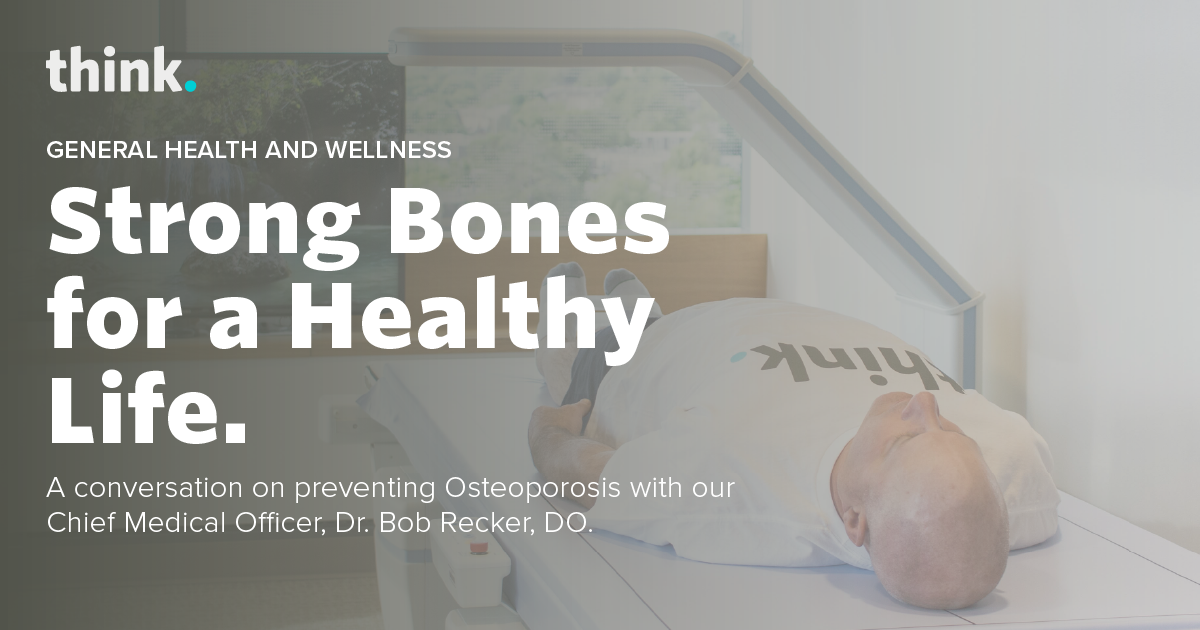
A conversation with our Chief Medical Officer, Dr. Bob Recker, MD.

Imagine a life where you’re free to explore the world without fear of a simple fall causing a fracture. A life where you can hike, dance, play with your grandchildren, or simply enjoy a leisurely stroll without worrying about your bones betraying you. Healthy bones are the foundation for an active and fulfilling life and a key element in whole person wellness. 

Unfortunately, this picture isn’t a reality for everyone, especially as we age. Osteoporosis, a condition characterized by weakened bones, can significantly impact our quality of life when it goes unchecked. But the good news is, there are steps we can take to protect our bone health and reduce your risk of fractures.

What is Osteoporosis? 

Osteoporosis, often referred to as “silent disease,” is a condition where bones become thin and brittle, increasing the risk of fractures. It occurs when the body’s bone-building process slows down while bone breakdown accelerates. This imbalance can lead to a loss of bone density, making bones more susceptible to fractures.

Recently we were able to sit down with Dr. Bob Recker, MD, our Chief Medical Officer, for an insightful discussion about all things osteoporosis. Below are a few key takeaways from the interview.

Understanding Osteoporosis: A Silent Thief

Interviewer: What is osteoporosis?

Dr. Bob Recker: Osteoporosis is a condition characterized by decreased bone mineral density, leading to increased bone fragility and a higher risk of fractures. It’s silent. It creeps up on you, stealing strength from your bones. People can have otherwise perfectly normal bones so it can come as a surprise.   

Interviewer: Where in the body does osteoporosis typically manifest?

Dr. Bob Recker: Osteoporosis often targets the bones that bear the most weight, like your hips, pelvis, vertebrae, and wrists. 

Interviewer: What are fragility fractures?

Dr. Bob Recker: Fragility fractures occur when your bones become so weak that they’re more susceptible to breaking. They’re a sign that something serious is happening with the bone health and can lead to things like breaking a bone from a simple fall, which is a red flag for osteoporosis. People should not break their bones just tripping and falling on the ground level, but unfortunately, by the time that has happened, the cat is already out of the bag. We don’t want to have that happen. 

Interviewer: How is osteoporosis diagnosed?

Dr. Bob Recker: We use a bone density scan, like a DEXA scan. It’s a quick and painless test that measures how strong your bones are.

Interviewer: What role do hormones play in osteoporosis?

Dr. Bob Recker: Estrogen and testosterone help build and maintain strong bones. When these hormones decline, especially in women after menopause, the body’s bone remodeling process can become disrupted. This can lead to accelerated bone loss and a weakened skeletal structure.

Interviewer: How does bone density change throughout life?

Dr. Bob Recker: In your younger years, you’re building up bone density. But as you get older, especially after menopause, little by little the support structures within the bones begin to deteriorate. And even though the bone looks normal and functions normally say, with it’s bone marrow production, it’s basically just more fragile. And it’s more susceptible to fractures with minor trauma.

Interviewer: What are the risk factors for osteoporosis?

Dr. Bob Recker: Age, gender, family history, diet, and lifestyle all play a role. Women are more likely to develop osteoporosis due to hormonal changes, but men can also be affected. If your parents or grandparents had osteoporosis, you’re at a higher risk. And of course, your lifestyle choices, like diet and exercise, can make a big difference. Smoking, heavy alcohol or caffeine consumption, and certain medications like steroids can accelerate bone loss. Additionally, medical conditions such as rheumatoid arthritis, diabetes, and certain seizure disorders can also contribute to osteoporosis.

Interviewer: What are the common symptoms of osteoporosis?

Dr. Bob Recker: The sneaky thing about osteoporosis is that it often doesn’t cause any symptoms until it’s too late. It’s like a silent thief, stealing strength from your bones without you even noticing.

Interviewer: How can osteoporosis be prevented?

Dr. Bob Recker: You need a solid foundation of good nutrition, regular exercise, and healthy lifestyle habits. Eating foods rich in calcium and vitamin D, getting enough sunlight, and avoiding smoking and excessive alcohol and caffeine can all help protect your bones. 

Interviewer: What is the role of dairy products and vitamind D in preventing osteoporosis?

Dr. Bob Recker: Dairy products help provide the building blocks of strong bones. They’re packed with calcium and protein, which help your body build and maintain healthy bone tissue. When we talk about dairy, we’re not just talking about milk. Yogurt is a great option too, and it’s often fortified with vitamin D. In fact, skim milk, which has less fat, actually has a higher concentration of protein, calcium, and magnesium. So, it’s a more nutrient-dense choice. While other sources of calcium exist, like leafy greens, they’re not as easily absorbed by your body. 

Vitamin D also plays a important role here. It helps regulate your body’s calcium levels and improves calcium absorption. So, it’s essential to get enough vitamin D along with your calcium intake. Aim for about 800 international units (IUs) of vitamin D per day.

Interviewer: How can you get enough vitamin D?

Dr. Bob Recker: A little bit of sunshine can go a long way. Aim for about 15 minutes of sun exposure per day. Just remember to wear sunscreen to protect your skin. And if you’re concerned about your vitamin D levels, talk to your doctor about taking a supplement.

Interviewer: What role does exercise play?

Dr. Bob Recker: Regular physical activity is important for maintaining bone health. Some people hear that and think oh no I have to go to the gym, but really its just about regular movement. Walking, running, even things like getting a standing desk like we have here at Think. Just get up and move. Especially if you tend to be sedentary, finding activities you enjoy that get you moving are important.

Interviewer: Is it possible to regain lost bone density?

Dr. Bob Recker: Regaining lost bone density can be challenging. In certain cases, such as individuals with severe vitamin D deficiency, addressing this deficiency may lead to some improvement in bone density but its dependent on a wide variety of factors.

However, once osteoporosis has progressed significantly, it can be difficult to rebuild. Medications can help improve the structural integrity of your bones, but they may not significantly increase bone density. 

That’s why prevention is key. By making healthy lifestyle choices and seeking early treatment, you can minimize bone loss and reduce your risk of fractures before its an issue.

Interviewer: Can osteoporosis be cured?

Dr. Bob Recker: Unfortunately, no. But we can manage it through different treatments, including medications like bisphosphonates that help strengthen bones. Your doctor will create a treatment plan based on your specific needs and risk factors.

Interviewer: I’m concerned this could be an issue for me. What should I do?

Dr. Bob Recker: Start by talking to your doctor. Don’t hesitate to share your concerns, be honest about your lifestyle habits, and ask questions. Your doctor is there to help you, and the more information they have, the better they can direct you towards the best options. 

Let’s Recap…

Osteoporosis occurs when the body’s bone-building process slows down while bone breakdown accelerates. This imbalance can lead to a loss of bone density, making bones more susceptible to fractures.

Key Facts about Osteoporosis:

  • Prevalence Osteoporosis affects millions of people worldwide, particularly women over the age of 50.
  • Risk Factors Age, gender, family history, diet, lifestyle, and certain medical conditions can increase the risk of osteoporosis.
  • Symptoms Osteoporosis often has no symptoms until a fracture occurs.
  • Diagnosis Bone density scans, such as DEXA scans, are used to diagnose osteoporosis.
  • Prevention A healthy diet, regular exercise, and avoiding harmful substances can help prevent osteoporosis.
  • Treatment While there’s no cure for osteoporosis, treatments can help reduce the risk of fractures and improve bone health.
  • Importance of Early Detection Early detection and treatment are crucial for preventing serious complications associated with osteoporosis.

Why Bone Health Matters

Healthy bones are more than just a matter of physical strength. They play a crucial role in your overall well-being and whole person health. Strong bones support our bodies, allowing us to move freely and maintain balance. They also protect our vital organs.

When bones become weak due to osteoporosis, we may experience pain and discomfort from fractures, a loss of independence as you struggle to perform daily activities, and a reduced quality of life due to the fear of falling. By taking steps to prevent osteoporosis, we can reduce our risk of fractures, maintain our independence, and improve our overall well-being. Remember, our bones are an investment in your future. By taking care of them now, we can enjoy a more active and fulfilling life for years to come.

Taking Action 

If you are concerned about your risk of osteoporosis, it’s important to talk to your doctor. They can assess your risk factors, recommend screening tests, and discuss prevention and treatment options. Early detection and treatment can help reduce the risk of fractures and improve your quality of life.

CONSIDER THINK YOUR PARTNER IN BONE HEALTH.

Think Whole Person Healthcare is committed to helping you maintain optimal bone health. Our team of healthcare professionals can assess your risk for osteoporosis, recommend preventive measures, and provide appropriate treatment if necessary. To determine what screening is right for you, schedule an appointment with your think provider.

Not a think patient yet? Explore our Services page online and choose your ideal provider by visiting our Meet Your Doctor page.

Our dedicated team is here to support your health. To schedule an appointment, call us at 402.506.9049.

Back-to-School Eye Care Sharpens their focus.

Back-to-School Eye Care Sharpens their focus.

Early detection and treatment of vision problems can boost your student’s academic success.

As students gear up for a new school year, their vision health is crucial for academic success and well-being. Eye health plays a large role in a child’s development, which can impact their ability to learn and engage in classroom activities. As you prepare your young ones for back-to-school,  consider your plans for back-to-school vision care, learn signs of vision problems, and discover preventive measures you can take to ensure your students maintain optimal eye health.

The Importance of Vision Health for Students

Vision is an essential sense that helps children understand and navigate the world. Healthy vision supports reading, writing, participating in sports, and social interactions. According to the CDC, undetected vision problems can significantly affect a child’s ability to learn and perform well in school. Routine eye exams and early detection of vision issues are critical for safeguarding a child’s eye health and overall development.

Signs of Vision Problems in Students

Recognizing the signs of vision problems in children and teenagers can help parents and teachers intervene early. Some common indicators of vision issues include:

  • Squinting or Blinking Frequently. This may indicate refractive errors like nearsightedness or farsightedness.
  • Sitting Too Close to Screens or Holding Books Close. Children with vision problems often struggle to see clearly from a distance.
  • Rubbing Eyes Excessively. This can be a sign of eye strain or discomfort.
  • Complaints of Headaches. Frequent headaches, especially after reading or screen time, can indicate vision problems.
  • Difficulty Concentrating. Vision issues can make it hard for children to focus on tasks, affecting their academic performance.
  • Avoiding Reading or Other Close-Up Activities. If a child avoids activities that require near vision, it may be due to difficulty seeing clearly.

Common Vision Problems in Children

By familiarizing with common vision problems, parents can become proactive guardians of their children’s eye health. Early identification of issues such as nearsightedness, farsightedness, astigmatism, or lazy eye can significantly impact treatment and prevent potential long-term complications. Recognizing the signs and symptoms associated with these conditions empowers parents to seek timely professional care, ensuring their child’s optimal visual development and overall well-being.

Refractive Errors

  • Myopia (Nearsightedness) causes difficulty seeing distant objects clearly.
  • Hyperopia (Farsightedness) causes difficulty seeing close objects clearly.
  • Astigmatism results from an irregularly shaped cornea, causing blurred vision at any distance.

Amblyopia (Lazy Eye)

Amblyopia occurs when one eye is weaker than the other, leading to poor vision in the affected eye. Early detection and treatment are crucial to prevent permanent vision loss.

Strabismus (Crossed Eyes)

Strabismus is a condition where the eyes do not align properly, leading to double vision or difficulty focusing. Early treatment can correct the alignment and improve vision.

Convergence Insufficiency

This condition affects the ability of the eyes to work together when focusing on close objects, causing blurry or double vision.

A guide to vision protection to keep your eyes healthy

Taking proactive steps can help protect and enhance children’s eyesight.

Regular comprehensive eye exams, balanced nutrition, sufficient rest, and protective eyewear can all contribute to their optimal visual development. Early detection and treatment of any vision problems aid in preventing more serious issues and assuring a child’s ability to learn, play, and succeed.

Routine Eye Exams

Regular eye exams are essential for detecting vision problems early. The American Optometric Association recommends comprehensive eye exams at specific intervals:

  • First Exam: Between 6 and 12 months of age.
  • Second Exam: At age 3.
  • Third Exam: Before starting school, around age 5 or 6.
  • Subsequent Exams: Every two years, or more frequently if recommended by an eye doctor.

Healthy Diet

A nutritious diet rich in vitamins and minerals supports eye health, so encourage children to eat leafy greens like spinach and kale, rich in vitamins A and C. Fish such as salmon and tuna, high in omega-3 fatty acids, also support eye health. Additionally, a variety of colorful fruits and vegetables provide nutrients for maintaining good vision.

Limiting Screen Time

Excessive screen time can strain children’s eyes and increase vision problems. The 20-20-20 rule can help reduce eye strain. Every 20 minutes, take a 20-second break to look at something 20 feet away.

Encouraging Outdoor Play

Encouraging children to spend time outdoors helps children’s eyes relax and reduces the risk of developing myopia. Being outdoors exposes children to brighter light conditions, which can help relax their eye muscles and slow down the progression of nearsightedness (myopia). Research suggests that at least an hour of daily outdoor activity can significantly reduce the risk of developing this common vision problem. Whether it’s playing in the park, riding a bike, or simply exploring nature, outdoor activities offer many benefits for children’s physical and mental health while supporting their visual development.

Using Protective Eyewear

Sports and recreational activities can pose a risk to children’s eyes. Ensure they wear protective eyewear to prevent injuries. Sunglasses with 100% UV protection are also great for protecting eyes from harmful sun rays.

The Role of Parents and Educators in Student’s Eye Health

Parents and educators share the responsibility of safeguarding children’s vision. Here are some tips for supporting your student’s eye health this school year:

  • Monitor for Signs. Be aware of the signs of vision problems and seek prompt evaluation by an eye doctor if any are observed.
  • Encourage Good Habits. Promote regular eye exams, a healthy diet, limited screen time, and outdoor activities.
  • Provide a Comfortable Learning Environment. Ensure proper lighting for reading and other close-up tasks. Minimize glare on screens and use appropriate seating arrangements.

Vision Health for School-Age Children

A child’s vision develops rapidly during their school years. We can set our children up for academic success and quality of life by addressing vision problems promptly.

Vision Screenings

School vision screenings are an important tool for identifying children who may have vision problems. While these screenings can be helpful, they are not a substitute for a comprehensive eye exam by an optometrist. If a screening indicates a potential issue, schedule a follow-up appointment for a thorough evaluation.

Corrective Measures

If a vision problem is detected, corrective measures such as glasses or contact lenses can significantly improve a child’s vision and overall performance. It’s essential to ensure children understand how to care for their eyewear and use it correctly.

Vision Health for Teens

Teenagers face unique vision challenges as they become more independent and engage in various activities.

Contact Lens Care

Many teens prefer contact lenses over glasses. Proper contact lens care is crucial to prevent eye infections and other complications. Educate teens on the importance of:

  • Washing Hands Always wash hands before handling contact lenses.
  • Cleaning Lenses Follow the eye doctor’s instructions for cleaning and storing lenses.
  • Replacing Lenses Replace lenses as recommended to avoid complications.

Protective Eyewear for Sports

Teens involved in sports should wear protective eyewear to prevent eye injuries. Polycarbonate lenses are an excellent option for sports glasses due to their impact resistance.

Back-to-School Vision Care Tips

As the school year begins, ensure your child’s vision is in top shape with these back-to-school tips:

  • Schedule an Eye Exam Before school starts, schedule a comprehensive eye exam to detect any vision problems.
  • Choose the Right Eyewear Select glasses or contact lenses that are comfortable and appropriate for your child’s needs.
  • Promote Healthy Habits Encourage regular breaks from screens, a balanced diet, and outdoor play.
  • Educate on Eye Safety Teach children about the importance of protecting their eyes during sports and recreational activities.

By recognizing the signs of vision problems, taking preventive measures, and scheduling regular eye exams, we can help ensure our children and teenagers have the best possible vision care. Encourage healthy habits, limit screen time, and promote outdoor activities to support their eye health. With proactive steps and comprehensive care, students can enjoy a successful and healthy school year.

Back-to-School Optical Sale at Think 

Think offers a special back-to-school optical sale to support your grade schooler’s vision health. Our package deal for grade school kids includes single vision lenses (dual digital surface lens), premium anti-glare, and a free transitions option on standard frames from New Globes by AA Optical for $179.00. Visit think Optical by September 30th to take advantage of these savings and ensure your child’s vision is ready for the new school year.

THIS IS A TEST

IF YOU CAN’T

READ THIS

DOWN TO HERE

CALL
THINK TODAY
402.506.9000

NEED VISION CARE? CHOOSE THINK FOR YOUR COMPLETE EYE HEALTH.

Think is dedicated to keeping you healthy through preventative care and treatment for a wide degree of medical conditions. Our optometry services are comprehensive, state-of-the-art, and convenient, ensuring eye health is part of your overall well-being. Our optometrists perform thorough eye exams, diagnose and treat ocular diseases, and co-manage care with other specialists as part of your treatment plan. Our walk-in clinic treats anyone, even those who are not a patient at think or do not have a primary care provider currently. To learn more about our comprehensive healthcare services, visit our Services page online. To choose your own think medical provider, visit our Meet Your Doctor page. 

Stop by think’s Optical Center to have your glasses adjusted, or call 402.506.9003 for your eyeglass or contact needs. To schedule an appointment, please call 402.506.9127.

Citrus and Spice Grilled Persian Chicken.

Citrus and Spice Grilled Persian Chicken.

The Persian-inspired grilled chicken is a celebration of bold flavors and a must-try.

There’s a reason yogurt-based marinades are a culinary classic. They work magic on meat, tenderizing without toughening and creating a caramelized crust that’s pure delight. The vibrant flavors and incredible textures in the Persian-inspired grilled chicken make this a dish that promises to impress.

The Magic Marinade

The marinade is a symphony of spices. Creamy whole-milk yogurt forms the base, while warm spices like turmeric, cinnamon, cumin, coriander, cloves, and a hint of cayenne add depth. A burst of citrus comes from fresh lime zest, a worthy stand-in for the traditional dried lime. Season liberally with salt and pepper to bring out the full flavor profile.

Chicken Choice

We prefer bone-in, skin-on chicken pieces for the ultimate juicy, crispy experience. But boneless works, too. You will need to adjust the cooking time accordingly. Are you feeling adventurous? You can swap out the chicken for beef or lamb.

Perfect Pairings

Grilled grape tomatoes and lemon wedges offer a bright counterpoint to the rich chicken. A mound of fluffy jasmine rice completes the meal. Fresh herbs like parsley, mint, and cilantro are the finishing touch.

Give this recipe a try, and let us know how it tastes!

YIELDS:
4 – 6 serving(s)
PREP TIME:
10 mins
TOTAL TIME:
5 hrs
CAL/SERV:
788

Ingredients

  • 1 1/2 oz. plain whole-milk yogurt
  • 2 tsp. kosher salt, plus more
  • 1 1/2 tsp. ground turmeric 
  • 1 tsp. finely grated lime zest or ground sumac
  • 1 tsp. ground cinnamon
  • 1 tsp. ground cumin
  • 1/4 tsp. freshly ground black pepper, plus more
  • 1/4 tsp. ground cloves
  • 1/4 tsp. ground coriander
  • 1/8 tsp. cayenne pepper
  • 4 bone-in, skin-on chicken thighs (about 1 1/2 lb.)
  • 4 whole chicken drumsticks (about 1 1/2 lb.)
  • 2 bone-in, skin-on chicken breasts (about 2 lb.), halved crosswise
  • 1 pint grape tomatoes
  • 1 lemon, quartered
  • Neutral oil, for brushing and grill
  • Steamed jasmine rice (optional) and fresh cilantro, parsley, and mint leaves, for serving

Equipment needed

  • 2 to 3 metal or soaked wooden bamboo skewers

Directions 

Step 1: Prepare the Chicken Marinade

In a large bowl, combine yogurt, salt, turmeric, lime zest, cinnamon, cumin, black pepper, cloves, coriander, and cayenne. Add chicken pieces and toss to coat evenly. Transfer the marinated chicken to a resealable plastic bag and refrigerate for at least 4 hours or up to 24 hours.

Step 2: Prepare the Skewers

Allow the marinated chicken to come to room temperature for about 30 minutes before grilling. While waiting, thread tomatoes and lemon wedges onto skewers. Drizzle skewers with olive oil and season with salt and pepper.

Step 3: Preheat the Grill

Prepare your grill for medium-high heat and preheat for approximately 5 minutes. Clean the grill grates and lightly oil them. Remove any excess marinade from the chicken and discard.

Step 4: Grill the Chicken

Place the chicken skin-side down on the preheated grill and cook until the skin is golden brown, about 15 minutes. Flip the chicken and continue grilling until the skin is charred and the internal temperature reaches 160°F (71°C) as measured by an instant-read thermometer inserted into the thickest part of the thighs. This should take about 10 minutes. Transfer the cooked chicken to a plate, tent with foil, and let rest for 10 minutes.

Step 5: Grill the Skewers

Grill the tomato and lemon skewers, turning occasionally, until lightly charred, about 5-6 minutes. Remove the tomatoes and lemon wedges from the skewers using a fork.

Step 6: Assemble and Serve

Serve the grilled chicken and tomatoes with rice, if desired. Squeeze fresh juice from the grilled lemon wedges over the dish. Garnish with cilantro, parsley, and mint.

This Citrus and Spice Grilled Persian Chicken is a true flavor sensation. The combination of yogurt, warm spices, and citrus creates a symphony of taste that will tantalize your taste buds. Serve it with grilled grape tomatoes and a squeeze of fresh lemon for a bright and refreshing finish. Whether enjoyed with a side of jasmine rice or on its own, this dish is a must-try for any grill enthusiast.

5 Tips for finishing the summer strong with healthy habits.

5 Tips for finishing the summer strong with healthy habits.

Stay healthy and happy this summer by following these five tips.

It’s hard to believe it’s already August! But with kids going to back to school and pumpkin spice lattes right around the corner, we know that one of our favorite seasons will eventually be winding down. Right now, though, the longer days, hotter temperatures, and outdoor activities are still in full swing. So how can we make the most of it? Here are five quick tips to help you ensure a safe, healthy, and strong end to your summer:

Tip 1: Protect your skin while enjoying the sun.

Embrace sun protection for a healthier and safe summer.

The summer sun has been providing us with essential vitamin D, but excessive exposure can lead to sunburn, premature aging, and even increase the risk of skin cancer. And with the Centers for Disease Control and Prevention (CDC) identifies skin cancer as the most common form of cancer in the United States, we need to continue protecting our skin. 

But how? First off, sunscreen is your best friend. Choose a broad-spectrum sunscreen with an SPF of 30 or higher. Broad-spectrum sunscreens shield your skin from both UVA and UVB rays. UVA rays penetrate deep into the skin, contributing to wrinkles and age spots, while UVB rays are the primary cause of sunburn.

Here are some other sun protection tips to continue your healthy summer:

  • Seek shade, especially during peak sun hours (10 am to 4 pm).
  • Wear protective clothing, such as long-sleeved shirts, pants, and wide-brimmed hats.
  • Reapply sunscreen every two hours, or more often if swimming or sweating.
  • Don’t forget to protect your lips with a lip balm containing SPF.

By following these practices, you can enjoy the outdoors while safeguarding your skin’s health.

Tip 2: Drink plenty of water.

Stay hydrated to quench your thirst for summer wellness.

As the summer heat rises, so does our need for hydration. Water is essential for regulating body temperature, transporting nutrients, and keeping our organs functioning properly. Even mild dehydration can lead to headaches, fatigue, and difficulty concentrating.

The National Academies of Sciences, Engineering, and Medicine (NASEM) recommends a daily fluid intake of about 15.5 cups (3.7 liters) for men and 11.5 cups (2.7 liters) for women [4]. However, these are general guidelines, and your individual needs may vary depending on factors like activity level and climate.

Here are some signs that you might be dehydrated:

  • Feeling thirsty
  • Dark-colored urine
  • Fatigue
  • Dizziness
  • Headache

To stay hydrated throughout the summer, carry a reusable water bottle with you and sip on it regularly. Consider incorporating hydrating fruits and vegetables like watermelon, cucumber, and celery into your diet.

Tip 3: Get your body moving and stay active.

Activate your summer with fun and fitness activities.

Regular physical activity is crucial for overall health and well-being. Exercise strengthens our muscles and bones, improves cardiovascular health, and boosts our mood. However, staying active during the hot summer months can feel challenging.

The key is to find activities you enjoy and that fit your schedule. Here are some fun and accessible ways to stay active in the summer:

  • Swimming: A refreshing and low-impact activity, swimming is a great way to cool down and get your heart rate up.
  • Biking: Explore your neighborhood or local trails on a bike. Cycling is a fun way to get some exercise and enjoy the outdoors.
  • Hiking: Immerse yourself in nature with a summer hike. Choose trails that offer shade and scenic views.
  • Team sports: Join a summer league for volleyball, basketball, or another team sport.
  • Fitness classes: Participate in outdoor fitness classes like yoga or Zumba in the park.

Hydration Tip: Remember to stay hydrated before, during, and after your summer workouts.

Adjusting Workouts for Hot Weather: During hot and humid days, consider exercising earlier in the morning or later in the evening when temperatures are cooler.

By incorporating enjoyable activities into your routine, you can make staying active a fun and rewarding part of your summer.

Tip 4: Get a good amount of quality sleep.

Recharge your body and mind for a vibrant summer experience.

Summer often brings disruptions to our sleep routines, whether due to late nights spent socializing, early mornings for vacations, or simply the longer daylight hours. However, adequate sleep is essential for maintaining good health and well-being. When we don’t get enough sleep, we experience decreased focus, fatigue, and a weakened immune system.

Here are some tips for maintaining a healthy sleep schedule during the summer:

  • Stick to a consistent sleep schedule, even on weekends. Go to bed and wake up at roughly the same time each day, even if you’re sleeping in on vacation.
  • Create a relaxing bedtime routine. This could include taking a warm bath, reading a book, or practicing light stretches. Avoid screen time for at least an hour before bed, as the blue light emitted from electronic devices can disrupt sleep patterns.
  • Ensure your bedroom is cool, dark, and quiet. Invest in blackout curtains or an eye mask to block out light, and use a fan or air conditioning to create a comfortable sleeping temperature.
  • Limit daytime naps, especially long ones. Short naps (20-30 minutes) can be refreshing, but longer naps can interfere with nighttime sleep.
  • Avoid caffeine and alcohol close to bedtime. These substances can disrupt sleep quality.

By following these tips, you can ensure you’re getting the rest you need to feel energized and enjoy your summer to the fullest.

Tip 5: Take advantage of in season fruits and vegetables.

Nourish your body with fresh, seasonal ingredients. 

Summer offers an abundance of fresh, delicious fruits and vegetables. These seasonal produce items are not only bursting with flavor, but they are also packed with essential vitamins, minerals, and antioxidants that contribute to overall health and well-being.

Here’s why incorporating summer fruits and vegetables into your diet is a must:

  • Hydration: Many summer fruits and vegetables, such as watermelon, cucumber, and celery, have high water content, aiding in hydration during hot weather.
  • Nutrient Powerhouse: Summer produce is rich in various vitamins and minerals, including vitamin C, potassium, and folate, which are crucial for maintaining a healthy immune system and overall well-being [8].
  • Antioxidant Boost: Summer fruits and vegetables are loaded with antioxidants that help protect our cells from damage and may reduce the risk of chronic diseases.

Tips for Selecting and Storing Summer Produce:

  • Buy seasonal: Opt for fruits and vegetables that are in peak season during the summer months. This ensures they are fresh, locally sourced, and often more affordable.
  • Choose vibrant colors: Look for brightly colored fruits and vegetables, as they typically contain higher levels of antioxidants.
  • Shop at farmers markets: Support local farmers and get the freshest possible produce by shopping at farmers markets.
  • Proper storage: Store fruits and vegetables according to their specific needs. Some items, like berries, are best kept in the refrigerator, while others, like tomatoes, last longer at room temperature.

By incorporating a variety of seasonal fruits and vegetables into your meals and snacks, you can take advantage of summer’s bounty and nourish your body with the essential nutrients it needs to thrive.

Additional ways to enjoy your summer safely.

  • Be aware of heat-related illnesses: Heatstroke, heat exhaustion, and heat cramps can occur during hot and humid weather. Familiarize yourself with the signs and symptoms of these conditions and seek medical attention if necessary.
  • Practice food safety: Foodborne illnesses are more common during the summer months due to warmer temperatures. Follow safe food handling practices when grilling, picnicking, or preparing meals outdoors.
  • Protect yourself from insects: Mosquitoes, ticks, and other insects can be a nuisance during the summer. Use insect repellent and wear long clothing when spending time outdoors in areas with high insect activity.

Savor the summer by prioritizing your health.

Summer is a time for relaxation, fun, and unforgettable memories. Consider these tips to make the most of the season while keeping your well-being in mind. Protect your skin from the sun by using sunscreen, seeking shade, and wearing protective clothing. Stay hydrated by drinking plenty of water and enjoying refreshing fruits and vegetables. Get active by finding activities you love, whether it is swimming, biking, or simply taking a walk. Prioritize restful sleep by maintaining a consistent sleep schedule and creating a calming bedtime routine. Lastly, savor the season’s fresh produce to nourish your body. Combining these habits into your routine can enhance your overall health and help you fully enjoy all that summer offers.

MAKE THE MOST OF YOUR SEASONAL HEALTH BY SPEAKING WITH YOUR PRIMARY CARE PROVIDER

Think makes it easy to receive both preventative care and treatment as you soak up the last rays of summer. From skin protection to staying hydrated, our wide range of primary care providers and specialists are here for you this season and year-round.  
Our walk-in clinic treats anyone, even those who are not a current think patient or do not have a primary care provider. To learn more about our whole-person healthcare services, visit our Services page online and choose your own think medical professionals by visiting our Meet Your Doctor page.


Enhance your natural beauty safely with expert care at ThinkRestore.

Enhance your natural beauty safely with expert care at ThinkRestore.

Enhance your natural beauty safely with expert care at ThinkRestore.

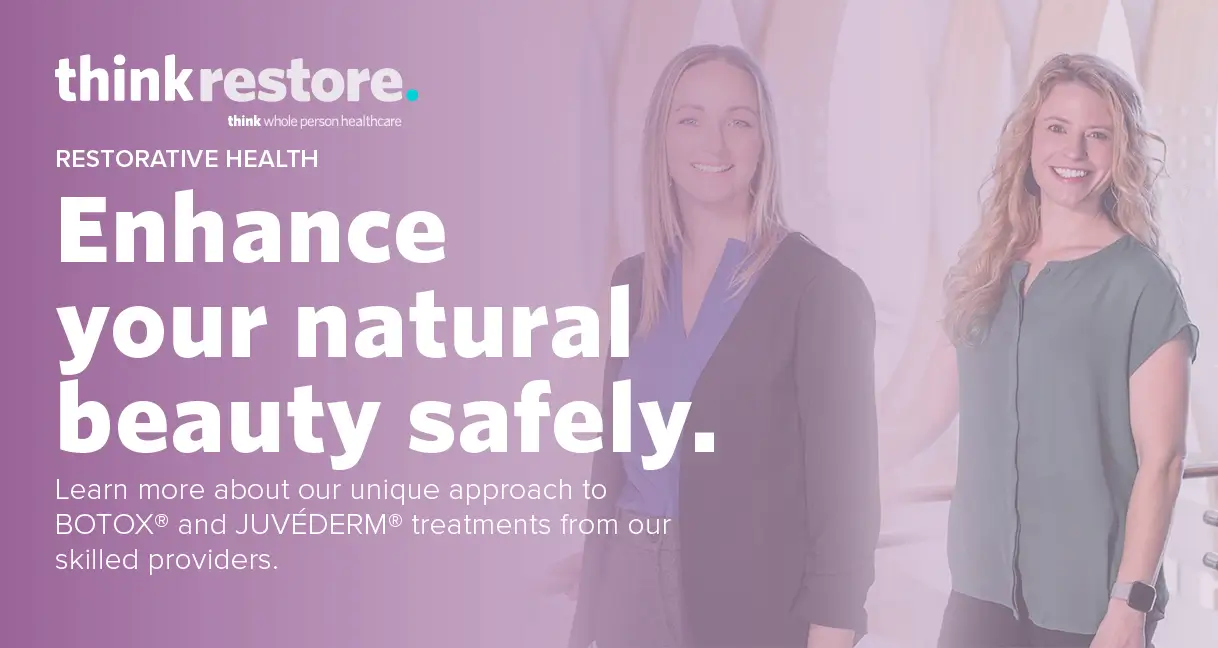
 Learn more about our unique approach to BOTOX® and JUVÉDERM® treatments from our skilled providers. 

Considering aesthetic treatments but unsure where to start? ThinkRestore at Think Whole Person Healthcare offers a welcoming and safe environment for exploring options. We recently chatted with Katie Peterson and Jessica Grosse, Physician Assistants specializing in Family Medicine and Internal Medicine at think who are also skilled providers at ThinkRestore. They shared their insights on BOTOX® and JUVÉDERM® treatments, why a holistic approach matters in aesthetics, and the unique value ThinkRestore brings to the Omaha area.

Let’s go to the interview. 

What is ThinkRestore? 

ThinkRestore was created to offer restorative aesthetic services within the established, professional medical environment of Think Whole Person Healthcare. Unlike some spas or other providers, ThinkRestore prioritizes safety and integrates aesthetics into a holistic approach to well-being. Current offerings include BOTOX®, JUVÉDERM® Dermal Fillers, and Skinceuticals skin care products. There are plans to expand ThinkRestore’s services soon too, with all services delivered under the same medical model. 

What is your role at ThinkRestore? 

We specialize in aesthetic facial treatments, including BOTOX® for smoothing wrinkles and JUVÉDERM® fillers for enhancing facial features. While the two of us don’t specialize in the Skinceuticals products, they are available through ThinkRestore for comprehensive skincare solutions.

What makes ThinkRestore different from other facial aesthetic providers? 

Our complete focus on safety and natural results sets us apart. We exclusively use FDA-approved products for treatments administered only in approved areas and quantities. Our goal is to enhance your natural beauty, not create a dramatically different appearance. Additionally, we are PA-Cs with a commitment to patient education and informed decision-making. There’s no pressure to choose a specific treatment or product, and we ensure you understand all options before proceeding.

What is BOTOX®? 

Interestingly, the discovery of BOTOX® has a surprising origin story. Dr. Justinus Kerner, a 19th-century physician, first encountered the toxin while investigating a series of fatal sausage poisonings in Germany. He observed similar muscle paralysis symptoms in the victims, which eventually led him to isolate the substance now known as botulinum toxin.

Today BOTOX® is a purified protein derived from a bacterium. It works by temporarily relaxing targeted facial muscles, and smoothing wrinkles and lines in areas like the forehead, frown lines, and crow’s feet. At ThinkRestore we strictly adhere to these FDA-approved injection sites and ensure each vial is freshly mixed for optimal effectiveness and safety. Other providers may perform BOTOX®® injections in other areas, but they are not FDA-approved and carry unnecessary risks so we do not.

What is JUVÉDERM®? 

JUVÉDERM® is a brand name for hyaluronic acid (HA) fillers. HA is a naturally occurring substance in the body that provides volume and hydration to the skin. JUVÉDERM® offers various fillers, such as JUVÉDERM®® Voluma XC for cheeks, JUVÉDERM®® Volbella XC for smoothing lips, and JUVÉDERM®® Ultra XC for plumping lips.

Who is a good candidate for these treatments?

Both BOTOX® and JUVÉDERM® are suitable for men and women aged 21 and above (as per FDA regulations). While we commonly see patients in their thirties to sixties, we’ve treated individuals as young as 21 and as mature as their 80s. Ultimately, a consultation will determine if you’re a good candidate based on your specific goals and medical history.

What kind of results can be expected from these treatments?

BOTOX® injections offer visible improvements within a few days, with full results typically achieved in 14 days. The treatment relaxes targeted facial muscles, smoothing wrinkles and lines around the treatment area which can include forehead, frown lines, and crow’s feet. You can expect these effects to last for 3-4 months.

JUVÉDERM® fillers provide immediate volume restoration and contour enhancement. Different JUVÉDERM®® products address specific concerns. We typically use JUVÉDERM®® Voluma XC to add volume to cheeks, JUVÉDERM®® Volbella XC for smoothing lips, and JUVÉDERM®® Ultra XC for plumping lips. JUVÉDERM® results typically last 12-24 months depending on the product used and your individual body chemistry.

Does ThinkRestore offer personalized consultations for what treatments are best? 

Absolutely. We offer personalized consultations that typically last around 30 minutes. During the consultation, we discuss your concerns, desired outcomes, and medical history. BOTOX® can usually be administered the same day, while fillers usually require a follow-up appointment to receive the product, which is ordered fresh for each patient.

Why is a holistic approach important in facial aesthetics? 

ThinkRestore views aesthetics as part of a holistic approach to well-being. Self-care plays a significant role in self-image and mental health. Sometimes, a subtle enhancement can significantly improve your confidence and overall well-being. It’s like putting on your favorite outfit; it’s not essential, but it can positively impact your mood and self-esteem. These treatments are elective, but the positive impact on mental and emotional well-being through improved appearance can be substantial.

How does ThinkRestore ensure the safety and effectiveness of its treatments? 

Safety is paramount at ThinkRestore. We only use FDA-approved products administered in approved areas. We are PAs with advanced medical training, ensuring your treatments are performed by skilled and knowledgeable professionals. Additionally, we prioritize natural results and will not recommend excessive filler or BOTOX® to achieve or maintain your natural beauty. There’s no financial incentive for us to push products or procedures – our focus is on your safety and achieving natural, lasting results. Our focus on quality may not result in the lowest price you find, but you’ll have complete confidence in the legitimacy of the products, the expertise of your injectors, and our commitment to your safety and long-term satisfaction.

How does ThinkRestore fit into the Think Whole Person Healthcare model? 

ThinkRestore complements the Think Whole Person Healthcare model by offering aesthetic services in a safe, medically supervised environment. We believe self-care through aesthetic treatments can positively impact mental and emotional well-being.

What advice would you give someone considering aesthetic treatments for the first time?

We recommend a consultation! You don’t need to come in with a specific plan. Just share your concerns, and we’ll discuss all available options and pricing. We also offer a 20% discount on your first treatment.

Lastly, why should someone considering aesthetic treatments choose ThinkRestore?

We prioritize natural results and use only FDA-approved products in approved areas. Our skilled medical professionals ensure your safety and well-being. You can trust ThinkRestore for quality treatments and honest advice.

ThinkRestore: Unveiling the Secrets of Enhancing Natural Beauty with Restorative Health

Building on the expertise and passion shared by Katie Peterson and Jessica Grosse, PA-Cs, let’s explore how ThinkRestore offers a comprehensive approach to enhancing your natural beauty and overall well-being.

A Holistic Approach

ThinkRestore is dedicated to providing comprehensive restorative health services. We believe that true well-being encompasses physical and mental health. Our approach combines advanced aesthetic treatments and advanced skincare solutions with a holistic perspective to help you feel confident and revitalized.

Our Solutions

Discover our range of services designed to enhance your natural beauty and support your overall well-being:

  • BOTOX® Smooth away wrinkles and fine lines for a refreshed appearance.
  • JUVÉDERM® Enhance facial contours and restore volume for a youthful glow.
  • SkinCeuticals® Skincare Complement your treatments with high-performance skincare products.
  • Schedule a consultation today to learn more about how ThinkRestore can help you achieve your wellness goals.

Our Commitment to Excellence

Our commitment to restorative health goes beyond surface-level treatments. Our experienced team provides personalized care plans that address your unique needs. We only use FDA-approved products and techniques and do so within a world-class professional medical setting. Our focus is on safe and natural results. We believe in the power of a balanced approach to achieve lasting results. 

Remember: Restorative health is a journey, not a destination. By prioritizing self-care and making informed choices, you can find your true radiance.

EMBRACE RESTORATIVE HEALTH AND SELF-CARE WITH THINKRESTORE

As summer continues, prioritize your well-being with ThinkRestore. Our restorative health services help you to achieve a renewed sense of vitality and inner radiance. We’ll help you look and feel your best, no matter the season.

Contact ThinkRestore at 402.506.9049 to schedule a consultation or treatment or learn more by visiting the ThinkRestore page. Let’s help you embark on a journey of self-care and achieve a renewed sense of vitality that lasts.

Already a think patient seeking care at our primary location? Explore our wide range of healthcare services by visiting our Services page online.  You can also choose your own think medical professional by visiting our Meet Your Doctor page and schedule an appointment online or give us a call at 402.506.9000.

Grilled Tomato Gnocchi Kebabs

Grilled Tomato Gnocchi Kebabs

Our recipe puts a fresh and unexpected vegetarian spin on a summer classic. 

Summer grilling gets a fresh twist with our veggie-packed kebabs. Ditch the heavy burgers and indulge in a lighter option that’s bursting with flavor and nutrition. These skewers are a great combination of textures and tastes, featuring juicy tomatoes, tender gnocchi, and caramelized onions.

Packed with Flavor and Nutrition

Let’s talk ingredients! Gnocchi, often made from pillowy potato dough, offers a satisfying base packed with carbohydrates for energy. They’re also a good source of potassium, a mineral that helps regulate blood pressure.  Cherry tomatoes are a nutritional powerhouse, loaded with vitamins A and C, which are important for immune function and healthy vision. They’re also a source of lycopene, an antioxidant that may help protect your cells from damage. Rounding out the nutritional profile, red onions add a touch of sweetness and a source of fiber, which keeps you feeling fuller for longer.

Perfect for vegetarians or anyone craving a lighter option, these kebabs are a breeze to prep and disappear in minutes off the grill. So fire up the grill and get ready for a delicious and healthy twist on summer entertaining!

Prep Time
15 mins
Cook Time
15 minutes
Total Time 
30 mins

Servings: 4 

Ingredients

  • 1 (12-ounce) package fresh gnocchi
  • 2 pints cherry tomatoes
  • 2 small red onions, cut into wedges (about 1-inch)
  • ¼ cup extra virgin olive oil
  • Salt and freshly ground black pepper
  • Fresh basil leaves (optional, for garnish)

Salsa Verde

  • 1/4 cup fresh parsley leaves
  • 1/4 cup fresh basil leaves
  • 2 tablespoons capers, drained
  • 1 tablespoon fresh lemon juice
  • 1 garlic clove, peeled
  • 1/4 cup extra virgin olive oil

Instructions

Partially Cook the Gnocchi:

Bring a big pot of salted water to a boil. Add the gnocchi and cook for 2-3 minutes, until they just start to float. Drain them, then rinse with cold water to stop the cooking. Set them aside.

Prep the Veggies

In a bowl, toss your cherry tomatoes and red onion wedges with olive oil. Don’t forget to season them with a sprinkle of salt and pepper!

Skewer Time

Thread the cooked gnocchi, cherry tomatoes, and red onion wedges onto skewers, alternating them for a colorful presentation. Leave a little space between each piece for even grilling.

Grill On!

Preheat your grill to medium-high heat and lightly brush or oil the grates to prevent sticking. Place the kebabs on the grill and cook for 5-7 minutes per side, until the gnocchi are golden brown and the veggies are slightly blistered.

Remove from the Grill and Enjoy

Take the kebabs off the grill and transfer them to a platter. Garnish with fresh basil leaves (if you’re feeling fancy) and serve immediately..

Tips

  • These are vegetarian-friendly, but feel free to add some grilled chicken or shrimp for a heartier option.
  • Soak your wooden skewers in water for 30 minutes before grilling to prevent burning.
  • Pair these kebabs with grilled veggies, crusty bread, or a side salad for a complete summer meal.

These fun and flavorful skewers are guaranteed to be a hit at your next barbecue. Serve them alongside grilled vegetables, crusty bread, or a side salad for a complete and satisfying summer meal. And with minimal prep time and a cook time that won’t leave you hovering over the grill, you’ll have more time to relax and soak up the sunshine with your loved ones.

Understanding and Preventing West Nile Virus

Understanding and Preventing West Nile Virus

A recent increase in West Nile Virus cases in Nebraska highlights need for prevention.

West Nile virus (WNV) is a mosquito-borne virus that poses significant health risks, particularly during the summer months when mosquito activity is at its peak. It is spread to people by the bite of an infected mosquito, primarily the Culex species in Nebraska. While anyone can be infected, preventive measures like insect repellent and protective clothing can significantly reduce the risk. 

Following a recent update from the Nebraska Department of Health and Human Services (DHHS) Health Alert Network, public health officials are urging Nebraskans to take steps to protect themselves against West Nile Virus (WNV). In 2023 the state witnessed a significant surge in WNV cases, with 150 reported infections.  Of note, 61% of these cases (91) manifested as severe neuroinvasive disease, resulting in 10 deaths.

While 2024 has seen a slower start to the season, with several human cases, blood donor detections, and positive mosquito samples, WNV activity typically intensifies in July. We must remain aware and take preventative measures to safeguard ourselves and fellow Nebraskans from this potentially debilitating virus.

Understanding West Nile Virus Transmission

West Nile virus is most commonly spread to people by mosquito bites. The virus was first identified in Uganda in 1937 and later emerged in the United States in 1999. West Nile virus is now considered endemic in many parts of the U.S., including Nebraska. The virus primarily affects birds, but mosquitoes can transmit it to humans and other animals.

How Do You Get West Nile Virus?

West Nile virus is transmitted to humans through the bite of an infected mosquito. Mosquitoes become infected when they feed on birds that carry the virus. The virus is then transmitted to humans and other animals through mosquito bites. There is no evidence of transmission from person to person or from animals other than mosquitoes.

Who’s Most Vulnerable to West Nile Virus?

Certain groups are at higher risk of developing severe complications from West Nile virus infection. According to the Centers for Disease Control and Prevention (CDC), individuals over 50 are more likely to experience severe illness if infected, possibly due to weakened immune systems. Additionally, people with underlying health conditions such as cancer, diabetes, hypertension, and kidney disease, as well as those with compromised immune systems, are also at increased risk of severe illness from West Nile virus. Pregnant women and infants are generally not at higher risk for severe disease unless they have other health conditions that compromise their immune systems. Source: CDC – West Nile Virus

What Are the Symptoms?

Most people infected with West Nile virus (approximately 80%) are asymptomatic. Those who develop symptoms typically do so after a 3-14 day incubation period. Symptoms can range from mild to severe. Mild symptoms, often referred to as West Nile fever, can include:

  • Fever
  • Headache
  • Fatigue
  • Muscle or joint pain
  • Skin rash on the trunk of the body
  • Swollen lymph glands
  • Eye pain

Severe symptoms can affect the central nervous system and include:

  • High fever
  • Headache
  • Neck stiffness
  • Stupor
  • Disorientation
  • Coma
  • Tremors
  • Convulsions
  • Muscle weakness
  • Vision changes or loss
  • Numbness
  • Paralysis

These severe symptoms are indicative of neuroinvasive diseases such as encephalitis or meningitis and require immediate medical attention. According to the Nebraska Department of Health and Human Services, 61% of the West Nile virus cases reported in 2023 were classified as severe neuroinvasive disease, with 10 deaths reported.

How Can You Protect Yourself?

Protection against West Nile virus involves minimizing mosquito exposure and using preventive measures to avoid mosquito bites. Here are some effective strategies:

1. Use Insect Repellent. Applying insect repellent is one of the most effective ways to prevent mosquito bites. Repellents containing DEET, picaridin, or oil of lemon eucalyptus are recommended. These products have been proven to be effective against mosquitoes that carry West Nile virus.

2. Wear Long Sleeves and Pants. Wearing long-sleeved shirts and long pants can help reduce the amount of exposed skin, making it harder for mosquitoes to bite. Opt for light-colored clothing, as mosquitoes are less attracted to lighter colors.

3. Avoid Dawn and Dusk Activities. Mosquitoes that transmit West Nile virus are most active during dawn and dusk. If possible, avoid outdoor activities during these times. If you must be outside, take additional precautions such as wearing insect repellent and protective clothing.

4. Eliminate Standing Water. Mosquitoes lay their eggs in standing water, so eliminating these sources around your home can help reduce mosquito populations. Common sources of standing water include birdbaths, flowerpots, gutters, and discarded tires. Regularly emptying and cleaning these items can make a significant difference.

5. Stay Indoors. Using screens on windows and doors can help keep mosquitoes out of your home. Additionally, using air conditioning can reduce the likelihood of mosquitoes entering your living space.

What Can You Do If You Think You Have It?

If you suspect you have contracted West Nile virus, especially if you experience severe symptoms, seek medical attention immediately. Early diagnosis and treatment are crucial for managing severe cases of West Nile virus. Contact your think provider or stop by our thinkquick walk-in clinic to be evaluated. 

Treatment

There is no specific antiviral treatment for West Nile virus. Treatment focuses on relieving symptoms and providing supportive care. Care may include:

  • Pain relievers to reduce fever and alleviate pain.
  • Hospitalization for severe cases to provide supportive care, such as intravenous fluids, pain medication, and, in some cases, respiratory support.

Conclusion

West Nile virus is a significant health concern, especially during the summer months when mosquito activity is high. By understanding what West Nile virus is, how it is transmitted, the symptoms it can cause, and how to protect yourself, you can reduce your risk of infection. Stay informed about West Nile virus activity in your area, use preventive measures to avoid mosquito bites, and seek medical attention if you experience symptoms. By taking these steps, you can enjoy the outdoors while keeping yourself and your family safe from West Nile virus.

CONCERNED ABOUT WEST NILE VIRUS? THINK IS HERE TO HELP.

Our team of primary care physicians, advanced practice providers, and specialists are here to keep you healthy and enjoying life. If you need quick medical assistance, same-day appointments are available, or our walk-in clinic treats anyone, even those who are not a think patient or do not currently have a primary care provider. 

Call 402-506-9049 to schedule an appointment today or book online with your primary care physician.To learn more about our wide range of affordable care, visit our Services page online. Also, choose your own think medical provider by visiting our Meet Your Doctor page.

Think expands with new West Omaha location.

Think expands with new West Omaha location.

We’re enhancing patient care and expanding services into West Omaha through the integration of Omaha Family Medicine.

We are excited to announce a significant expansion in its service offerings with the incorporation of Omaha Family Medicine into our network. Effective August 1, 2024, the well-established Omaha Family Medicine, located at 17841 Pierce Plaza, will officially become a Think Whole Person Healthcare medical clinic. This transition marks a new chapter for both organizations, enhancing the level of care available to the West Omaha community.

Dr. Charles Stoner: A Legacy of Care

Leading the new think clinic is Dr. Charles Stoner, a highly respected physician who founded Omaha Family Medicine in 2003. Dr. Stoner has built a reputation for providing exceptional patient care, focusing on preventive medicine and the management of chronic conditions. With over two decades of experience, his integration into think’s network signifies a commitment to maintaining high standards of care while leveraging additional resources to benefit his patients.

“I am excited to become a part of think,” Dr. Stoner said. “Our philosophies regarding patient care are aligned. Think is best in class in terms of quality, cost of care, and patient outcomes, which have always been my priority and passion. As a member of the think team, I will have access to even more resources to provide the very best care to my patients and the West Omaha community.”

Think Whole Person Healthcare: A Leader in Integrated Care

Think Whole Person Healthcare was established in July 2015 and has quickly grown to become one of the largest independent primary care centers in the United States. We employ more than 300 healthcare professionals, including physicians, care coordinators, registered nurses, and pharmacists, all dedicated to providing comprehensive care to approximately 45,000 patients in Omaha.

We operate as an Accountable Care Organization (ACO), a collaborative network of doctors, hospitals, and other healthcare providers who work together to deliver coordinated, high-quality care. The primary goal of an ACO is to ensure that patients receive the right care at the right time, thereby improving health outcomes and reducing overall healthcare costs.

Jason Doll, our CEO, highlights the organization’s innovative approach: “Think has been leading the way in changing how healthcare is practiced in Nebraska. The independent primary care model plays a key role in think’s success. By treating the whole person, in a coordinated effort with physicians, care coordinators, clinical pharmacists, and others working together, Think has been able to improve the quality of care for our patients and reduce costs.”

Achieving Excellence: Think’s National Recognition

Our success is evident in our outstanding performance metrics. According to data from the Centers for Medicare and Medicaid Services (CMS), think ranks as the #1 performing ACO in Nebraska and is recognized nationally as #2 in the Medicare Shared Savings Program (MSSP) outcomes for quality and cost savings. This recognition underscores our commitment to excellence and our effectiveness in providing high-quality, cost-efficient care.

Seamless Transition for Patients

Current patients of Omaha Family Medicine can rest assured that there will be no interruption of care during this transition. Dr. Stoner and his dedicated team will continue to provide the same high level of service that patients have come to expect. The clinic’s integration into think will enhance the patient experience by offering access to a broader range of resources and services.

New external building signage with the think logo is expected to be installed later this summer, signaling the official transformation of the clinic. This change not only represents a new era for the clinic but also reinforces our presence and commitment to the West Omaha community.

Our Unique Whole Person Health Care Model

Our innovative model focuses on managing patients’ health through an integrated approach. By coordinating care among various healthcare professionals, we ensure that every aspect of a patient’s health is addressed. Our model not only improves health outcomes but also enhances patient satisfaction and reduces healthcare costs.

FAQs about the Transition

What changes should current Omaha Family Medicine patients expect?

  • Patients will experience a seamless transition with no interruption of care. The clinic will continue to operate under the leadership of Dr. Charles Stoner, providing the same high-quality care.

What are the benefits of this transition for patients?

  • Patients will benefit from access to a broader range of resources and services offered by think, including coordinated care among various healthcare professionals.

Will there be any changes to the location of the clinic?

  • No, the clinic will remain at its current location at 17841 Pierce Plaza. Only the external signage and branding will change to reflect its new affiliation with think.

How can new patients schedule an appointment with Dr. Stoner?

  • New patients can schedule an appointment by visiting our website or by calling the clinic directly.

What is an Accountable Care Organization (ACO)?

  • An ACO is a collaborative network of doctors, hospitals, and other healthcare providers who work together to provide coordinated, high-quality care to patients. The goal of an ACO is to ensure that patients receive the right care at the right time, improving health outcomes and reducing healthcare costs.

Looking Ahead

The integration of Omaha Family Medicine into Think Whole Person Healthcare is a significant step forward in expanding quality healthcare services in West Omaha. As we continue to grow and innovate, our commitment to providing comprehensive, patient-centered care remains steadfast. We look forward to welcoming new patients and continuing to make a positive impact on the health and well-being of the community at large.

READY TO EXPERIENCE WHOLE PERSON HEALTHCARE?

Think is committed to providing accessible, high-quality care to our community, and this expansion to West Omaha is another example of this commitment.

Looking for a new primary care physician in West Omaha? Dr. Stoner is now welcoming patients at our new location! Schedule an appointment online at or by phone at 402.991.7000. 
Already a think patient seeking care at our primary location? Explore our wide range of healthcare services by visiting our Services page online.  You can also choose your own think medical professional by visiting our Meet Your Doctor page and schedule an appointment online or give us a call at 402.506.9000.

Stay Sun Safe: Essential Facts and Tips for Protection This Summer

Stay Sun Safe: Essential Facts and Tips for Protection This Summer

Understanding UV Radiation and Its Impact on Your Health

Did you know that one in five Americans will develop skin cancer by the age of 70? While most people associate sunburn with a day at the beach, the dangers of sun exposure go far beyond a temporary inconvenience. Ultraviolet (UV) radiation from the sun can cause lasting damage to your skin, eyes, and immune system, leading to serious health consequences.

Sun safety is crucial for everyone, regardless of age, skin tone, or location. Even on cloudy days, UV rays can penetrate the clouds and damage your skin. Let’s examine the science behind UV radiation, the dangers of sun exposure, and provide actionable tips to keep yourself safe in the sun.

What is UV Radiation?

The sun emits various types of radiation, including visible light, heat, and invisible ultraviolet (UV) radiation. UV radiation is further categorized into three types:

  • UVA rays: These rays penetrate deep into the skin’s dermis, contributing to premature skin aging, wrinkles, and sunspots.
  • UVB rays: These rays are responsible for sunburns and play a significant role in the development of skin cancer.
  • UVC rays: Fortunately, the Earth’s atmosphere absorbs most UVC rays before they reach the surface.

Sunshine and Health: The Bright Side of Sun Exposure

While excessive sun exposure is detrimental, our bodies do require moderate sun exposure for the production of vitamin D, which is essential for bone health, immune function, and cell growth. However, the recommended daily dose of vitamin D can be obtained through just 10-15 minutes of midday sun exposure on your face and arms (without sunscreen) most days of the week.

The Dark Side of Sun Exposure: Potential Risks

Skin Cancer

Skin cancer is the most common form of cancer in the United States, with over 5 million cases diagnosed annually. The primary culprit behind skin cancer is UV radiation from the sun. There are three main types of skin cancer:

  • Melanoma: This is the deadliest form of skin cancer, but it’s also the most treatable when detected early. Melanoma can develop anywhere on the body and can appear as an asymmetrical mole with irregular borders and changing colors.
  • Basal cell carcinoma: This is the most common type of skin cancer, but it is also the slowest-growing and rarely spreads to other parts of the body.
  • Squamous cell carcinoma: This type of skin cancer is more aggressive than basal cell carcinoma but less common.

According to the American Cancer Society, people with fair skin, a history of sunburn, a family history of skin cancer, and those who use tanning beds are at higher risk for developing skin cancer.

Premature Skin Aging

The sun’s UV rays damage the skin’s collagen and elastin fibers, leading to wrinkles, fine lines, loss of elasticity, and a leathery appearance. Sun exposure also contributes to sunspots, age spots, and uneven skin tone. While aging is inevitable, sun protection can significantly slow down the visible signs of aging and keep your skin looking youthful for longer.

Eye Damage

Ultraviolet radiation can damage the eyes, leading to several eye conditions. Here are some of the concerns:

  • Cataracts: This is a clouding of the lens of the eye that can cause blurry vision and difficulty seeing at night.
  • Macular degeneration: This age-related condition affects the macula, the part of the eye responsible for central vision. Sun exposure is a significant risk factor for macular degeneration, which can lead to permanent vision loss.
  • Pterygium: Also known as surfer’s eye, this is a non-cancerous growth of the conjunctiva (the white part of the eye) that can interfere with vision.

Wearing sunglasses that block UVA and UVB rays is essential for protecting your eyes from sun damage.

Immune System Suppression

Excessive sun exposure can weaken the immune system, making you more susceptible to infections from viruses, bacteria, and fungi. This is because UV radiation can suppress the activity of immune system cells, hindering their ability to fight off pathogens.

Healthy Summer Sun: Protecting Yourself from UV Rays

Sun safety is a multi-pronged approach that involves minimizing sun exposure and using protective measures when you are outdoors. Here are some key tips to keep yourself safe in the sun:

Seek Shade

The simplest and most effective way to avoid sun damage is to seek shade, especially during peak sun hours (typically between 10 am and 4 pm). This could involve:

  • Relaxing under an umbrella or a beach canopy.
  • Spending time in the shade of trees or structures.
  • Adjusting your schedule to avoid being outdoors during peak sun hours when possible.

Sun Protective Clothing

Wearing sun-protective clothing is an excellent way to shield your skin from UV rays. Look for clothes made with tightly woven fabrics that have a high Ultraviolet Protection Factor (UPF) rating. A UPF rating of 50+ indicates that the fabric blocks at least 98% of UVA and UVB rays. Here are some tips for choosing sun-protective clothing:

  • Opt for long sleeves, pants, and wide-brimmed hats for maximum coverage.
  • Look for lightweight, breathable fabrics that are comfortable to wear in warm weather.
  • Consider special sun-protective clothing lines designed for outdoor activities.

Sunscreen

Sunscreen is a crucial line of defense against UV radiation. Here’s what you need to know:

  • Choose a broad-spectrum sunscreen with SPF 30 or higher Broad-spectrum sunscreens protect against both UVA and UVB rays. SPF (Sun Protection Factor) indicates the level of protection against UVB rays. An SPF of 30 blocks about 97% of UVB rays, while SPF 50 blocks about 98%.
  • Apply sunscreen generously and evenly to all exposed skin Don’t forget areas like your ears, neck, lips, tops of your feet, and the backs of your hands.
  • Reapply sunscreen every two hours, or more often if you are sweating or swimming Sunscreen can wear off, so reapplication is crucial for maintaining protection.
  • Use water-resistant sunscreen if you will be swimming or sweating Look for sunscreens labeled “water-resistant” for 40 minutes or 80 minutes, depending on your activity level.

Here are some additional tips for sunscreen use:

  • Apply sunscreen 15 minutes before going outdoors to allow it time to absorb into your skin.
  • Don’t rely solely on sunscreen for sun protection. Combine it with other sun safety measures like seeking shade and wearing sun-protective clothing.
  • Be mindful of sunscreen expiration dates and replace expired products with new ones.

Sunglasses

Protecting your eyes from UV radiation is just as important as protecting your skin. Choose sunglasses that:

  • Block UVA and UVB rays. Look for sunglasses that label themselves as offering 100% UV protection.
  • Have large lenses to provide maximum coverage for your eyes and the delicate skin around them.
  • Fit snugly and comfortably to prevent UV rays from sneaking in from the sides or top of the frames.

Sun Safety for Children

Children’s skin is even more sensitive to sun damage than adults. Here are some essential sun safety tips for children:

  • Keep babies younger than six months out of direct sunlight.
  • Dress children in sun-protective clothing with a UPF rating of 50+.
  • Use a broad-spectrum sunscreen with SPF 30 or higher on all exposed skin after applying a water-resistant option for swimming.
  • Encourage children to wear wide-brimmed hats that provide shade for their face, neck, and ears.
  • Seek shade, especially during peak sun hours, and encourage breaks from outdoor play.

Activity-Specific Sun Safety Tips

Sun safety practices may vary slightly depending on the specific activity. Here are some additional considerations:

  • Swimming Choose a water-resistant sunscreen with SPF 30 or higher and reapply frequently, especially after swimming or toweling off.
  • Hiking and Camping Seek shade whenever possible and wear sun-protective clothing with long sleeves and pants. Consider using a sun hat with a neck flap for added protection.
  • Playing Sports Choose breathable sun-protective clothing and reapply sunscreen frequently, especially if sweating heavily.
  • Spending Time at the Beach Seek shade under umbrellas or beach canopies, and reapply sunscreen regularly. Wear sunglasses and wide-brim hats.

Embracing sun safety is an essential step toward maintaining your overall health and well-being. By understanding the impact of UV radiation and adopting protective measures like seeking shade, wearing sun-protective clothing, and using sunscreen, you can significantly reduce the risks associated with sun exposure. Remember, taking these precautions not only helps prevent skin cancer and premature aging but also safeguards your eyes and immune system. Prioritizing sun safety ensures that you can enjoy the outdoors while keeping your skin and health protected for years to come.

LEARN MORE ABOUT UV RADIATION PROTECTION BY SPEAKING WITH YOUR PRIMARY CARE PROVIDER

Think makes it easy to receive both preventative care and treatment for your skin and eyes, especially if affected by sun exposure. From blistered sunburns to cataracts, our wide range of primary care providers and specialists are here for you on sunny and cloudy days and everything in between.  
Our walk-in clinic treats anyone, even those who are not a current think patient or do not have a primary care provider. To learn more about our wide-ranging healthcare services, visit our Services page online and choose your own think medical professionals by visiting our Meet Your Doctor page.
A Holistic Approach to Well-Being with Restorative Health.

A Holistic Approach to Well-Being with Restorative Health.

In today’s world, where traditional healthcare often focuses on treating specific diseases and injuries, the view of restorative health offers a refreshing perspective. It emphasizes a holistic approach, empowering individuals to optimize their overall well-being by addressing not just symptoms, but the root causes of health concerns. This shift allows individuals to take charge of their health journey and cultivate long-term resilience. At Think Whole Person Healthcare, a holistic approach has always been at the forefront of our philosophy, making Restorative Health a natural extension of our commitment to comprehensive, patient-centered care. 

What is Restorative Health?

Restorative Health goes beyond simply recovering from illness or injury. It highlights the body’s inherent capacity for healing and promotes long-term resilience. This approach focuses on three core principles:

Identifying and Addressing the Root Causes of Health Concerns

Instead of just treating symptoms, Restorative Health seeks to understand the underlying factors that contribute to health issues. This might involve considering dietary habits, stress levels, sleep patterns, and environmental factors. A qualified integrative or functional medicine practitioner can be a valuable resource in this process.

Promoting Self-Awareness and Self-Care

Restorative Health empowers individuals to take an active role in their health. This includes learning about healthy habits, embracing self-care practices, and making informed decisions about their well-being. 

Optimizing Physical, Mental, and Emotional Well-Being

A restorative approach recognizes physical, mental, and emotional health interconnectedness. It incorporates practices that nurture each aspect for a holistic sense of well-being.

Resources from organizations like the American Holistic Health Association (AHHA) offer a wealth of information and guidance on self-care practices and healthy habits. By addressing all aspects of your health, you can create a foundation for long-term resilience and well-being.

Why is Restorative Health Important?

Traditional healthcare is undoubtedly essential. It excels at diagnosing and treating acute illnesses, managing chronic conditions, and performing life-saving surgeries. However, it can easily focus on treating symptoms rather than addressing the underlying causes of health concerns. A strictly traditional model may not always consider the broader aspects of well-being, such as stress levels, sleep quality, and lifestyle habits, which all play a significant role in our overall health.

Restorative Health emphasizes considering the individual as a whole and recognizing the interconnectedness of physical, mental, and emotional well-being. Restorative Health is becoming increasingly important for many reasons:

  • A Holistic Approach: Restorative Health goes beyond simply treating symptoms. It seeks to identify the root causes of health issues, considering factors like diet, stress, sleep, and environmental influences. By addressing these underlying issues, restorative health aims to create long-term solutions and prevent future problems.
  • Preventative Measures: Restorative Health emphasizes preventative care. By focusing on healthy habits, stress management, and overall well-being, individuals can potentially reduce their risk of developing chronic diseases and maintain optimal health for longer.
  • Empowerment and Self-Care: Restorative Health empowers individuals to take charge of their own health. It encourages them to learn about healthy practices, embrace self-care routines, and make informed decisions about their well-being. The shift in focus from passive patients to active participants in their health journey gives a sense of control and ownership.
  • Complementary to Traditional Medicine: Restorative Health practices can be valuable tools alongside conventional medicine. They can help manage symptoms, improve treatment outcomes, and enhance overall well-being. The National Center for Complementary and Integrative Health (NCCIH) acknowledges the growing interest in exploring these complementary approaches.

By incorporating restorative practices like self-care, proper nutrition, stress management techniques, and mindfulness exercises into their lives, we can take a proactive approach to our health and well-being. It empowers us to optimize our health for the long term and potentially prevent future health concerns.

The Pillars of Restorative Health

The human body isn’t just a collection of parts; it’s a complex and interconnected system. Our physical health, mental and spiritual well-being, and emotional state are intricately linked. When one aspect suffers, it can cause a ripple through the entire system, impacting our overall health and well-being. Restorative Health incorporates practices that nurture each aspect for a holistic approach. 

Physical Health

The foundation of well-being often starts with the physical body. Restorative practices can help optimize physical health in several ways:

  • Nourishment through Whole Foods: Our bodies thrive on a diet rich in fruits, vegetables, whole grains, and lean protein. These foods provide essential nutrients that fuel our body’s functions and support immune system health.
  • Regular Physical Activity: Movement is medicine. Engaging in activities you enjoy, whether it’s walking, swimming, yoga, or dancing, helps manage weight, improves cardiovascular health, and strengthens muscles and bones.
  • Prioritizing Quality Sleep: When we get enough sleep, our bodies have time to repair and recharge. Adequate sleep is crucial for physical recovery, cognitive function, and emotional regulation.

We build strong physical foundations that support our overall well-being by focusing on these foundational practices.

Mental and Emotional Well-being

Our minds and emotions play a significant role in how we experience the world. Restorative practices can address mental and emotional well-being through:

  • Mindfulness and Meditation: These techniques cultivate present-moment awareness and emotional regulation. By quieting the mind and focusing on the present, we can reduce anxiety, improve mood, and enhance our ability to cope with stress.
  • Stress Management Techniques: Chronic stress wreaks havoc on our mental and physical health. Practices like deep breathing exercises, yoga, and spending time in nature can help manage stress and promote emotional resilience.
  • Self-Care: Self-care practices are essential for maintaining mental and emotional well-being. These can include activities that bring joy and relaxation, such as reading, taking a long bath,  pursuing hobbies, spending time with loved ones, or simply taking time for oneself. Self-care helps to recharge and rejuvenate, preventing burnout and promoting a balanced life.

Resources from reputable organizations like the Mayo Clinic offer guidance and support for implementing these techniques to nurture your mental and emotional well-being.

The Spirit

Beyond the physical and mental, restorative health acknowledges the role of the spirit. This can encompass a sense of purpose, a connection to something larger than ourselves, and a feeling of well-being that transcends the physical. Restorative practices that nourish the spirit might include:

  • Gratitude Practices: Focusing on the positive aspects of life can cultivate a sense of contentment and well-being.
  • Connecting with Nature: Immersing yourself in nature has been shown to reduce stress, improve mood, and enhance cognitive function.
  • Building Strong Relationships: Strong social connections provide emotional support and contribute to a sense of belonging, all of which are important for overall well-being.

By nurturing each aspect of ourselves – physical, mental, emotional, and spiritual – we create a foundation for optimal health and well-being. This is restorative health and it empowers us to thrive in all aspects of life.

Benefits of Restorative Health

By adopting a restorative approach to health, individuals may experience a range of benefits:

  • Improved physical health: Restorative practices can help manage chronic conditions, boost the immune system, and enhance overall physical function. Studies have shown the effectiveness of practices like yoga and meditation in managing chronic pain and improving sleep quality. 
  • Enhanced mental and emotional well-being: Techniques like mindfulness, stress management, and self-care can reduce anxiety, improve mood, and promote emotional resilience. Mindfulness practices have been shown to reduce stress and improve emotional regulation.
  • Increased energy levels and vitality: Restorative practices can help improve sleep quality, optimize hormonal balance, and promote a sense of vitality. A focus on healthy eating, regular exercise, and stress management can contribute to increased energy levels throughout the day. 
  • Greater self-awareness: By focusing on self-care and mindful practices, individuals can gain a deeper understanding of their needs and responses to various stimuli. This self-awareness empowers them to make informed choices about their health and well-being. 
  • Empowerment to take charge of health: Restorative health fosters self-efficacy, allowing individuals to take control of their health journey and make informed decisions. This sense of empowerment can lead to improved adherence to healthy habits and a more proactive approach to managing their health. 

Practicing Restorative Health

Restorative health isn’t about drastic changes or overwhelming routines. It’s about incorporating small, sustainable practices that cultivate a sense of well-being throughout your day. Here are some ideas to include restorative practices into your daily life:

  • Nourish your body with whole, unprocessed foods: Prioritize a diet rich in fruits, vegetables, whole grains, and lean proteins.
  • Move your body regularly: Engage in activities you enjoy, such as walking, swimming, yoga, or dancing.
  • Make time for self-care: Engage in activities that bring you happiness and relaxation, such as reading, grooming, pursuing hobbies, enjoying moments with loved ones, or dedicating time to yourself.
  • Practice stress management techniques: Techniques like deep breathing, meditation, and mindfulness can help manage stress and promote relaxation.
  • Get enough quality sleep: Aim for 7-8 hours of sleep each night to allow your body and mind to recharge.
  • Develop a gratitude practice: Focusing on appreciating the positive aspects of your life can cultivate a sense of well-being and contentment.
  • Spend time in nature: Immersing yourself in nature has been shown to reduce stress, improve mood, and enhance cognitive function.
  • Build healthy relationships: Strong social connections provide emotional support and contribute to overall well-being.

Remember, restorative health is a journey, not a destination. By incorporating these simple practices into your daily routine, you can cultivate a sense of well-being that nourishes your body, mind, and spirit.

Restorative Health and Comprehensive Healthcare

Integrating restorative health into comprehensive healthcare involves recognizing the interconnectedness of physical, mental, and emotional well-being. Treatments that enhance appearance can also positively impact self-esteem and mental health, contributing to a holistic sense of well-being.

Mental Health Benefits

Improving physical appearance through restorative treatments can boost self-confidence and self-esteem, which are crucial components of mental and emotional health. Research has shown that individuals who feel better about their appearance are more likely to experience improved mental health outcomes, including reduced symptoms of depression and anxiety.

Whole-Person Healthcare

Whole-person healthcare considers the individual as a whole, addressing physical, mental, and emotional needs. By integrating restorative health into this model, healthcare providers can offer more comprehensive care that enhances overall quality of life. This approach involves not only treating specific conditions but also promoting overall health and wellness.

Introducing ThinkRestore

ThinkRestore, a division of Think Whole Person Healthcare, is dedicated to providing high-quality restorative health services within a comprehensive healthcare framework. We recognize that self-care is a cornerstone of well-being and believe that taking care of yourself goes beyond just addressing physical health; it encompasses your mental and emotional state as well.  This is where restorative health comes in at Think.

Restorative practices help you build resilience and create a foundation for long-term vitality.  One way to embrace self-care is by considering aesthetic improvements that can have a positive impact on your overall well-being.

ThinkRestore: Where Self-Care Meets Confidence

At ThinkRestore, we offer a variety of science-backed solutions that can enhance your appearance and, in turn, elevate your self-confidence.  Treatments like BOTOX® for smoothing wrinkles and JUVÉDERM® fillers for enhancing facial features can address visible signs of aging, leaving you feeling more radiant and revitalized. Science-backed skincare solutions from Skinceuticals offer targeted solutions to help you achieve a more radiant, healthy complexion.

But it goes beyond just looking good. Feeling confident in your appearance can have a profound effect on your mental and emotional well-being. When you feel good about yourself, it can empower you to take on challenges, improve your social interactions, and experience a greater sense of overall happiness.

So what sets ThinkRestore apart? Let’s explore the unique experience we offer and the commitment that sets us on a path different from others. 

Advanced Expertise in a Professional Medical Setting

ThinkRestore distinguishes itself by offering restorative health services within a professional medical environment.  Our treatments are administered by highly trained Physician Assistants (PA-Cs) with advanced medical certifications and experience in aesthetic medicine. This ensures you receive safe and effective treatments delivered by knowledgeable and skilled medical professionals.

Commitment to Safety and FDA Compliance

Your well-being is our top priority at ThinkRestore. We are committed to using only FDA-approved products administered in approved treatment areas and in approved quantities.  We focus on providing safe and effective treatments, ensuring you get the results you desire without compromising your health.

Natural Results You Can Trust

At ThinkRestore, natural results are paramount. Our medical providers prioritize achieving a subtle enhancement that complements your natural beauty. Unlike some medical spas and other providers, our providers are not incentivized by commission. This ensures they recommend only the treatments and products that are truly in your best interest, fostering a trusting and transparent patient-provider relationship.

Comprehensive Services

ThinkRestore currently offers a wide range of restorative health services, including Botox, Juvederm, and science-backed skincare solutions from SkinCeuticals. Our treatments are designed to address various skin concerns and enhance overall appearance. We continuously update our services and techniques to incorporate the latest advancements in the field, ensuring that our patients receive the most effective and innovative treatments available. And we will be adding more restorative services soon!

Restorative health offers a powerful approach to achieving optimal well-being. By incorporating restorative practices into your life, you can move beyond simply managing health conditions and create a foundation for long-term health and vitality. Remember, restorative health is a journey, not a destination. By making small changes and nurturing your physical, mental, and emotional well-being, you can cultivate a sense of resilience and thrive throughout your life.

EMBRACE RESTORATIVE HEALTH AND SELF-CARE WITH THINKRESTORE

As summer continues, prioritize your well-being with ThinkRestore. Our restorative health services help you to achieve a renewed sense of vitality and inner radiance. We’ll help you look and feel your best, no matter the season.

ThinkRestore goes beyond aesthetics, offering restorative health services within a professional medical setting. Our highly trained Physician Assistants (PA-Cs) prioritize your safety and well-being. They utilize only FDA-approved products and techniques for our aesthetic facial treatments, ensuring you receive natural-looking results you can trust.

Contact ThinkRestore at 402.506.9049 to schedule a consultation or treatment or learn more by visiting the ThinkRestore page. Let’s help you embark on a journey of self-care and achieve a renewed sense of vitality that lasts.
To learn more about our wide-ranging whole-person healthcare, visit our Services page online and choose your own think medical professionals by visiting our Meet Your Doctor page.