



Blueberry Muffin Bread

Sliced blueberry muffin bread sits on a white plate in sunlight, with text describing it as a nutritious, antioxidant-rich recipe twist on a classic comfort food.

Nutrition is a key part of your whole-person health. Our Blueberry Muffin Bread recipe shows our commitment to using simple, high-quality ingredients to make a meal that is both healthy and easy to prepare.

The main benefit of this recipe is its high amount of blueberries, which are full of antioxidants called anthocyanins. These help keep your mind sharp and protect your heart. By choosing a nutrient-rich treat instead of processed snacks, you give your body lasting energy and support for daily life.

Prep Time:
15 minutes
Cook Time: 
60-65 minutes
Total Time: 
80 minutes

Serving Size: 1 Loaf (approx. 10–12 slices)

Ingredients

  • 1/2 cup Salted butter, melted and cooled
  • 1 cup Cane sugar (or a natural alternative)
  • 2 Large eggs, at room temperature
  • 1/2 cup Plain Greek yogurt (provides protein and probiotics)
  • 1 tsp Vanilla extract
  • 1 ½ cups All-purpose flour (or a whole-grain blend)
  • 1 tsp Baking powder
  • 1/2 tsp Baking soda
  • 1/4 tsp Sea salt
  • 2 cups Fresh or frozen blueberries (do not thaw if frozen)
  • Optional: 1 tbsp lemon zest for an added antioxidant boost

Cook Steps

Step 1: Preparation and Alignment 

Preheat your oven to 350°F (175°C). Lightly grease a 9×5-inch loaf pan with butter or line it with parchment paper. Proper preparation ensures an efficient process and an even bake for your foundation.

Step 2: Combine the Wet Ingredients 

In a large mixing bowl, whisk together the melted butter and sugar until smooth. Add the eggs one at a time, followed by the Greek yogurt and vanilla extract. The yogurt not only adds moisture but provides a subtle source of protein to support metabolic stability.

Step 3: Integrate the Dry Ingredients 

In a separate smaller bowl, sift together the flour, baking powder, baking soda, and salt. Gradually fold the dry ingredients into the wet mixture using a spatula. Be careful not to over-mix; a straightforward, gentle stir will keep the texture light and effective.

Step 4: Prepare the Blueberries 

Toss your blueberries in a small spoonful of flour before adding them to the batter. This simple step prevents the berries from sinking to the bottom, ensuring every slice provides a balanced distribution of antioxidants. Gently fold the berries into the batter.

Step 5: Execute the Bake 

Pour the batter into your prepared loaf pan and smooth the top. Bake for 60 to 65 minutes. To ensure clarity on doneness, insert a toothpick into the center; it should come out clean or with just a few moist crumbs.

Step 6: Cool and Restore 

Allow the bread to cool in the pan for 10 minutes before transferring it to a wire rack to cool completely. This resting period allows the structure to stabilize, making it easier to slice and serve.

Tips for Success

  • Pair a slice of this bread with a handful of walnuts or a hard-boiled egg. The addition of healthy fats and proteins will help maintain a steady glycemic response, keeping your energy levels stable throughout the morning.

Lemon-Roasted Asparagus & Spinach Salad.

A bowl of lemon-roasted asparagus and spinach salad topped with nuts, sitting on a white plate on a wooden table, with recipe text on the left side of the image.

As we move into the peak of the Nebraska growing season, aligning your nutrition with the “farm-to-table” cycle is a simple way to support your body’s natural resilience. Early spring greens like spinach and asparagus are more than just seasonal favorites; they are functional tools for your health foundation.

This recipe focuses on liver function and detoxification. Asparagus contains asparagine, a natural amino acid that helps the kidneys flush out waste, and specific enzymes that assist the liver in breaking down toxins. Spinach is rich in chlorophyll, which neutralizes heavy metals and supports healthy bile production—a vital part of your “Circle of Care” for digestive stability.

Prep Time: 
10 minutes
Cook Time: 
12 minutes
Total Time: 
22 minutes

Serving Size: 4 servings

Ingredients

  • 1 bunch Fresh asparagus (trimmed)
  • 4 cups Fresh baby spinach (locally sourced if possible)
  • 2 tbsp Extra virgin olive oil
  • 1 tbsp Fresh lemon juice (plus zest for garnish)
  • 2 cloves Garlic, minced (a natural sulfur source for liver health)
  • 1/4 cup Toasted walnuts (for healthy omega-3 fats)
  • 1/2 tsp Turmeric (to support anti-inflammatory pathways)
  • Sea salt and black pepper to taste

Cook Steps

Step 1: Roast the Asparagus 

Preheat your oven to 400°F. On a parchment-lined baking sheet, toss the trimmed asparagus with 1 tablespoon of olive oil, the minced garlic, and turmeric. Roast for 10–12 minutes until tender but still vibrant green. Roasting helps break down fibers, making the nutrients more bioavailable for your system.

Step 2: Prepare the Foundation 

While the asparagus roasts, place the fresh baby spinach in a large wooden salad bowl. The raw spinach provides a high concentration of Vitamin K and folate to support your cellular health.

Step 3: Create the “Clean” Dressing 

In a small jar, whisk together the remaining olive oil, lemon juice, salt, and pepper. The citric acid from the lemon acts as a natural catalyst for liver enzymes, assisting in the detoxification process.

Step 4: Combine and Garnish 

Once the asparagus is slightly cooled, add it to the spinach bowl. Drizzle with the dressing and toss gently until the spinach just begins to wilt from the warmth of the asparagus. Top with toasted walnuts and fresh lemon zest.

Step 5: Serve for Performance 

Enjoy this as a standalone light lunch or pair it with a lean protein like grilled chicken or salmon for a complete, high-performance meal.

Why This Works for Your “Whole Person”

  • Liver Support: The bitter compounds in early greens stimulate bile flow, which is necessary for fat digestion and waste removal.
  • Simple & Straightforward: This recipe uses minimal ingredients to achieve maximum nutrient density, removing the complexity of “healthy eating.”
  • Environmental Connection: Using seasonal, local greens reduces the time from farm to table, ensuring you receive the highest level of active enzymes.

Practice Safe Movement during spring.

A woman wearing a sun hat and blue shirt sits outside holding a potted plant. Text on the image advises people to practice safe movement during spring to avoid injuries by easing back into activity slowly.

As Nebraska warms up, many people look forward to outdoor activities like running, cycling, or gardening. But jumping back in too quickly after winter can put extra stress on your muscles and joints. To avoid common injuries, it’s best to ease back into activity slowly instead of rushing.

The goal is to maintain physical stability while gradually increasing the load on your joints and tissues. Here are four tips to help your transition be effective and sustainable.

Tip 1: The 10% Progression Rule

One common cause of spring injuries is doing too much too soon. To protect your foundation, avoid increasing activity, whether running mileage, gardening hours, or weight lifted, by more than 10% per week. This gradual approach gives your tendons and ligaments, which adapt slower than muscles, time to strengthen without microscopic tears.

Tip 2: Prioritize “Dynamic” Readiness

Static stretching before your body is warm can decrease power and increase injury risk. Instead, focus on dynamic movements that mimic your upcoming activity. For gardeners, try controlled lunges or arm circles; for runners, leg swings or high knees. This activates the nervous system and directs blood flow to active muscles.

Tip 3: Support Your Kinetic Chain

Your body moves as a connected unit. Foot discomfort may come from hip instability, and back pain can stem from tight hamstrings.

  • Check your equipment: make sure your footwear is not compressed or worn out from last season.
  • Focus on the core: maintaining a stable trunk provides the steady center your limbs need to move efficiently.

Tip 4: Monitor Your Body’s Feedback

Understanding the difference between exertion and pain is key to proactive wellness.

  • Muscle Soreness: Expected 24–48 hours after a new activity.
  • Sharp/Localized Pain: A signal that your alignment may be off.

If persistent discomfort does not resolve with rest, it clearly indicates a consultation with our Physical Therapy team is the next step. They can find the root cause of the imbalance before it becomes a chronic problem.

We want to help you stay active and comfortable. Our Physical Therapy team is here to check your movement and help you build strength. Whether you’re getting ready for a 5K or just gardening on weekends, meeting with us early can help your joints and muscles handle the season ahead.

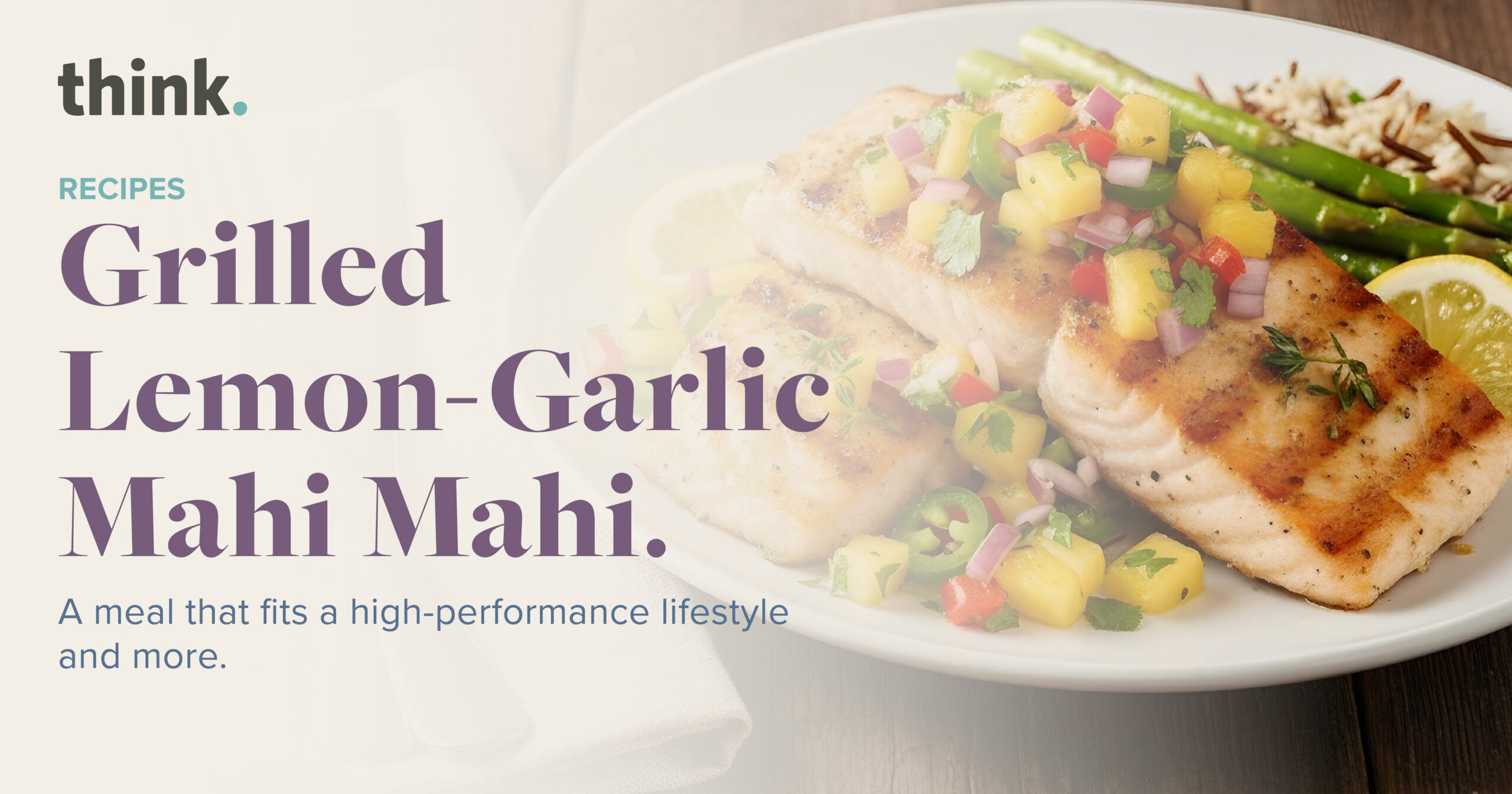
Grilled Lemon-Garlic Mahi Mahi with Pineapple Salsa.

A plate of grilled mahi mahi topped with colorful salsa, served with asparagus and rice. Text reads: Grilled Lemon-Garlic Mahi Mahi. A meal that fits a high-performance lifestyle..

With March coming to a close, it’s a great time to focus on foods that keep your energy up. Grilled Mahi Mahi with Pineapple Salsa is a tasty way to support your heart and metabolism. Mahi Mahi is a lean, high-quality protein packed with Vitamin B12 and selenium, both important for nerve health and cell protection. Choosing a white fish like this gives your body what it needs for muscle maintenance, without the extra fats that can cause inflammation.

Adding fresh pineapple salsa does more than add flavor, it helps your digestion, too. Pineapple has bromelain, an enzyme that breaks down proteins and supports healthy digestion. Paired with the antioxidants in bell peppers and red onions, this meal helps keep your energy steady. Whether you’re bouncing back from a workout or gearing up for a busy week, this recipe helps you stay strong and ready for anything.

Prep Time
15 minutes
Cook Time
8 minutes
Total Time
23 minutes

Serving Size: 4 servings

Ingredients

  • 4 (6oz) Mahi Mahi fillets
  • 2 tbsp Extra virgin olive oil
  • 1 tbsp Fresh lime juice
  • 2 cloves Garlic, minced
  • 1 tsp Dried cilantro
  • Salt and pepper to taste

For the Pineapple Salsa:

  • 2 cups Fresh pineapple, diced
  • 1/2 Red bell pepper, finely diced
  • 1/4 cup Red onion, minced
  • 1 Jalapeño, seeded and minced (optional)
  • 2 tbsp Fresh cilantro, chopped

Cook Steps

Step 1: Prepare the Salsa 

In a small bowl, combine the pineapple, bell pepper, onion, jalapeño, and cilantro. Let the flavors meld at room temperature while you prepare the fish. This fresh topping provides a vibrant source of Vitamin C.

Step 2: Season the Fillets 

Pat the Mahi Mahi dry with a paper towel. Whisk together the olive oil, lime juice, and garlic, then brush both sides of the fillets. Season lightly with salt and pepper.

Step 3: Preheat the Grill 

Clean and oil your grill grates. Preheat to medium-high heat (approx. 400°F). A clean grill ensures an efficient sear and prevents the lean fish from sticking.

Step 4: Grill the Fish 

Place the fillets on the grill. Cook for 3–4 minutes per side. The fish is ready when it is opaque throughout and flakes easily with a fork (internal temperature of 145°F).

Step 5: Garnish and Serve 

Remove the fish from the grill and immediately top with a generous portion of the pineapple salsa. This combination of warm protein and chilled fruit supports a balanced palate and a healthy digestive system.

Step 6: Pair for Performance 

Serve with a side of grilled asparagus or wild rice. This integrated meal provides the sustained energy required for a high-performance lifestyle.

Tips for Success

  • Sourcing Quality: For the best nutritional profile, look for wild-caught Mahi Mahi, which is naturally low in saturated fats.

Efficient Cleanup: Using a grill basket for the fish can make the process even more straightforward and ensure the fillets remain intact.

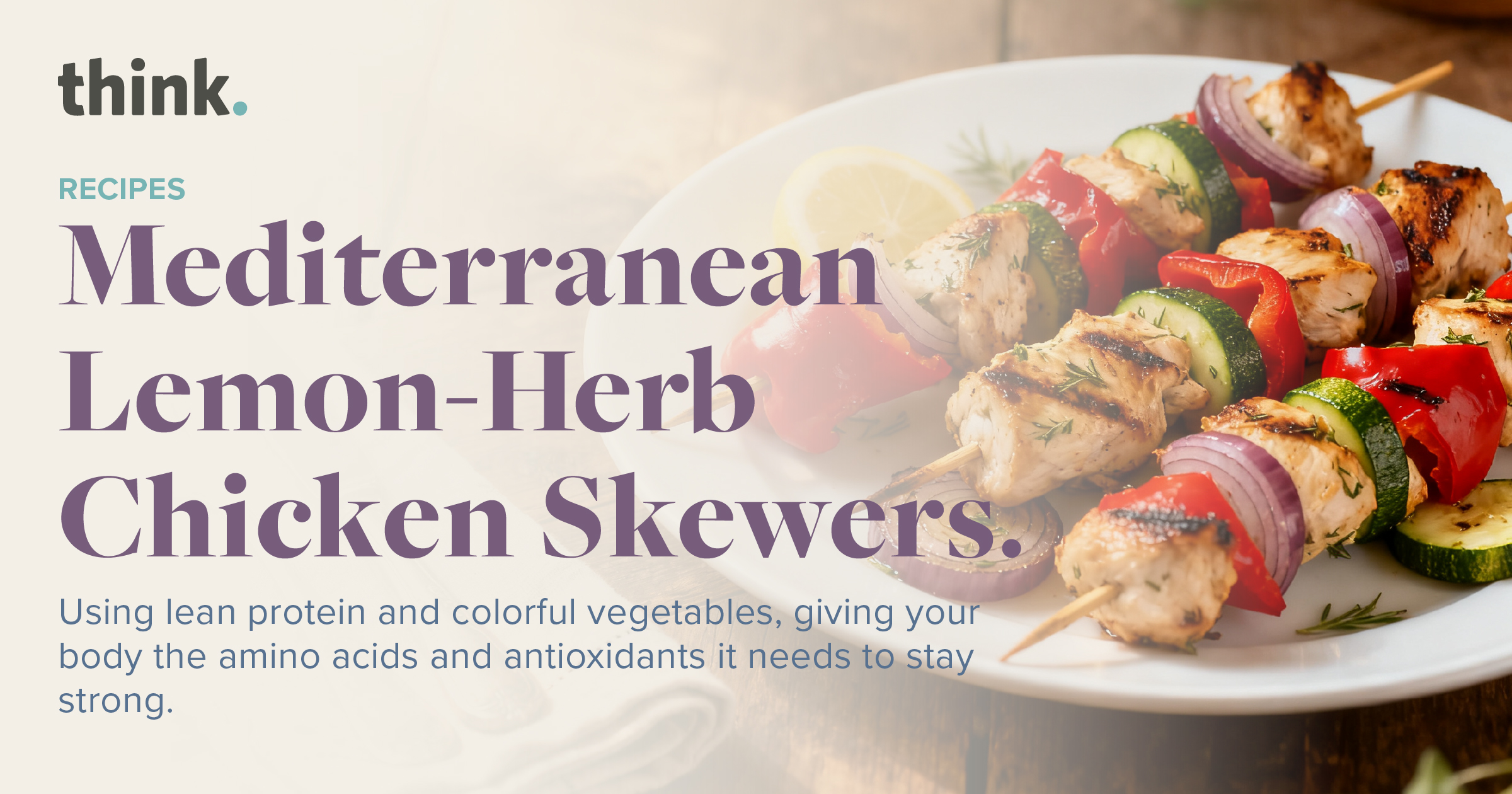
Mediterranean Lemon-Herb Chicken Skewers.

Plate of grilled chicken skewers with red onions, zucchini, and red peppers. Text reads: Mediterranean Lemon-Herb Chicken Skewers. Includes a description about lean protein and antioxidants.

With March bringing warmer weather, grilling is an easy way to make healthy meals that help you feel your best. Our Mediterranean-style skewers use lean protein and colorful vegetables, giving your body the amino acids and antioxidants it needs to stay strong. Using fresh herbs and olive oil adds flavor and supports heart health, all without making things complicated.

Making this recipe is a simple way to take care of your health. Every ingredient is picked to support your whole body, from the protein in the chicken to the vitamins in the peppers and onions. Whether you just finished a session with our Physical Therapy team or are relaxing outside in Nebraska, these skewers make it easy to enjoy a balanced and satisfying meal.

Prep Time: 
20 minutes
30 minutes for marinating
Cook Time: 
12 minutes
Total Time: 
62 minutes

Serving Size: 4 servings


Ingredients

  • 1.5 lbs Boneless, skinless chicken breasts, cut into 1-inch cubes
  • 2 Large bell peppers (red and green), cut into 1-inch pieces
  • 1 Large red onion, cut into 1-inch wedges
  • 1 Large zucchini, sliced into half-moons
  • 1/4 cup Extra virgin olive oil
  • 3 tablespoons Fresh lemon juice
  • 3 cloves Garlic, minced
  • 1 tablespoon Fresh oregano, chopped (or 1 teaspoon dried)
  • 1 teaspoon Smoked paprika
  • Salt and black pepper to taste
  • Wooden or metal skewers (soak wooden skewers in water for 20 minutes prior to use)

Cooking Steps

Step 1: Prepare the Marinade

In a medium glass bowl, whisk together the olive oil, lemon juice, minced garlic, oregano, smoked paprika, salt, and pepper. This combination provides a heart-healthy base that tenderizes the protein naturally.

Step 2: Marinate the Chicken

Add the cubed chicken to the bowl, ensuring each piece is thoroughly coated. Cover and refrigerate for at least 30 minutes. This proactive step allows the flavors to penetrate the meat, ensuring a high-quality result without the need for heavy, processed sauces.

Step 3: Assemble the Skewers

Thread the marinated chicken alternately with the bell peppers, red onion, and zucchini onto the skewers. Aim for a colorful variety on each skewer to ensure a balanced mix of vitamins and minerals in every serving.

Step 4: Preheat the Grill

Preheat your outdoor grill to medium-high heat (approximately 375°F to 400°F). Lightly oil the grates to prevent sticking.

Step 5: Grill to perfection

Place the skewers on the grill and cook for 10–12 minutes, turning them occasionally. The chicken should reach an internal temperature of 165°F and the vegetables should be tender with a slight char, preserving their nutritional integrity.

Step 6: Rest and Serve

 Remove the skewers from the grill and let them rest for 3–5 minutes. This allows the juices to redistribute, ensuring the protein remains tender. Serve alongside a fresh green salad or whole-grain pita for a complete, integrated meal.

Zesty Blackened Fish Tacos with Avocado Crema

A plate of blackened fish tacos topped with avocado crema, shredded purple cabbage, and served with lime wedges. The text promotes a recipe for Blackened Fish Tacos with Avocado Crema and wellness tips.

With March here, it’s a great time to pick meals that offer high-quality protein without being complicated. Blackened Fish Tacos are a tasty, nutrient-packed choice. They give you lean protein and healthy fats that support your heart and brain. Using fresh, simple ingredients, you get a meal that feels light but still fills you up.

Also, our Blackened Fish Taco with Avocado Crema recipe is a great option if you’re observing Lent. White fish is a healthy alternative to red meat and still provides the nutrients your body needs. With a bright avocado sauce, these tacos show that eating well can be simple and full of flavor.

Prep Time:
15 minutes
Cook Time:
10 minutes
Total Time:
25 minutes

Serving Size: 4 servings (approx. 2 tacos per person)


Ingredients

For the Fish:

  • 1.5 lbs firm white fish (such as Tilapia, Cod, or Mahi Mahi)
  • 2 tablespoons olive oil
  • 2 tablespoons blackened seasoning (or a mix of smoked paprika, garlic powder, onion powder, and black pepper)
  • 8–10 small corn or flour tortillas

For the Creamy Avocado Sauce:

  • 1 large ripe avocado, pitted and peeled
  • ¼ cup Greek yogurt (a high-protein substitute for sour cream)
  • ¼ cup fresh cilantro, chopped
  • 1 clove garlic, minced
  • Juice of 1 lime
  • Salt to taste

Optional Toppings:

  • Shredded cabbage or slaw mix
  • Thinly sliced radishes
  • Fresh pico de gallo or salsa

Cook Steps

  1. Prepare the Sauce: In a blender or food processor, combine the avocado, Greek yogurt, cilantro, garlic, and lime juice. Blend until smooth and creamy. Set aside.
  2. Season the Fish: Pat the fish fillets dry with a paper towel. Brush both sides with olive oil and coat generously with the blackened seasoning.
  3. Sear the Fish: Heat a large non-stick skillet over medium-high heat. Place the fish in the pan and cook for 3–4 minutes per side, or until the fish is opaque and flakes easily with a fork.
  4. Warm the Tortillas: Briefly warm the tortillas in a separate dry skillet or microwave to make them pliable.
  5. Assemble: Flake the cooked fish into large pieces. Layer the fish onto the tortillas, top with shredded cabbage, and drizzle generously with the creamy avocado sauce.

Tips for Success

  • Sustained Energy: Use corn tortillas to add a steady source of fiber to your meal while keeping it gluten-free.
  • Efficient Cleanup: The avocado sauce can be made a few hours in advance. Keep it in an airtight container with the avocado pit to prevent browning.
  • Proactive Prep: If you are managing a busy schedule, the blackened seasoning can be mixed in bulk and stored in your pantry for quick future meals.

Avocado Toast with Fried Egg

A plate with avocado toast topped with a fried egg and cherry tomatoes sits on a table. Text over the image reads: Avocado Toast with Fried Egg..

A delicious and nutritious heart healthy breakfast option to jumpstart your day.

Avocado toast has become a breakfast staple for good reason. It’s simple, delicious, and packed with heart-healthy fats and fiber. Our avocado toast recipe, made with creamy avocado, whole-grain bread, and a variety of nutritious toppings, is satisfying and offers numerous health benefits.

Avocados are a nutrient-dense fruit known for their high content of monounsaturated fats. These fats are heart-healthy and can help lower bad cholesterol levels and reduce the risk of heart disease. Additionally, avocados are a good source of fiber, which aids in digestion, helps regulate blood sugar levels, and promotes feelings of fullness to prevent overeating.

Whole grain bread adds complex carbohydrates and additional fiber to this recipe, providing a steady source of energy and helping to keep you feeling full and satisfied throughout the morning. Top the avocado toast with fresh vegetables like tomatoes and spinach for the toast to become rich in vitamins, minerals, and antioxidants that support overall health and well-being.

The recipe is also fresh, easy, and fast, perfect for busy mornings when you need a nutritious breakfast in a hurry. With just a few simple ingredients and minimal prep time, you can have this delicious avocado toast on your table in just 10 minutes, making it a convenient option for anyone looking to start their day on a healthy note..

Prep Time
5 mins
Cook Time
10 mins
Total Time
15 mins

Servings: 2

Ingredients

  • 1 ripe avocado
  • 2 slices of whole-grain bread
  • 1 small tomato, sliced
  • Handful of fresh cilantro
  • 1 tablespoon of lemon juice or lime juice
  • Salt and pepper to taste
  • Optional toppings: thinly sliced red onion, red pepper flakes, sliced radishes, hemp seeds
  • 2 medium size eggs

Instructions

Step One: Prepare the Avocado

Cut the avocado in half, remove the pit, and scoop the flesh into a bowl. Mash the avocado with a fork until smooth but still slightly chunky.

Step Two: Toast the Bread, Fry the Egg

Heat 1–2 tsp of butter or oil in a non-stick skillet over medium-low heat. Crack the egg into the pan and cook for 3-4 minutes until the whites are set, adding a lid for the final minute to ensure even cooking. Season with salt and pepper to taste.  Toast the slices of whole grain bread until golden brown and crispy.

Step Three: Assemble the Toast

Spread the mashed avocado evenly onto each slice of toast, and place fried egg on top of slices.

Step Four: Add Toppings

Top the avocado with sliced tomato and fresh spinach leaves. If desired, add thinly sliced red onion for extra flavor.

Step Five: Season and Customize

Drizzle lemon or lime juice over the toppings to add a bright, citrusy flavor. Season the avocado toast with salt and pepper to taste. For an extra kick, sprinkle with red repper flakes, sliced radishes, or hemp seeds.

Step Six Serve and Enjoy

Serve the avocado toast immediately while the bread is still warm and crispy. Enjoy as a satisfying breakfast or snack!

This heart-healthy avocado toast is not only delicious but also provides a good source of fiber, vitamins, and minerals to start your day off right. Experiment with different toppings and seasonings to customize your avocado toast to your taste preferences.

Hearty Breakfast Burrito

A sliced breakfast burrito filled with eggs, vegetables, and cheese sits on a white plate. Text reads: Hearty Breakfast Burritos. Perfect for breakfast or a restorative dinner due to their nutrient density..

Nutrition is one of the most accessible forms of preventive medicine. For healthy habits to endure, they must remain simple, adaptable, and realistic for our busy schedules.

Our Hearty Breakfast Burrito is thoughtfully created to reinforce your foundation of Body, Mind, and Spirit. While perfect for starting the day, its nutrient density also makes it an excellent choice for a quick, restorative dinner.

It provides balanced macronutrients to avoid energy crashes. Whole-wheat tortillas paired with fiber-rich black beans deliver complex carbohydrates that release energy gradually and steadily. High-quality protein from eggs or egg whites supplies essential amino acids needed for tissue repair, metabolic function, and overall vitality. Fresh avocado contributes heart-healthy monounsaturated fats that support both cognitive clarity and cardiovascular wellness.

It’s simple, satisfying, and effective. Give it a try this month to nourish your whole-person health.

This recipe is designed for “batch cooking,” a proactive strategy that empowers you to have high-quality meals ready even on your most demanding days.

Prep Time
15 Minutes
Cook Time
15 Minutes
Total Time
30 Minutes

Servings: 4 – 6 Burritos

Ingredients

  • 6 large eggs (scrambled)
  • 1 can black beans (rinsed and drained)
  • 1 cup fresh spinach or sautéed bell peppers
  • 1/2 cup shredded low-fat cheddar or Monterey Jack cheese
  • 4–6 whole-wheat tortillas
  • Optional: Fresh salsa, avocado, or Greek yogurt (as a high-protein substitute for sour cream)

Instructions

Step One: Scramble

Softly scramble the eggs in a non-stick skillet. If you are focused on heart health, consider using a ratio of two egg whites to every one whole egg.

Step Two: Assemble

Layer the eggs, beans, cheese, and vegetables in the center of each tortilla.

Step Three: Fold

Tuck in the sides and roll tightly to ensure the filling is secure.

Step Four: Sear (Optional)

Place the folded burrito seam-side down on a hot skillet for 1 minute to create a crisp seal.

Tip

One of the greatest barriers to healthy eating is a lack of time. These burritos are “freezer-friendly.” Wrap individual burritos in parchment paper or foil and store them in a freezer-safe bag. When you are short on time, simply reheat for a meal that supports your wellness goals without the complexity of starting from scratch.

Improve your sleep quality.

An older man sleeps on a bed covered with a white comforter. Text reads: Dont skimp on your sleep. Learn more with our guide to restorative rest..

A Guide to Restorative Rest

If you find yourself dragging through the day, it might be time to look at your rest. Sleep is a fundamental pillar of health, yet more than 50 million Americans live with chronic sleep disorders. While many people attempt to manage fatigue through caffeine or lifestyle adjustments, persistent sleep issues often require a more structured approach to identify the root cause.

At think, we focus on your diagnosis to ensure you receive the most effective support. Understanding the mechanics of sleep and knowing when to consult a provider are the first steps toward better health.

The Mechanics of the Sleep Cycle

Sleep is not a static state of rest; it is an active process involving distinct stages that repeat throughout the night. A standard sleep cycle lasts approximately 90 minutes. For optimal cognitive and physical function, most adults require between seven and nine hours of sleep, allowing for four to five complete cycles.

  • Non-REM Sleep: This includes light sleep and deep, slow-wave sleep. Deep sleep is when the body repairs tissue, builds bone and muscle, and strengthens the immune system.
  • REM (Rapid Eye Movement) Sleep: This stage is associated with dreaming and memory consolidation. It is essential for emotional regulation and brain development.

Common Obstacles to Quality Sleep

A variety of medical and lifestyle factors can prevent the body from moving through these cycles efficiently. Common disorders include:

  • Insomnia: Difficulty falling or staying asleep, often linked to stress, anxiety, or poor sleep hygiene.
  • Obstructive Sleep Apnea (OSA): A condition where breathing repeatedly stops and starts during sleep.
  • Restless Leg Syndrome (RLS): An uncontrollable urge to move the legs, typically due to uncomfortable sensations.
  • Secondary Conditions: Chronic pain, menopause, diabetes, and heart failure can all disrupt the architecture of sleep.

Improving your sleeping habits

Establishing specific habits can refine sleep habits and support consistent rest. Key strategies for promoting better sleep include maintaining a regular bedtime schedule, reducing screen exposure before sleep, and avoiding heavy meals or alcohol in the hours leading up to rest.

Daily stress and busy schedules often disrupt natural rest patterns. Specifically, the use of social media and electronic devices often extends into the evening, which can disrupt necessary sleep. When sleep and wake times vary significantly, it can unbalance the circadian rhythm, the body’s internal biological clock. In many cases, poor sleep patterns are learned behaviors that can be corrected through a disciplined, regimented lifestyle.

Before pursuing medical interventions, establishing simple, consistent habits can often normalize circadian rhythms. Dr. Recker shares the following steps to improve your sleep habits:

  • Stay with a routine for when you go to bed and wake up every day. On weekends, limit your extra sleep to about an hour.
  • Reserve the hour before bed for quiet. Avoid bright artificial light from TV and computer screens. Turn off the loud music and skip intense exercise late in the day. Ensure your bedroom is quiet, dark, and cool.
  • Avoid large or heavy meals within a few hours of bedtime. A light snack can be okay, but don’t load up too much.
  • Avoid drinking alcohol close to bedtime. Alcohol can make you feel drowsy, but it interferes with the architecture of your sleep overall.
  • Consider the effect nicotine and caffeine (caffeinated sodas, coffee, tea, and chocolate) have on your body. Nicotine and caffeine are both stimulants that can impair sleep quality. Some people are not affected by caffeine later in the day, so beware of your individual response.
  • Stay physically active every day. When possible, get outside and move around during the day to reap the benefits of exercise.

When to Schedule a Sleep Study

If lifestyle changes do not resolve persistent daytime fatigue, morning headaches, or loud snoring, it may be time to consult your provider about a formal sleep study.

A sleep study is a non-invasive test that records your body’s activity during sleep. It allows clinicians to monitor heart rate, breathing, oxygen levels, and brain waves to identify specific disruptions.

How to Discuss Sleep with Your Provider

To prepare for your appointment at think, consider tracking your sleep patterns for one week. Be ready to discuss:

  1. How long it takes you to fall asleep.
  2. How many times you wake up during the night.
  3. Whether you feel rested upon waking.
  4. Any medications or supplements you currently use.

Our providers use these insights to determine if a referral to a sleep specialist or an at-home sleep test is necessary.

Comprehensive Support at Think

At Think Whole Person Healthcare, we support patients by providing clear, direct pathways to improved health. If a sleep disorder is suspected, our team collaborates to oversee your care, from initial consultation and diagnostic testing to treatment plans involving our Behavioral Health team or specialized medical interventions.

Addressing sleep issues is a proactive step in preventing long-term complications such as high blood pressure, stroke, and depression.

Mediterranean Salmon and Root Vegetables.

A plate of grilled salmon atop quinoa, served with roasted root vegetables and Brussels sprouts. Text reads: Mediterranean Salmon and Root Vegetables. Start your year with nutrient-dense breakfast..

A Nutrient-Dense Seasonal Favorite Designed for Simple Preparation.

Choosing a meal that supports your long-term wellness doesn’t have to be a complex project. Our Mediterranean Salmon and Root Vegetables dish is designed for simplicity, requiring minimal preparation while delivering a sophisticated flavor profile. By roasting the seasonal vegetables and salmon together, you minimize kitchen cleanup and allow the natural brightness of fresh lemon and garlic to enhance the ingredients. It is a straightforward, effective solution for a busy weeknight dinner that remains steady in its nutritional value.

From a health perspective, this meal is a powerhouse of nutrient density. The salmon provides a rich source of omega-3 fatty acids, which are essential for heart health and cognitive function, while the quinoa and root vegetables offer a stable supply of complex carbohydrates and fiber. This combination ensures you feel satisfied and empowered with steady energy throughout your evening. By prioritizing clean, whole ingredients like heirloom carrots and Brussels sprouts, you are supporting your body’s natural resilience through a balanced and delicious approach to preventative nutrition.

Prep Time
15 mins
Cook Time
20 mins
Total Time
35 mins

Servings: 6 – 8

Ingredients

  • Protein:
    • 4 fresh Atlantic or Sockeye salmon fillets (approx. 6oz each).
  • Base:
    • 2 cups dry quinoa or farro (cooked according to package instructions).
  • Vegetables:
    • 4 cups Brussels sprouts (halved), 
    • 2 cups heirloom carrots (sliced), and 
    • 2 large red bell peppers (chopped).
  • Flavor Profile:
    • 2 lemons (juiced and zested), 
    • 4 cloves minced garlic, 
    • cracked black pepper,
    • 3 tablespoons extra virgin olive oil.
  • Garnish: 1/4 cup fresh parsley, chopped.

Instructions

Step One: Roast the Vegetables

Preheat your oven to 200°C (400°F). On a large sheet pan, toss the Brussels sprouts, carrots, and peppers with 2 tablespoons of olive oil and cracked pepper. Spread them in a single layer and roast for 20 minutes until the edges are crisp and tender.

Step Two: Prepare the Salmon 

While the vegetables are roasting, rub each salmon fillet with minced garlic, lemon zest, and the remaining tablespoon of olive oil.

Step Three: Cook the Salmon

Move the vegetables to the sides of the pan to make space, or use a second baking sheet. Place the fillets on the pan and roast alongside the vegetables for the final 10–12 minutes. The salmon is done when it flakes easily with a fork.

Step Four: Assemble

Serve each salmon fillet over a generous bed of cooked quinoa or farro. Drizzle with a final squeeze of fresh lemon juice and a sprinkle of fresh parsley.