



Freshen up your table with sautéed pomegranate green beans.

A bowl of sautéed green beans topped with pomegranate seeds sits on a table. Overlaid text reads: Sautéed pomegranate green beans. A festive dish packed with flavor and nutrition to round out your Thanksgiving meal.

A festive dish packed with flavor and nutrition to round out your Thanksgiving meal.

You’ve just about perfected your Thanksgiving menu. Turkey, stuffing, cranberries, mashed potatoes and gravy, dinner rolls, and, of course, pumpkin pie—it’s a feast for the ages. But something’s missing. Something healthy, something green. What could it be?

We’ve got the perfect addition for you: sautéed green beans with pomegranates. This isn’t just another green bean dish—it’s a showstopper. Bursting with vibrant colors and bold flavors, this recipe adds an elegant touch to your table while packing a nutritious punch. The tender green beans pair beautifully with a tangy-sweet pomegranate reduction, fresh herbs, and the satisfying crunch of salted pistachios. It’s a dish that’s as visually stunning as it is delicious, ensuring it will stand out among the holiday classics.

And let’s not forget the health benefits. Between the antioxidants in the pomegranate seeds, the vitamins in the green beans, and the healthy fats from the pistachios, this dish is a smart way to balance the indulgence of your Thanksgiving feast. It’s the ideal complement to the hearty staples you’ve planned, making your meal both wholesome and unforgettable.

Prep Time
15 mins
Cook Time
20 hours
Total Time
35 mins

Servings: 8-10

Ingredients

  • 1 1/2 tsp. kosher salt, plus more for the cooking water
  • 2 lbs. green beans, trimmed
  • 1 cup pure pomegranate juice
  • 1 tbsp. salted butter
  • 3 tbsp. olive oil
  • 3 shallots, thinly sliced
  • 1 tbsp. grated fresh ginger
  • 1/2 cup pomegranate seeds
  • 1/2 cup chopped salted roasted pistachios
  • 1/4 cup fresh parsley, roughly chopped
  • 2 tbsp. fresh dill, roughly chopped

Instructions

Prep the Green Beans

Bring a large pot of salted water to a boil. Add the green beans and cook until crisp-tender, about 5 minutes. Immediately transfer the beans to a bowl of ice water to halt cooking. Let sit for 5 minutes, then drain and pat dry.

Make the Pomegranate Reduction

In a small saucepan, bring the pomegranate juice to a boil over high heat. Cook until it reduces to a syrupy consistency, about 4 minutes. Stir in the butter until smooth and glossy. Keep warm.

Assemble and Serve

Uncover the skillet and sprinkle half of the pomegranate seeds, pistachios, parsley, and dill over the green beans. Toss to combine. Transfer to a serving dish, drizzle with the warm pomegranate reduction, and garnish with the remaining seeds, pistachios, parsley, and dill.

Tips

  • Streamline your prep: Trim green beans ahead of time and store them in the fridge for up to 2 days.
  • Add a twist: Swap pistachios for toasted almonds or hazelnuts, or add mandarin oranges or a touch of crumbled goat cheese for a different flavor profile. 
  • Boost the flavor: Mix in a pinch of ground nutmeg or cinnamon to the pomegranate reduction for a hint of holiday warmth.

Elevate your holiday spread with this simple yet stunning green bean dish. The vibrant flavors, textures, and colors will not only leave your guests impressed but also asking for the recipe. It’s a side dish that feels celebratory yet grounded in good nutrition—perfect for the season of gratitude.

So why not try something new this Thanksgiving? These sautéed pomegranate green beans are easy to prepare, packed with goodness, and guaranteed to be a hit at your table. Whether you’re hosting a large gathering or an intimate family dinner, this recipe is the perfect addition to make your holiday meal feel complete. Enjoy a dish that brings together the best of the season—fresh, flavorful, and absolutely festive.

New Mammography Machine Boosts Patient Convenience

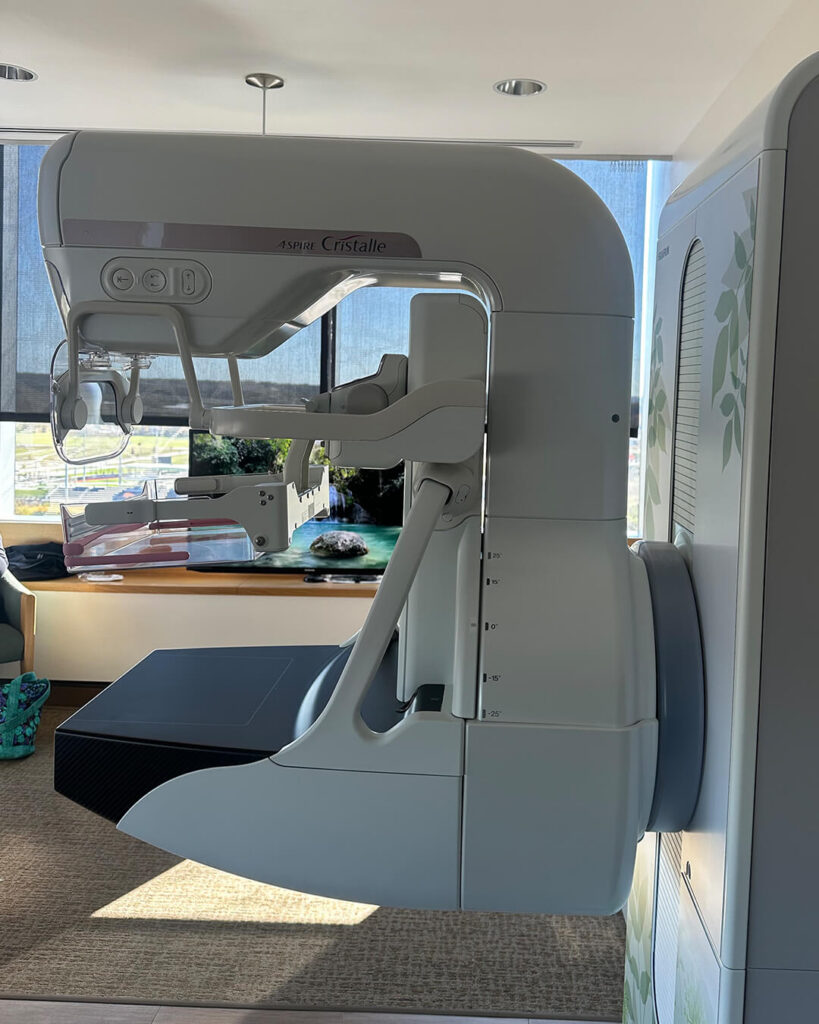
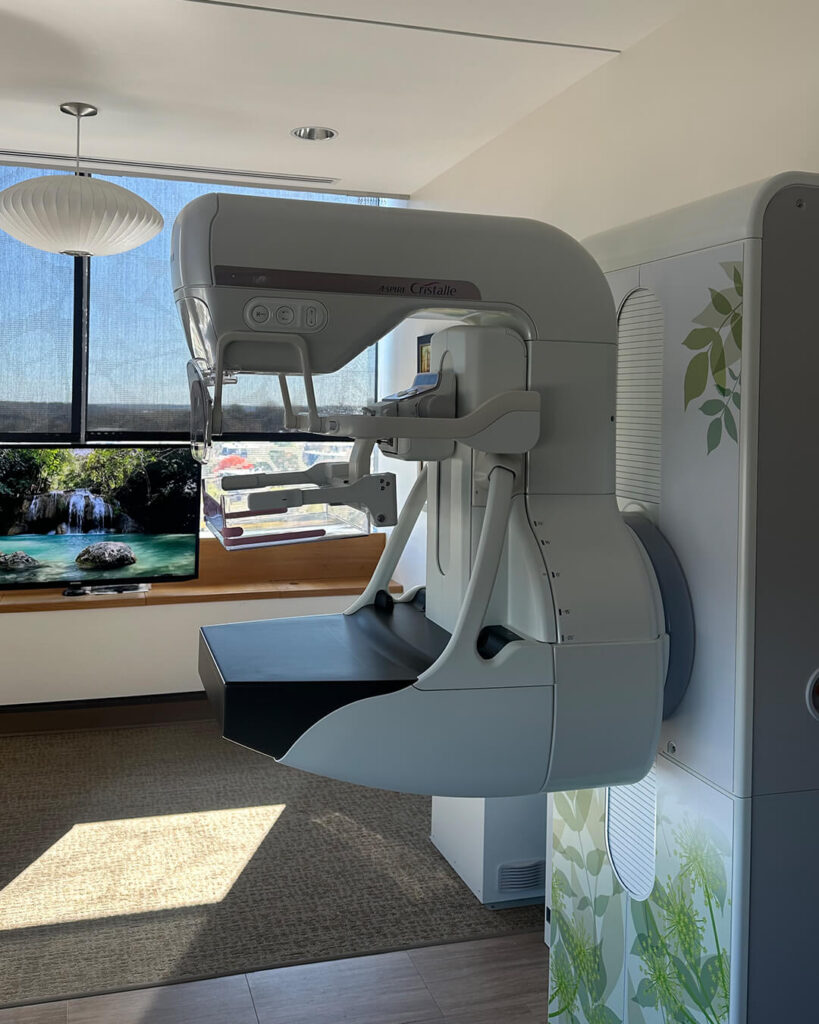
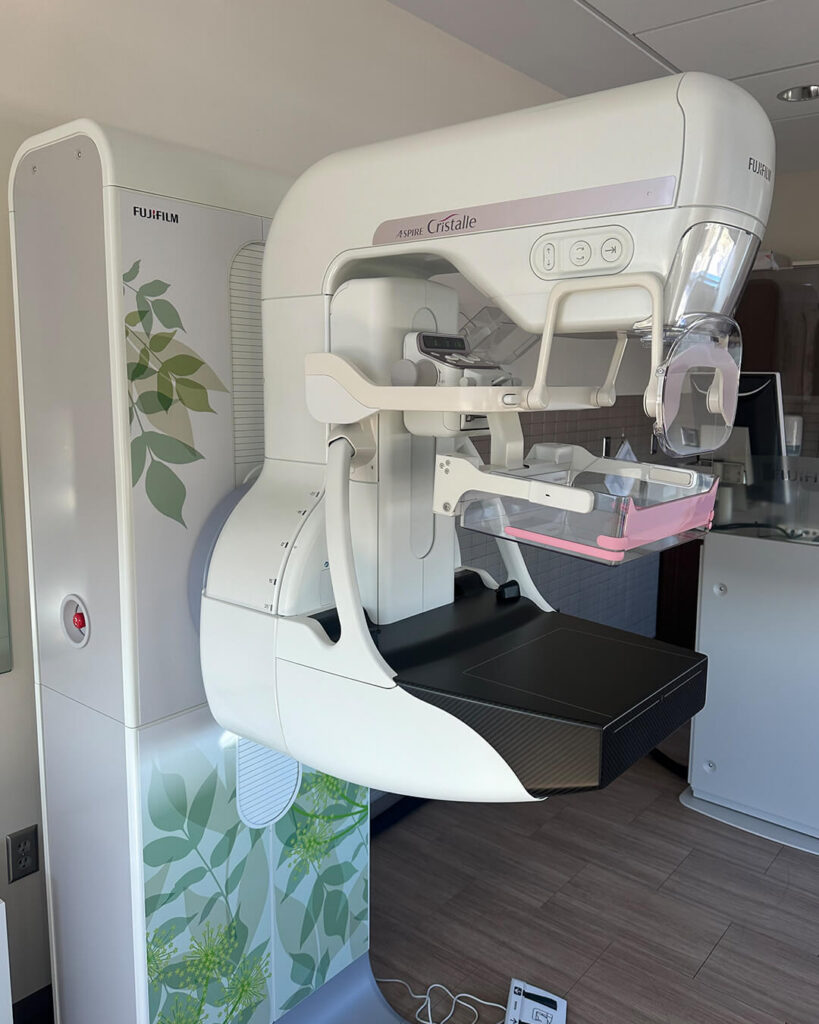
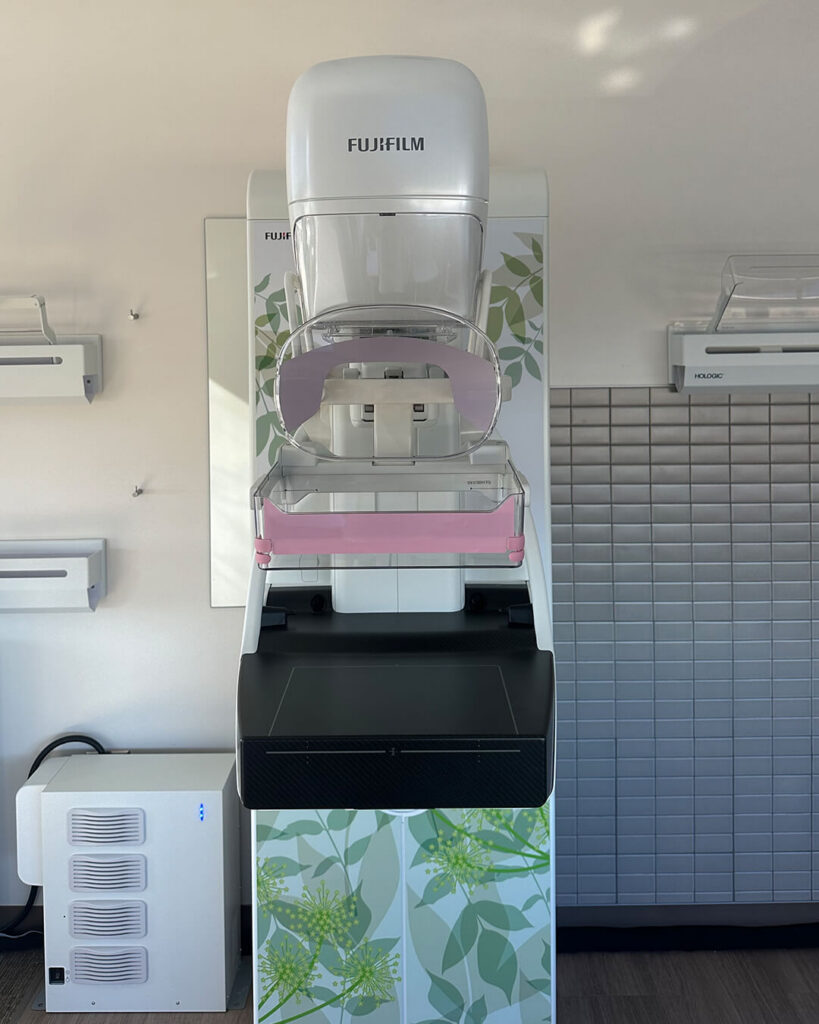
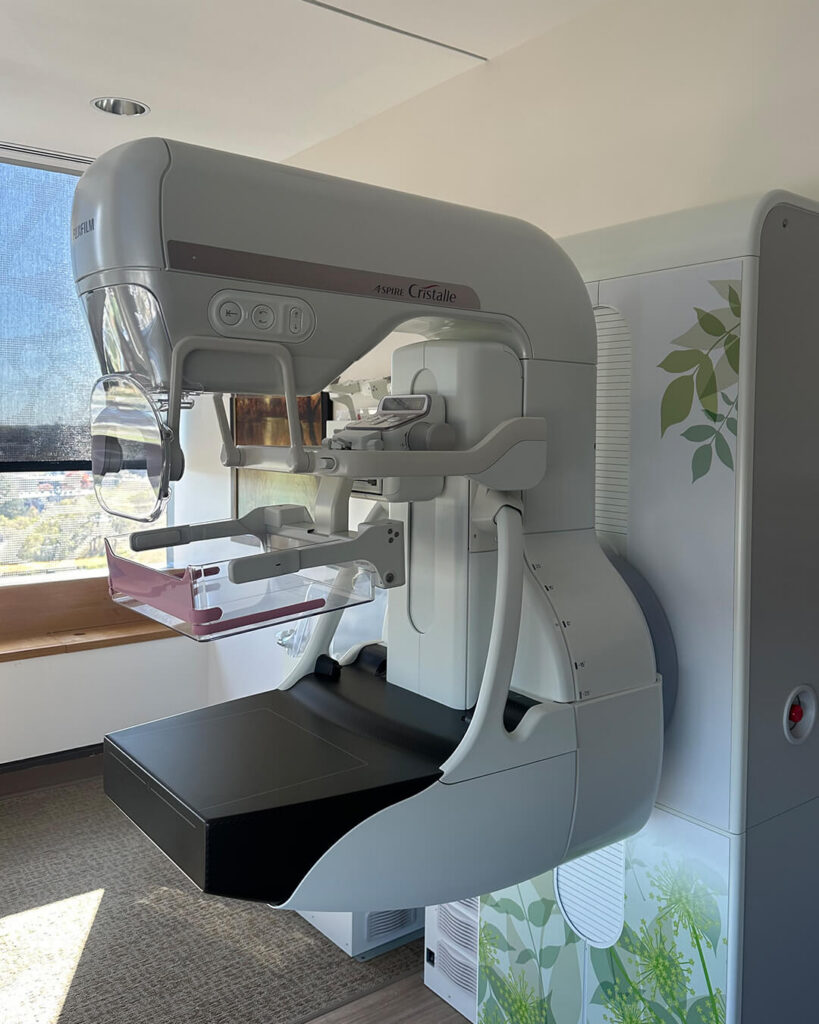
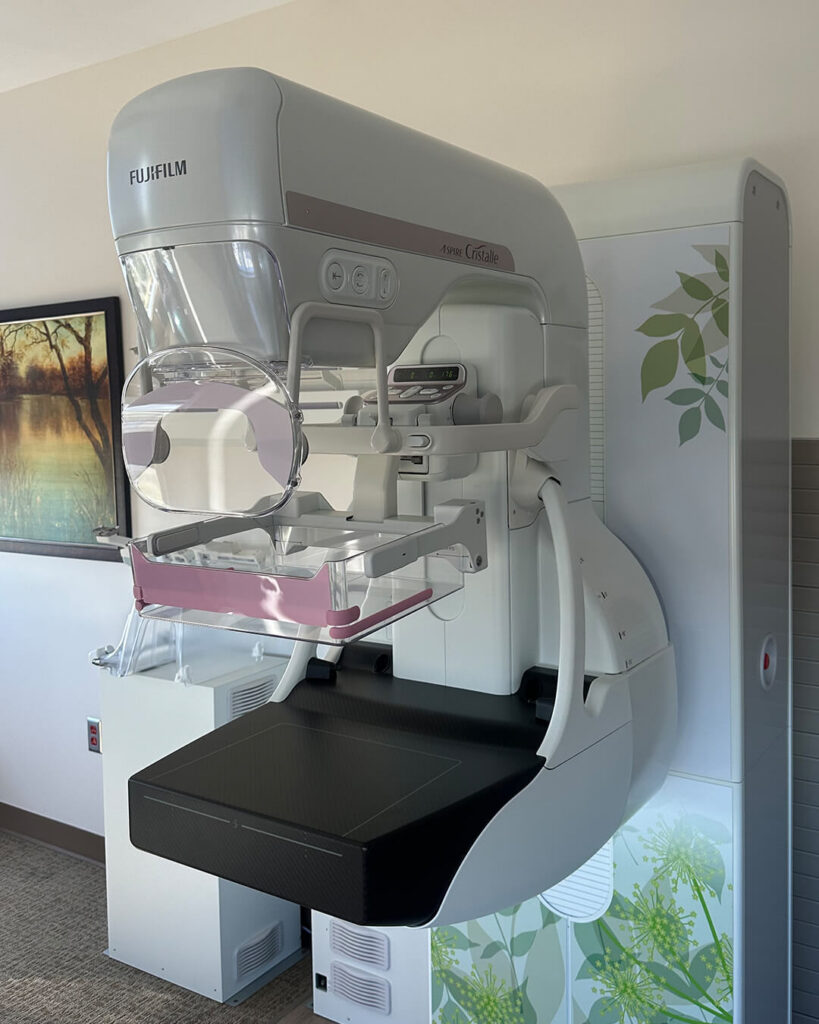
A mammography machine is displayed in a bright medical room with text overlay: “New Mammography Machine Boosts Patient Convenience” and information about improved, convenient patient care at think.

We’re excited to share that an additional, advanced mammography machine has been installed at think, strengthening our commitment to delivering fast, accurate, and convenient care for our patients. This upgrade allows us to further enhance our mammography services, with training for our technologists now underway.

During this transition, our current mammography machine remains fully operational, ensuring no interruptions in patient screenings. We want to reassure our patients that they can continue to book screenings as usual, knowing that both machines will soon be working side by side to provide even more flexible scheduling options.

By early December, we anticipate both mammography rooms will be fully up and running, making mammograms at think more accessible than ever. Our commitment to comprehensive, patient-centered radiology services remains strong, and we’re delighted to be enhancing this essential service for our community. 

Due for your mammogram? Give us a call to schedule at 402.506.9049.

High blood pressure is known as the “silent killer” – and here’s why.

An older woman with short gray hair and glasses smiles while using a tablet at a table. Large text reads: High Blood Pressure: The Silent Killer. Learn how high blood pressure impacts your health today.

Learn how high blood pressure impacts your health today.

Imagine going through your day feeling perfectly healthy, unaware that something could be silently affecting your well-being. High blood pressure, often called the “silent killer,” doesn’t always show obvious signs, but it can quietly increase your risk for serious conditions like heart disease, stroke, and kidney damage. Many people live with high blood pressure without even realizing it, making it easy to overlook until it causes lasting harm.

The trouble with high blood pressure is that it doesn’t always come with clear symptoms. It slowly places more strain on your heart and blood vessels, gradually affecting your health in ways you might not notice right away. That’s why it’s so important to stay proactive and check in on your health regularly, even when you feel fine. At think, we are committed to helping you understand and manage your blood pressure with a personalized, whole-person approach to care. Read on to understand how high blood pressure can impact your health and how you can take control of it.

What is High Blood Pressure?

High blood pressure, also known as hypertension, occurs when the force exerted by circulating blood on the walls of blood vessels consistently remains elevated. This condition forces the heart to work harder than normal to pump blood through the body, which over time can lead to severe complications like heart attack, stroke, kidney damage, and vision loss. High blood pressure rarely presents obvious symptoms until significant damage has already been done to the cardiovascular system.

Blood pressure is measured using two numbers, both of which are vital for understanding cardiovascular health. These measurements are called systolic and diastolic pressures:

Systolic Pressure (the upper number): This measures the pressure in your arteries when your heart beats, actively pushing blood out into the arteries. Systolic pressure is the higher of the two numbers in a blood pressure reading.

Diastolic Pressure (the lower number): This measures the pressure in the arteries between heartbeats when the heart is at rest and refilling with blood. Diastolic pressure represents the baseline pressure in the circulatory system.

Together, these two numbers give a complete picture of how well the cardiovascular system is functioning. According to the American Heart Association, blood pressure is categorized as follows:

Blood Pressure CategorySystolic (mm Hg)Diastolic (mm Hg)
NormalLess than 120Less than 80
Elevated120-129Less than 80
High Blood Pressure
(Hypertension) Stage 1
130-13980-89
High Blood Pressure
(Hypertension) Stage 2
140 or higher90 or higher
Hypertensive Crisis
(Emergency)
Higher than 180Higher than 120

How Hypertension Affects Your Heart and More

Unchecked high blood pressure can have a cascading effect on various organs and bodily functions. The increased force within blood vessels can damage the delicate lining of artery walls, causing tiny tears where plaque, consisting of cholesterol, fats, and other substances, can accumulate. This process, called atherosclerosis, leads to narrowing of the arteries and restricts blood flow. As arteries narrow, the heart must work even harder to circulate blood, which can result in a dangerous cycle of elevated blood pressure and further artery damage. Over time, this can increase the risk of:

  • Heart Attack If a blood vessel supplying blood to the heart becomes blocked, a heart attack may occur.
  • Stroke High blood pressure can weaken or rupture blood vessels in the brain, potentially causing a stroke.
  • Kidney Damage The kidneys, which filter waste from the blood, are particularly vulnerable to high blood pressure. Chronic hypertension can impair kidney function, potentially leading to kidney failure.
  • Vision Loss Damage to the blood vessels in the eyes from high blood pressure can lead to vision problems and even blindness.

What’s Driving Your High Blood Pressure?

There are numerous factors that can lead to high blood pressure. Understanding these causes can be the first step toward prevention and effective management.

Dehydration

Dehydration reduces the volume of blood circulating through the body, making it harder for the heart to pump effectively. This thickens the blood, raising blood pressure. Staying well-hydrated is essential for maintaining healthy blood pressure and preventing other health issues like kidney stones and headaches.

Obesity

Excess weight is a major risk factor for hypertension. When a person is overweight or obese, the heart must work harder to circulate blood throughout the body, which can lead to an increase in blood pressure. Physical inactivity, often associated with obesity, further contributes to the strain on the cardiovascular system.

Medications and Substances

Certain medications, as well as substances like caffeine, alcohol, and nicotine, can elevate blood pressure. For example, nonsteroidal anti-inflammatory drugs (NSAIDs) and decongestants are known to raise blood pressure. It’s essential to consult with healthcare providers about the potential side effects of medications.

Poor Diet

Diet plays a crucial role in regulating blood pressure. High intake of sodium, commonly found in processed and fast foods, can cause the body to retain water, increasing blood volume and blood pressure. Added sugars, especially in sugary drinks and desserts, may also raise blood pressure by contributing to weight gain and inflammation.

Chronic Stress

When we experience stress, our bodies release hormones like adrenaline and cortisol, which cause blood vessels to constrict and heart rate to increase, temporarily raising blood pressure. Over time, chronic stress can lead to sustained high blood pressure.

Lack of Physical Activity

Regular exercise helps to strengthen the heart and improve circulation. Physical inactivity, on the other hand, increases the risk of obesity and hypertension. According to the CDC, even moderate-intensity activities like walking and gardening can positively impact blood pressure levels.

Sleep Issues

Poor sleep quality and disorders like sleep apnea are closely linked to hypertension. When the body is unable to rest adequately, it may respond by raising blood pressure. Studies have shown that those with untreated sleep apnea are at a higher risk for high blood pressure.

Diabetes and High Cholesterol

Both diabetes and high cholesterol levels contribute to artery damage, which can lead to high blood pressure. Diabetes-related kidney damage also makes managing blood pressure more challenging. Regular blood sugar and cholesterol checks are important for overall cardiovascular health.

Genetic Factors

Family history can play a significant role in the risk of developing hypertension. Individuals with close relatives who have high blood pressure are more likely to experience it themselves.

Proven Strategies to Manage and Lower High Blood Pressure

The good news is that many causes of high blood pressure can be managed through lifestyle changes, medications, or a combination of both. Adopting a healthy diet is one of the most effective strategies. The DASH (Dietary Approaches to Stop Hypertension) diet emphasizes whole grains, fruits, vegetables, lean proteins, and low-fat dairy while limiting salt, added sugars, and saturated fats. Reducing sodium intake is particularly important, as the American Heart Association recommends keeping sodium consumption below 2,300 mg per day.

Regular physical activity is another key component in managing blood pressure. Engaging in at least 150 minutes of moderate aerobic exercise, such as brisk walking or cycling, each week can significantly lower blood pressure and promote heart and vascular health. Coupled with exercise, actively managing your weight is essential. Even losing a small amount of weight can have a meaningful impact on lowering blood pressure, and regular exercise combined with a nutritious diet will help achieve this while also improving overall cardiovascular health.

Managing stress is equally important in controlling blood pressure. Finding effective ways to reduce stress, such as through meditation, deep breathing exercises, yoga, or spending time outdoors, can make a big difference. Talking to a mental health professional may also help in learning how to manage stress more effectively. Additionally, limiting alcohol and caffeine intake can prevent temporary spikes in blood pressure. The CDC recommends that men have no more than two drinks per day, while women should limit themselves to one drink per day.

For some individuals, lifestyle changes alone may not be enough to manage high blood pressure. In these cases, medication may be necessary. Various medications, such as ACE inhibitors, diuretics, and beta-blockers, are available to help control blood pressure. Working with a healthcare provider to determine the most effective medication regimen for your specific needs is crucial for long-term management.

Stay Ahead of Hypertension with Regular Checks

Many people with high blood pressure may be unaware they have it because it usually presents no noticeable symptoms. The only way to detect high blood pressure is through regular monitoring. By scheduling routine blood pressure checks with your healthcare provider, you can catch hypertension early and begin treatment, reducing the risk of associated health threats. A great place to start these checks is at your annual physical with your primary care physician. 

Regular blood pressure checks are vital to tracking progress and identifying any potential issues early on. Monitoring at home is encouraged for individuals with hypertension, as it provides valuable information for healthcare providers between visits.

According to the CDC, individuals with hypertension should aim for regular check-ups with their primary care provider. During these visits, your provider can adjust medications if necessary, evaluate the effectiveness of lifestyle changes, and offer additional guidance to help you maintain healthy blood pressure.

Whole-Person Care for Managing High Blood Pressure

At think, we emphasize a collaborative, whole-person approach to managing high blood pressure. We understand that each patient is unique and work closely with you to develop an individualized care plan that may include lifestyle adjustments, medication management, and regular check-ins.

Our team of physicians, pharmacists, and other healthcare professionals works together to ensure seamless care, addressing all aspects of your health. We believe that maintaining open communication with our patients is key to long-term success in managing hypertension and other chronic conditions.

TAKE CONTROL OF YOUR BLOOD PRESSURE BY TALKING WITH YOUR THINK PROVIDER.

Controlling blood pressure is a lifelong commitment. Think is here to support you on your journey to better health. Our comprehensive services, from primary care to specialty and wellness services, ensure that all your healthcare needs are met under one roof.

To learn more about how think can support your blood pressure management, visit our website or schedule an appointment with one of our providers. With a proactive approach, a supportive team, and personalized care, you can effectively manage your blood pressure and enjoy a healthier, fuller life.

To schedule an appointment or learn more about our comprehensive healthcare services, visit our Services page online and choose your own think medical professionals by visiting our Meet Your Doctor page.

Don’t let cooler weather cool your motivation – practical tips to stay active all season long.

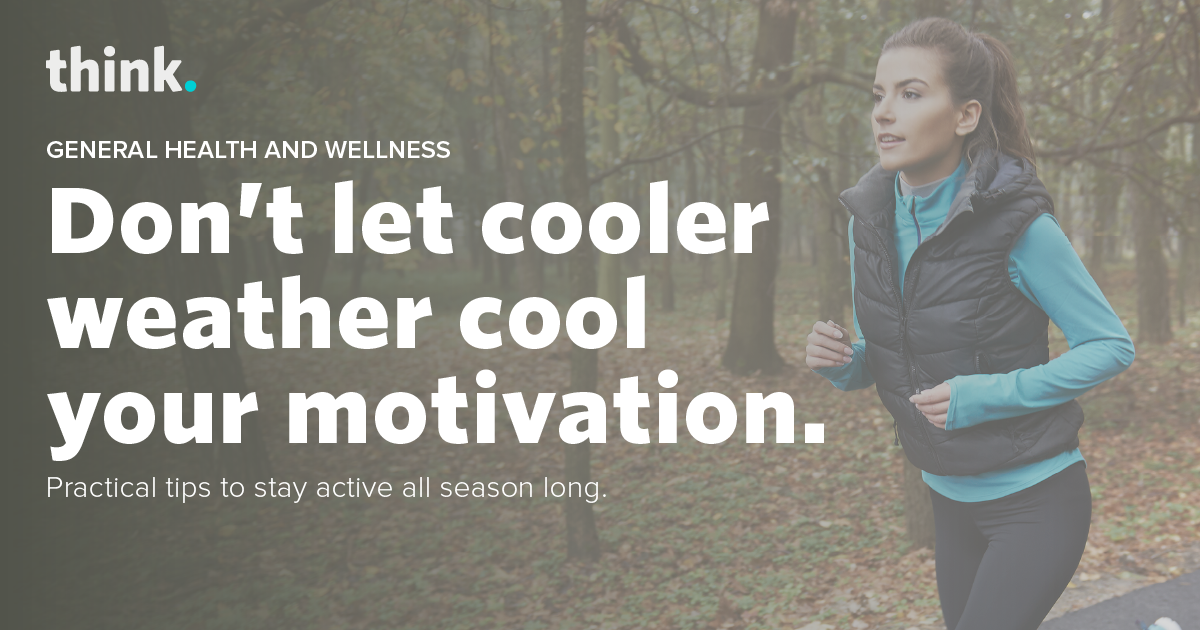
A woman in a black vest and blue long-sleeve top jogs outdoors on a leaf-covered path. Text reads: “Don’t let cooler weather cool your motivation. Practical tips to stay active all season long.”.

From indoor workouts to outdoor adventures, find your fall fitness inspiration.

October is Physical Therapy Month, a timely reminder of how essential movement is to our overall well-being—especially as fall often brings a natural slowdown with cooler temperatures and shorter days. This seasonal shift may make it tempting to stay indoors, but maintaining physical activity is crucial for both physical and mental health. In fact, the CDC and U.S. Department of Health and Human Services recommend that adults aim for at least 150 minutes of moderate-intensity physical activity each week to improve cardiovascular, respiratory, and muscular health and to boost mood and cognitive function. While that goal may sound ambitious, especially with the onset of fall, breaking up your activity into shorter sessions—like 30 minutes, five times a week—can make it more manageable.

But even knowing all the benefits of staying active, many of us face hurdles when it comes to exercise. Here, we explore common obstacles to staying active in the fall, along with tips and ideas for how to work around them. From accessible indoor exercises to clever ways to fit in movement during daily routines, this guide will help you stay motivated and make the most of autumn.

How Fall Activity Supports Immunity and Mental Health

As fall arrives and temperatures drop, it’s natural for our bodies to experience subtle shifts, from metabolism to our immune response. Engaging in regular physical activity can play an essential role in keeping these systems running optimally. Studies suggest that exercise stimulates the immune system, helping ward off common seasonal illnesses like colds and flu, while also improving the circulation of protective white blood cells that help the body fight infections.  Activity also contributes to better sleep quality, which strengthens the immune response.

Staying active can also help counteract seasonal mood changes, such as those associated with shorter days and decreased sunlight exposure. Lower exposure to sunlight can lead to drops in serotonin levels, which may influence mood and motivation. Exercise, however, has been shown to increase serotonin and endorphin levels naturally, offering a protective effect against mood changes and even seasonal affective disorder (SAD). Outdoor activities during daylight hours, like walking or hiking, can provide additional mood-boosting benefits through sunlight exposure and nature interaction, both of which have been associated with lower stress levels and improved mental clarity.

Physical activity impacts metabolic health, helping maintain energy levels by regulating blood sugar and supporting efficient digestion. This metabolic boost can be especially helpful in combating the natural tendency to feel more sluggish or sleepy as days get shorter.

Common Barriers to Staying Active in Fall

Staying active can feel particularly challenging as the weather cools. Here are a few common obstacles that tend to come up—and ways to overcome them:

Pain and Discomfort

Chronic pain or past injuries can make it daunting to maintain regular physical activity. Even if you’re dealing with limited mobility, certain exercises can help improve your strength and stamina. Low-impact exercises like swimming, cycling, or even simple resistance band workouts can be helpful for those with chronic pain or joint issues. Physical therapists, like our team at think, can guide you through safe exercises tailored to your specific needs, helping you find activities that don’t exacerbate your pain.

Time Constraints

Between work, family, and other commitments, many people struggle to find time for exercise. But staying active doesn’t always mean scheduling a full workout. Physical activity can be incorporated into your day in simple ways, such as taking the stairs, stretching while watching TV, or going for short walks during breaks. Making movement part of your daily routine can help you stay consistent, even on the busiest days.

Limited Access to Gyms or Equipment

Not having a gym membership or fancy equipment doesn’t mean you can’t exercise. Many effective workouts require little to no equipment—think bodyweight exercises, yoga, or even using household items as weights. Try filling milk jugs with water for resistance or using a sturdy chair for step-ups. Walking, dancing, and climbing stairs are also excellent ways to stay active without needing any specialized equipment.

Fun Fall Activities to Keep Moving

Fall offers a beautiful setting for exercise, and there are plenty of ways to stay active while enjoying the season’s colors and cool air. Here are a few ideas:

  1. Embrace Walking and Hiking Walking is a low-impact activity that’s easy to fit into any day. If you have a park or trail nearby, fall is the perfect time for a walk or hike. Consider scheduling regular walks with a friend or family member to make it a social activity, too. Don’t forget to layer up and wear proper footwear to stay comfortable as temperatures drop.
  2. Bring the Outdoors In with an Indoor Bike Trainer If you enjoy cycling but find outdoor conditions challenging in colder weather, try an indoor bike trainer. These devices let you use your regular bike indoors, providing a cardio workout that’s safe from the elements. Some indoor cycling apps even let you ride virtual courses, adding a bit of scenery to your exercise routine.
  3. Join Virtual Fitness Classes From yoga to high-intensity interval training (HIIT), there are countless virtual classes available online, many of which are free or low-cost. With so many choices, you can try new types of exercise without leaving your home. Virtual classes are a great option if you prefer to work out in the comfort of your living room.
  4. Use Public Indoor Walking Spaces Many malls, schools, or large indoor venues open their doors for community walking during colder months. Indoor walking is a great option for those who want to avoid slippery or uneven outdoor terrain. Check with local community centers or nearby indoor spaces for accessible walking routes.
  5. Look into SilverSneakers Programs If you’re over 65, you may be eligible for the SilverSneakers program through Medicare, which offers free access to gym facilities. This program includes access to online classes and on-demand workouts, so you can get moving wherever you feel comfortable.

Tips for Building and Maintaining a Fall Fitness Routine

Making activity a habit is key to staying active, especially as the seasons change. Here are some ways to build a sustainable fitness routine this fall:

Schedule Your Workouts Like Appointments

One of the easiest ways to ensure you make time for physical activity is to schedule it into your calendar like any other important appointment. Even short, scheduled sessions—like a 15-minute morning stretch or a lunchtime walk—can keep you on track.

Incorporate Movement into Daily Routines

If time is tight, try adding movement to your daily tasks. Walking your dog, playing with your kids, and even doing housework can count toward your weekly activity goals. Parking farther away or choosing stairs over elevators are simple ways to add a bit more movement.

Layer Up and Stay Safe for Outdoor Workouts

Exercising outdoors in fall can be refreshing, but it’s important to dress in layers to stay warm and visible during shorter daylight hours. When walking or running, look for well-lit paths, and be mindful of fallen leaves, which can be slippery when wet. Aim to exercise during daylight for better visibility and safety.

Use a Fitness Tracker or App for Motivation

A fitness tracker or app can be a motivating tool to help you set goals, track your progress, and celebrate milestones. Many apps also offer virtual challenges, so you can connect with friends or family members and add a social element to your workouts.

Set Realistic Goals and Celebrate Small Wins

Start with achievable goals to build momentum and avoid burnout. Whether it’s walking a certain number of steps per day or completing three workouts a week, celebrate each small success to stay motivated and acknowledge your progress.

Partner with a Physical Therapist

If you’re dealing with pain or recovering from an injury, a physical therapist can help you create a safe, effective exercise plan. They can guide you through exercises tailored to your needs, reducing the risk of injury and helping you stay consistent.

Staying Motivated All Season Long

Fall can be a busy time, but don’t let that be an excuse to skip out on physical activity. Staying active is one of the best ways to support your health, manage stress, and enjoy the seasonal changes. Make a plan, start small, and find activities that you enjoy—whether it’s a brisk walk, an indoor cycling session, or a virtual yoga class.

By overcoming common barriers and finding ways to move that suit your lifestyle, you can make physical activity a consistent part of your life—no matter the season. And if you need personalized guidance, our physical therapy team at Think Whole Person Healthcare is here to support you on your journey to better health.

DISCOVER YOUR BEST PATH TO STAYING ACTIVE WITH OUR PHYSICAL THERAPY TEAM.

This fall, take advantage of the opportunity to consult with our think physical therapy experts to find out what your body needs to stay strong, flexible, and balanced. A seasonal shift doesn’t have to mean a decrease in activity—our team is here to help you keep moving comfortably and safely.

Think Whole Person physical therapists collaborate closely with your doctor and other providers, focusing on reducing pain, enhancing mobility, and supporting faster recovery.
For immediate support with injuries or acute issues, our walk-in clinic is open to everyone, even if you’re new to think or don’t yet have a primary care provider. Explore our whole-person healthcare services and meet our dedicated providers on our website. We’re here to help you move forward with confidence!

Early detection is your best defense against breast cancer.

Four women wearing pink ribbons stand together with arms crossed. Text reads: Early detection saves lives. Make mammograms and education a priority this Breast Cancer Awareness Month..

Make mammograms and education a priority this Breast Cancer Awareness Month.

October is Breast Cancer Awareness Month, a vital time to raise awareness about this prevalent disease and emphasize the importance of early detection through regular mammograms. In today’s fast-paced world, it’s easy for important health screenings like mammograms to fall by the wayside. However, prioritizing breast health is crucial for early detection and successful treatment of breast cancer.

Breast cancer remains the second leading cause of cancer-related deaths in women. According to the Centers for Disease Control and Prevention (CDC), breast cancer is the most common cancer among women in the United States. Approximately 1 in 8 women will develop invasive breast cancer during their lifetime. According to the American Cancer Society, over 313,000 new cases of invasive breast cancer and about 42,250 women and 530 men will experience breast cancer-related deaths in the U.S. in 2024. Despite these daunting statistics, there is reason for hope. Increased awareness, advances in screening, and improved treatments have resulted in a 44% decline in breast cancer mortality rates since the late 1980s.

Early detection plays a significant role in these positive trends. Studies show that when breast cancer is detected early, at a localized stage, the five-year survival rate is 99%. This highlights the life-saving potential of routine mammograms, which can detect abnormalities in breast tissue before symptoms appear, giving women a better chance of successful treatment and survival.

Understanding Breast Cancer

Breast cancer is a group of diseases characterized by uncontrolled cell division within breast tissue, typically resulting in a lump or mass. Early stages often present no symptoms, highlighting the key role of screening mammograms in early detection when tumors are smaller and easier to treat.

Common signs of breast cancer include:

  • A painless lump
  • Swelling or thickening of breast tissue
  • Dimpling or redness of breast skin
  • Nipple changes, including discharge, retraction, or scaly skin

Know Your Risk to Take Control of Your Breast Health

Several factors can increase a woman’s risk of developing breast cancer. These include a personal or family history of cancer, particularly breast or ovarian cancer; early menstrual cycle or delayed childbearing/never giving birth; hormone replacement therapy; Ashkenazi Jewish heritage; and age, as women’s risk increases with age.

Breast Cancer in Men

While less common, breast cancer can occur in men. They should be aware of potential symptoms such as breast tissue enlargement on one side or changes in skin or nipples. A strong family history or genetic mutations, like the BRCA mutation, warrant self-exams and regular checkups with a healthcare provider.

Understanding Mammograms

Mammograms, an essential tool for early breast cancer detection, have undergone significant advancements since their inception in 1913 when German surgeon Albert Salomon began studying mastectomy patients. Throughout the 20th century, technological breakthroughs, such as stereoscopic techniques and digital imaging, have improved the accuracy and efficiency of mammograms. In 2011, a major milestone was achieved with the FDA approval of 3D mammography, which offers more detailed images and can detect smaller cancers. These advancements have played a vital role in enhancing the effectiveness of mammograms in breast cancer screening.

The Impact of Mammograms

Mammograms have played an essential role in reducing breast cancer mortality rates. Studies have shown that regular mammograms can decrease mortality by nearly 40% since the 1990s.

The Importance of Regular Mammograms

While a single mammogram isn’t foolproof, yearly screenings become increasingly valuable over time. These comparisons allow healthcare providers to identify changes in breast tissue that might go unnoticed in a single exam.

When to Start Mammograms

Generally, major cancer organizations recommend starting annual mammograms between the ages of 40 and 50. For women with a higher risk of breast cancer, discussions about starting mammograms at 35 may be necessary. There’s ongoing debate about starting high-risk women as early as 30.

Frequency of Mammograms

Some women may assume mammograms are no longer needed after a certain age or menopause. However, breast cancer risk continues to increase with age. For average-risk women aged 55 to 74, the option of biennial mammograms might be suitable. Ultimately, the frequency depends on individual risk factors and health history.

Recommendations for Routine Mammograms

Women ages 40 to 45 have the option to start annual breast cancer screenings. For those aged 45 to 54, annual mammograms are recommended. Women 55 and older can consider biennial mammograms unless advised otherwise by their physician.

In addition to regular mammograms, monthly self-examinations can contribute to breast health awareness. Women of all ages should perform visual exams and feel their breasts for any lumps, distortions, or swelling.

What to Expect During a Mammogram

Preparing for your mammogram involves arriving on time and avoiding products like deodorant, lotion, or perfume on the day of the exam.

During the procedure, the technologist will position your breasts for imaging. This process may involve some discomfort, but it’s important to communicate with the technologist if you experience any pain or discomfort.

After the mammogram, the images will be reviewed by a radiologist. If any abnormalities are detected, you may be contacted for further testing or follow-up appointments.

Additional Considerations

For women with a strong family history of breast or ovarian cancer, genetic testing may be recommended to assess their risk. Maintaining a healthy lifestyle, including a balanced diet, regular exercise, and limiting alcohol consumption, can also contribute to breast health.

While mammograms are an essential tool for breast cancer early detection, some women may experience discomfort or fear false results. However, medications can alleviate discomfort, and the potential life-saving benefits far outweigh any temporary concerns. It’s important to remember that mammograms, while not perfect, remain the most effective method for early detection.

Early Detection is the Key to Beating Breast Cancer

Early detection saves lives. This Breast Cancer Awareness Month, make your health a priority by scheduling a mammogram. Regular screenings are the most effective way to catch breast cancer in its earliest stages, giving you the best chance for successful treatment and recovery. With advances in technology and a better understanding of breast health, we have more tools than ever to fight this disease. Take action today—schedule your mammogram, encourage your loved ones to do the same, and remember that early detection can make all the difference. Your health is worth it.

THINK IS YOUR PARTNER FROM BREAST CANCER DETECTION THROUGH TREATMENT AND BEYOND.

Think offers state-of-the-art 3D mammography technology for both routine screenings and diagnostic testing. This technology provides real-time feedback for on-site radiologists, ensuring a seamless process. Our advanced 3D mammograms accommodate both regular breast tissue and implants, ensuring precise results. At think, our providers stay informed on the latest research and guidelines, working closely with medical experts to offer the best care for your breast health. What you were told about breast care 10 years ago may not be the same today, so staying up to date with your provider is essential to receiving personalized, current recommendations.

If we do find breast cancer in a patient, our think medical team will ensure there is seamless and convenient care. Think partners with the Nebraska Cancer Specialists who have a clinic in our building so the cancer specialists can work closely with our Primary Care physicians. We have excellent healthcare options in Omaha for both oncologists and surgeons. Think works closely with all of the major hospital groups in the area. We want to do what’s best for each individual patient.

Stay current with your breast health by scheduling a consultation or mammogram today. Think is devoted to treating the whole person while delivering the highest quality at the lowest cost possible. To schedule a mammogram or book a provider appointment, call 402.506.9000, or schedule an appointment online. Think Whole Person Healthcare, conveniently located in central Omaha, can provide same-day appointments.  

Remember: Early detection is key to successful treatment. Schedule your mammogram today.

Uncovering Accurate Body Composition with DEXA Scans

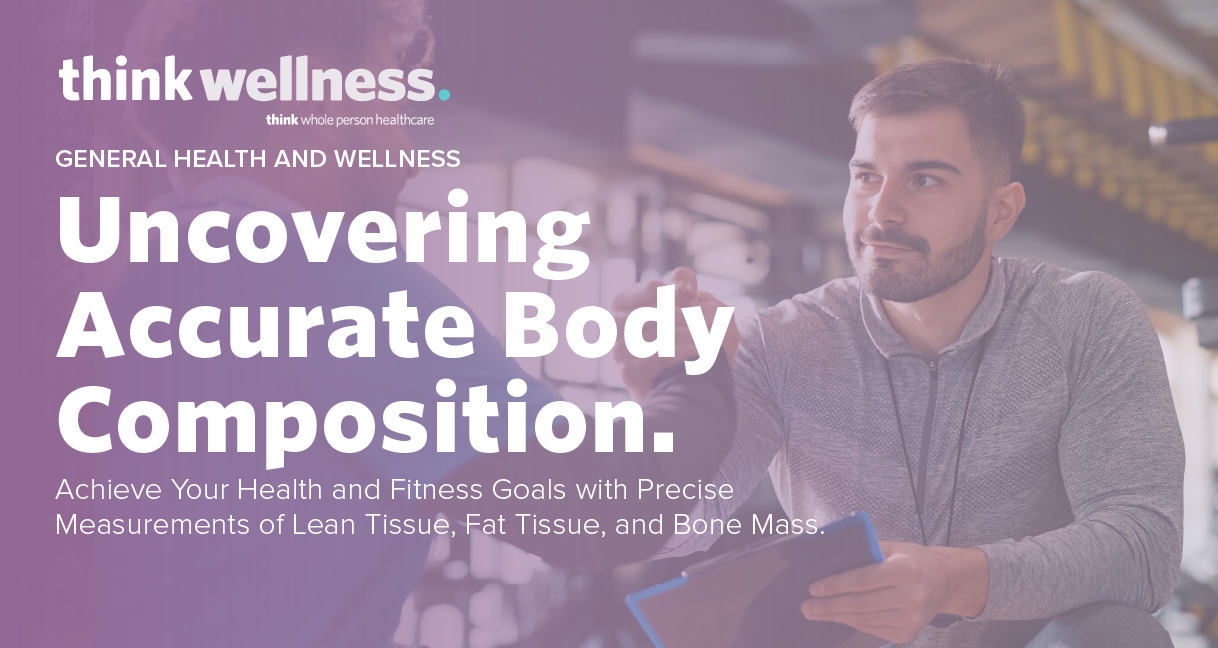
A man with a beard in a gym setting looks focused while interacting with digital equipment. The text promotes uncovering accurate body composition for health and fitness goals, under the think wellness brand.

Achieve Your Health and Fitness Goals with Precise Measurements of Lean Tissue, Fat Tissue, and Bone Mass

At Think Whole Person Healthcare, we believe that understanding your body composition is a crucial step toward achieving your health and fitness goals. Our state-of-the-art DEXA Body Composition scan offers a detailed and accurate measurement of your body composition, including lean tissue, fat tissue, and bone mass. This comprehensive scan provides valuable insights that can help you plan more effective exercise routines, create efficient nutrition plans, and monitor changes in your body over time.

Why Measure Body Composition?

1. Baseline Assessment Accurate body composition measurements are essential for setting a foundation. With precise data on your body’s lean and fat mass, you can tailor exercise programs and nutrition plans to meet your specific needs. Whether you are an athlete fine-tuning your training, a fitness enthusiast tracking progress, or someone just starting your fitness journey, a baseline assessment sets you up for success.

2. Accurate Lean and Fat Mass Assessment Understanding the distribution of lean and fat mass is vital for identifying potential health risks. Extremely high or low levels of body fat, as well as excessive intra-abdominal fat, can pose significant health hazards. A DEXA scan provides an accurate assessment, helping you design appropriate nutrition and exercise plans to achieve and maintain an ideal body composition.

3. Monitor Over Time Regular DEXA Body Composition scans allow you to track changes in your body over time. By having quarterly scans, you can assess the effectiveness of your nutrition and exercise interventions. This helps ensure that you are losing fat, not muscle, and gaining the lean mass necessary for a healthy body. Continuous monitoring keeps you informed and motivated in your fitness journey.

What’s Included in the DEXA Scan’s Results?

A DEXA scan provides a detailed report on various aspects of your body composition, including:

  • Total body fat percentage (%)
  • Total body muscle (lean) mass (g)
  • Total body fat mass (g)
  • Muscle and fat mass (g) of each leg, each arm, trunk, abdomen, and head
  • Total bone mineral density (non-diagnostic)
  • Android/Gynoid fat distribution

Is DEXA Safe?

A DEXA scan is exceptionally safe, with no complications associated with the procedure. The radiation dose is very low, less than a day’s exposure to natural background radiation. This minimal exposure allows the technologist to sit just a few feet from you without needing a protective barrier.

How to Prepare for the DEXA Scan

To ensure accurate results and a smooth experience, follow these preparation guidelines:

  • Wear Loose-Fitting Clothing: Avoid metallic attachments such as buttons, zippers, buckles, and wired bras.
  • Avoid Certain Procedures: Do not schedule your DEXA scan within one week of having a barium x-ray, a nuclear medicine study, or an injection of x-ray dye/contrast.
  • Notify if Pregnant: Inform the radiographer if there is any possibility of pregnancy.
  • Day of the Scan: Empty your bladder, avoid heavy meals, and refrain from high-intensity physical activity.

Cost of the DEXA Scan

We offer an affordable pricing option for our DEXA Body Composition scan:

  • $99 Self Pay Cash. Use your HSA or Full FSA. (Not available for Limited FSA.)

Who is the Dexa Scan right for?

  1. Athletes Understand your muscle mass distribution and bone density to fine-tune your training program.
  2. Fitness Enthusiasts Monitor your progress and adjust your fitness routines based on accurate body composition data.
  3. Beginners Get a reliable baseline measurement to guide your fitness and nutrition plan, ensuring you start on the right path.

Schedule Your DEXA Scan Today

Invest in your health and fitness journey with a DEXA Body Composition scan from Think Whole Person Healthcare. Our advanced scanning technology provides the accurate insights you need to achieve your goals. Call us at 402-506-9049 or visit Think Healthcare to schedule your appointment today.

Schedule your DEXA Body Composition scan and take the next step towards a healthier whole you with think. By providing precise measurements of lean tissue, fat tissue, and bone mass, our DEXA scan offers valuable insights for setting goals, monitoring progress, and making informed health decisions. Whether you’re an athlete, a fitness enthusiast, or just starting your wellness journey, our DEXA scan can help you achieve your health and fitness goals.

READY FOR YOUR DEXA BODY COMPOSITION SCAN? THINK IS YOUR PARTNER FOR HEALTHIER LIVING.

Think Whole Person Healthcare is committed to maintaining your overall well-being through comprehensive preventative care and specialized treatments. To determine if a DEXA Body Composition Scan is right for you, schedule an appointment with your think provider.

Ready for your DEXA Body Composition Scan? Consider think your go-to for accurate body composition insights. Not a think patient yet? Explore our Services page online and choose your ideal provider by visiting our Meet Your Doctor page.

Our dedicated team is here to support your health. To schedule an appointment, call us at 402.506.9049.

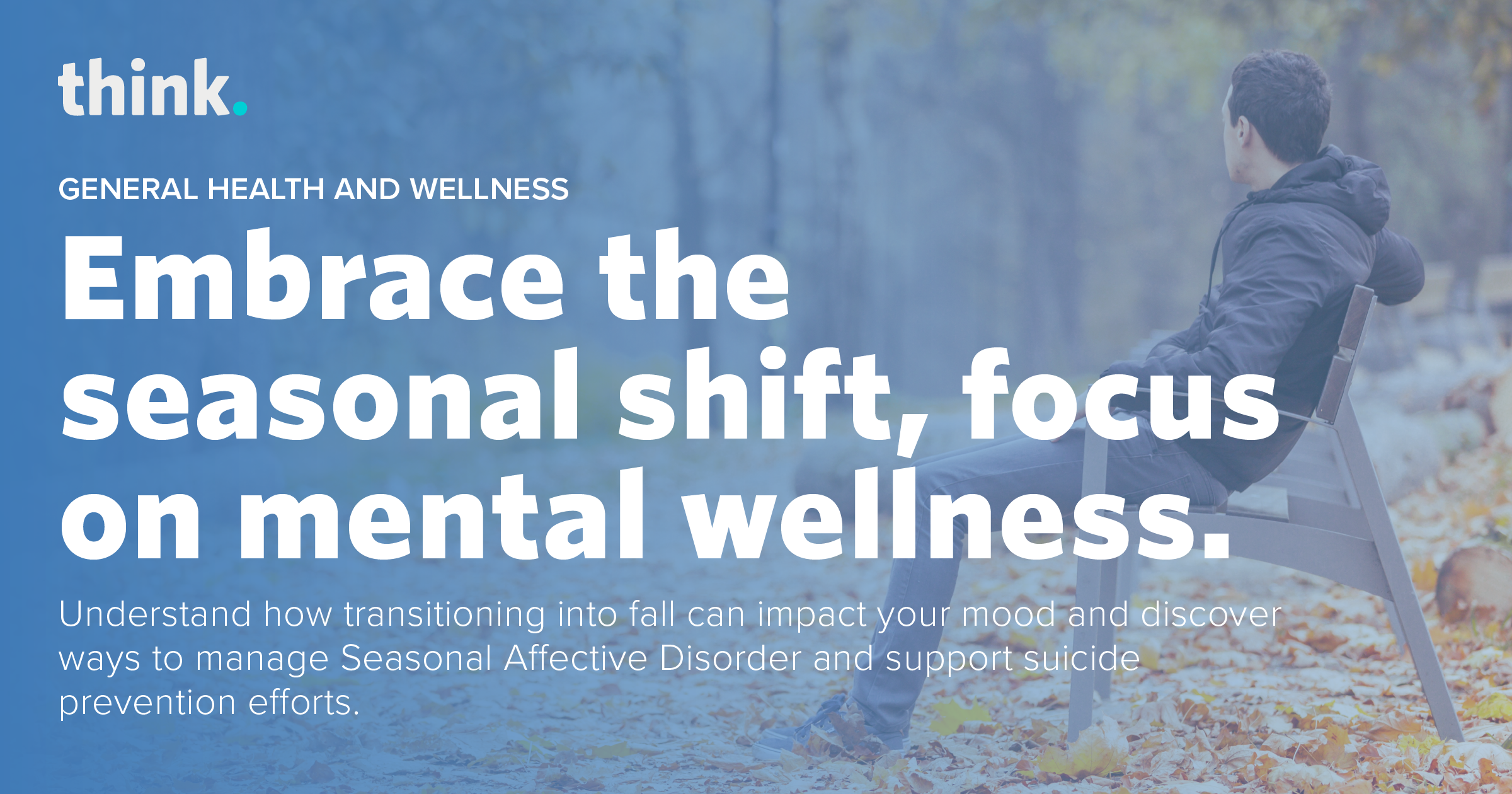
Embrace the seasonal shift with a focus on mental wellness.

A person sits alone on a park bench in autumn, looking away. Text reads: “Embrace the seasonal shift, focus on mental wellness” and encourages managing Seasonal Affective Disorder and supporting suicide prevention.

Understand how transitioning into fall can impact your mood and discover ways to manage Seasonal Affective Disorder and support suicide prevention efforts.

As the leaves begin to change and the days grow shorter, the transition from summer to fall brings more than just cooler temperatures and pumpkin-spiced everything. For many, the changing seasons can also bring a shift in mood and mental health. While autumn can be a time of reflection and renewal for some, others may find themselves struggling with feelings of sadness, fatigue, or anxiety as daylight decreases and routines change. Understanding how seasonal changes impact mental health is important for recognizing the signs of seasonal depression and taking steps to maintain your mental well-being.

The Connection Between Seasons and Mental Health

The arrival of fall marks a time of transition for both the environment and our internal states. Seasonal changes, particularly the shift from the bright, sunny days of summer to the colder, darker days of fall and winter, can influence mental health in a variety of ways. These changes affect not only our daily routines but also our biological rhythms, hormone levels, and overall mood.

How Seasonal Changes Affect the Body and Mind

With the reduction in daylight, our circadian rhythm—the internal clock that governs our sleep-wake cycle—can be disrupted. This disruption affects not only our sleep but also our mood. Sunlight plays a significant role in regulating the production of serotonin, a neurotransmitter that helps maintain mood balance. Reduced exposure to sunlight can lead to decreased serotonin levels, contributing to feelings of sadness and depression. Simultaneously, the decrease in sunlight leads to an increase in melatonin production, a hormone responsible for regulating sleep, which can result in increased fatigue and sluggishness.

Moreover, the colder weather and shorter days often limit opportunities for outdoor activities and social interactions. This reduction in activity can contribute to feelings of isolation and decreased energy levels. Maintaining healthy habits, such as regular exercise and balanced nutrition, becomes more challenging during this time, further affecting mental health.

While not everyone is affected by seasonal changes, those living in northern regions with long, dark winters may experience more pronounced effects on their mental health. Understanding these impacts can help individuals prepare and manage their mental well-being effectively.

Seasonal Affective Disorder (SAD): Recognizing and Addressing Seasonal Depression

Seasonal Affective Disorder (SAD) is a type of depression that occurs at certain times of the year, most often in the fall and winter months when there is less natural sunlight. While SAD is more commonly associated with winter, it can also occur in the summer months for some individuals. This cyclical pattern of depression is directly linked to the changing seasons and can significantly affect a person’s mental health and daily functioning.

Recognizing the Symptoms of SAD

The symptoms of SAD often begin in the late fall and early winter, as the days grow shorter, and typically resolve in the spring or early summer. Common symptoms of winter-related SAD include:

  • Persistent feelings of sadness or depression
  • Loss of interest in activities once enjoyed
  • Fatigue and low energy levels
  • Difficulty concentrating
  • Changes in sleep patterns, such as sleeping too much
  • Changes in appetite or weight, often craving carbohydrates and gaining weight
  • Feelings of hopelessness, worthlessness, or guilt
  • In severe cases, thoughts of death or suicide

In contrast, individuals who experience SAD during the summer months may notice symptoms such as difficulty sleeping, loss of appetite, weight loss, irritability, and increased anxiety.

It is important to note that SAD is not just “the winter blues” or a case of feeling down because of the weather. It is a diagnosable mental health condition that can have a serious impact on a person’s quality of life. If left untreated, SAD can lead to more severe depression or other mental health disorders.

Causes and Risk Factors for SAD

While the exact cause of SAD is not fully understood, several factors are believed to contribute to its development. As mentioned earlier, reduced exposure to sunlight during the fall and winter months can disrupt the production of serotonin and melatonin, both of which are critical for regulating mood and sleep. Additionally, individuals with a family history of depression or other mood disorders may be at a higher risk for developing SAD.

Living in geographic regions with long, dark winters or frequent overcast weather can also increase the likelihood of experiencing seasonal depression. Women are more likely than men to be diagnosed with SAD, and the condition is most commonly seen in young adults, although it can affect people of all ages.

Treatment Options for Seasonal Affective Disorder

Fortunately, several treatment options are available for individuals struggling with SAD. These treatments focus on regulating the body’s response to seasonal changes and addressing the symptoms of depression. Common treatment approaches include:

  • Light Therapy: One of the cornerstone treatments for SAD is light therapy. This approach involves using a lightbox that mimics natural sunlight, thereby helping to regulate serotonin levels and improve mood. Light therapy is most effective when used for about 20 to 30 minutes each morning. However, it’s crucial to use light therapy under the guidance of a healthcare provider, as overuse can lead to side effects such as insomnia, hyperactivity, or eye strain.
  • Cognitive Behavioral Therapy (CBT): Cognitive Behavioral Therapy (CBT) is an effective psychological treatment for SAD. CBT helps individuals identify and reframe negative thought patterns associated with depression. During therapy, patients work with a therapist to develop coping strategies and engage in activities that improve mood and motivation. CBT often involves multiple sessions throughout the winter months and can be particularly beneficial for those experiencing significant emotional and cognitive challenges related to SAD.
  • Medication Therapy: Selective Serotonin Reuptake Inhibitors (SSRIs) are commonly prescribed for managing symptoms of depression, including those associated with SAD. SSRIs work by increasing the levels of serotonin in the brain, which can help improve mood and alleviate depressive symptoms. It is essential to consult with a psychiatrist, primary care physician, or clinical pharmacist to discuss potential side effects and ensure the medication is suitable for your specific needs.
  • Vitamin Therapy: Vitamin D supplementation can be a helpful addition to managing SAD, particularly if natural sunlight exposure is limited. While it’s best to obtain vitamin D through diet and sunlight, supplements can offer additional support. Foods rich in vitamin D include dairy products, fortified foods, oily fish like salmon and tuna, and eggs. If you choose to take vitamin D supplements, it’s advisable to start them before the decrease in daylight hours and consult with your primary care physician or clinical pharmacist for personalized advice.

Practical Tips for Managing Seasonal Affective Disorder

While there is no cure for SAD, implementing various strategies can significantly improve your quality of life and help manage symptoms effectively. Here are some practical tips:

Stay Connected

Maintaining social connections can be particularly beneficial during the fall and winter months. Spending time with family and friends can provide emotional support and reduce feelings of isolation. Accept invitations to social events even if you’re not feeling your best, and communicate openly about your need for flexibility in case your symptoms fluctuate.

Get Moving

Exercise is a powerful tool for improving mood and overall well-being. Physical activity stimulates the release of endorphins, which can help counteract depressive symptoms. Start with manageable activities, such as a daily walk or using a stationary bike. As you build endurance, consider joining a gym or participating in structured exercise programs to further support your mental health.

Mind Your Diet

Diet can have a direct impact on how you feel both physically and emotionally. Be mindful of your food choices, and try to incorporate a balanced diet that supports your mental health. While it’s common to crave comfort foods during SAD, aim to enjoy these treats in moderation. Focus on incorporating foods rich in vitamin D to support your mood and overall health.

How Shifting Seasons Affect Your Mental Well-being and the Importance of Awareness

As we enter the fall season, it is important to recognize that September is Suicide Prevention Month, a time dedicated to raising awareness about suicide and providing support to those who may be struggling with suicidal thoughts or mental health challenges. The changing seasons, particularly the transition to fall and winter, can increase the risk of depression and suicidal ideation for some individuals, making this month an especially important time to focus on mental health.

Understanding the Link Between Seasonal Changes and Suicide Risk

Research has shown that individuals with mood disorders, including SAD, are at a higher risk for suicide, especially during times of significant change or stress. The onset of seasonal depression in the fall and winter months can exacerbate feelings of hopelessness or despair, making it more difficult for individuals to cope with daily life. Additionally, the isolation that often accompanies shorter days and colder weather can contribute to a sense of loneliness and disconnection from others.

While not everyone who experiences seasonal depression will have suicidal thoughts, it is essential to recognize the warning signs and offer support to those who may be struggling. Some common signs of suicidal ideation include:

  • Talking about wanting to die or expressing feelings of hopelessness
  • Withdrawing from friends, family, or activities
  • Changes in mood, such as increased irritability or sadness
  • Giving away possessions or saying goodbye to loved ones
  • Engaging in risky or self-destructive behaviors
GET IMMEDIATE HELP
If you or someone you know is in immediate distress, it is important to seek help right away. The National Suicide Prevention Lifeline provides free, confidential support 24/7 at 1-800-273-TALK (8255), and the Crisis Text Line can be reached by texting HELLO to 741741.

Taking Action for Mental Health During Suicide Prevention Month

September is Suicide Prevention Month, which is an opportunity for individuals and communities to come together and raise awareness about mental health. Whether through social media campaigns, community events, or simply reaching out to a friend or loved one, small actions can make a significant difference in someone’s life.

Here are a few ways to get involved during Suicide Prevention Month:

  • Share mental health resources and information on social media to help break the stigma around mental health.
  • Volunteer at a local mental health organization or participate in a suicide prevention walk.
  • Educate yourself about the signs of depression and suicide, and learn how to support someone who may be struggling.
  • Encourage open conversations about mental health within your community, workplace, or family.

By working together, we can help reduce the stigma around mental health and ensure that everyone has access to the support they need during difficult times.

Take Care of Your Mental Health as the Seasons Change

As fall arrives and the days grow shorter, we can all be mindful of how seasonal changes may impact our mental health. Whether you experience a mild shift in mood or struggle with more severe seasonal depression, taking proactive steps can make all the difference. Try self-care, reach out for support if needed, and remember that you are not alone in navigating the seasonal shift. Whether it’s through light therapy, cognitive behavioral therapy, or simply spending time outdoors, there are many ways to manage seasonal changes and maintain a positive outlook as the seasons change.

If you or a loved one is struggling with seasonal depression or other mental health challenges, don’t hesitate to reach out to a think provider for guidance. Mental health is just as important as physical health, and taking steps to address it can improve your overall well-being as you move into the cooler months ahead.

CONSIDER THINK YOUR PARTNER IN MENTAL WELLNESS.

If you’re facing symptoms of seasonal depression that impact your daily life, work, school, or relationships, it’s important to reach out for help. At think, starting with a consultation with one of our primary care providers can be an effective first step. Our doctors will listen to your concerns, review your symptoms, and offer a depression screening to determine the best course of action.

Depending on your needs, your primary care physician might prescribe medication, refer you to our licensed mental health professionals for cognitive behavioral therapy, or, in more severe cases, direct you to specialized care. Our team—including physicians, behavioral health therapists, psychiatrists, clinical pharmacists, and pain specialists—works collaboratively to address both the physical and emotional aspects of your health to help you thrive.
To schedule an appointment or learn more about our comprehensive healthcare services, visit our Services page online and choose your own think medical professionals by visiting our Meet Your Doctor page.
Is your pet the secret to better health?

A smiling woman in a park plays with a tall, tan dog standing on its hind legs. The text reads, Is your pet the secret to better health? Explore the science behind the positive impact of pets on whole-person health.

Explore the science behind the positive impact of pets on whole-person health.

Remember the recent news story about Portland International Airport’s Comfort Llamas? These charming llamas, donning “I love PDX” blankets, were stationed at the airport to offer emotional support to travelers grappling with the stress of travel. Their presence brought smiles and relief to many weary passengers, as seen in the joyful reactions captured in the airport’s Instagram footage shared on news feeds around the world. This unique form of comfort highlights how animals can provide a special kind of emotional support, much like the pets we have in our own homes. While there is limited research on the specific health benefits of llamas, the comforting effect of these gentle animals demonstrates the broader, well-documented impact of pets on our well-being.

For millions of people, pets are much more than companions—they’re family. Whether it’s the warm welcome after a long day or the therapeutic presence that helps soothe anxiety, pets have a significant impact on our overall health and wellness. Over 68% of U.S. households report having a pet, according to the American Pet Products Association. But beyond companionship, research has identified health benefits of having pets, from improved heart health to reduced stress and loneliness. Exploring the scientific evidence reveals the important physical, emotional, and social advantages that pets contribute to our lives. 

The Emotional Connection: Pets and Mental Health

Pets are more than just companions; they can serve as a buffer against stress and emotional turmoil. A growing body of research points to the significant mental health benefits of pet ownership. According to the National Institutes of Health (NIH), pets help reduce stress, anxiety, and depression while encouraging a positive mental outlook. Dogs, in particular, are proven to reduce cortisol levels (the stress hormone) while promoting the release of serotonin, which improves mood. Similarly, other pets like cats, guinea pigs, and even fish have shown positive effects in alleviating anxiety and depression.

A recent poll by the American Psychiatric Association (APA) reports that 86% of pet owners believe their animals have a predominantly positive effect on their mental health. Both dog and cat owners report that their pets provide companionship, help reduce stress, and create a calming presence. Moreover, pets can encourage routines that promote emotional stability. Caring for a pet requires regular feeding, walking, and playtime, which can add structure to daily life. This structure provides a sense of purpose and accomplishment, contributing to emotional resilience.

Physical Health Benefits: Heart Health, Exercise, and Longevity

Owning a pet, particularly a dog, can motivate physical activity. Dog owners are more likely to meet recommended physical activity levels, as regular walks encourage exercise. According to a study published by UC Davis, more than 60% of dog owners achieve the recommended 150 minutes of moderate exercise per week. This consistent physical activity reduces the risk of cardiovascular diseases such as heart attack and stroke, while also promoting weight management and reducing the risk of obesity.

Research from the American Heart Association suggests that dog ownership correlates with lower blood pressure, reduced cholesterol levels, and a decreased risk of heart disease. In a controlled study, pet owners were found to have lower resting heart rates and blood pressure compared to those without pets. Moreover, studies indicate that the simple act of petting an animal can increase oxytocin levels, often referred to as the “love hormone,” which enhances mood and lowers stress levels.

Beyond cardiovascular benefits, pets have also been linked to lower mortality rates. A 2019 study published in the journal Circulation showed that dog owners had a 24% reduced risk of all-cause mortality.

Social and Emotional Development in Children

Pets play an important role in the development of social skills in children, particularly those with developmental challenges. Studies have shown that interacting with animals, such as therapy dogs or guinea pigs, helps children with autism and attention deficit hyperactivity disorder (ADHD) improve their social interactions. For example, a study conducted by the NIH found that children with autism spectrum disorder exhibited reduced anxiety and improved social engagement after playing with guinea pigs during supervised playtime.

Pets can also help children learn about empathy, responsibility, and compassion. By caring for an animal, children learn to be sensitive to the needs of others, which can translate into better interpersonal skills and increased emotional intelligence.

Senior Health: Companionship and Healthy Aging

For older adults, the companionship of a pet can significantly reduce feelings of loneliness and depression, which are common in this age group. The National Institute on Aging (NIA) has conducted studies that reveal the positive impact pets have on reducing social isolation in older adults. Seniors who own pets often report higher levels of physical activity, whether it’s from walking a dog or caring for a pet, which can delay the onset of cognitive decline and provide mental stimulation.

In addition, pets offer unconditional love and support, which can be crucial for individuals coping with long-term health issues. A 2020 study from the University of California found that seniors with Alzheimer’s or dementia who interact with pets experience reduced symptoms of distress, increased social engagement, and a higher quality of life.

The Power of Animal Therapy

Beyond the benefits of everyday pet ownership, animals also play critical roles in therapeutic settings. Therapy animals are trained to provide emotional and psychological support in hospitals, schools, and nursing homes. Dogs, in particular, are often used in therapy to help patients manage chronic illnesses like cancer or post-traumatic stress disorder (PTSD). According to research from the NIH Clinical Center, dogs are skilled at providing mindfulness, focusing on the present moment and offering unconditional support during difficult times.

In the classroom, therapy animals help children with ADHD and other developmental disorders improve their concentration and emotional regulation. Studies show that children who read to therapy dogs experience improved social skills and emotional awareness.

Service animals also play a significant role in helping individuals with disabilities navigate their daily lives. Guide dogs assist the visually impaired, while psychiatric service dogs help veterans with PTSD manage anxiety and emotional flashbacks.

Choosing the Right Pet for Your Health and Lifestyle

Pets offer a range of health benefits, but the type of pet that best suits your needs can vary based on your lifestyle and preferences. Here’s a breakdown of how different pets can support your well-being:

Dogs

Dogs are known for their significant physical and social benefits. According to the Centers for Disease Control and Prevention (CDC), dog ownership is associated with increased physical activity, as dog owners typically engage in more exercise through daily walks. This increased activity can help reduce risks for conditions such as high blood pressure and heart disease. Additionally, research highlights that dogs foster social interaction, which can enhance emotional well-being and reduce feelings of loneliness.

Cats

Cats offer a lower-maintenance alternative to dogs, providing substantial emotional support. The Mayo Clinic notes that interacting with cats can increase serotonin levels and decrease stress hormones. Furthermore, the American Academy of Pediatrics suggests that early exposure to cats and other pets may reduce the risk of developing allergies and asthma by strengthening the immune system through early exposure to allergens.

Fish

Aquarium fish can be particularly soothing for mental health. The National Center for Complementary and Integrative Health (NCCIH) reports that observing fish can promote relaxation, lower blood pressure, and reduce stress. Studies also indicate that fish tanks can improve nutritional intake and behavioral symptoms in elderly individuals with conditions like Alzheimer’s disease, due to their calming effect. 

Horses

Horses provide unique psychological benefits and have been used in therapy for various conditions. The American Hippotherapy Association highlights that equine therapy can enhance self-esteem, motivation, and emotional regulation (American Hippotherapy Association, 2022). Horses have been employed in therapy for conditions such as cerebral palsy and autism, demonstrating their role in improving mental health and social skills.

Birds

Birds can offer therapeutic benefits similar to other pets. Observing birds has been linked to relaxation and improved mood. According to the American Birding Association, bird watching can reduce stress and foster a sense of calm (American Birding Association, 2021). Additionally, interacting with birds or maintaining a bird feeder can contribute to a sense of purpose and connection with nature.

Guinea Pigs

Guinea pigs are well-suited for younger children and individuals with specific needs. The American Academy of Pediatrics notes that small pets like guinea pigs can help children develop empathy, responsibility, and social skills. These pets can provide comfort and support, especially for children with developmental challenges.

Snakes and Reptiles

Although less conventional, snakes and other reptiles can be beneficial for some individuals. The National Geographic Society reports that reptiles are low-maintenance and can offer a calming influence due to their quiet nature (National Geographic Society, 2022). Reptiles have also been used in therapy settings to help patients with anxiety and depression, providing a unique form of emotional support.

When choosing a pet, consider how their specific benefits align with your lifestyle and health goals. Each type of pet offers distinct advantages, and selecting the right one can enhance your overall well-being and quality of life.

The Downside: Potential Risks and Responsibilities of Pet Ownership

While the benefits of pet ownership are numerous, there are responsibilities and potential downsides to consider. Pets require consistent care, financial resources, and time, which can be a burden for some individuals. Moreover, people with allergies to pet dander may find that owning a pet exacerbates their symptoms, leading to respiratory issues like asthma.

Additionally, certain pets may pose risks, particularly for young children. The NIH stresses the importance of educating children on how to interact with animals safely to avoid potential harm such as bites or scratches. It’s also important to be aware of hygiene and cleanliness when bringing animals into healthcare settings or homes with vulnerable individuals, as animals can sometimes carry germs that could pose health risks.

The evidence is clear: pets offer a range of physical, emotional, and social benefits. From improving heart health to fostering social connections in children and older adults, the bond between humans and animals is a powerful force for health and well-being. However, it’s essential to recognize the responsibilities that come with pet ownership and to select the right pet for your lifestyle and needs.

As scientists continue to explore the human-animal connection, we are likely to uncover even more ways pets enhance our health and enrich our lives. Whether you’re seeking companionship, a fitness buddy, or emotional support, a pet could be the perfect addition to your life.

CONSIDER THINK YOUR PARTNER IN A COMPREHENSIVE APPROACH TO HEALTH AND HAPPINESS.

At think, we understand the holistic benefits that pets can bring to your health and well-being. Our comprehensive approach to healthcare includes not only medical treatment for your physical health but also support for your mental and emotional well-being. If you need personalized guidance on managing your health, we’re here to help.
To schedule an appointment or learn more about our comprehensive healthcare services, visit our Services page online and explore how our team of medical professionals can support you in achieving a balanced, healthy life. Choose your own think medical professionals by visiting our Meet Your Doctor page to connect with our expert providers who can assist in aligning your health goals with the benefits of a well-rounded lifestyle.

Fall in love with our cozy smoked sweet potato soup.

A bowl of smoked sweet potato soup garnished with herbs, placed next to slices of bread on a table. Overlaid text reads: Cozy Smoked Sweet Potato Soup. A hearty, nutritious, and flavorful autumn recipe.

A hearty, nutritious, and flavorful autumn recipe.

Fall in love with the warm, comforting flavors of our smoked sweet potato soup. This hearty, nutrient-packed recipe is a perfect autumn dish that blends rich, earthy sweetness with smoky, savory spices. Sweet potatoes, a beloved fall staple, are the star of this creamy soup, offering both indulgence and nutrition.

As our team brainstormed fall recipes, we found ourselves reminiscing about those iconic comfort food dishes, especially the sweet potato casserole topped with a blanket of marshmallows. For many of us, it was a love-it-or-hate-it situation—some found it overly sweet, while others couldn’t get enough of the sugary topping. But as adults, we’ve come to appreciate sweet potatoes in a whole new way. When prepared thoughtfully, sweet potatoes shine without all the added sugar. They’re incredibly versatile and loaded with nutrients like fiber, vitamin A, and antioxidants. Whether roasted, mashed, or blended into a creamy soup, sweet potatoes can be transformed into a comforting, flavorful, and health-boosting meal that’s perfect for cooling fall days. And this soup is a great example of that. 

This creamy sweet potato soup is more than just a delicious comfort food; it’s a nutritional powerhouse that will leave you feeling satisfied and energized. So, gather your ingredients and get ready to enjoy the flavors of fall while nourishing your body.

Prep Time
15 mins
Cook Time
30 minutes
Total Time
45 mins

Servings: 4

Ingredients

  • 2 tablespoons extra-virgin olive oil
  • 1 medium yellow onion, chopped
  • 1 heaping teaspoon sea salt
  • Freshly ground black pepper
  • 3 medium sweet potatoes (1½ pounds), peeled and cubed
  • 1 apple, peeled and chopped
  • 3 garlic cloves, grated
  • 1 teaspoon grated fresh ginger
  • 1 teaspoon ground coriander
  • ½ teaspoon smoked paprika
  • 1 teaspoon apple cider vinegar
  • 3 to 4 cups vegetable broth
  • 1 (14-ounce) can full-fat coconut milk, reserve ¼ cup for garnish
  • Pepitas, for garnish
  • Fresh cilantro, for garnish
  • Aleppo pepper or red pepper flakes, for garnish
  • Crusty bread, for serving

Instructions

Sauté the onions.

Heat the olive oil in a large pot over medium heat. Add the chopped onion, sea salt, and several grinds of black pepper. Sauté until soft and fragrant, about 5 to 8 minutes.

Cook the sweet potatoes and apples.

Add the cubed sweet potatoes and chopped apple. Stir occasionally and cook until they begin to soften, around 8 to 10 minutes.

Add the spices and liquids.

Stir in the garlic, ginger, coriander, and smoked paprika. Once the spices are fragrant, mix in the apple cider vinegar, 3 cups of vegetable broth, and coconut milk. Bring to a boil, then cover and simmer for 20 to 30 minutes, until the sweet potatoes are tender.

Blend the soup.

Allow the soup to cool slightly before transferring it to a blender. Puree until smooth, working in batches if necessary. If the soup is too thick, blend in more broth until you reach your desired consistency.

Garnish and serve.

Serve the soup with a swirl of reserved coconut milk, fresh cilantro, pepitas, and a sprinkle of Aleppo pepper. Enjoy with a slice of crusty bread for a hearty meal.

Tips

Here are a few tips:

  • Swirl Garnish: Reserve a small portion of coconut milk for garnishing the soup with a pretty white swirl on the vibrant orange base.
  • Thickening Tip: This soup thickens as it cools. If you need to reheat leftovers, simply add a splash of water to maintain the creamy texture.
  • Customization: Add more spice with a pinch of cayenne or tone it down by using mild paprika instead of smoked.

Sweet potato soup is the ultimate fall comfort food, balancing sweet and savory flavors with a nourishing smoky warmth. Whether you’re curling up on a chilly evening or hosting a cozy dinner, this recipe will fill you up while highlighting the health benefits of seasonal produce.

Take back control with pelvic floor therapy.

An older man and woman hike outdoors with trekking poles. Text reads: “Take back control with pelvic floor therapy. Insights on Physical Therapy and pelvic floor therapy with Hena­mari Ybay, DPT, PT.”.

Insights on Physical Therapy and Pelvic Floor Therapy with Henamari Ybay, DPT, PT.

Imagine a life free from the discomfort of urinary incontinence, pelvic pain, or sexual dysfunction—conditions that can significantly affect your daily life and sense of well-being. Pelvic floor therapy offers a path to relief and recovery, empowering individuals to regain control over their bodies. To explore this important topic further, we sat down with Henamari Ybay, DPT, PT, a physical therapist at Think Whole Person Healthcare, who specializes in orthopedics, women’s health, chronic pain, and pelvic floor therapy. Through her expertise, Henamari helps patients overcome these challenges, guiding them toward a healthier, more comfortable life.

The Role of Pelvic Floor Physical Therapy

Interview with Henamari Ybay, DPT, PT

Interviewer: Can you tell us a little bit about yourself and your background in physical therapy?

Hena Ybay: My name is Henamari Ybay, and I’m a physical therapist at think. I specialize in orthopedics, women’s health, chronic pain, and manual therapy. I graduated from the University of Nebraska Medical Center with a degree in Physical Therapy and furthered my training through an Orthopedic Residency.

Interviewer: What inspired you to pursue a career in physical therapy, especially in the areas of orthopedics and women’s health?

Hena Ybay: I’m passionate about helping people achieve their optimal health and well-being. Seeing patients go from feeling limited on day one to getting them to their goals is incredibly rewarding. Orthopedics and women’s health are areas where I can make a significant impact by addressing specific needs and improving their quality of life. And I love designing my programs based on each patient’s unique needs, specifically because no two patients are going to be the same.

Interviewer: What is your approach to physical therapy?

Hena Ybay: I believe in treating the whole person, not just the condition. I tailor my treatment plans to each patient’s individual needs and goals. At think, we create a welcoming and supportive environment where patients feel comfortable and empowered to participate very actively in their recovery.

Interviewer: What are some of the conditions you treat?

Hena Ybay: I specialize in treating a variety of conditions, including orthopedic injuries like sprains, strains, fractures, and arthritis. I also work with women’s health issues, such as pregnancy-related problems, postpartum recovery, and pelvic floor dysfunction. Additionally, I have experience managing chronic pain conditions, including back pain, neck pain, headaches, and fibromyalgia. I utilize manual therapy techniques to improve mobility and reduce pain.

Interviewer: What can you tell us about your work with pelvic floor physical therapy?

Hena Ybay: Pelvic floor physical therapy is a specialized area that focuses on the muscles and tissues surrounding the pelvic area. I assess and treat conditions such as urinary incontinence, pelvic pain, and sexual dysfunction. I believe in a holistic approach that includes education, exercises, and manual therapy to help patients regain control of their pelvic floor function.

Pelvic floor therapy deals with every part of the body within the pelvic region, from the lumbar spine to the pelvic organs and muscles. I specialize in diagnosing conditions involving these muscles and providing targeted musculoskeletal training. It’s like training any other body part, but with a specific focus on the pelvic region. 

By understanding the pelvic floor’s role in overall health and well-being, we can address a wide range of issues and improve patients’ quality of life.

Interviewer: Who is typically coming to you for pelvic floor physical therapy and why?

Hena Ybay: Pelvic floor physical therapy, often referred to as women’s health physical therapy, is sought by individuals experiencing urinary incontinence, pelvic pain, or sexual dysfunction. Many of my patients are women who have been pregnant or postpartum, as these experiences can significantly impact pelvic floor health. Men also can receive pelvic floor therapy. 

I often see patients who are struggling with incontinence, which can lead to anxiety and limit their daily activities. Some patients may be afraid of wetting themselves or not being able to get to the bathroom on time. By accurately diagnosing the underlying issue and providing targeted training, I help patients regain control of their symptoms, which can significantly improve their quality of life.

Pelvic floor issues can arise from all kinds of causes. For instance, trauma to the area is common, especially if a woman has given birth and experienced tearing, which is very common after natural childbirth. Such tears or any kind of muscle strain can lead to pain. Post-pregnancy, many women notice increased urinary incontinence, which we often address in therapy.

Another cause of urinary incontinence could be abnormal bladder habits. For some people, the habit of urinating before leaving the house can create a strong association in the brain, leading to urgency even when the bladder isn’t full. I also see patients with difficulty controlling their bladder due to these habits.

Other causes include neurological issues, such as those faced by individuals post-stroke or after a spinal cord injury, where nerve damage affects bladder control. Additionally, conditions like constipation can affect bladder function because the intestines are neighbors to the bladder, and any pressure from the intestines can cause increased frequency of urination. There really are so many different causes, and it can be a big puzzle to figure out specifically what is going on. 

Interviewer: What are some of the benefits of pelvic floor physical therapy?

Hena Ybay: Pelvic floor physical therapy can offer numerous benefits. It can help improve bladder control, manage pelvic pain, enhance sexual function, and strengthen the pelvic floor muscles.

Interviewer: What can patients expect during a pelvic floor physical therapy session?

Hena Ybay: During a pelvic floor physical therapy session, patients can expect a comprehensive evaluation to assess the strength, flexibility, and coordination of their pelvic floor muscles. We will also provide education on the pelvic floor anatomy, function, and common conditions. The session may include exercises to strengthen, relax, stretch, or coordinate the pelvic floor muscles, as well as manual therapy techniques like internal release or massage to address muscle tension or trigger points. The duration of therapy sessions can vary depending on the severity of the patient’s condition.

For the initial session, we typically spend about an hour and 15 minutes to thoroughly evaluate the patient’s condition. This first appointment is crucial for understanding what specifically needs to be addressed. During this time, we’ll discuss any referral from your physician and go over your health history and symptoms. Follow-up appointments are generally about 45 minutes long, where we continue with the treatment plan tailored to your needs. It all starts with letting your doctor know that you’re interested in pelvic floor physical therapy, and they can provide a referral, just like they would for therapy related to your back or shoulder.

Interviewer: What are some common misconceptions about pelvic floor physical therapy?

Hena Ybay: One common misconception is that pelvic floor physical therapy is only for women. In reality, pelvic floor dysfunction can affect both men and women. Another misconception is that pelvic floor physical therapy is uncomfortable or embarrassing. I strive to create a safe and comfortable environment where patients feel at ease discussing their concerns.

Another is that kegels can fix everything. Yes, they are one of the tools in the toolbox and a lot of people are familiar with them, but they are not always the best solution and at times not the right solution at all. A pelvic floor physical therapist can really assess your specific needs and provide personalized exercises and techniques that properly and fully address your concerns. 

Interviewer: How long does it typically take to see results from pelvic floor physical therapy?

Hena Ybay: The duration of therapy sessions varies depending on the severity of the patient’s condition. In some cases, patients may see significant improvement within a month, while others may require several months of therapy. For instance, patients with mild urinary incontinence may see results more quickly, while those with more complex conditions may require a longer course of treatment.

Interviewer: Is pelvic floor physical therapy covered by insurance?

Hena Ybay: Most insurance plans cover pelvic floor physical therapy when it is prescribed by a healthcare provider. However, it’s always best to check with your insurance provider to confirm coverage.

Interviewer: How does pelvic floor physical therapy fit into a whole-person healthcare model?

Hena Ybay: As a pelvic floor physical therapist, I see the pelvic floor as an integral part of the body, just as important as the head, neck, and back. Whole person care recognizes that every part of the body is connected and can contribute to overall functioning. Pelvic floor physical therapy is a crucial component of this approach, addressing an often-overlooked area of the body that can significantly impact a person’s quality of life.

I like to treat my patients as individuals, considering their entire health history and lifestyle. Think‘s approach perfectly aligns with this philosophy. By offering a wide range of services like mental health, physical therapy, and pharmacy, among many others, think empowers healthcare providers to look at the patient as a whole and address all their needs. This comprehensive approach is what makes it truly special to practice here.

Understanding Pelvic Floor Dysfunction 

The pelvic floor is a complex group of 26 muscles that form a supportive structure for the pelvic organs and play a critical role in stabilizing the pelvis and spine. These muscles are essential for sexual function, bowel and bladder control, and overall pelvic health. When the pelvic floor muscles become weak, stretched, or overly tight, it can lead to a condition known as pelvic floor dysfunction (PFD).

PFD can manifest in a variety of symptoms, including urinary incontinence, pelvic pain, urinary urgency, fecal incontinence, and sexual dysfunction. This condition can be triggered by several factors, such as pregnancy, childbirth, menopause, chronic conditions like diabetes or arthritis, surgery, and even nerve damage.

What Should You Do if You Suspect You Have Pelvic Floor Dysfunction?

Many people mistakenly believe that symptoms like urinary leakage or pelvic pain are just a normal part of aging or life changes. However, it’s crucial to recognize that these issues are not just inevitable inconveniences—they are signs that your pelvic floor may need attention. Addressing these symptoms early with the help of a healthcare provider can make a significant difference in your quality of life.

If you’re experiencing symptoms of pelvic floor dysfunction, it’s important to talk to your primary care provider. They can help assess your condition and refer you to a pelvic floor physical therapist for further evaluation and personalized treatment. Early intervention can lead to better outcomes and a quicker return to normalcy.

CONSIDER THINK YOUR PARTNER IN PELVIC FLOOR HEALTH.

At think, our team of experienced pelvic floor physical therapists is dedicated to helping you regain control of your pelvic floor function. We offer comprehensive evaluations, personalized treatment plans, and a supportive environment to help you achieve your goals.

Remember, pelvic floor dysfunction doesn’t have to control your life. With the right treatment, you can regain your confidence and improve your overall well-being.

Not a think patient yet? Explore our Services page online and choose your ideal provider by visiting our Meet Your Doctor page.

Our dedicated team is here to support your health. To schedule an appointment, call us at 402.506.9049.