


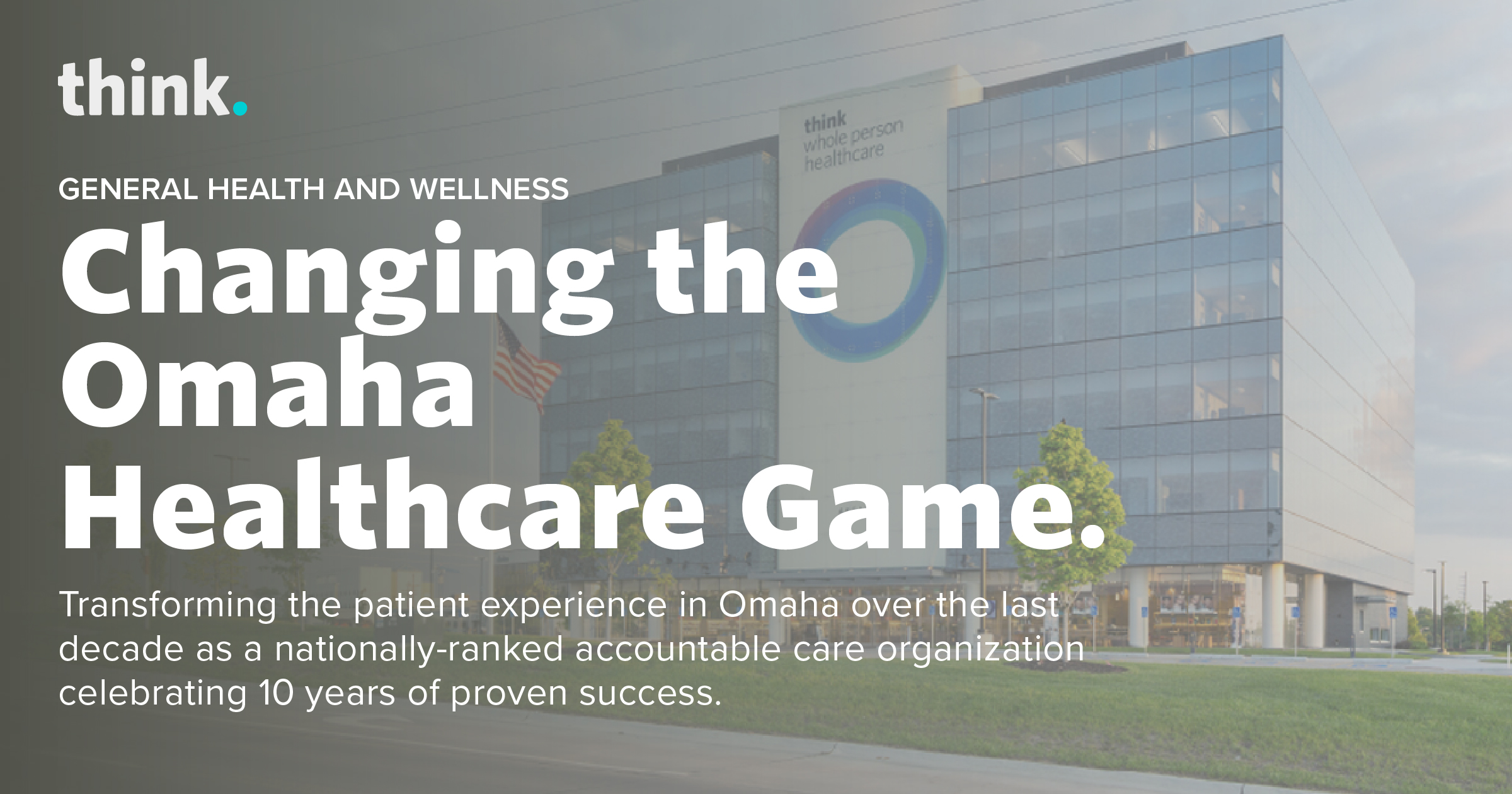
How One Omaha Clinic Changed the Healthcare Game.

A modern healthcare building with large glass windows and a circular logo, featuring text about transforming Omahas healthcare system and celebrating 10 years of success.

A Decade of Difference

Ten years ago, a revolutionary idea took root in Omaha. What if healthcare wasn’t a frustrating maze of different offices, specialists, and disconnected appointments? What if, instead, you could go to one place designed to treat you, not just your symptoms? That was the promise of Think Whole Person Healthcare when it opened its doors in July 2015. A decade later, that promise has become a proven success story, transforming the healthcare experience for thousands of residents in Omaha.

This year marks not just an anniversary but a celebration of a healthcare model that has delivered better health, happier patients, and lower costs. Let’s dive into the ten-year journey of how think went from a bold idea to a nationally recognized leader.

It All Started with a Simple (But Radical) Idea.

Back in 2015, think set out to challenge a broken system. The founders were tired of fragmented care and wanted to build something new from the ground up, a place focused on well-being, easy access, and affordability. The core philosophy was simple: treat the “whole person.” Instead of just asking, “What’s wrong?” they started asking, “Why is it happening?” and examining the connections between a person’s physical, mental, and emotional health.

The mission was clear: to provide coordinated care that improves quality of life, keeps people healthy to lower costs, and creates a world-class workplace for the team, making it all happen.

A Building That Heals.

To bring this vision to life, think needed more than just a new clinic. They needed a new kind of building. The result is the award-winning, 150,000-square-foot facility on West Center Road, a structure designed by global architecture firm HDR to be a “clinical instrument” in its own right.

The design is genius. Public areas are open and welcoming, while “off-stage” corridors allow doctors and staff to collaborate seamlessly behind the scenes, breaking down the walls that usually separate different medical departments. The building is filled with meaning, with an exterior pattern on the glass facade inspired by the connections, or synapses, in your brain. Up close, this pattern appears as a collection of dots, but at a distance, the image gains clarity, and you perceive the network of connections. Additionally, the building features a stunning central atrium with a distinctive “rose window” structure. It is a wooden sculptural element that runs up through all seven levels of the center, referencing the decorative windows used in 17th-century churches. It was crafted from 20,000 lengths of Douglas Fir, molded into a fluid, natural shape. It’s a space that feels both high-tech and deeply human.

Every detail is designed around the patient. Exam rooms are big enough for family members. Microphones in the ceiling let doctors have a natural conversation with you while a scribe documents everything from another room, freeing the physician to focus entirely on you. The building even won design awards in its very first year, demonstrating that the space itself played a key role in the innovation.

The Secret Sauce is Better Care for Less.

So, how does think deliver on its promises? The engine behind the model is its status as an Accountable Care Organization (ACO), one of the first in the state of Nebraska.

Here’s what that means for you. In a traditional system, doctors get paid for every test and procedure they do. An ACO, however, gets rewarded for keeping its patients healthy and its costs down. When think provides high-quality care that reduces overall healthcare spending (think fewer ER visits and hospital stays), it shares in the savings, creating a system where your doctor’s goal is the same as yours: to keep you healthy.

And the results are staggering.

  • #1 in Nebraska: Think is the top-performing ACO in the state  in the Medicare Shared Savings Program for quality and cost savings.
  • #2 in the Nation: It ranks second nationally in the Medicare Shared Savings Program for quality and cost savings.
  • 22% Lower Costs: The average cost for a Medicare patient at think is 22% lower than the national average.

How do they do it? By seeing patients more frequently, an average of four times a year compared to the national average of two, they practice proactive, preventative care that catches problems early. This approach has earned major endorsements, including a partnership with Blue Cross and Blue Shield of Nebraska, whose leadership noted that “Think has been leading the way in changing how health care is practiced in Nebraska,” said Dr. Joann Schaefer, BCBSNE executive vice president. “The independent primary care model plays a key role in think’s success. By treating the whole person, in a coordinated effort, think has been able to improve the quality of care and reduce costs. With Clarkson’s help, we hope to expand upon what we’ve started.”

Your One-Stop-Shop for Health.

Over the last decade, think has built a true “circle of care” under one roof. What started with 24 primary care doctors has grown into a comprehensive team of over 300 professionals.

Today, patients can see providers for Primary Care, Behavioral Health, Dermatology, Podiatry, Physical Therapy, and much more, often in the same building on the same day. With its own lab and imaging services, you can often get test results before you leave the building. Think even added a walk-in clinic (ThinkQuick) and aesthetic services with thinkrestore.

For specialized care, such as oncology or orthopedics, think partners with top-tier independent groups, including Nebraska Cancer Specialists and OrthoNebraska, bringing their clinics directly into the think building. With these partnerships, it means your cancer specialist or orthopedic surgeon is part of the same coordinated system, working directly with your primary care provider.

The Next Chapter, Think Goes West.

After a decade of perfecting its model, think took its biggest step yet. On August 1, 2024, the organization expanded, integrating the respected Omaha Family Medicine practice to create a new think clinic in West Omaha.

CEO Jason Doll explained that after nine years of proven success, the organization was “ready to bring our model to the wider community”. The partnership was a natural fit, with Omaha Family Medicine’s founder, Dr. Charles Stoner, stating, “Our philosophies regarding patient care are aligned. think is best in class”. This expansion is the first true test of the original vision to create a healthcare “prototype” that could be replicated, proving that the think system of better, more affordable care can work anywhere.

The Verdict from the Community.

Ultimately, the real proof is in the patient experience. Online reviews and testimonials are filled with praise for the convenience and quality of care.

  • One patient loves that you can “get a bunch of your needs taken care of all in one place.”
  • Another was amazed to get their blood work results “just as they walked into the doctor’s office to discuss them.”
  • People describe the staff as “personable,” “caring,” and “good listeners”.

Official accolades back this positive feedback. In 2022, think was named the best Family Physicians Clinic by the Omaha World-Herald’s “Omaha’s Choice Awards” and the top Private Practice Medical Clinic by Omaha Magazine’s “Best of Omaha” awards.

Think’s commitment to Omaha extends beyond its walls. The organization partners with Clarkson College to offer reduced tuition to employees and their families, investing in the next generation of healthcare workers. It also sponsors a vital health screening program for Omaha’s firefighters and provides training programs for students, cementing its role as a true community partner.

A Decade of Promises Kept.

When think launched in 2015, it promised to change healthcare in Nebraska. Ten years later, the evidence is in. They did it. They built a facility that enables better care, an operating model that delivers higher quality at a lower cost, and an integrated system that has earned the trust of the community it serves.

As it celebrates its 10th anniversary, think isn’t just a local success story. It’s a blueprint for the future of American healthcare —a future that’s more coordinated, proactive, and focused on the whole person. Happy anniversary, think! Here’s to the next decade of transformation.

Conclusion

Think is an Accountable Care Organization (ACO), which means that our doctors work together to see an individual’s entire scope of health, preventing unnecessary procedures and medical errors through miscommunication. By offering a wide variety of specialties directly on the think campus, we are able to take care of our patients in a way unlike any other healthcare option in the Omaha metro area. If your doctor can keep you under our roof, they will. This means your record is shared between all of your think providers, and helps us control quality and costs by keeping your care in our circle of services. 

To learn more about the complete list of our healthcare services, visit our Services page online and meet your think Provider by visiting our Meet Your Doctor page. Visit our self-scheduling page or give us a call at 402.506.9000.

Comfort, Speed, and Peace of Mind.

A woman speaks, smiling gently. Text reads: Comfort, Speed, and Peace of Mind. Modern Mammograms provide a gentler, more comfortable experience. Logo think. appears in the top left corner.

Modern Mammograms provide a gentler, more comfortable experience.

Breast cancer screening helps maintain women’s health, but some women delay or avoid mammograms due to fear, discomfort, or misconceptions. Fortunately, advancements in mammography technology have transformed the experience, making it faster, gentler, and more approachable. In a recent video, patient Elizabeth Lowndes and mammographer Chellie Molgard share how new technology is reshaping perceptions of mammograms, turning a once-dreaded appointment into a manageable and even pleasant experience. Watch the video here.

A Gentler, More Comfortable Experience

Elizabeth, who schedules a yearly mammogram due to her family history, described her latest screening as “like getting a gentle hug.” Unlike older machines that could feel harsh or uncomfortable, the new technology made the process seamless, quick, and noticeably less painful. Chellie, the mammographer, credits features like the comfort pedal, which adjusts the pressure applied during imaging to reduce tightness on the breast. With two types of pedals tailored to different comfort needs, patients now enjoy a more personalized experience that feels less clinical and more caring. “It’s more comfortable for the patient,” Chellie says, adding that the sharper, high-quality images also help clinicians provide accurate diagnoses.

This shift in technology is a game-changer for those who’ve avoided screenings due to past discomfort. As Elizabeth noted, walking into the imaging room felt “peaceful” and almost spa-like, a far cry from the sterile, intimidating settings of the past. The combination of a soothing environment and gentler equipment helps ease nerves and makes the process feel less daunting.

Why Annual Mammograms Make a Difference

Chellie emphasizes the value of regular screenings for early detection of breast cancer. “The faster we can get in front of that stuff, the better we can serve our patients,” she explains. Waiting too long—sometimes months or even years—can mean missing the chance to catch issues when they’re most treatable. Annual mammograms offer a proactive way to stay ahead, improving health outcomes and providing peace of mind. For Elizabeth, knowing she’s taking care of her health, especially with her family history, brings reassurance that’s hard to overstate.

Regular screenings are especially meaningful for those at higher risk, but they benefit everyone. As Chellie points out, the goal is to keep patients healthy and maintain their quality of life. By making mammograms less intimidating, new technology encourages more women to stick to a yearly schedule, turning a health habit into a positive routine.

Answers to Common Mammogram Questions

Our Breast Cancer Awareness article sheds light on common concerns about mammograms. Here, we address frequently asked questions with insights from Elizabeth and Chellie’s experiences:

Does a mammogram hurt?

Older machines sometimes cause discomfort, but today’s technology has changed that. Elizabeth called her recent mammogram “painless” and “gentle,” thanks to innovations like the comfort pedal that adjusts pressure for a softer touch.

How long does a mammogram take?

Modern mammograms are designed for efficiency. Elizabeth described the process as “fast” and “seamless,” typically taking 10-15 minutes from start to finish, making it easy to fit into a busy day.

When should I start getting mammograms?

The American Cancer Society advises women at average risk to begin annual mammograms at age 40. If you have a family history, like Elizabeth, or other risk factors, your doctor may recommend starting earlier or screening more frequently. Chatting with your healthcare provider can clarify what’s best for you.

What if I’m nervous about the process?

It’s normal to feel anxious, but today’s mammography settings are designed to put you at ease. Elizabeth compared her experience to “going to a spa,” with a calm, welcoming atmosphere that feels far less medical. Friendly staff and streamlined technology further reduce stress.

Are mammograms safe?

Mammograms use low-dose X-rays, and the risk is minimal compared to the benefits of early detection. Chellie highlighted the “really sharp” images produced by new machines, which help radiologists spot even small changes with greater accuracy.

What should I expect during the appointment?

You’ll be guided by a professional like Chellie, who ensures you’re comfortable throughout the exam. The machine gently compresses the breast for a few seconds to capture clear images, and the process repeats for both sides. Elizabeth found it “easy” and appreciated the supportive, non-rushed approach.

How often should I get screened?

For most women, yearly mammograms are the standard, as Chellie advocates, to catch any changes early. Your doctor can help determine the proper schedule based on your health history and risk factors.

Empowerment Through Proactive Health

Elizabeth’s story shows how far mammography has come. “It’s nothing to be afraid of with the technology that they have today,” she says, describing a process that’s not only tolerable but empowering. A mammogram is more than a medical test—it’s a step toward taking control of your health and gaining peace of mind. Modern mammography makes it easier for women to prioritize their well-being without hesitation by addressing common fears and focusing on comfort.

Ready to take charge of your health?

Schedule your mammogram today by speaking with your Primary Care Provider and discover how quick and comfortable it can be. Give us a call at 402.506.9000.
Think is a primary healthcare organization dedicated to keep you healthy through preventative care and treatment for a wide range of medical conditions. To learn more about the complete list of our healthcare services, visit our Services page online and meet your think Provider by visiting our Meet Your Doctor page.

Asparagus and Feta Crustless Quiche

A baked asparagus and feta crustless quiche in a white dish, garnished with herbs, sits on a table next to a small bowl of chopped green onions and a blue-striped napkin. Text reads: Asparagus and Feta Crustless Quiche.

Asparagus and Feta Crustless Quiche

Enjoy a light and flavorful meal with this easy Asparagus and Feta Crustless Quiche. It’s a healthy, low-carb option made with simple ingredients, perfect for any time of day.

Imagine a brunch table decorated with vibrant spring greens and the delicate aroma of baked eggs. Our Asparagus and Feta Crustless Quiche is the centerpiece you’ve been searching for. Picture tender asparagus spears, their earthy sweetness mingling with the tangy, crumbly feta, all suspended in a light, airy egg base. This dish isn’t just visually appealing; it’s a symphony of flavors and textures. Low-carb, high-protein, and naturally gluten-free, it caters to diverse dietary needs while offering endless customization. Add sun-dried tomatoes for a touch of sweetness, or perhaps some sautéed mushrooms for added depth. And the best part? It requires minimal prep time, leaving you more moments to savor the holiday with loved ones. It’s reminiscent of a frittata, but with a streamlined approach, ensuring a delicious and stress-free breakfast or brunch.

Prep Time
5 mins
Cook Time
35 mins
Total Time
40 mins

Servings: 4

Ingredients

What to buy at the store?

  • 8 thin asparagus spears, ends removed and cut into 1-inch pieces  
  • 4 green onions, chopped  
  • 6 large eggs  
  • 2/3 cup milk, of choice  
  • 1/4 cup half and half, (or substitute more milk)  
  • 1/2 tsp oregano  
  • 1/2 tsp salt  
  • 1/4 tsp black pepper  
  • 1/3 cup feta cheese, crumbled  
  • 2 Tbsp chives, finely chopped  

Instructions

Step One: Preheat and prep

Preheat the oven to 350 degrees F and lightly coat a 9-inch pie dish with nonstick spray .  

Step Two: Snap Asparagus

Snap off the ends of the asparagus spears and cut into 1-inch pieces and chop the green onions. (No need to cook the asparagus beforehand as long as you use thin asparagus spears!)  

Step Three: Whisk Together

In a large bowl, whisk together the eggs, milk, half and half, oregano, salt and pepper .  

Step Four: Add Everything Together

Arrange the asparagus pieces and green onions in the bottom of a prepared 9-inch baking dish and pour the egg mixture over top. Sprinkle on the feta cheese and chives .  

Step Five: Bake and Enjoy

Bake the quiche in the oven for 35 minutes, or until the egg is set in the center and the edges are golden. Serve warm .  

It’s more than just medication management. 

An open pill bottle with tablets spilled out. Text reads: Its more than just medication management. The role of clinical pharmacists in your healthcare journey and how they improve your care..

The Role of Clinical Pharmacists in Your Healthcare Journey and how they improve your care.

When it comes to your health, having a dedicated team of professionals by your side is essential. Among these professionals is the Clinical Pharmacist, an integral part of your care team at Think Whole Person Healthcare. While many people associate pharmacists with the person behind the counter at the drugstore, their role extends far beyond simply dispensing medications. So what are Clinical Pharmacists and the history of this profession? Let’s explore the fascinating history of pharmacy, the diverse specializations within the field, and how Think’s Clinical Pharmacists work to optimize your medication management and overall well-being

The Evolution of Pharmacy.

The roots of pharmacy can be traced back to ancient civilizations, with evidence of pharmaceutical practices dating as far back as 1,500 BC in Egypt. Paleopharmacologists have uncovered over 1,000 sheets of papyrus detailing hundreds of plant-derived medication recipes, showcasing the early expertise of apothecaries and chemists who worked alongside healers and priests to treat the sick.

Fast forward to the late 19th and early 20th centuries, and the Industrial Revolution brought about significant advancements in pharmaceutical science. Increased technical sophistication allowed for the purification of natural materials and the synthesis of organic chemicals, leading to groundbreaking discoveries like insulin and penicillin. Today, pharmacists play vital roles in drug manufacturing, research, and direct patient care, with the opportunity to specialize in 13 board-certified fields, including ambulatory care, cardiology, oncology, and more.

Clinical Pharmacy at Think.

The Clinical Pharmacists at think hold doctorate degrees in pharmacology and often specialize in medical areas that align with their passions. They collaborate closely with our physicians, specialists, and advanced practice providers to ensure that your medications are tailored to yield the best possible outcomes for your unique situation. 

What services do our Clinical Pharmacists provide?

Comprehensive Medication Reviews 

Our Clinical Pharmacists work hand-in-hand with your Primary Care physician, specialists, and other providers to conduct thorough medication reviews. As experts on each medication’s active ingredients and appropriate treatment approaches, they ensure that your prescriptions are the most suitable options for your specific circumstances, optimizing your therapy and minimizing potential risks.

Optimizing Medication Timing 

Did you know that the timing of your medication can significantly impact its effectiveness? For example, atorvastatin, a common cholesterol medication, works best when taken in the evening when your body’s cholesterol-making enzymes are most active. Think’s Clinical Pharmacists collaborate with you and your doctors to develop a medication schedule that maximizes the benefits of your prescription drugs, ensuring you get the most out of your treatment plan.

Exploring Alternative Medications

One of the key advantages of working with our Clinical Pharmacists is their commitment to finding the best medication options for your individual case. They stay up-to-date on the latest drugs and their interactions, allowing them to recommend alternative treatment paths if you’re not achieving the desired results. This personalized approach ensures that you and your doctor have access to the most current and effective solutions available.

Preventing Adverse Interactions 

For patients managing multiple health conditions, taking several medications simultaneously can pose risks if those medications don’t interact well with one another. Our Clinical Pharmacists possess a deep understanding of medication interactions and work to help you avoid adverse effects. In some cases, they may consolidate your medication regimen by identifying drugs that can treat multiple conditions, simplifying your treatment plan and reducing potential complications.

Ensuring Cost Savings 

At think, we recognize that medications can be a significant expense, even with insurance coverage. Our Clinical Pharmacists go the extra mile to help you save money on your prescriptions. They collaborate with your doctor, insurance company, and retail pharmacy to secure the lowest possible prices, whether that means prescribing a different brand of medication or adjusting dosages (e.g., three 100mg pills instead of one 300mg pill) to optimize cost-effectiveness without compromising quality of care.

Personalized Patient Consultations 

Some patients, such as those with uncontrolled diabetes or multiple health conditions, require more frequent support from their healthcare team. Our Clinical Pharmacists work directly with your physician to provide continuity of care and offer recommendations on medication adjustments tailored to your needs. In the case of uncontrolled diabetes, for example, you may benefit from a collaborative team that includes Physicians, Clinical Pharmacists, Pharmacy Technicians, Care Coordinators, Diabetic Educators, Dietitians, and Social Workers—all working together to design a treatment plan that gets your blood sugar levels back on track as efficiently as possible.

The Think Whole Person Healthcare Difference

At think, our commitment to your well-being goes beyond simply treating symptoms. Our Clinical Pharmacists incorporate this philosophy by taking a holistic approach to your medication management, considering factors like efficacy, safety, cost, and your individual circumstances. They ensure that your care is coordinated, comprehensive, and centered around you by partnering with our physicians and specialists.

Our Clinical Pharmacists are the unsung heroes of your healthcare journey, working behind the scenes to optimize your medication therapy and support your overall health. At Think Whole Person Healthcare, our highly trained Clinical Pharmacists bring their expertise, compassion, and dedication to every patient interaction. From conducting medication reviews and preventing adverse interactions to exploring cost-saving alternatives and providing personalized consultations, they play an indispensable role in helping you achieve your best possible outcomes.

To learn more about how our Clinical Pharmacy services can benefit you, visit our service page at https://thinkhealthcare.org/services/clinical-pharmacy/ or speak with your Primary Care physician at Think Whole Person Healthcare. Experience the difference of having a world-class Clinical Pharmacist as part of your care team and unlock the full potential of your healthcare journey today.

Think is a primary healthcare organization dedicated to keep you healthy through preventative care and treatment for a wide range of medical conditions.

To learn more about the complete list of our healthcare services, visit our Services page online and meet your think provider by visiting our Meet Your Doctor page. Visit our self-scheduling page or give us a call at 402.506.9000.
Unlock better sleep tonight.

A woman lies on a couch resting her head on a pillow. Text reads: Unlock better sleep tonight. Learn about the science of sleep and strategies to enhance your nightly rest..

Learn about the science of sleep and strategies to enhance your nightly rest.

When it comes to sleep, many of us struggle—whether it’s tossing and turning, difficulty falling asleep, or waking up multiple times during the night. Counting sheep can only do so much. 

March is National Sleep Awareness Month, providing an excellent opportunity to reflect on our sleep habits and explore ways to improve the quality and quantity of our nightly rest.

Quality sleep is essential for our overall health and well-being. It plays a vital role in maintaining cognitive functions, emotional balance, and physical health. Despite its importance, many individuals do not get enough restorative sleep, leading to various health issues.​

In this article, we will delve into the science of sleep, common sleep problems, the effects of sleep deficiency, and practical strategies to enhance your sleep quality. By understanding these aspects, you can take proactive steps toward achieving more restful and rejuvenating sleep.

Understanding Sleep

Sleep is a complex and dynamic biological process that still isn’t fully understood. Multiple parts of the brain are involved in producing hormones and chemicals that regulate rest and wakefulness. There are four main stages of the sleep cycle, categorized into REM (rapid eye movement) and non-REM sleep. The first three stages are non-REM sleep, during which the brain and body slow down, and muscles relax. Stage three, known as deep sleep, is when the body repairs itself, building tissue, muscle, and bone. The fourth stage is REM sleep, which allows the brain to process information, dream, and store memories.​

sleepfoundation.org

Each sleep cycle lasts about 90 minutes, repeating four or five times per night. Traditionally, eight hours of sleep was considered optimal for healthy adults, but experts now recognize a range of six to eight hours as sufficient. As bodies grow and develop, teens, children, and infants require more sleep, with some newborns needing up to 17 hours a day. Observations indicate that older adults may need more sleep due to less efficient sleep patterns and health issues that interrupt rest.

Common Sleep Problems

Physical, emotional, and mental health are deeply intertwined with sleep quality. Common sleep disorders include:​

Insomnia: Difficulty falling or staying asleep, the most prevalent sleep disorder.​

Obstructive Sleep Apnea: A condition where breathing repeatedly stops and starts during sleep.​

Restless Leg Syndrome: An uncontrollable urge to move the legs, typically in the evenings.​

Other health conditions, such as chronic pain, menopause, enlarged prostate, respiratory ailments like asthma, uncontrolled heart failure, diabetes, and other chronic illnesses, can also negatively impact sleep patterns.

Effects of Sleep Deficiency

Sleep deficiency encompasses not sleeping enough, not sleeping well, sleeping at the wrong time of day (such as with narcolepsy), or having a sleep disorder that causes poor-quality sleep. Reports indicate that about one-third of Americans do not get sufficient sleep daily. The National Institutes of Health states that an estimated 50 to 70 million Americans have chronic, or ongoing, sleep disorders.​

Lack of sleep contributes to mood disorders, decreased focus and concentration, loss of productivity, injuries, and even an increased risk of death. Sleep deprivation can also lead to weight gain, as individuals may crave calorie-rich foods and opt for unhealthy comfort foods when overtired. Chronic sleep deficiency is linked to long-term health problems, including depression, high blood pressure, diabetes, kidney disease, heart disease, and stroke. It is a myth that people can cope well with little sleep for extended periods without negative effects.

How to Improve Your Sleep

Modern lifestyles, characterized by busyness and stress, often disrupt sleep. Evening screen time and social media usage can interfere with circadian rhythms—the body’s internal clock—especially when sleep and wake times vary. Many people inadvertently develop poor sleep habits, but improvements can be achieved through lifestyle adjustments:​

Maintain a Consistent Sleep Schedule 

Go to bed and wake up at the same time daily, limiting weekend variations to about an hour.​

Create a Pre-Bedtime Routine

Dedicate the hour before bed to quiet activities. Avoid bright screens, loud music, and intense exercise late in the day.​

Watch Your Nighttime Diet 

Avoid large or heavy meals within a few hours of bedtime. A light snack is acceptable, but avoid overindulgence.​

Limit Alcohol Consumption Before Bed

While alcohol may induce drowsiness, it disrupts overall sleep architecture.​

Be Cautious with Nicotine and Caffeine

Both are stimulants that can impair sleep quality. Individual sensitivity varies, so monitor personal responses, especially later in the day.​

Stay Physically Activity

Regular exercise, preferably outdoors, promotes better sleep and overall health.

When to Seek Medical Help for Sleep Issues

If you consistently experience sleep disruptions, it is advisable to make an appointment with your healthcare provider for a comprehensive assessment to determine the root cause of your sleep problems.​

Insomnia is the most common sleep disorder, often caused by lifestyle factors, particularly stress and anxiety. Improving sleep hygiene (as outlined above) and learning stress-reduction techniques can help. Referral to a behavioral health specialist may be necessary if mental health conditions are interfering with sleep.​

While medications are sometimes prescribed for insomnia, they do not address the underlying structure of sleep and primarily induce drowsiness. Over-the-counter medications like Benadryl® (diphenhydramine) are discouraged due to potential links to dementia. Research indicates that, on average, sleep aids provide only about 20 minutes of extra sleep per night, and potential side effects must be considered. It is essential to inform your medical provider about all prescriptions and medications you are taking to ensure they are not contributing to sleep issues.​

If an underlying health condition such as sleep apnea is identified, a referral to a sleep specialist may be necessary. Weight loss often helps correct obstructive sleep apnea. Most sleep disorders are treatable, and addressing them can lead to improved well-being.

Most sleep disorders are treatable. At think, we aim to help you achieve restful sleep and enhance your quality of life. 

Prioritize Sleep for a Healthier Life

Achieving restful sleep is not just a nightly routine; it’s a cornerstone of a healthy, fulfilling life. By understanding the intricacies of sleep and implementing effective strategies, you can transform your nights and, consequently, your days. Embrace the journey toward better sleep, and remember that seeking professional guidance is a proactive step toward overall well-being. At think, we’re here to support you in achieving the restorative sleep you deserve.

READY FOR BETTER SLEEP? CONSIDER THINK YOUR GO-TO FOR ALL OF YOUR MEDICAL NEEDS.

Think is dedicated to keeping you healthy through preventative care and treatment for a wide range of medical conditions. From sleep issues to persistent back pain, our physicians, advanced practice providers and specialists are committed to you and your family’s lifelong health and well-being.

Our walk-in clinic treats anyone, even those who are not a think patient or do not have a primary care provider currently. To learn more about our comprehensive healthcare services, visit our Services page online and choose your own think medical professionals by visiting our Meet Your Doctor page. We help you stay healthy. Visit our self-scheduling page or give us a call at 402.506.9000.

Brighten your table with air fryer orange chicken.

A plate of air fryer orange chicken garnished with green onions, served over white rice. Text reads: Brighten your table with air fryer orange chicken..

A zesty, nutritious dish that’s light on calories and big on flavor.

As winter lingers and we eagerly anticipate the warmth of spring and summer, it’s the perfect time to enjoy meals that are both comforting and health-conscious. This Air Fryer Orange Chicken offers a delightful combination of crispiness and tangy sweetness, all while being a healthier alternative to traditional takeout. By utilizing the air fryer, we achieve that coveted crunch with significantly less oil, making it a lighter and healthier indulgence.​

Chicken breast serves as a lean protein foundation, supporting muscle health and keeping you satiated. The fresh orange juice not only imparts a natural sweetness but also provides a boost of vitamin C, essential for immune support. A touch of honey replaces refined sugars, offering antioxidants and a more balanced glycemic response. Cooking in the air fryer reduces the need for excessive oil, cutting down on unnecessary fats and calories.​

Let’s dive into this simple yet flavorful recipe that’s sure to become a household favorite.

Prep Time
15 mins
Cook Time
20 mins
Total Time
35 mins

Servings: 4

Ingredients

For the chicken:

  • 1 pound boneless, skinless chicken breasts, cut into 1-inch cubes​
  • 1 tablespoon low-sodium soy sauce​
  • 2 tablespoons cornstarch​
  • 3 tablespoons plain gluten-free breadcrumbs​

For the orange sauce:

  • 2 cloves garlic, minced​
  • 2 teaspoons fresh ginger, grated (or 1/2 teaspoon ground ginger)​
  • 1 tablespoon olive oil​
  • 1 cup fresh orange juice (about 2-3 oranges)​
  • 1 tablespoon orange zest​
  • 1/4 cup honey​
  • 1/4 cup low-sodium soy sauce​
  • 1 tablespoon rice vinegar​
  • 2-3 teaspoons sriracha, adjust to taste​
  • 1 tablespoon cornstarch​
  • 2 tablespoons water

Serve with:

  • Jasmine rice
  • Steamed vegetables like broccoli​, bell peppers, snap peas, or bok choy
  • Green onions and/or sesame seeds for garnish

Instructions

Marinate the Chicken

In a medium bowl, combine the cubed chicken with 1 tablespoon of soy sauce. Let it marinate for about 15 minutes to absorb the flavors.

Prepare the Coating

After marinating, sprinkle 2 tablespoons of cornstarch over the chicken pieces, ensuring each piece is evenly coated.​

Follow by tossing the coated chicken in the gluten-free breadcrumbs, pressing gently to adhere.

Air Fry the Chicken

Preheat your air fryer to 380°F (193°C) for a few minutes.​

Lightly spray the air fryer basket with cooking spray to prevent sticking.​

Arrange the chicken pieces in a single layer in the basket, ensuring they don’t touch. You may need to cook in batches depending on the size of your air fryer.​

Lightly spray the tops of the chicken with cooking spray.​

Cook for 10-14 minutes, flipping halfway through, until the chicken is golden brown and reaches an internal temperature of 165°F (74°C).

Prepare the Orange Sauce

While the chicken cooks, heat 1 tablespoon of olive oil in a saucepan over medium heat.​

Sauté the minced garlic and grated ginger until fragrant, about 1-2 minutes.​

Pour in the fresh orange juice, orange zest, honey, soy sauce, rice vinegar, and sriracha. Stir to combine and bring to a gentle simmer.​

In a small bowl, mix 1 tablespoon of cornstarch with 2 tablespoons of water to create a slurry.​

Slowly whisk the slurry into the simmering sauce. Continue to cook, stirring frequently, until the sauce thickens, approximately 2-3 minutes. Remove from heat and let it cool slightly; it will thicken further as it cools.

Combine and Serve

Once the chicken is cooked and crispy, transfer it to a large bowl.​

Pour about two-thirds of the orange sauce over the chicken, tossing gently to ensure each piece is coated. Reserve the remaining sauce for drizzling.​

Serve immediately over steamed jasmine rice and a side of steamed broccoli or your preferred vegetables. Drizzle extra sauce on top if desired.

Tips

  • Maintain Crispiness To keep the chicken crispy, combine it with the sauce just before serving. If preparing in advance, store the sauce and chicken separately, combining them when ready to eat.​
  • Fresh Orange Juice Using freshly squeezed orange juice enhances the flavor and ensures no added sugars or preservatives.​
  • Adjusting Sweetness and Spice Tailor the sauce to your taste by modifying the amounts of honey and sriracha. For a sweeter sauce, add more honey; for extra heat, increase the sriracha.

​Embracing healthier cooking methods doesn’t mean sacrificing flavor. This Air Fryer Orange Chicken exemplifies how nutritious ingredients and innovative techniques can come together to create a dish that’s both delicious and mindful of your well-being. By opting for lean protein sources and utilizing the air fryer to achieve that satisfying crunch with minimal oil, you’re making a choice that’s good for your taste buds and your health.​ We encourage you to try this recipe and experience firsthand how delightful healthy eating can be!

Choosing the right primary care physician for you.

A doctor in a blue suit speaks with an older male patient. Text reads: Choosing the right primary care physician for you. Learn about primary care options and recommendations to help you find your ideal provider.

Learn about primary care options and recommendations to help you find your ideal provider.

Choosing the right primary care physician (PCP) is an important step toward achieving and maintaining optimal health. PCPs serve as your main health advocate, offering preventive care, managing chronic conditions, and guiding you through the healthcare system. They may provide continuous care to you and your family over decades and serve as a consistent point of contact for all your medical needs. Establishing a strong relationship with a PCP not only increases your likelihood of better health outcomes but also enhances your satisfaction as a patient, as few other providers will know your medical needs as well as your long-term PCP. Understanding the different types of primary care providers and selecting one that aligns with your health needs and personal preferences is therefore essential for your successful healthcare journey. But how do you choose the right one?

Understanding Primary Care Providers

First, let’s get a better understanding of Primary Care providers and the different types available. Primary care physicians are medical professionals trained to offer first-contact and continuous care for those with undiagnosed health concerns, as well as ongoing care for varied medical conditions. They emphasize holistic health, preventive measures, and patient education, ensuring that healthcare is both accessible and customized to individual patient needs.

Types of Primary Care Physicians

Primary care encompasses several specialties, each catering to specific patient demographics and health needs:

Pediatric Physicians Specializing in the health of children from birth through adolescence, pediatricians address developmental issues, immunizations, and common childhood illnesses.

Family Medicine Physicians These practitioners provide comprehensive care across all ages, from infants to the elderly. Their broad expertise allows them to manage a wide range of health issues, making them ideal for families seeking a single healthcare provider.

Internal Medicine Physicians Focusing on adult patients, internists are adept at diagnosing and treating complex medical conditions, emphasizing preventive care and chronic disease management.

The Role of Advanced Practice Providers

You may wonder why at think we often refer to our medical staff as providers, and other times, we refer to them as doctors or physicians. It’s because think also employees Advanced Practice Providers. Advanced Practice Providers (APP) can be Physician Assistants or Advanced Practice Registered Nurses. These medical professionals can see and treat patients similarly to physicians but are supervised by the physician. In essence, an APP is a representative of that physician. PA-Cs and APRNs may see their patients, even though a physician still supervises them. Physicians tend to increase the number of patients they care for as their practice grows. At some point, there isn’t enough time in the day to see everyone. That’s when a PA-C or APRN can be invaluable. They can see the less acute cases, like medication checks, sinus infections, cold symptoms, etc., while the physician can focus on the more complex or acute patients. Physicians oversee diagnosis and treatment plans for patients seen by our PA-C or APRN providers. Both physicians and Advanced Practice Providers work together to care for their patients efficiently and effectively.

Factors to Consider When Choosing a Primary Care Physician

Now that you understand the different types of Primary Care and providers, let’s look at selecting the right PCP.  It involves more than just understanding their specialty. Consider the following factors to ensure you find a good fit for your health needs:

Assess Your Health Needs 

Reflect on your current health status and any chronic conditions. For instance, if you have a complex medical history, an internist might be suitable. Families with children may prefer a family medicine physician who can treat all members. Make a list of your health concerns to be addressed and any specific qualities you are seeking in your provider.

Check Insurance Coverage 

Ensure the physician is within your health insurance network to avoid unexpected expenses. Contact your insurance provider for a list of in-network doctors. You can also contact providers to see if they accept your insurance – for example here at think we provide a complete list of all insurances we accept on our insurance page.

Seek Recommendations 

Ask friends, family, or other healthcare professionals for referrals. Personal experiences can provide valuable insights into a physician’s practice style and patient care approach.

Consider Accessibility 

Evaluate the location of the physician’s office, their office hours, availability, and access to specialists and screenings at their facility. Proximity and convenient hours are essential for regular visits and urgent care needs.

Review Credentials and Experience 

Research the physician’s educational background, board certifications, and years of practice. Experienced doctors may offer a higher level of expertise, especially for specific health conditions.

Schedule an Initial Appointment 

Meeting the physician in person can help determine if they are the right fit for you. Ensure you feel comfortable and confident in their care.

You’ve found a great Primary Care Physician – Great! What’s next?

You’ve done your research and found your ideal provider, terrific. Now what? Establishing a relationship with your new primary care physician (PCP) is a significant step toward proactive health management. Here’s how to make the most of this partnership:

Transfer Your Medical Records

Ensure your new PCP has a comprehensive understanding of your health history by transferring your medical records from previous providers. This includes past diagnoses, treatments, surgeries, and current medications. Having these records allows your new PCP to provide informed and personalized care.

Schedule a Comprehensive Evaluation

If not already covered during your initial visit, book your annual physical/comprehensive exam to establish a health baseline. This visit allows your PCP to assess your current health status and discuss any concerns or goals you may have. It’s an opportunity to build a trusting relationship and set the foundation for ongoing care.

Maintain Regular Appointments

Consistent visits with your PCP are vital for early detection and prevention of potential health issues. Regular check-ups allow for monitoring of existing conditions and adjustments to treatment plans as necessary. Staying proactive with your health can lead to better outcomes and a higher quality of life.

Communicate Openly

Effective communication is key to receiving optimal care. Share any changes in your health, lifestyle, or medications with your PCP. Don’t hesitate to ask questions or express concerns; a good PCP will value your input and work collaboratively with you.

Utilize Preventive Services

Take advantage of preventive services offered by your PCP, such as vaccinations, screenings, and wellness advice. Engaging in preventive care can help you avoid illnesses and detect conditions before they become serious.

By following these steps, you can build a strong, collaborative relationship with your primary care physician, paving the way for a healthier future.

Find a Doctor Your Family Can Trust at Think.

Your Primary Care physician is at the center of your circle of care. At think, our Primary Care physicians are general practitioners who specialize in Family Medicine and Internal Medicine. Functioning as your advocate and primary healthcare provider, they can help you with a diverse mix of issues, ranging from something as minor as a cold, to something harder to manage, like long-term or chronic illness. 

Having a hard time picking who to see? We understand finding the right provider can take time and can even be overwhelming if you’re just getting started. We offer a diverse team of over 30 primary care physicians and providers in one location. Browse our physician bios on our Meet Your Doctor page. Then, give our Welcome Center staff a call at 402.506.9049 to help you select the right provider for you. We are glad to help and make your selection process as easy and stress-free as possible.

If you live with chronic or multiple illnesses, you may qualify for our Care Coordination program. This program is designed to improve patient outcomes through active teamwork between physicians and specialists at think. If you qualify for care coordination, or if you simply have a need for one of our onsite specialists, your Primary Care physician will work on your behalf to coordinate a care plan for you that meets your needs and works well alongside any existing treatments. 

Having a Primary Care physician you feel comfortable with is the key to a positive healthcare experience. We are proud to work with a large, diverse group of Primary Care physicians and are confident that one of them is the perfect fit for your family. Choosing a think PCP also means you’ll have access to: 

  • Onsite Specialty Services: Access to various specialties such as rheumatology, behavioral health, physical therapy, and podiatry ensures comprehensive care under one roof.
  • Preventive Screenings: Regular screenings for conditions like diabetes, cancer, and depression aid in early detection and management.
  • Extended Access to Care: With expanded hours, a walk-in clinic, and a 24/7 on-call nurse, we provide continuous support to address your health concerns promptly.

Choosing the right primary care physician is a foundational step in achieving and maintaining optimal health. By understanding the different types of primary care providers and considering your unique health needs, you can establish a trusting and effective partnership with the right  Primary Care healthcare provider for you. At think, we are committed to supporting you through this journey with our comprehensive and patient-centered services.

PARTNER WITH THINK FOR YOUR HEALTH JOURNEY

If you’re ready to take control of your whole-person health, schedule an appointment with one of our dedicated primary care providers. Not sure who to see? Explore our Meet Your Doctor page to learn more about our think physicians and call 402.506.9049 for help narrowing down your selections and scheduling your first appointment. 

Already know who you want to see? To schedule an appointment, you can visit our self-scheduling page or call 402.506.9049.

Whether you’re managing chronic conditions or seeking preventive care, our world-class care is  here to support you every step of the way!

Heart Disease Affects More Women Than You Think.

Four smiling women of diverse backgrounds stand outdoors in winter clothes. The text reads: “Heart disease affects more women than you think. This American Heart Month, protect your heart with lifestyle changes and prevention.”.

This American Heart Month, protect your heart with lifestyle changes and prevention.

Heart disease is the leading cause of death for women in the United States, affecting millions each year. Despite this, heart disease in women often goes unnoticed or unrecognized, both by individuals and within the medical community. February, which is American Heart Month, offers an important opportunity to raise awareness, educate, and empower women to take charge of their heart health.

Understanding Heart Disease in Women

Heart disease is an umbrella term for several conditions that affect the heart, including coronary artery disease, heart failure, arrhythmia, and heart attacks. For women, the symptoms and risks may not always align with what is traditionally known about heart disease. This makes heart disease in women more difficult to diagnose and manage.

According to the CDC, heart disease remains the leading cause of death among women, accounting for approximately 1 in every 5 deaths in the U.S. However, the recognition of heart disease as the primary health threat among women has only gained widespread attention in recent years. Cardiovascular disease (CVD) claims the lives of more women than all cancers combined, yet many women remain unaware of this fact.

Heart disease does not discriminate, and while men and women experience similar risk factors, women face unique challenges and risks that make them more susceptible to heart disease. Understanding these factors, recognizing the symptoms, and taking preventive action is vital for improving heart health and outcomes for women.

The Gender Gap in Heart Disease Awareness

There is a significant gender gap when it comes to heart disease awareness. A survey by the American Heart Association found that only 56% of women recognize heart disease as their number one killer, despite the fact that it claims more women’s lives annually than any other disease. This lack of awareness, coupled with the fact that heart disease often presents differently in women, contributes to delayed diagnosis and treatment.

For example, women are less likely than men to experience the classic symptom of chest pain during a heart attack. Instead, they might experience more subtle symptoms, such as back or jaw pain, nausea, and extreme fatigue, making it harder for them to recognize the severity of the situation. This disparity highlights the need for both women and healthcare providers to be more vigilant about heart health, especially as many women tend to prioritize the health of their families over their own.

Risk Factors Specific to Women

While heart disease shares many common risk factors for both men and women, certain factors make women more vulnerable to cardiovascular problems. These include:

Pregnancy-related Conditions

Women who have had complications during pregnancy, such as preeclampsia, gestational diabetes, or a preterm birth, are at a higher risk for developing heart disease later in life. These pregnancy-related conditions can significantly affect a woman’s long-term cardiovascular health.

Preeclampsia, for example, is a serious pregnancy complication characterized by high blood pressure and organ damage. Women who experience preeclampsia are at a much higher risk of developing hypertension and cardiovascular disease in the future.

Hormonal Changes

After menopause, a woman’s risk for heart disease increases significantly. This is due to a drop in estrogen levels, which has been shown to provide protective benefits for the heart. The loss of this protection leads to an increased risk for conditions like high cholesterol, high blood pressure, and obesity—three significant risk factors for heart disease.

Women who have a family history of cardiovascular disease or are diagnosed with certain conditions such as polycystic ovary syndrome (PCOS) are also at higher risk for heart disease, particularly as they age.

Mental Health and Stress

Mental health conditions, such as depression and anxiety, can have a significant impact on cardiovascular health. Women are twice as likely as men to suffer from depression, and research has shown that individuals with chronic mental health conditions are at a higher risk for heart disease. The stress of balancing multiple responsibilities, particularly for caregivers, can also lead to unhealthy lifestyle habits like poor eating, lack of exercise, and insufficient sleep—all contributing to a higher risk for heart disease.

Obesity

Obesity is a significant risk factor for heart disease and is especially concerning for women. According to the CDC, approximately 40% of U.S. women are considered obese, which can lead to increased risks for high blood pressure, high cholesterol, and type 2 diabetes—all of which are linked to heart disease.

Smoking

Smoking is another important factor that contributes to the development of heart disease in women. While the rates of smoking have decreased overall, women who smoke still face a significantly higher risk for cardiovascular disease, especially when combined with other factors such as obesity, high cholesterol, or high blood pressure.

Symptoms of Heart Disease in Women

The symptoms of heart disease can vary between men and women. While chest pain is the most commonly recognized symptom of a heart attack, many women experience other symptoms that might be overlooked or attributed to something less serious. Symptoms to watch for include:

  • Chest pain or discomfort which may feel like tightness, pressure, or heaviness in the chest. For women, this pain may radiate to the back, neck, jaw, or stomach.
  • Shortness of breath which may occur suddenly or gradually.
  • Nausea, vomiting, or dizziness especially if accompanied by sweating or unusual fatigue.
  • Pain in the back, jaw, or neck which can be mistaken for other conditions like muscle strain.
  • Extreme fatigue or feeling exhausted, even with minimal activity.
  • Pain in the upper abdomen or between the shoulder blades.

If you experience any of these symptoms, especially if they persist or worsen, it’s essential to seek medical attention immediately. Early intervention can significantly reduce the damage caused by heart attacks and other cardiovascular conditions.

Prevention and Heart-Healthy Habits for Women

The good news is that heart disease is largely preventable. By adopting heart-healthy habits, women can significantly reduce their risk of cardiovascular disease. Here are some key prevention tips:

Regular Check-ups and Blood Pressure Monitoring

It’s essential for women to see their healthcare provider regularly to monitor blood pressure, cholesterol levels, and glucose. Many women are unaware that they have high blood pressure or elevated cholesterol, so routine check-ups are important for early detection and management.

Exercise Regularly

Regular physical activity is one of the most effective ways to reduce heart disease risk. The American Heart Association recommends at least 150 minutes of moderate-intensity exercise or 75 minutes of vigorous exercise per week. Activities such as brisk walking, cycling, or swimming can improve heart health and lower blood pressure.

Eat a Heart-Healthy Diet

A balanced diet rich in fruits, vegetables, whole grains, lean proteins, and healthy fats (such as those from avocados, nuts, and fish) can help prevent heart disease. Reducing salt, sugar, and processed foods will further support heart health.

Manage Stress

Finding healthy ways to cope with stress is crucial. Meditation, yoga, deep breathing exercises, and regular physical activity can all help reduce stress levels. Seeking professional help, such as therapy or counseling from a behavioral therapist, can also be beneficial for managing chronic stress and mental health issues.

Don’t Smoke

Smoking is one of the most preventable risk factors for heart disease. Quitting smoking can immediately reduce the risk of heart disease, stroke, and other serious conditions.

Limit Alcohol Consumption

Drinking in moderation is key. Too much alcohol can increase blood pressure, raise cholesterol levels, and contribute to weight gain.

Your Heart Health is in Your Hands

Ladies, you have the power to take control of your heart health by scheduling a visit with your Primary Care provider to discuss heart health, risk factors, and a personalized plan to reduce those risks. Regular monitoring of blood pressure, cholesterol, and glucose levels is essential for preventing and managing heart disease.

Consider adopting heart-healthy habits like exercising regularly, eating a nutrient-dense diet, managing stress, and quitting smoking. By taking proactive steps, you can reduce your risk of heart disease and live a long, healthy life.

Remember, February is American Heart Month, a time to focus on your heart health. Let’s raise awareness and take action to protect ourselves and the women around us.

CONSIDER THINK YOUR PARTNER IN HEART HEALTH.

If you have concerns about your heart health, now is the time to schedule a visit with your Primary Care provider. Our team of experts can offer personalized care and guidance to help you stay on track with your heart health goals. Whether you need advice on exercise, diet, or managing heart disease risk factors, we are here to support you every step of the way.

It’s never too late to take control of your heart health. Schedule your appointment today and take the first step toward a healthier, heart-focused life.To schedule an appointment, you can visit our self-scheduling page. If you need a Primary Care provider, explore our Meet Your Doctor page to learn more about our think physicians.

Indulge in fresh and fast sheet pan teriyaki chicken.

A tray of colorful sheet pan teriyaki chicken with broccoli, bell peppers, onions, and sesame seeds, overlaid with text promoting a healthy, easy-to-make recipe.

A nutrient-packed meal with fresh vegetables and lean protein that’s easy to make.

Looking for a quick, healthy, and delicious dinner idea that’s full of flavor? This Healthy Sheet Pan Teriyaki Chicken and Vegetables recipe is exactly what you need! Featuring perfectly cooked chicken, a colorful mix of fresh veggies, and a homemade teriyaki sauce that’s both sweet and savory, this dish makes weeknight meals a breeze. It’s healthy, flavorful, and easy to clean up. Grab your sheet pan and let’s get started!

This meal is packed with nutritional benefits. Chicken breast is a lean source of protein, helping to build and repair muscles, and is low in fat, making it a heart-healthy choice. The variety of vegetables—bell peppers, broccoli, and red onions—are full of vitamins and minerals, such as Vitamin C, which supports a strong immune system, and fiber, which aids in digestion. The colorful veggies also provide antioxidants that fight inflammation and promote overall wellness.

The homemade teriyaki sauce in this recipe is a healthier alternative to store-bought versions, which can often be high in sugar and sodium. By using pure maple syrup and reduced-sodium soy sauce, this version is much lighter while still offering a deliciously sweet and savory flavor. Not only does this dish taste great, but it also provides essential nutrients, making it a well-balanced option for anyone looking to eat healthier without sacrificing flavor.

Prep Time
10 mins
Cook Time
30 mins
Total Time
40 mins

Servings: 4

Ingredients

For the Chicken:

  • 2 lbs chicken breasts
  • 2 bell peppers, sliced
  • 4 cups broccoli florets (1 bag)
  • 2 small red onions, sliced
  • Olive oil spray
  • Kosher salt
  • Pepper

For the Teriyaki Sauce:

  • ½ cup pure maple syrup
  • ¼ cup reduced-sodium soy sauce
  • 2 tbsp rice wine vinegar
  • 1 tbsp cornstarch
  • 1 tbsp water (for slurry)
  • ½ cup water
  • 1 tbsp fresh ginger root, minced
  • 3 cloves garlic, minced
  • 2 scallions, chopped
  • Sesame seeds (for garnish)

Instructions

Preheat the Oven

Preheat your oven to 425°F (220°C).

Prepare the Veggies and Chicken

Slice the bell peppers, onions, and prepare the broccoli florets. Place the vegetables and chicken breasts onto a parchment paper-lined baking sheet. Lightly spray the veggies with olive oil and season with kosher salt and pepper.

Make the Teriyaki Sauce

In a small saucepan, combine maple syrup, soy sauce, rice wine vinegar, ginger, and garlic. In a separate bowl, mix the cornstarch with 1 tbsp of water to create a slurry. Add this to the saucepan mixture along with ½ cup of water. Whisk to combine and simmer over medium heat until the sauce thickens, about 5 minutes. Set aside.

Coat Chicken and Veggies

Drizzle about ⅓ cup of the teriyaki sauce over the vegetables and another ⅓ cup over the chicken breasts. Toss to coat everything evenly.

Roast the Chicken and Veggies

Roast in the oven for 25 minutes or until the chicken is fully cooked and the vegetables are tender.

Broil for Golden Color

Set your oven to broil. Cut slits into the chicken breasts and drizzle additional teriyaki sauce over the chicken. Broil for 2-3 minutes to caramelize the sauce and get a nice golden color.

Serve and Garnish

Remove from the oven, garnish with sesame seeds and chopped scallions, and serve with the remaining teriyaki sauce on the side for dipping.

Tips

  • Meal Prep Double the recipe to have extras for lunch or dinner throughout the week.
  • Customizable Veggies Feel free to swap the veggies for whatever you have on hand—zucchini, carrots, or snap peas work great!
  • Low-Sodium Options Opt for low-sodium soy sauce if you’re watching your salt intake.

Serving Suggestions

Pair with:

  • Steamed rice (or cauliflower rice for a low-carb option)
  • A side of edamame
  • Roasted sweet potatoes

Eating healthy doesn’t have to be time-consuming or complicated. With this recipe, you’re getting a nutrient-packed meal that you can prepare in just one pan—perfect for busy weeknights or meal prepping for the week ahead. Whether you’re trying to stick to a healthy eating plan or simply want a delicious, fuss-free dinner, this sheet pan meal has you covered. The simplicity of the ingredients and cooking method ensures you’ll have more time to focus on what matters most—your health, your family, and your well-being.

Give this sheet pan meal a try, and let it become a regular in your weeknight rotation. You’ll enjoy the flavor, the ease, and the peace of mind that comes with knowing you’re treating your body to a wholesome, nutritious dinner that supports a healthier lifestyle.

Conquer the cold with health.

A child in winter clothing stands outdoors with their mouth open, trying to catch falling snowflakes. Text promotes winter wellness tips to stay healthy and energized during Omahas coldest months.

Winter wellness tips to stay healthy, active, and energized through Omaha’s coldest months.

As temperatures drop in Omaha and across the country, staying healthy during the winter months becomes more challenging. The cold, combined with shorter days and less sunlight, can take a toll on both your physical and mental health. From weakened immune function to seasonal mood shifts, winter can bring a range of obstacles to overcome.

But with the right strategies, you can stay active, boost your mood, and protect your health throughout the coldest months of the year. Whether it’s keeping your body moving, fueling yourself with the right foods, or finding ways to stay connected and energized, there are plenty of ways to make the most of winter. Here are key strategies for staying healthy, active, and positive this season:

  • Stay active indoors and outdoors
  • Protect yourself from cold-weather health risks
  • Combat cabin fever and boost your mental health
  • Fuel your body with healthy foods and stay hydrated
  • Create a winter health plan for the whole family

By incorporating these strategies into your daily routine, you can thrive this winter and come out on the other side feeling healthy and energized. Let’s dive a little deeper into each of these tips. 

Stay Active, Inside or Out

Winter can feel like the perfect excuse to stay inside and avoid exercise, but staying active is more important than ever during the colder months. Exercise helps maintain mental health, strengthens your immune system, and boosts overall energy. Whether indoors or outdoors, there are plenty of ways to keep moving.

Outdoor Activities

If you’re brave enough to face the cold, outdoor activities can be invigorating and fun. A brisk walk, even in the chill, helps stimulate circulation and improves mood by increasing endorphins. According to the CDC, physical activity can help boost your immune function, which is essential for fighting off winter illnesses. Just remember to dress in layers to prevent getting too cold—make sure you have a moisture-wicking base layer, an insulating middle layer, and a waterproof outer layer.

When venturing outside, ensure the weather conditions are safe. Avoid icy areas to prevent falls, and remember that exposure to extreme cold for prolonged periods increases the risk of frostbite and hypothermia. In extreme cold, aim for shorter walks and always monitor your body for signs of discomfort.

Indoor Workouts

On days when it’s too cold to venture outside, there are still plenty of indoor activities to keep you moving. Try online exercise classes, yoga, or even simple indoor chores like vacuuming or climbing stairs. You can stay active while knocking out tasks around the house, so activities like vacuuming and cleaning can be counted toward your physical activity goals, providing unexpected benefits to your health while maintaining your home.

Protect Yourself from Cold-Weather Health Risks

The winter months bring unique health risks such as frostbite and hypothermia. Hypothermia occurs when your body loses heat faster than it can produce it, lowering your body temperature to dangerous levels. Symptoms of hypothermia include shivering, confusion, and slurred speech. It’s essential to dress warmly, avoid prolonged exposure to the cold, and stay hydrated. Older adults and children are especially vulnerable to cold-related illnesses, so take extra precautions when spending time outdoors with them.

If you’re concerned about your health during extreme temperatures, consider keeping a thermometer on hand to monitor your surroundings. If you’re planning to go outside for any length of time, check the wind chill factor to ensure it’s safe to do so. Always dress in layers, with insulated clothing, gloves, and hats, as well as scarves to protect your neck and face.

Frostbite Prevention

Frostbite occurs when skin and tissue freeze due to prolonged exposure to cold temperatures. It typically affects the extremities—fingers, toes, ears, and nose. Recognizing the early signs of frostbite, such as numbness, redness, or skin that feels firm or waxy, is essential in preventing permanent damage. If you notice these symptoms, seek shelter from the cold and protect the affected skin immediately. Avoid rubbing frostbitten areas, as this can worsen the damage. Instead, warm the affected area slowly using body heat or warm (but not hot) water. If medical attention is unavailable, continue warming the affected area and seek care as soon as possible.

Hypothermia Prevention

Hypothermia is another dangerous condition that can occur when your body loses heat faster than it can produce it. This leads to an abnormally low body temperature, which can severely affect brain function and motor skills. Hypothermia is most common in extremely cold weather but can also occur in cool temperatures (above 40°F) if a person is wet, sweaty, or exposed to wind. Symptoms include shivering, exhaustion, confusion, memory loss, slurred speech, and drowsiness. It’s especially dangerous because the person may not realize it’s happening and might not be able to seek help.

The elderly, babies, people with poor circulation, and those who remain outdoors for long periods are at higher risk of hypothermia. If you suspect someone has hypothermia, take their temperature. If it’s below 95°F, seek medical attention immediately. In the meantime, move the person to a warm environment, remove any wet clothing, and warm their body, focusing on the chest, neck, head, and groin areas. Avoid using direct heat like stoves or heating pads, as this can cause burns. Always seek professional medical assistance as soon as possible.

By recognizing the risks of hypothermia and frostbite and taking proactive measures, you can safely navigate the colder months while staying healthy.

Combat Cabin Fever and Boost Mental Health

While staying warm is crucial for your physical health, winter can also take a toll on your mental well-being. The extended periods of darkness and isolation during the winter months can lead to feelings of cabin fever. You may experience anxiety, loneliness, or depression, all of which are common symptoms of winter-induced psychological distress.

Staying connected with friends and family through virtual calls or social media can help alleviate feelings of isolation and keep your spirits lifted. Maximizing your exposure to sunlight is another powerful way to boost your mood. Bright light therapy, whether through a light box or simply sitting near a sunny window, can simulate natural light and help reduce the effects of winter’s darkness. Even a small amount of sunlight can make a big difference in how you feel, so try to incorporate it into your daily routine.

Engaging your mind is equally important. Consider picking up a new hobby, reading a book, or starting a mini book club to connect with others. You might also explore learning something new, like a language or creative activity such as knitting or painting. Finally, if you’re stuck indoors, try playing games or doing activities that bring joy and laughter to your family, whether it’s a board game or an indoor scavenger hunt. These simple actions can make a big impact on your mental well-being during the winter months.anxiety and stress, making it an important part of managing wintertime mental health.

Fuel Your Body with Healthy Foods and Water

Winter brings a variety of tempting comfort foods, but it’s important to fuel your body with nutrient-rich options that keep you energized and healthy. Nutrient-dense foods such as vegetables, fruits, lean proteins, and whole grains can help maintain a strong immune system and combat cold-weather fatigue.

In particular, vitamin D, which is essential for bone health and immune function, can be harder to obtain in the winter months due to reduced sunlight. Foods like fortified milk, eggs, and fatty fish, as well as supplements, can help keep your levels up. Staying hydrated is also important, so drink plenty of water throughout the day.

It’s easy to forget to hydrate during winter, especially since you’re not sweating as much as you do in warmer months. However, cold air and indoor heating can lead to dehydration by increasing water loss through breathing and urination. Mild dehydration can negatively affect your concentration, mood, and energy levels. It’s essential to drink water regularly throughout the day, aiming for around 8-12 cups, depending on your activity levels and environmental conditions. Incorporating water-rich foods like fruits, vegetables, and soups into your diet can also contribute to your hydration.

Hot soups and stews are great winter meals that keep you warm while providing important vitamins and minerals. Try a hearty vegetable soup or a warming chili packed with legumes, which are excellent sources of protein and fiber to keep your energy levels up during the coldest months.

Create a Winter Health Plan for the Whole Family

Keeping the entire family healthy during the winter months requires planning ahead. Encourage your children to stay active with indoor games or fun outdoor activities like building a snowman. Family walks in the snow can be a bonding experience, and the exercise will keep everyone energized. If you have young children or elderly family members, make sure to monitor their time outdoors and keep them bundled up in warm clothing.

Consider turning your home into a winter-friendly environment by ensuring it is warm, dry, and safe. Avoid slipping hazards by clearing snow and ice from walkways and driveways. For younger children, make sure they stay engaged indoors with stimulating activities like reading or crafting, which can help combat the isolation often felt during winter months.

CONSIDER THINK YOUR PARTNER IN WINTER HEALTH.

While Omaha’s winter can be harsh, there are plenty of ways to stay healthy and active through the cold months. By protecting your body from cold-related illnesses, staying mentally and physically active, and keeping a nutritious diet, you can thrive during winter instead of just surviving it. 

If you’re concerned about your health during this time of year, don’t hesitate to schedule a visit with your Primary Care physician or stop into one of our two ThinkQuick locations. Our providers can help you stay on track with your winter health goals and offer advice on how to stay safe and well during the cold months.Think is committed to providing comprehensive, high-quality care at affordable costs all winter long. To schedule an appointment or learn more, visit our Services page online and choose your own think medical professionals by visiting our Meet Your Doctor page.