




Advanced On-Site Diagnostic Testing and Imaging in Omaha.
Accurate, fast testing is essential for detecting short-term illnesses and managing ongoing conditions. At think, our on-site diagnostic center offers the lab tests, imaging, and screening tools needed to collect reliable health data. Here, patients get careful attention to track changes in their health, confirm tissue health, and share clear results with their doctors.
Our diagnostic department uses a physician-led, team-based approach. We always connect your test results to your full medical history. Our lab and imaging team work closely with your primary care doctor and other specialists at the Aksarben Campus, allowing for quick updates to your records, avoiding the delays of separate testing centers, and helping lower your costs by preventing repeated tests.
What is diagnostics?
Diagnostics is a branch of medicine focused on finding diseases, changes in body structure, and shifts in metabolism by studying samples and using imaging. When you are sick, your body leaves chemical signs in fluids and changes in tissues. Diagnostic tests turn these changes into clear, measurable results, aiding doctors in making accurate diagnoses, following how a disease is changing, and seeing how treatments are working.
Medical diagnostics uses two main methods: clinical pathology and diagnostic radiology. Clinical pathology means testing blood and tissue samples in a lab. Diagnostic radiology uses tools like low-dose X-rays, magnetic fields, and sound waves to create images of the inside of your body. Having both types of testing in one place gives doctors the full information they need to make good decisions about your care.
Our Diagnostic Services.
Our department organizes clinical laboratory testing and diagnostic imaging modalities into clear categories to support structured care pathways.
Calcium Scoring CT Scan
Utilize non-contrast computed tomography to detect and measure calcified plaque accumulation within the coronary arteries. This specific metric quantifies your cardiovascular risk profile.
DEXA Bone Density Scan
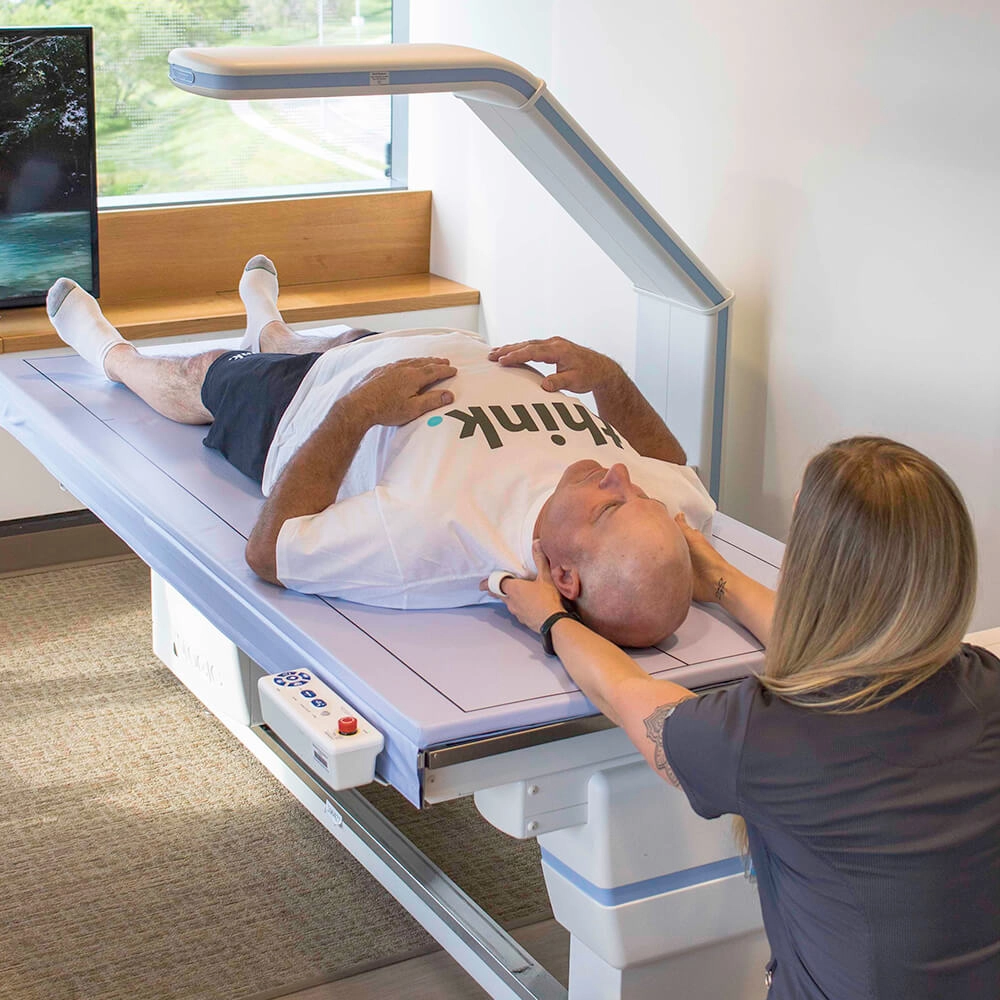
Measure exact bone mineral content in the lumbar spine and hip joints using dual-energy X-ray absorptiometry. This screening identifies early bone thinning to assess the risk of osteoporosis.
Lab Services
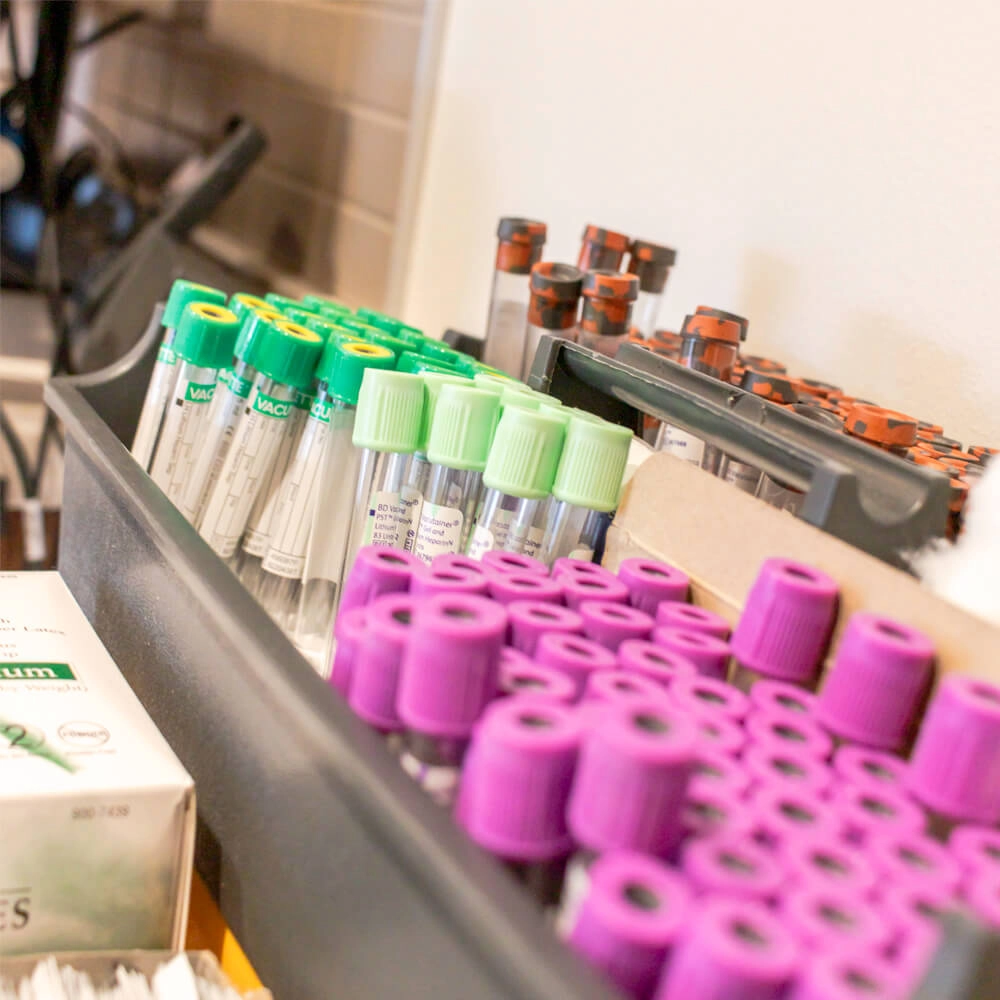
Undergo comprehensive blood panels, urinalysis, and microbiological cultures. On-site processing provides rapid, accurate data to track immune responses, metabolic changes, and liver functions.
Radiology
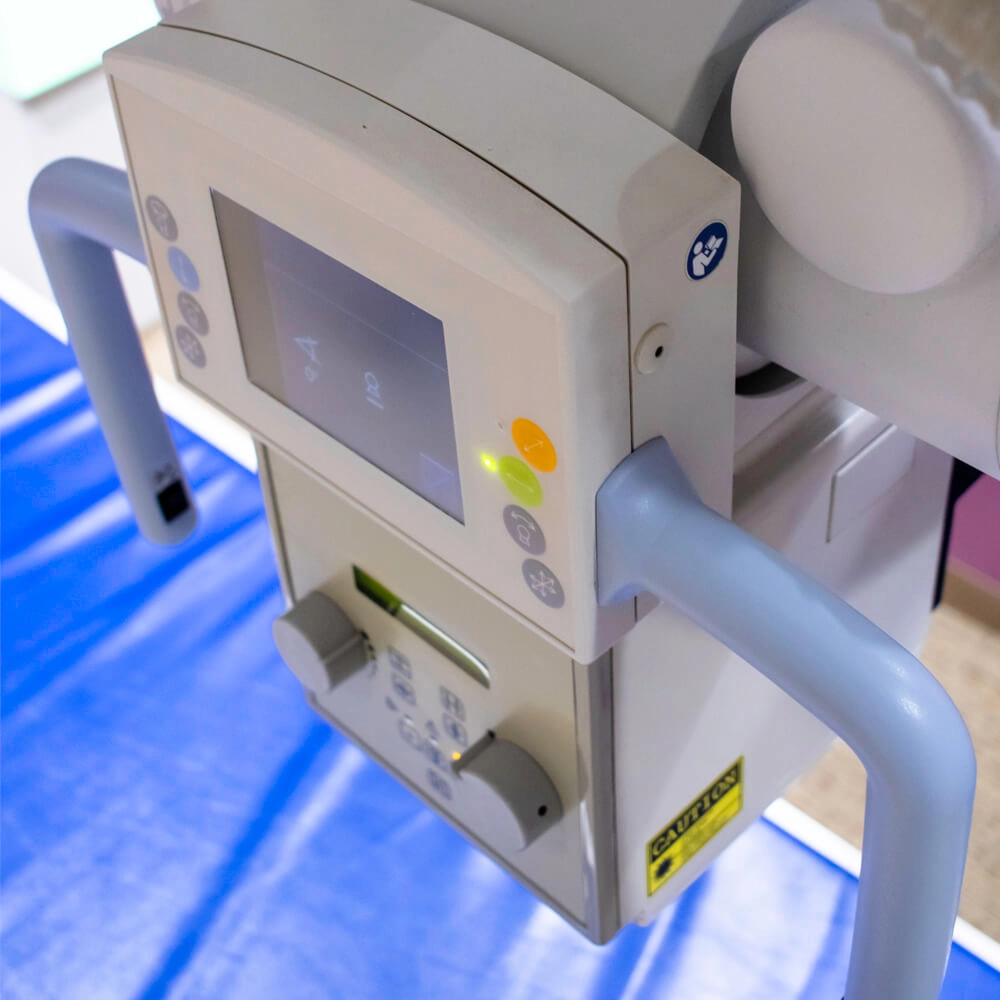
Access digital X-rays, ultrasound imaging, and computed tomography (CT) scans to evaluate acute traumas or track chronic conditions. Digital workflows ensure rapid image access for your complete care team.
Why diagnostics matter for your health journey?
Your body works as a connected system. For example, high blood sugar can harm the small blood vessels in your eyes, and plaque in your arteries can raise heart risks and affect your movement. If your tests are done at different centers, your results might not be linked to your main health records. To protect your health, it’s important to have one place where all your test results are reviewed together. At think diagnostic testing is an integral part of your health care. We look at your cell counts, cholesterol, bone strength, and heart health, along with your lifestyle and medications, to help us see the full picture of your health, protect your organs from disease, reduce the hassle of visiting multiple testing centers, and ensure your treatment fits your needs.
Our diagnostic team of licensed and board-certified health professionals.
Our diagnostic department is staffed by licensed medical laboratory scientists, registry-certified radiologic technologists, sonographers, and board-certified radiologists who possess advanced training in analytical chemistry, sterile patient positioning, and low-dose radiation mechanics. Our diagnostic professionals maintain active credentials with national medical registries to ensure our testing and processing protocols match current evidence-based quality standards.
Our diagnostic team functions as a central link within your circle of care. They process your samples and scans on-site and transmit the resulting verified data directly into our shared electronic health record system, keeping your primary care doctor and internal specialists synchronized. The close internal alignment ensures your values and imaging reports are reviewed collectively against your active treatment history, placing experienced, coordinated medical data at the center of your daily care.
Our Approach to Diagnostics.
Traditional healthcare often waits until illness is advanced before ordering tests, and patients may have to visit different locations for lab work and imaging. Our approach centers completely on Whole Person Healthcare. When scheduling your diagnostic tests and scans, we evaluate your complete electronic medical chart, noting how your lifestyle baselines, hereditary risks, and active prescription profiles overlap.
Our physicians, technologists, and clinical support staff form a circle of care with the patient at the center. Guided by our core values, we develop diagnostic workflows that manage health screening requirements efficiently. Your diagnostic technician sends your verified records directly to your entire care circle through our unified internal network, ensuring your preventative monitoring and corrective treatments are clear, consistent, and highly effective.
Ready to take the next steps in your health journey, but have questions?
If you need lab blood tests, a bone density scan, or a coronary calcium CT scan, our team is here to help you schedule and coordinate your care. Contact us if you have questions about our providers, insurance, or services. There’s no better time to start your journey to better health.
Frequently Asked Questions.
Medical diagnostic services include a broad scope of clinical laboratory testing (such as complete blood counts, lipid panels, and metabolic profiles) and diagnostic radiology modalities (including digital X-rays, ultrasound imaging, CT scans, DEXA bone density screenings, and coronary calcium scoring).
A coronary calcium scoring CT scan is a non-invasive, non-contrast imaging procedure. Preparation is simple; you are typically instructed to avoid caffeine, tobacco products, and energy supplements for 4 hours prior to the scan to ensure a stable resting heart rate. You should wear loose, comfortable clothing without metal fasteners or jewelry.
Referral and prescription criteria depend entirely on your specific insurance provider and policy structure. Most diagnostic tests and advanced imaging scans require a formal medical order from a licensed healthcare provider to confirm medical necessity. Our registration team can check your network parameters and transfer external orders before you arrive.
Doctors order a DEXA scan to measure exact mineral density profiles within your hip and lumbar spine. This low-dose bone densitometry evaluation allows your provider to detect early bone thinning (osteopenia) or confirm osteoporosis before structural fractures occur, helping them build proactive safety and nutritional plans.
Because our laboratory and radiology facilities are located under one roof within our primary Omaha center, routine blood tests and digital X-rays are frequently processed, verified, and sent to your ordering physician within a few hours. Specialized imaging interpretations or complex microbial cultures may require 24 to 48 hours for final verification.
Written by thinkpress copywriters | Medically Reviewed by Name, Credential, board-certified of TITLE.