




Trusted Podiatry care for healthy feet.
Our feet carry us around day in and day out, and form the foundation of our movement. They should not be left out of your healthcare experience. With podiatrists in the think podiatry department, you can count on having access to a trusted team of foot and ankle specialists. We specialize in all conditions of the foot and ankle, including forefoot, rearfoot, and ankle surgery, as well as limb salvage and preservation in diabetic and vascular pathology patients.
What is Podiatry?
Podiatry is a branch of medicine focused on the care of the feet, ankles, and lower legs. Each foot has 26 bones, 33 joints, and over 100 muscles, tendons, and ligaments. When something goes wrong, like an injury or illness, it can cause pain, limit movement, and even lead to problems in your knees, hips, or back.
A Doctor of Podiatric Medicine (DPM) completes years of specialized training focused only on the lower body. Podiatrists treat skin problems, fix bone and joint issues, help with sports injuries, and do reconstructive surgery. Since feet often show early signs of health problems like poor circulation or diabetes, podiatry is an important part of preventive care.
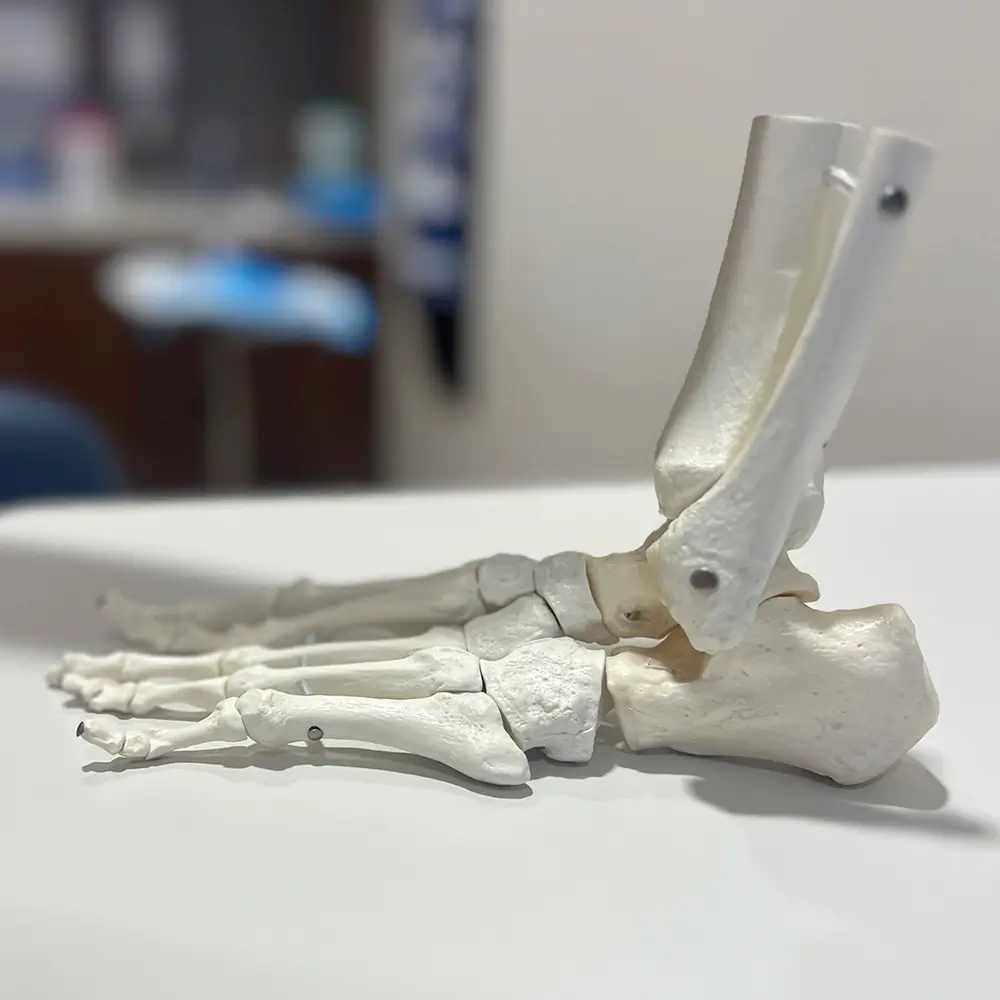
Our podiatry services and the conditions we treat.
Our podiatry department uses proven medical treatments, advanced diagnostic imaging, and therapeutic interventions to care for many different foot and lower extremity needs.
Diabetic Neuropathy
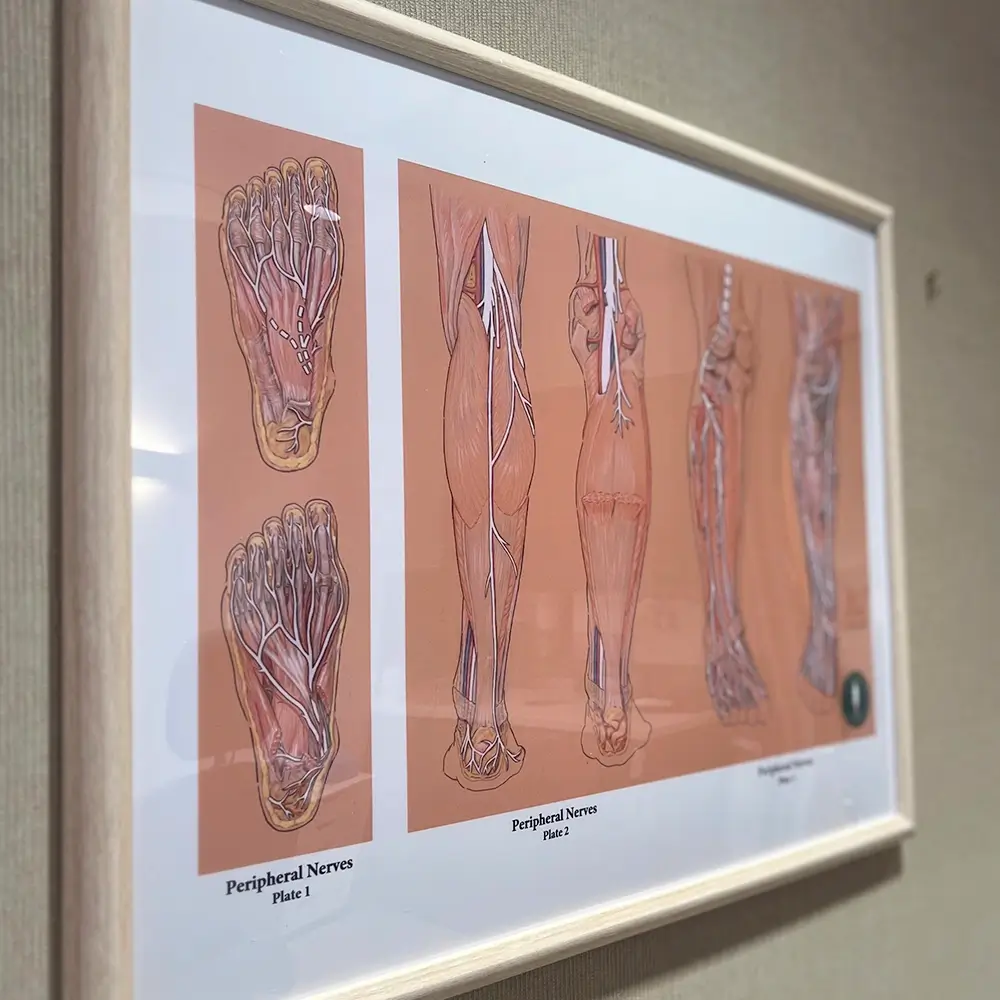
Conduct sensory tracking and nerve assessments to detect early signs of diabetic neuropathy. Proactive protocols protect desensitized limbs from undetected wounds.
Peripheral Nerve Injuries and Pain
Manage localized hypersensitivity, burning sensations, or numbness caused by lower leg nerve trauma. Focused therapeutic strategies support long-term nerve health.
Wound Care
Manage non-healing ulcers and complex skin breakdowns with advanced wound therapies. Our coordinated approach supports tissue repair and prevents deep bone infections.
Achilles Tendon
Manage inflammation, micro-tearing, or acute ruptures of the heel tendon. Our care teams use customized immobilization protocols and structured exercises to restore tissue elasticity.
Ankle Sprains
Treat ligament stretches or tears resulting from inversion or eversion injuries. Early stabilization and targeted rehabilitation restore lateral joint stability and prevent chronic weakness.
Foot and Ankle Fractures
Stabilize bone breaks using rigid immobilization or internal fixation techniques. Serial digital imaging tracks bone healing to support a safe return to weight-bearing activities.
Sports Medicine
Treat acute lower extremity traumas and repetitive stress injuries in athletes. Focused mechanical evaluations restore performance and reduce future injury risk.
Bunions
Address progressive bony misalignments of the first metatarsophalangeal joint. We balance conservative offloading techniques with precise surgical realignments to restore proper foot contours.
Hammertoes
Correct contractures of the interphalangeal joints that cause toes to bend downward. We use protective orthotics and minor surgical options to relieve joint friction.
Foot and Ankle Surgery
Perform corrective procedures for complex rearfoot deformities, severe arthritic joints, and traumatic injuries. Post-surgical care coordinates with our physical therapy pods.
Flat Feet
Manage structural fallen arches that cause excessive pronation and abnormal strain. Custom orthotics redistribute weight-bearing forces to stabilize ankle, knee, and hip mechanics.
Foot Chair Orthotics
Use customized, pressure-mapped orthotic supports to accommodate rigid structural misalignments. These interventions reduce mechanical friction and protect vulnerable soft tissues.
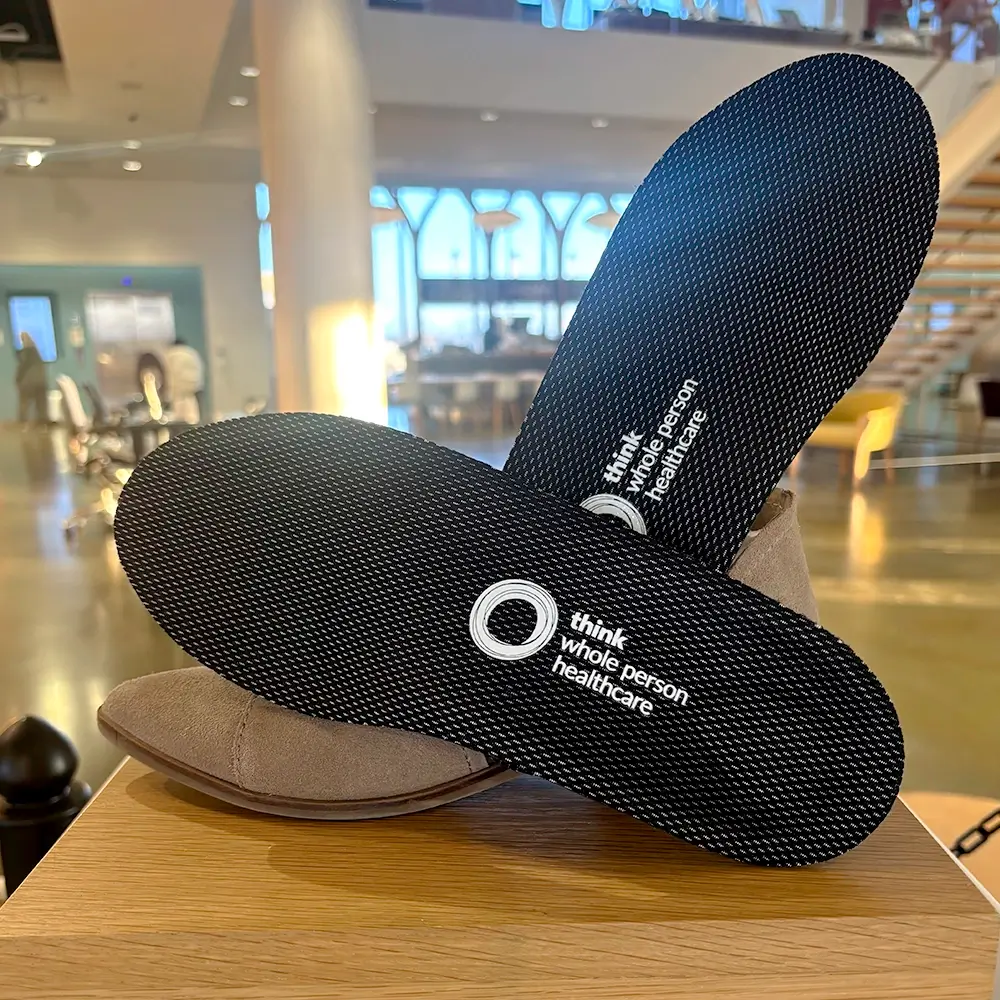
Custom Orthotics
Design individualized prescription inserts from precise anatomical scans of your feet. These orthotics balance your gait and reduce pathological strain on soft tissues.
Heel Pain
Diagnose the exact structural or mechanical stress points causing acute posterior or plantar heel discomfort. Coordinated treatment plans target localized tissue tension directly.
Heel Spurs
Address bony outgrowths that develop on the calcaneus bone structure. We focus on reducing soft-tissue tension around the spur to eliminate localized weight-bearing pain.
Plantar Fasciitis
Treat inflammation of the thick connective tissue band supporting your arch. Structured stretching, custom supports, and localized therapies relieve severe morning heel discomfort.
Common Peroneal Nerve Conditions
Treat compression or trauma affecting the lateral knee nerve segment. Focused clinical tracking addresses secondary numbness, tingling, and motor dysfunction along the lower leg.
Drop Foot | Partial Drop Foot
Evaluate neuromuscular deficits that impair your ability to lift the anterior foot structure. We implement stabilization frameworks and orthotic interventions to support a safe gait.
Nerve Injuries
Diagnose and treat lacerated, stretched, or compressed peripheral nerve paths. Advanced neuro-tracking protocols restore sensory signaling and motor function.
Neuroma (Morton’s)
Relieve intermetatarsal nerve thickening that causes burning discomfort in the forefoot. We utilize targeted injections, offloading, and decompressive techniques to reduce nerve friction.
Tarsal Tunnel Syndrome
Relieve tibial nerve compression inside the medial ankle tunnel structure. Specialized protocols address secondary burning, tingling, and arch discomfort efficiently.
Ankle Pain
Identify the mechanical, arthritic, or nerve-related factors causing ankle joint discomfort. We use digital diagnostics to isolate the source and establish an objective baseline-tracking plan.
Arthritic Foot Care
Slow joint degeneration caused by osteoarthritis, rheumatoid arthritis, or gout. We design conservative management plans to control inflammation and preserve mobility.
Foot Pain
Isolate hidden structural, vascular, or neurological abnormalities causing generalized foot discomfort. Diagnostic pathways determine the root cause of your symptoms.
Geriatric Foot Care
Preserve independent mobility and tissue health for seniors. We manage age-related structural changes, reduced circulation, and nail thickness with regular clinical tracking.
Athletes Foot
Eradicate persistent fungal infections affecting the cutaneous layers of the foot. Our topical and systemic approaches resolve scaling, burning discomfort, and secondary bacterial risks.
Corns
Remove painful layers of hyperkeratotic tissue caused by recurrent mechanical friction. Our specialists debride the lesion and adjust shoe mechanics to prevent recurrence of the tissue.
Ingrown Toenails
Relieve localized pain and border swelling caused by nail plates embedding into the surrounding skin. We perform clean, on-site border removals to prevent bacterial tissue infections.
Plantar Warts
Eradicate deep cutaneous viral lesions caused by localized HPV strains. We use targeted chemical or physical interventions to safely clear the infection.
Toenail Fungus
Treat thick, discolored, or brittle nail plates caused by deep dermatophyte infections. We utilize oral, topical, and laser therapies to clear the subungual space.
Why podiatry matters for your mobility and health.
Podiatric medicine aims to keep your legs and feet working their best. By catching problems early, like changes in structure, skin issues, or blood flow concerns, podiatrists help you stay mobile. Staying active is important for your heart, metabolism, and mental well-being.
In our approach, we look beyond just symptom relief. We focus on preventing problems before they start, so you can avoid serious issues down the road. For instance, good foot care can stop a small blister from turning into a serious infection and help you stay out of the hospital. We want your feet to give you a steady, dependable base for everyday life.
Meet your Podiatrists.
Our podiatry department is led by board-certified Doctors of Podiatric Medicine who bring extensive residency training and clinical experience to our Omaha center. Our specialists maintain active credentials with national podiatric boards and stay current on advanced reconstructive techniques and wound care therapies.
At think, our providers value one another’s diverse talents and perspectives. Our podiatrists work closely with our primary care doctors, physical therapists, and other specialists to ensure your treatment plan is coordinated and comprehensive. By working together, we offer dependable, high-quality care focused on you.

Mary Heimes, DPMPodiatry
Accepting New Patients

John Weremy, DPMPodiatry
Accepting New Patients
Our whole person care approach to podiatry.
Many traditional clinics focus only on a single symptom, like an arch problem or a skin issue, without looking at how your overall health affects your feet. We do things differently by focusing on Whole Person Healthcare. When we create your treatment plan, we look at your full medical history and consider how things like circulation, blood sugar, and your daily habits all work together.
Our physicians form a circle of care with the patient at the center. Guided by our core values, we design treatment plans that address the root causes of lower extremity discomfort. Your podiatrist communicates directly with your care team through our shared electronic health record system. This integrated structure ensures your treatment is clear and consistent, saving you time and protecting your health journey.
Ready to take the next steps in your health journey but have questions?
If you have ongoing foot pain, notice changes in your feet, or require routine preventative evaluations, our team is ready to coordinate your care. Contact us today if you have general questions about our providers, insurance, or our services. Now is the best time to start your journey toward better health.
Frequently Asked Questions.
A podiatrist is a Doctor of Podiatric Medicine (DPM) who diagnoses, treats, and helps prevent conditions with the foot, ankle, and lower leg. They go through medical school and residency focused on these areas, so they can offer treatments like custom orthotics, conservative care, and surgery when needed.
You should see a podiatrist if you have ongoing foot or ankle pain, changes like bunions, skin problems, or a wound that is slow to heal. If you have diabetes, it is important to visit a podiatrist at least once a year for a checkup, even if you do not have any pain.
During your initial consultation, your podiatrist will conduct a comprehensive evaluation of your lower extremity health. They will ask about your medical history, watch how you walk, test your nerves, and check your circulation. If needed, they can do digital imaging right away to help find the cause of your problem.
We treat many foot and ankle problems, such as plantar fasciitis, ingrown toenails, bunions, hammertoes, fungal nail infections, and ankle sprains. We also offer advanced care for diabetic feet, make custom orthotics, and perform complex surgeries when needed.
Yes. We offer complete diabetic foot care to help prevent problems and keep your feet healthy. Our services include nerve screenings, advanced wound care for ulcers, and special plans to manage blood flow issues, working closely with your endocrinologist.
We look at each case of heel pain to find the cause, like plantar fasciitis or a heel spur. Treatments may include custom orthotics, stretching routines, and night splints. If pain continues, we also offer advanced treatments like MLS laser therapy or shockwave therapy.
Yes. Our sports medicine services manage acute traumas and repetitive strain injuries, including ankle sprains, stress fractures, and Achilles tendon issues. We focus on correcting mechanical imbalances and designing progressive rehabilitation plans to support a safe return to athletic activities.
Written by thinkpress copywriters | Medically Reviewed by Mary Heimes, DPM, Credential, Doctor of Podiatric Medicine.