




Clear vision through optometry is a cornerstone of your whole-person health.
Visual acuity and ocular tissue tracking are central components of long-term physical health. Our optometry department provides diagnostic precision, routine vision assessments, and clinical management to address refractive errors, manage ocular diseases, and monitor systemic changes that affect your vision. Our medical center establishes an organized framework where patients receive detailed clinical attention to protect their vision and maintain daily comfort.
Our clinic operates under a physician-led, integrated care model. At Think, your visual health is evaluated in conjunction with your complete physiological profile. Your optometrist coordinates directly with your primary care physician, endocrinologists, physical therapists, and clinical pharmacists within the same Omaha facility. This unified structure supports accurate tracking of chronic conditions, eliminates fragmented specialty referrals, and reduces unnecessary out-of-pocket costs by preventing avoidable emergency room visits.
What is Optometry?
Optometry is the specialized branch of healthcare dedicated to the evaluation, preservation, and clinical management of the visual system and its associated structures. The human eye is a sensitive sensory organ that acts as a direct extension of the central nervous system. Refractive errors, intraocular pressure elevations, and microvascular changes within the retina can impair vision and indicate broader, underlying medical changes.
A Doctor of Optometry (OD) completes extensive undergraduate education followed by a four-year professional doctorate program focused on ocular anatomy, pharmacology, biochemistry, and visual science. Optometrists are trained to perform precise refraction testing for corrective lenses, diagnose complex tissue diseases, treat localized infections, and monitor the ocular manifestations of systemic chronic illnesses like diabetes or hypertension. Early identification through optometric evaluation is key to preventing permanent vision impairment.
Our Optometry Services.
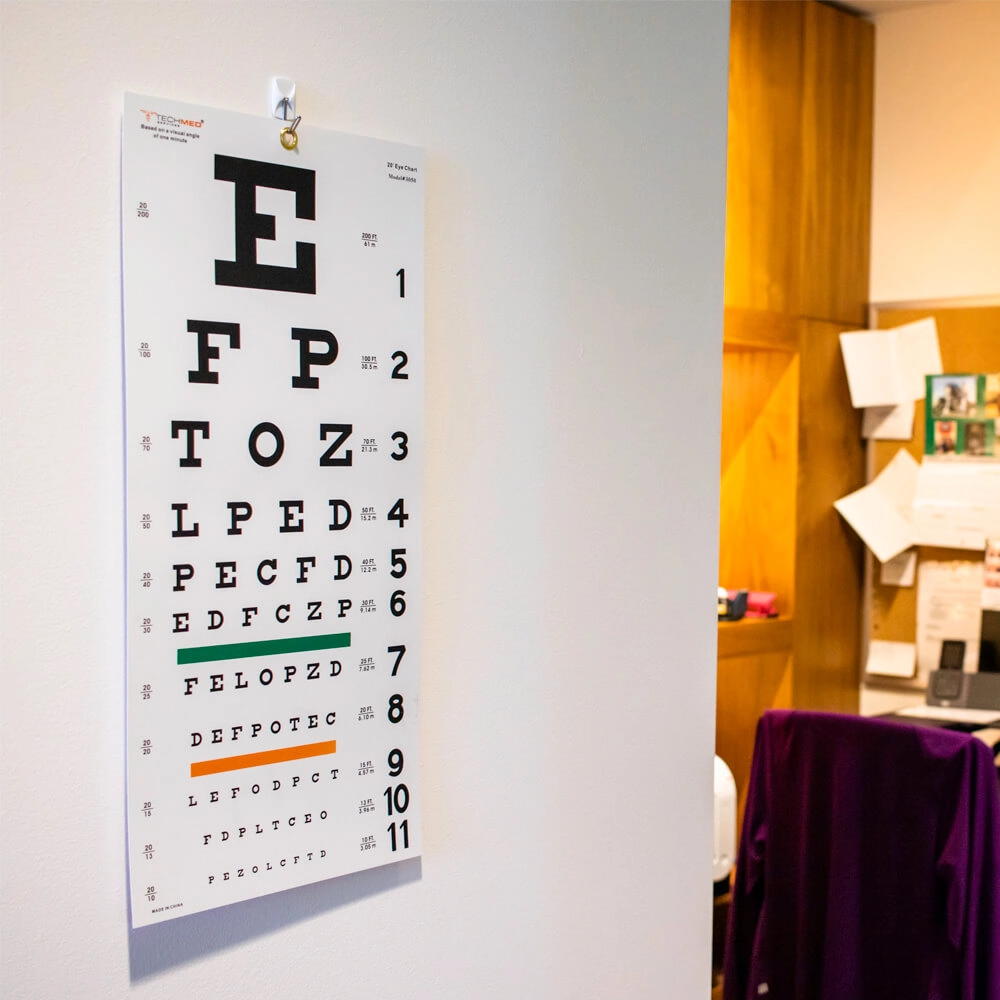
Our optometry team offers complete vision care and thorough eye exams to help protect your eye health over time. With all services under one roof, our optometrists focus on getting your prescription right, screening for diabetic eye issues, and spotting conditions like glaucoma early. We add your vision information to your main medical record so your care is easily coordinated with your primary doctor.
Vision, Eye Exam
Receive comprehensive acuity testing, refraction mapping, and structural assessments. These evaluations provide accurate lens prescriptions and establish a baseline for your ocular health.
Ocular Disease
Receive specialized monitoring for conditions affecting the retina, cornea, and optic nerve. Treatment plans are coordinated directly with your primary medical team.
Cataracts
We monitor the progression of lens clouding, track structural changes, manage visual limitations, and coordinate care before and after surgery.
Glaucoma
We evaluate internal eye pressure and protect the optic nerve from damage. Our care combines precise monitoring with targeted therapies to preserve vision.
Eye Infections
We diagnose and treat bacterial, viral, and allergic conjunctivitis, as well as corneal inflammation. Evidence-based treatments eliminate pathogens and reduce swelling.
Why Optometry matters to your whole person health journey.
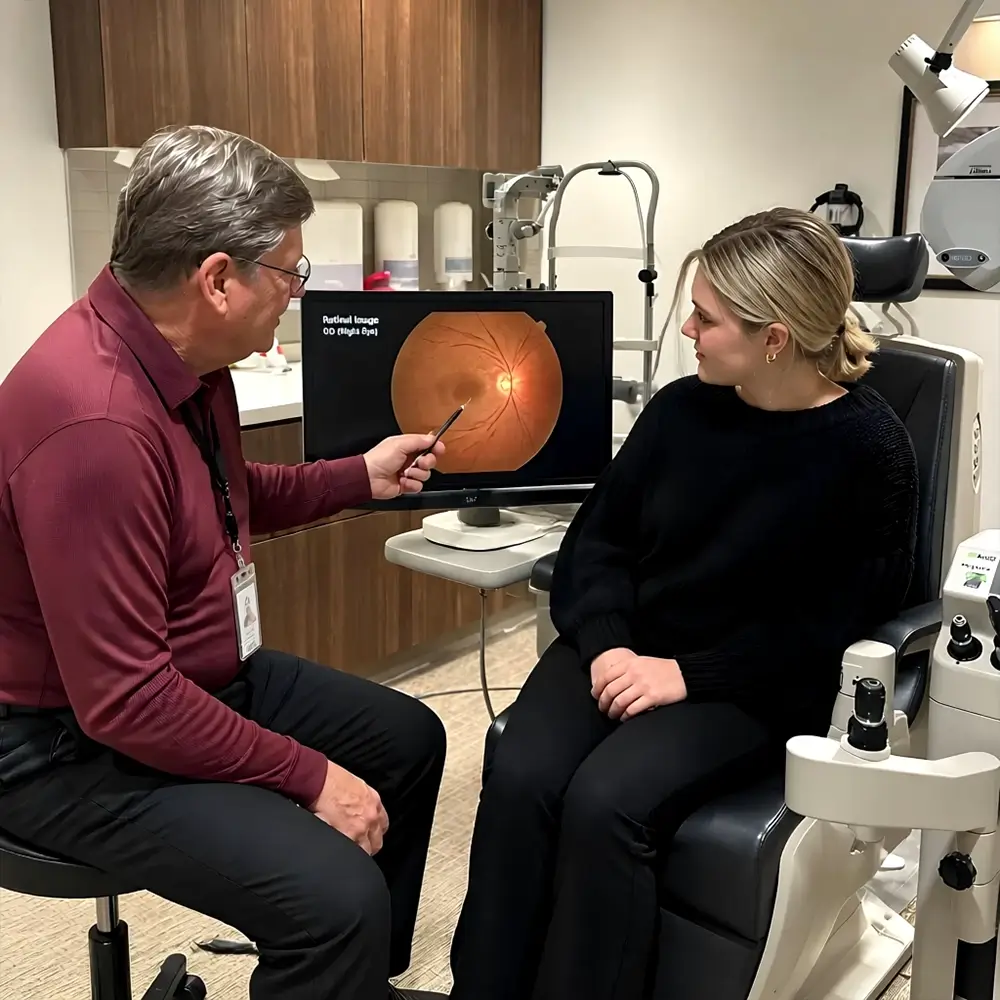
The eye is special because it lets us see blood vessels, nerves, and tissues directly, without any invasive tests. That means an eye exam does more than just check your vision, it can give early clues about your overall health. For example, small changes in the retina can be the first signs of diabetes, high blood pressure, or high cholesterol, even before these show up in lab tests.
At think, we make your eye care part of your lifelong health plan. We look at your eye health along with your blood sugar, blood pressure, and lifestyle to spot any long-term changes early. This careful tracking helps protect your vision, find the real causes of health problems, and keep your care fully coordinated.
Meet your Optometrists.
Our optometry department is led by licensed Doctors of Optometry with advanced training and years of experience at our Aksarben Campus. Our optometrists work closely with primary care doctors, specialists, and pharmacists to make sure your eye treatments fit with your other prescriptions. By working together, we can manage conditions like diabetic retinopathy as a team and keep your long-term health as our main focus.

Steven Gradowski, FAAO, ODOptometry
Accepting New Patients

Tim Meyer, ODOptometry
Accepting New Patients
Our whole-person approach to Optometry.
Many traditional optometry practices focus only on prescribing glasses or contact lenses, without looking at how your overall health affects your vision. We do things differently by focusing on Whole Person Healthcare. When we create your treatment plan, we review your full medical history and consider how factors like blood sugar, heart health, and current medications impact your eyes.
Our doctors work together with you at the center of your care. We follow our values that guide us as we create treatment plans that address the real causes of changes in your vision and health. Your optometrist stays in touch with your care team using our shared electronic health record system. This setup keeps your treatment clear and consistent, helping you save time and stay healthy.

Ready to take the next steps in your health journey, but have questions?
If you are experiencing changes in your vision, require a routine eye exam, or need ongoing tracking for an ocular condition, our team is ready to coordinate your care. Complete the form below to submit an inquiry to our registration desk.
Frequently Asked Questions.
An optometrist (OD) is a Doctor of Optometry who specializes in routine vision care, prescription lenses, and the medical diagnosis and management of ocular diseases and infections. An ophthalmologist (MD or DO) is a medical doctor who specializes in surgical interventions for advanced eye traumas, advanced cataracts, or reconstructive procedures. Both professionals coordinate closely within modern care pathways.
If your vision is stable, you should have a comprehensive eye exam every one to two years. If you have diabetes, high blood pressure, a family history of glaucoma, or wear corrective lenses, you should get checked at least once a year to keep your eyes healthy and catch any changes early.
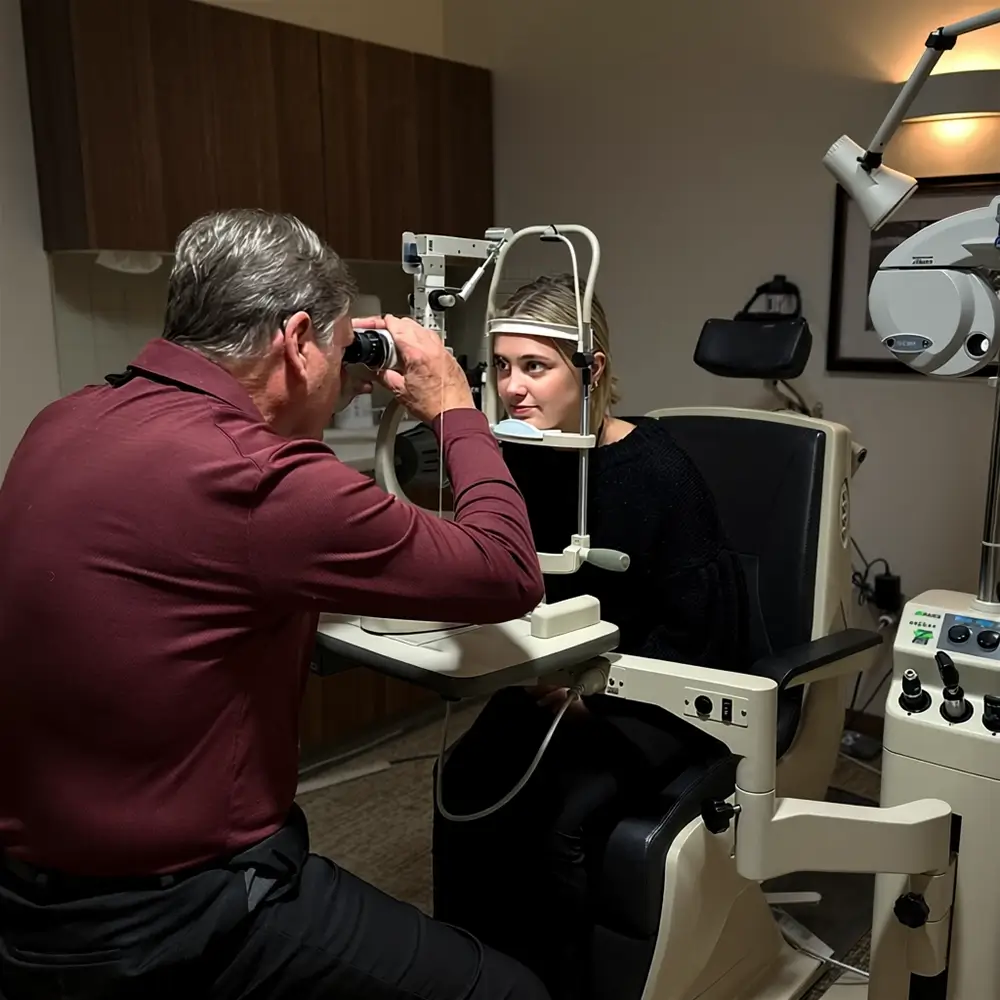
At your first visit, your optometrist will ask about your medical history and lifestyle. They will check how well you see, look for vision problems, test your eye muscle alignment, measure eye pressure, and examine your retina and optic nerve with modern digital tools.
Eye diseases like glaucoma often develop without pain or clear symptoms at first. If you notice your side vision getting worse, sudden blurry vision, ongoing dry eyes, flashes of light, new floaters, or pain and redness in one area, you should get checked right away.
Whether you need a referral depends on your insurance plan. Many vision and medical plans let you book routine eye exams directly. For specialized medical eye care, your insurance might need a referral from your primary doctor. We can check your plan details for you before your visit.
To treat chronic dry eye, we first find out if it is due to not enough tears or poor tear quality. Treatments can include artificial tears, prescription anti-inflammatory drops, or tiny plugs to help keep your natural tears. Your treatment will be matched to your needs and lifestyle.
Yes. High blood sugar can harm the tiny blood vessels in your retina, causing diabetic retinopathy. These changes can be seen during a dilated eye exam, often before you notice any vision problems. That’s why optometrists are often the first to spot signs of diabetes.
Written by thinkpress copywriters | Medically reviewed by Timothy Meyer, OD, Doctor of Optometry.