




Radiology and Coordinated Diagnostic Imaging.
Diagnostic medical imaging is a structural requirement for accurate identification, tracking, and management of both short-term physiological issues and chronic illnesses. Our on-site radiology department provides advanced digital technologies and clinical oversight to capture precise anatomical records. Patients receive detailed clinical attention to isolate underlying pathologies, monitor structural metrics, and deliver verified data to their managing physicians in an organized framework.
Our physician-led, integrated care model means your diagnostic scans are always considered alongside your full medical history. Our radiologic technologists and board-certified radiologists work closely with your primary care doctor, care coordinators, and specialists here in Omaha. This teamwork keeps your records up to date, removes common administrative hassles, and helps lower your costs by avoiding unnecessary repeat tests.
What is Radiology?
Radiology is a medical field that uses non-invasive imaging to help diagnose, monitor, and treat diseases inside the body. It uses advanced science and technology, including low-dose radiation, high-frequency sound waves, and strong magnets, to create detailed pictures of bones, soft tissues, and blood vessels.Radiologists are doctors who specialize in diagnosing and treating injuries and diseases using imaging tools like X-rays, CT scans, MRI, PET scans, and ultrasound. Our team follows strict safety rules set by federal and state agencies and the American College of Radiology (ACR), carefully monitoring radiation levels to keep patients safe. By turning complex images into clear information, radiology helps doctors make accurate treatment decisions.
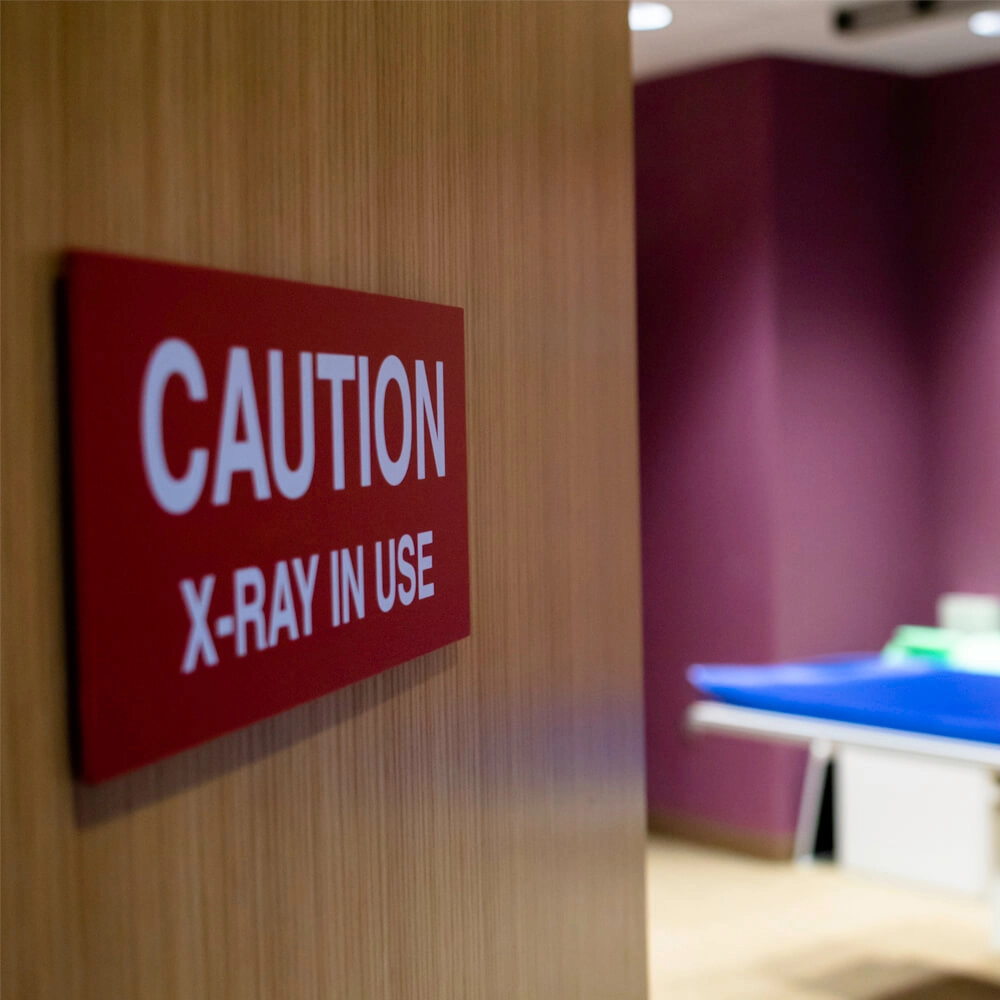
Our radiology and medical imaging services.
We organize our diagnostic imaging options into clear categories to make it easier for you and your care team to find the right tests and follow a structured care plan.
Ionizing Radiation and Structural Cross-Sectional Imaging
These methods use carefully controlled, low-dose X-rays to create clear images of your bones, organs, and soft tissues.
X-Ray
Access fast, digital radiographic imaging to evaluate skeletal fractures, track joint degeneration, and screen for pulmonary conditions. Digital formatting lowers radiation exposure and delivers immediate image access to your provider.
CT Scan
Undergo computed tomography imaging that combines a series of X-ray views taken from different angles to create cross-sectional images of soft tissues, bone structures, and blood vessels. This technique isolates hidden internal traumas and complex organ pathologies.
DEXA Bone Density Scan
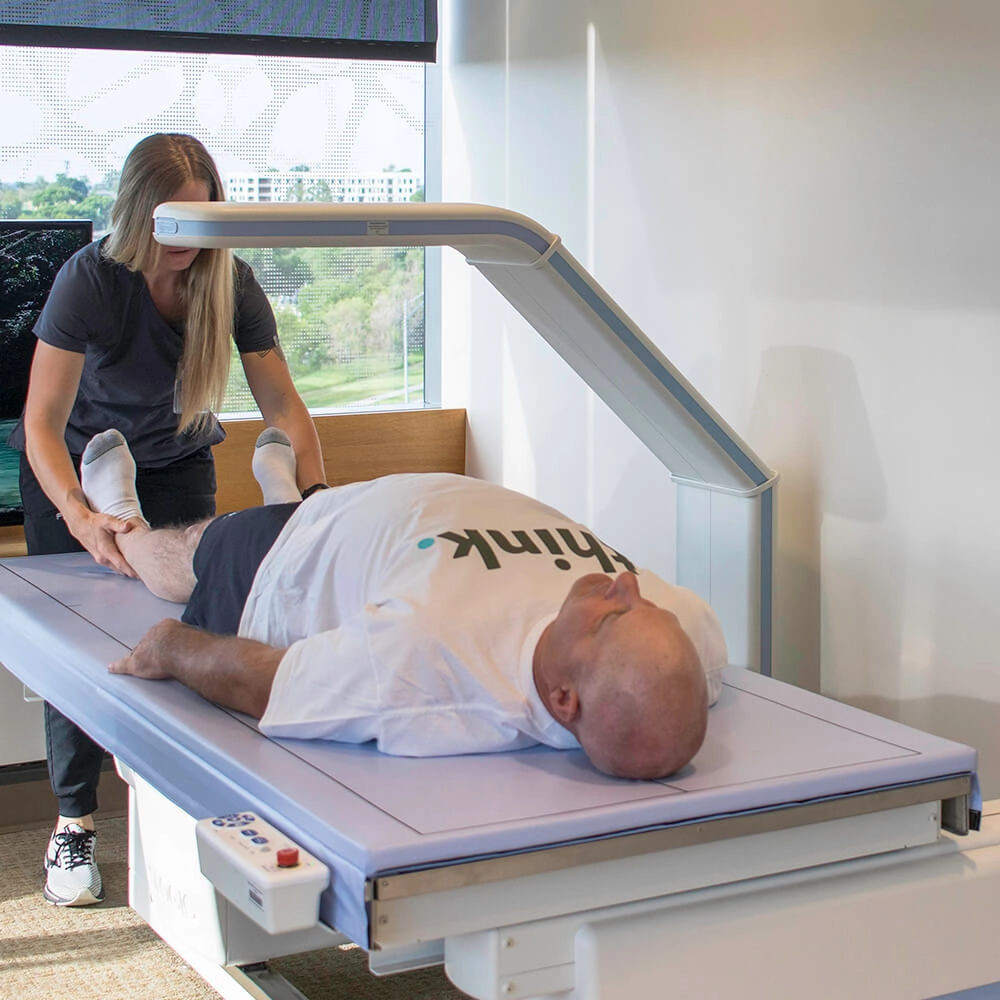
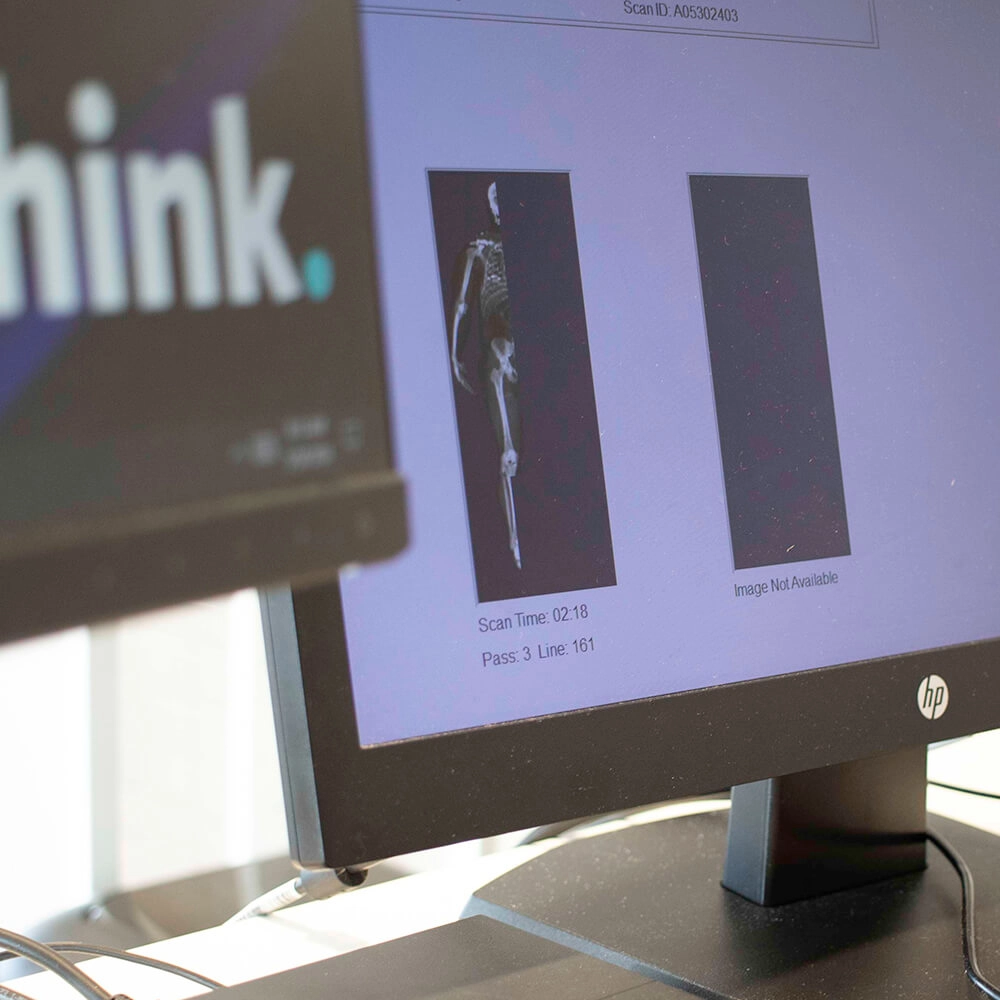
Utilize dual-energy X-ray absorptiometry to measure exact mineral density profiles within the lumbar spine and hip joints. This baseline screening identifies early bone thinning and tracks systemic osteoporosis risks.
High-Frequency Acoustic and Preventive Screenings
We use sound waves and specialized imaging with minimal radiation to examine soft tissues and support early breast health screening.
Mammography
Access low-dose digital screening and diagnostic breast imaging to catch tissue abnormalities early. Our protocols align with national preventive standards to support long-term monitoring of metabolic and hormonal health.
Ultrasound Imaging
Track deep organ performance, vascular blood flow dynamics, and musculoskeletal tissues using high-frequency acoustic waves. This non-radiation modality delivers real-time diagnostic observations.
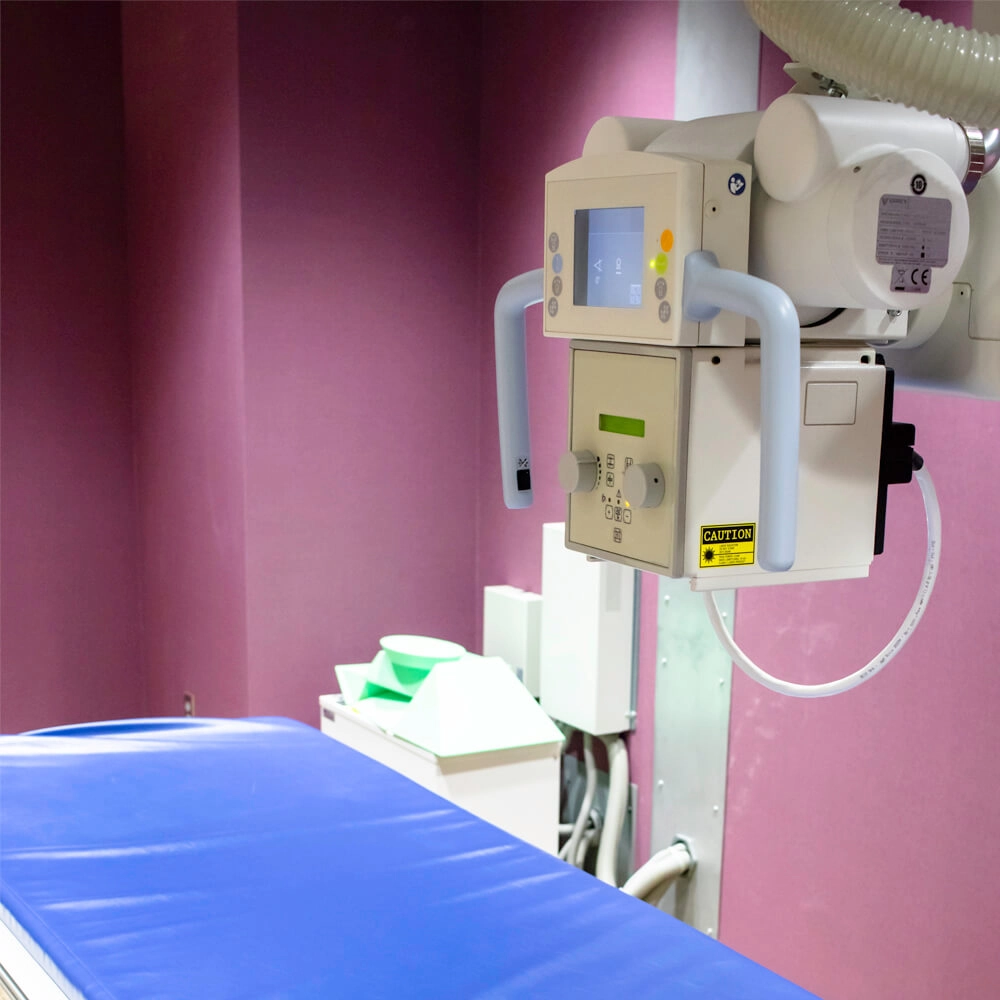
Why radiology matters to your health journey.
Your body works as a connected system. For example, problems in a joint can affect how you walk, your movement, inflammation levels, and even your mood. If scans are done at outside centers, important information can get lost, leading to delays and uncoordinated care. Keeping your imaging and medical history together helps protect your health and function.
At Think Whole Person Healthcare, radiology is an important part of your overall health care. We review your imaging results, bone density, and ultrasound findings, along with your primary care and medication records, to get a full picture of your health. Our proactive approach helps protect your organs, saves you the hassle of visiting outside imaging centers, and supports your long-term well-being.
Meet Our Radiologists.
Our imaging team includes licensed technologists, sonographers, and board-certified radiologists with advanced training in patient care, safe use of low-dose radiation, and diagnostic skills. They keep their credentials up to date with national medical registries to make sure our safety and quality standards are always current.
At think, our radiology team functions as a central link within your circle of care. They process your scans on-site and transmit the resulting digital files directly into our shared electronic health record system, keeping your primary care doctor and internal specialists synchronized. This close internal alignment ensures your imaging reports are reviewed collectively against your active treatment history, placing experienced, coordinated medical data at the center of your daily care.
Our whole-person care approach to radiology.
Traditional healthcare often waits until illness has advanced before ordering tests, and patients may have to travel to different imaging centers. Our approach is different—we focus on Whole Person Healthcare. When we schedule your scans, we look at your full medical chart, including your lifestyle, family history, and current prescriptions.
Our physicians, technologists, and clinical support staff form a circle of care with the patient at the center. Guided by our values, we create diagnostic workflows that manage health screening requirements efficiently. Your imaging technician delivers verified records directly to your entire care circle through our unified internal network, ensuring your preventative monitoring and corrective treatments are clear, consistent, and highly effective.
Ready to take the next steps in your health journey, but have questions?
If you have a current order for an X-ray, need a routine mammogram, or need a special ultrasound or CT scan, our team is ready to help. Contact us if you have questions about our providers, insurance, or services. Now is a great time to start your journey to better health.
Frequently Asked Questions.
You can usually get standard digital X-rays for bones or basic chest checks as a walk-in during our regular hours, as long as you have an order from your doctor. For special tests like CT scans, ultrasounds, mammograms, or DEXA bone scans, you’ll need to make an appointment so we can prepare the room and staff.
A standard X-ray uses a single low-dose beam to make a flat image of dense parts of your body, like bones. A CT scan takes many X-ray images from different angles and combines them into thin, cross-sectional slices. This lets your doctor see soft tissues, organs, and blood vessels in much greater detail.
How you prepare depends on the area being checked. For an abdominal ultrasound, you’ll usually be asked to drink only water for 8 to 12 hours before your scan. This helps get clear images of your gallbladder, liver, and main blood vessels. For pelvic ultrasounds, you may need to drink a certain amount of water an hour before your appointment to fill your bladder, which helps us see the tissues better.
A DEXA scan is a low-dose test that measures bone mineral content, mainly in your spine and hips. Doctors use it to find early bone loss (osteopenia) or confirm osteoporosis before any fractures happen. This information helps your care team create plans for prevention, exercise, and nutrition to keep your bones strong.
Written by thinkpress copywriters | Medically Reviewed by Name, Credential, board-certified of TITLE.