
Diabetes Education and Coordinated Metabolic Training.
Managing diabetes or prediabetes means making lifestyle changes, monitoring your health, and following a clear treatment plan. Our diabetes education team provides clinical guidance, self-management tips, and behavioral training. These services help you control your blood sugar and lower other health risks. We give you personal attention so you can learn daily management skills and protect your long-term health.
Our program operates under a physician-led, integrated care model. At think, metabolic health is monitored through a unified network where your diabetes educator coordinates directly with your primary care physician, endocrinologists, physical therapists, and clinical pharmacists within the same Omaha facility. This collaborative structure ensures your metabolic data is shared accurately, removes the communication gaps common in traditional fragmented care systems, and lowers overall out-of-pocket costs by reducing avoidable acute complications.
What is Diabetes Education?
Diabetes education, once called DSMES, is an evidence-based service. It helps patients build skills to manage diabetes well. Instead of giving basic nutritional advice, it turns complex metabolic science into simple daily steps. Diabetes education shows how food, exercise, stress, and medicine change blood sugar levels.
A Certified Diabetes Care and Education Specialist (CDCES) is a licensed healthcare professional, such as a registered nurse, clinical pharmacist, or registered dietitian, who has completed rigorous advanced training and extensive clinical hours dedicated exclusively to diabetes care. These specialists evaluate individual behavioral habits, teach technical monitoring skills, and review preventative care measures. By focusing on patient empowerment and early lifestyle corrections, diabetes education prevents acute glucose spikes and drops, stabilizing your health timeline.

Our Diabetes Education Services.
Our Diabetes Education Services give you practical knowledge and personal support to help you take charge of your health. We offer self-management training, device education, and lifestyle advice, all tailored to your diagnosis and life stage. Whether you have Type 1, Type 2, or gestational diabetes, our specialists provide tools and coaching for stable blood sugar, using technology, and building healthy habits.
Type 2 Diabetes Management
Learn structured behaviors to lower insulin resistance, track daily glycemic trends, and implement safe nutritional frameworks. Training aims to protect vascular health.
Type 1 Diabetes Support
Master complex carbohydrate counting, daily background glycemic balancing, and preventative health habits. Clinical protocols focus on maintaining tight systemic glucose control.
Gestational Diabetes Counseling
Access specialized monitoring and dietary pathways to manage blood sugar levels safely during pregnancy. Education supports maternal and fetal health stability.
Insulin Administration Training
Receive direct guidance on safe injection techniques, injection site rotation, and precise dosing measurements. Training builds user independence and drug safety.
Continuous Glucose Monitor (CGM) Setup
Learn to apply sensors, interpret real-time trending arrows, and manage mobile tracking applications. Clinical tracking alerts users to rapid glucose shifts early.
Insulin Pump Therapy Optimization
Master programmatic basal rate adjustments, bolus calculations for meals, and hardware troubleshooting. Educators calibrate device usage to match your daily activity.
Nutritional Patterning and Carbohydrate Counting
Learn to evaluate food labels, measure macronutrient impacts, and structure balanced meals. Personalized guidelines stabilize post-meal glucose spikes.
Hypoglycemia and Hyperglycemia Prevention
Recognize early systemic warning signs of extreme blood sugar fluctuations. Education outlines precise protocols to treat dangerous glucose shifts safely.
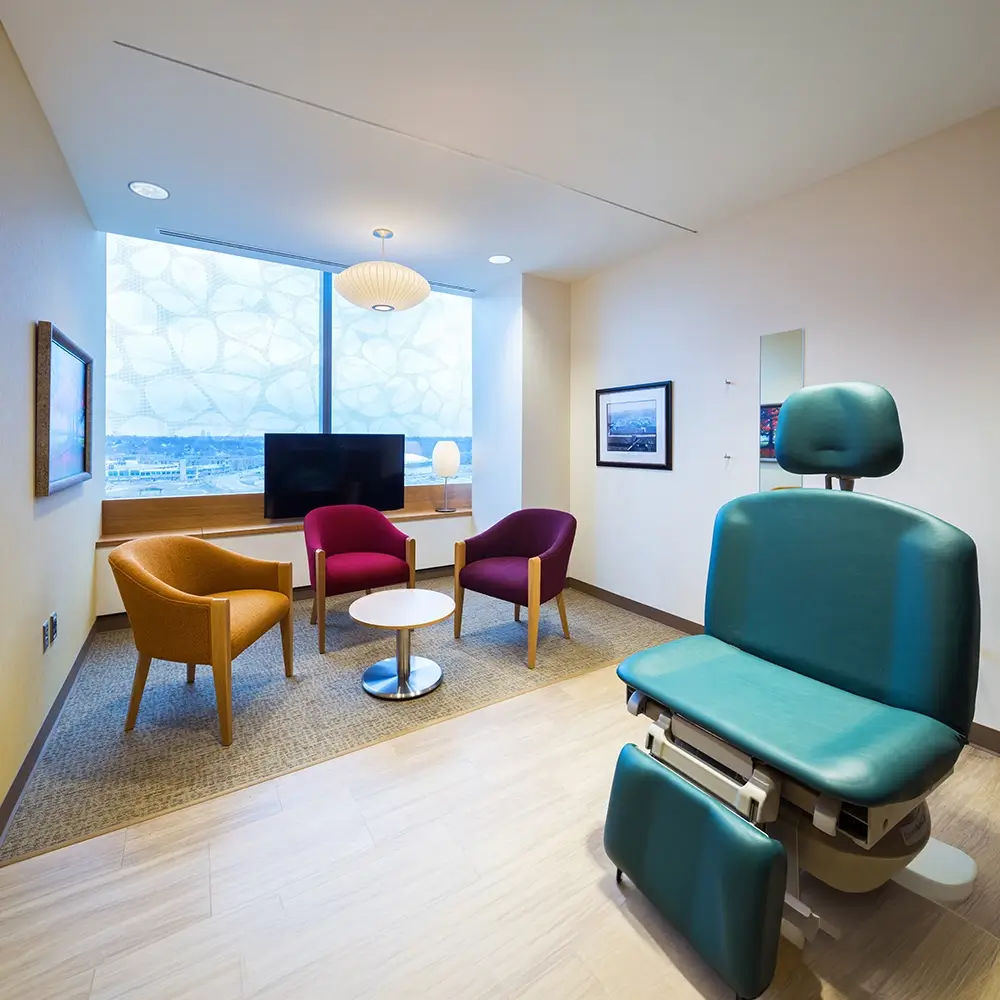
Why Diabetes Education matters to your whole-person health journey.
Your endocrine system is key to your overall health. Changes in blood sugar can harm microvessels, stiffen joints, and strain your heart. If care is scattered, treatments can be misaligned. This leaves patients handling complex lifestyle changes alone. To keep your metabolism healthy, your internal numbers and daily routines must work together.
At Think Whole Person Healthcare, diabetes education is a key part of your health journey. We review your nutrition, stress, and physical activity with your current A1C readings. Your diabetes educator keeps track of your whole well-being. This oversight helps protect organs, shortens time to meet goals, and connects your treatment to your quality of life.
Meet Your Providers.
Our diabetes education staff includes CDCES, nurses, and dietitians with advanced training. They keep up with regional and national diabetes standards. This ensures our methods are current. Your diabetes educator works with your primary doctor, endocrinologists, and pharmacists.
Our approach to Diabetes Education.
Traditional medicine often reacts to diabetes only after harm occurs. Patients then must manage care across separate clinics. Our approach is different and centers on Whole Person Healthcare. We review your entire medical record, lifestyle, prescriptions, and screenings for any connections.
Our physicians, specialists, and educational staff form a circle of care with the patient at the center. Guided by our whole-person health values, we design self-management plans that manage health requirements safely and transparently. Your diabetes educator communicates directly with your entire care circle through our shared electronic health network, ensuring your metabolic training and medical treatments are clear, consistent, and highly effective.
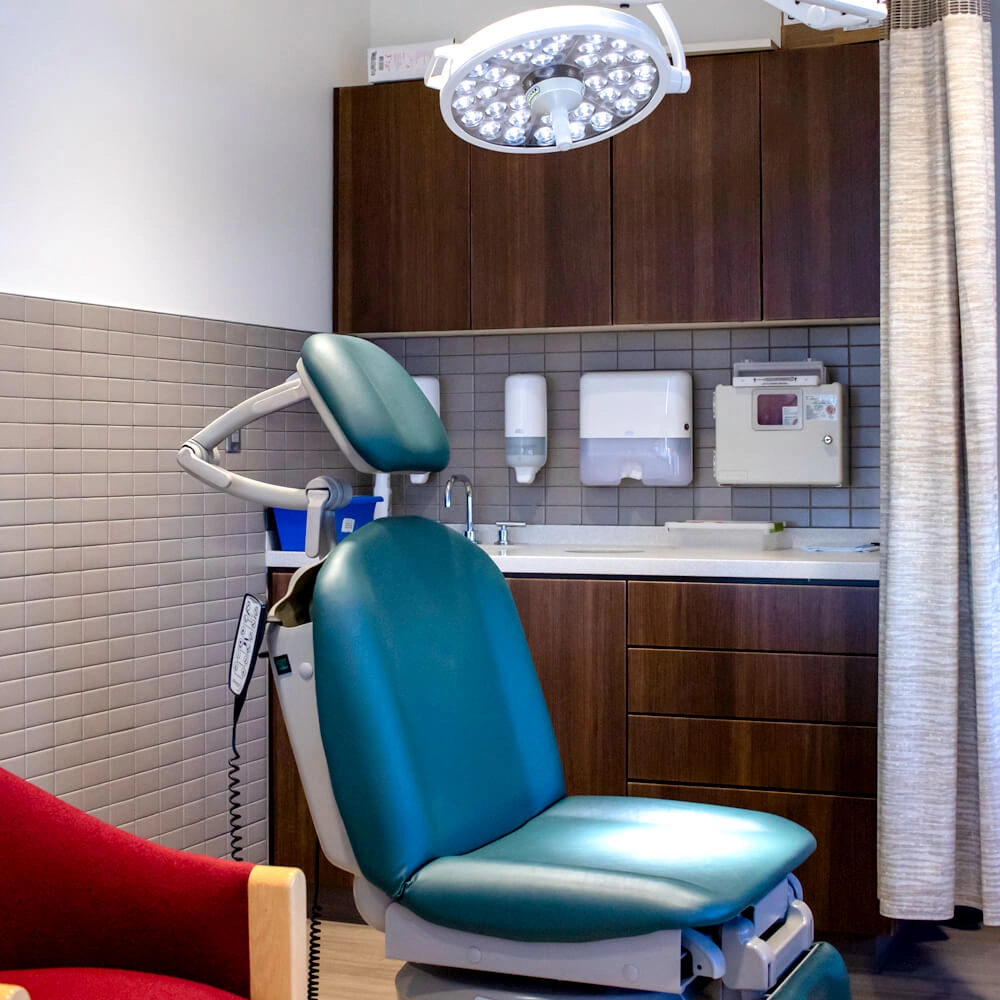

Ready to take the next steps in your health journey but have questions?
If you are ready to enroll in diabetes self-management training, learn to utilize a new continuous glucose monitor, or establish a coordinated metabolic management plan, our team is ready to support your care. Complete the form below to submit an inquiry to our Care Coordination team.
Frequently Asked Questions.
A diabetes educator is a healthcare professional who teaches you how to manage your diabetes effectively. They provide personalized training on tracking blood sugar levels, counting carbohydrates, interpreting device data, administering insulin safely, and developing proactive lifestyle habits to prevent chronic complications.
Any individual diagnosed with type 1 diabetes, type 2 diabetes, prediabetes, or gestational diabetes qualifies for educational services. Training is highly recommended immediately following a new diagnosis, during annual reviews, when changing medication types, or when experiencing unexplained shifts in your blood glucose readings.
Managing blood sugar levels requires balancing your nutritional choices, regular physical activity, and prescribed therapies. Tracking your glucose metrics consistently using a glucometer or continuous glucose monitor helps you identify how specific foods and stress impact your body, allowing you to make clear adjustments.
Referral criteria depend entirely on your specific insurance provider and policy structure. Many health networks require a formal prescription from your primary care doctor or endocrinologist to cover Diabetes Self-Management Education (DSME) benefits. Our registration team can check your coverage options before your visit.
A general nutritionist provides broad dietary advice for weight management or general wellness. A Certified Diabetes Care and Education Specialist (CDCES) possesses specialized medical certification focusing specifically on the clinical, behavioral, and pharmacological complexities of blood glucose regulation and metabolic health conditions.
Written by thinkpress copywriters | Medically Reviewed by Name, Credential, board-certified of TITLE.